Split System Air Conditioners: The Complete Guide
Discover how split systems deliver quiet, efficient, and flexible cooling without ductwork. Learn about types, sizing, efficiency ratings, installation, and maintenance to choose the right system for your home.
START LEARNINGWhy Split Systems Matter: Split systems are one of the most versatile cooling solutions available today. Whether you are retrofitting an older home without ducts or adding zone control to a new build, understanding how these systems work helps you make a confident, well-informed decision before you buy.
What Is a Split System Air Conditioner?
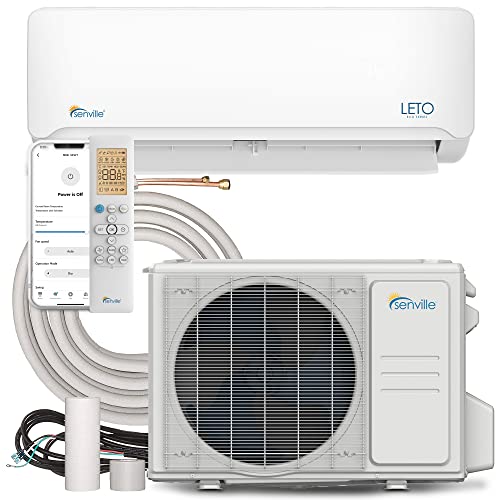
A split system air conditioner is a cooling setup built around two separate components: an indoor air-handling unit and an outdoor condenser unit. The two are connected by a refrigerant line set and electrical wiring. The word "split" refers to this physical separation, which is the defining feature of the design.
Because the noisy compressor sits outside, split systems operate very quietly indoors. They also avoid the need for extensive ductwork, making them a natural fit for homes where running ducts is impractical or undesirable. For a broader comparison of how these units stack up against other formats, see our guide to mini-split systems.
Modern split systems are commonly available as inverter-driven heat pumps, meaning they can both cool and heat. If you are weighing the merits of inverter technology, our article on whether an inverter AC is worth it breaks down the trade-offs clearly.
How a Split System Works
The system moves heat rather than generating cold air. Here is the basic cycle:
- Indoor unit draws warm room air across an evaporator coil. The refrigerant inside absorbs heat and evaporates.
- The warmed refrigerant travels through the refrigerant line set to the outdoor unit.
- Outdoor condenser releases the heat to the outside air and condenses the refrigerant back into a liquid.
- The cooled refrigerant returns indoors, and the cycle repeats. A blower distributes conditioned air through the room.
In a heat pump split system, a reversing valve flips the cycle so the indoor coil becomes the condenser and delivers heat during cold weather. This dual capability is why split heat pumps are increasingly popular in mixed climates.
Types of Split Systems
Split systems come in several form factors, each suited to different spaces and installation constraints. The table below summarizes the main categories.
| Type | Best For | Key Characteristic |
|---|---|---|
| Ductless mini-split | Single rooms, additions, homes without ducts | Wall-mounted indoor head, no ductwork required |
| Multi-zone mini-split | Several rooms with independent control | One outdoor unit, multiple indoor heads |
| Ducted mini-split | Whole-home or concealed installations | Short duct runs from a central indoor unit |
| Floor-mounted split | Rooms with limited wall space | Low-profile indoor unit placed near the floor |
| Ceiling cassette split | Commercial or open-plan spaces | Recessed ceiling unit with multi-directional airflow |
Ductless Mini-Split
The most common residential split system. A compact indoor head mounts high on a wall and delivers conditioned air directly into the room. Installation is comparatively fast, and no ductwork is needed. This makes it a strong option for in-room air conditioning units and for older homes where duct retrofits are disruptive.
Multi-Zone Split System
A single outdoor condenser supports two to five indoor units, each with its own thermostat. This gives you room-by-room control and is ideal for households with varying comfort preferences. If you are considering this route for a larger property, our guide to mini-split air conditioners for whole-house use explains how zoning is planned.
Ducted Mini-Split
Sometimes called a ducted split, this variation hides the indoor unit in an attic, closet, or soffit and distributes air through short duct runs. It offers a cleaner aesthetic while retaining the efficiency benefits of a split system. Proper insulated air conditioning ducting is essential to avoid energy losses.
Floor-Mounted and Ceiling Cassette
Floor-mounted units are useful where wall space above furniture is unavailable. Ceiling cassettes spread air in multiple directions and blend into drop ceilings, making them a favorite in offices and open living areas.
Key Components Explained
Air-Handling Unit
Contains the evaporator coil, blower fan, and air filter. It draws in warm room air, cools it, and returns it to the space. Filter cleanliness directly affects efficiency.
Condenser Unit
Houses the compressor and condenser coil. It releases absorbed heat to the outside. Placement and airflow around this unit strongly influence performance.
Line Set
Insulated copper tubing that carries refrigerant between indoor and outdoor units. Correct sizing and length are critical for efficiency.
Thermostat / Remote
Modern split systems offer programmable and smart thermostats. Setting an ideal AC temperature setting maximizes comfort and energy savings.
Sizing a Split System Correctly
Correct sizing is the single most important decision in any split system installation. An undersized unit struggles to reach the setpoint, while an oversized unit short-cycles, which reduces dehumidification and wears out components faster. Our detailed walkthrough on sizing an air conditioner covers the calculation method, but the essentials are below.
| Room Area | Recommended Capacity | Typical Use |
|---|---|---|
| Up to 150 sq ft | 5,000–6,000 BTU | Bedroom, small office |
| 150–250 sq ft | 8,000–10,000 BTU | Medium bedroom, studio |
| 250–400 sq ft | 12,000–14,000 BTU | Living room, large bedroom |
| 400–600 sq ft | 18,000–24,000 BTU | Open-plan living area |
| 600–900 sq ft | 24,000–30,000 BTU | Multiple rooms via multi-zone |
Efficiency Ratings You Should Know
Split systems are typically rated on several efficiency metrics. Understanding them helps you compare models on a level playing field.
- SEER2 — Seasonal Energy Efficiency Ratio (updated DOE standard). Higher values indicate greater cooling efficiency across a typical season. See our explainer on what SEER stands for for the full definition.
- EER2 — Energy Efficiency Ratio measured at a single design condition. Useful for comparing performance in hotter climates. Read more about the EER rating.
- HSPF2 — Heating Seasonal Performance Factor, relevant for heat pump split systems. Our guide to the HSPF rating explains how it is calculated.
If efficiency is your priority, browse our collection of the most efficient mini-split air conditioners for models that lead their class.
Inverter vs Non-Inverter Split Systems
Inverter compressors adjust their speed continuously rather than switching on and off at full power. The result is steadier temperatures, quieter operation, and better part-load efficiency. Non-inverter units are simpler and have a lower entry point in the market, but they cycle more frequently.
To understand the technical distinction in more depth, see the difference between split-type and inverter aircon. In practice, most new residential split systems sold today are inverter models because they deliver superior comfort and long-term energy performance.
Installation: What to Expect
Proper installation determines whether a high-quality split system performs to its rating. The main steps include:
- Selecting indoor and outdoor unit positions with adequate airflow clearance.
- Mounting the indoor head securely and drilling a wall penetration for the line set and drain.
- Routing and insulating the refrigerant lines and condensate drain. A condensate pump on a mini-split may be needed if gravity drainage is not possible.
- Evacuating the system with a vacuum pump for the AC system before releasing refrigerant.
- Charging, leak testing, and commissioning the system.
Before work begins, ask your installer the right questions. Our list of questions to ask an installer is a practical checklist. Also verify that the contractor holds proper HVAC licensing.
Maintenance for Long-Term Performance
Split systems are low-maintenance, but a few routine tasks preserve efficiency and lifespan:
- Clean or replace indoor filters every one to three months depending on dust and pet hair.
- Inspect the outdoor coil and clear debris, leaves, and grass clippings.
- Check the condensate drain for algae growth or blockages, especially in humid seasons.
- Schedule annual professional servicing to verify refrigerant charge, electrical connections, and blower performance.
For a broader overview, see our HVAC system maintenance guide. Keeping up with service also protects your warranty and prevents small issues from becoming costly repairs.
Advantages and Limitations
Advantages:
- Quiet indoor operation because the compressor sits outside.
- No ductwork required, simplifying installation in older homes.
- Zone-by-zone control in multi-zone configurations.
- High efficiency, particularly with inverter-driven heat pump models.
- Year-round heating and cooling with a heat pump split system.
Limitations:
- Indoor heads are visible and require wall or ceiling space.
- Each indoor unit needs a wall penetration for the line set.
- Multi-zone systems require careful load planning to avoid imbalance.
- Professional installation is essential; DIY setups risk refrigerant leaks and voided warranties.
Split Systems vs Other AC Types
Choosing between formats depends on your home's existing infrastructure and your comfort priorities. A few quick comparisons:
- Vs central air: Split systems avoid duct losses and allow zoning, while central air can serve many rooms from a single, concealed system. See central air conditioning for details.
- Vs window units: Split systems are quieter and more efficient, but window units are simpler to install in a single room. Compare in our portable vs window unit discussion.
- Vs portable AC: Split systems deliver better efficiency and comfort; portables offer flexibility for renters and temporary spaces.
If you are planning a whole-house solution, our overview of whole-house air conditioning covers how split systems fit into a broader strategy.
How to Choose the Right Split System
Use the following framework to narrow your options without getting lost in specifications:
- Define the scope. Is this for one room, several rooms, or an entire home? Multi-zone setups add flexibility but require more planning.
- Calculate capacity. Start with the sizing table above, then confirm with a professional load calculation.
- Set an efficiency target. Decide whether you want a mid-range efficiency model or a top-tier high-efficiency unit. Compare SEER2 and HSPF2 values.
- Choose a tier. Entry-level models cover essential cooling; mid-range models add inverter efficiency and quieter operation; high-end tier and flagship models offer advanced features, stronger cold-climate heating, and premium build quality.
- Plan installation. Confirm mounting locations, drainage, and electrical requirements with a licensed installer.
If you would like tailored suggestions based on room type and usage, our recommendations hub organizes options by application.
Market Tiers at a Glance
Split systems are positioned across recognizable market tiers. Use these descriptors to compare models consistently.
| Tier | Best For | Typical Characteristics |
|---|---|---|
| Entry-level | Single-room cooling, seasonal use | Essential features, standard efficiency, straightforward controls |
| Mid-range | Primary living spaces, year-round use | Inverter compressor, improved efficiency, quieter operation |
| High-end tier | Whole-home or multi-zone projects | High SEER2 and HSPF2, cold-climate heating, smart controls |
| Flagship tier | Premium comfort and design-led installs | Top-of-class efficiency, advanced filtration, refined indoor units |
Frequently Asked Questions
What is a split system air conditioner?
A split system air conditioner is a cooling setup with two main components: an indoor air-handling unit and an outdoor condenser unit, connected by refrigerant lines. The "split" refers to the separation of these components, which allows quiet indoor operation and flexible installation without ductwork.
How long does a split system air conditioner last?
A well-maintained split system typically lasts 15 to 20 years. Regular filter cleaning, annual professional servicing, and proper sizing significantly extend the lifespan of both the indoor and outdoor units.
Do split systems heat as well as cool?
Yes. Heat pump split systems provide both heating and cooling by reversing the refrigerant cycle. Modern cold-climate models operate efficiently even in sub-freezing temperatures, making them a year-round solution for many homes.
How many indoor units can one outdoor unit support?
A multi-zone split system can support anywhere from two to five indoor units connected to a single outdoor condenser. This allows individualized temperature control in different rooms while sharing one outdoor unit.
Is a split system suitable for a whole house?
Yes. Multi-zone ductless systems and ducted mini-splits can condition an entire home. For larger homes, a combination of ducted and ductless indoor units connected to one or more outdoor units delivers whole-house comfort.
Ready to Explore Split System Options?
Now that you understand how split systems work, how to size them, and what efficiency ratings mean, you can evaluate models with confidence. Compare features, check availability, and choose the configuration that fits your space.
VIEW RECOMMENDED SYSTEMS