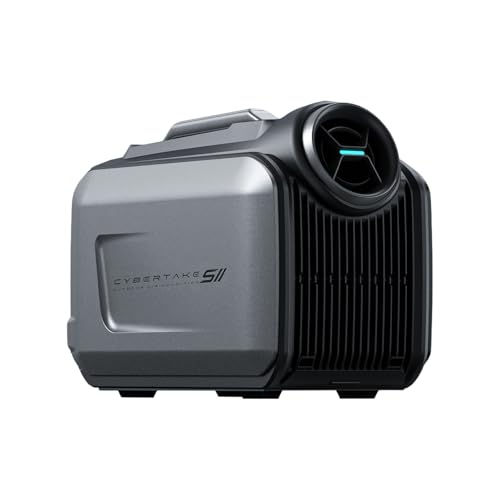
Portable Solar Powered Air Conditioner for Camping: The Complete Guide
Stay cool off-grid with confidence. Learn how solar-powered portable AC units work, how to size your panels and battery, and which features matter most for camping and outdoor adventures.
START LEARNINGWhy research before you buy? A portable solar powered air conditioner for camping is only as good as its power setup. Panels, battery capacity, cooling output, and tent size must all work together. Understanding these pieces before you buy helps you avoid frustration in the field and get reliable cooling when it matters most.
What Is a Portable Solar Powered Air Conditioner for Camping?
A portable solar powered air conditioner for camping is a compact cooling unit that runs on electricity generated by solar panels, often paired with a battery for storage. Instead of relying on a campsite power hookup or a gas generator, these systems capture sunlight during the day and use that energy to cool your tent, RV, or camper.
Most setups combine three elements: a portable solar panel array, a battery or power station, and a low-draw air conditioning unit. Some camping-focused systems are all-in-one, while others mix and match components for flexibility. The best configuration depends on how long you plan to camp, how hot the climate is, and how much space you need to cool.
These systems are popular with boondockers, overlanders, festival campers, and anyone who wants comfort without the noise and exhaust of a traditional generator. They are also a natural companion to portable tent AC units, which are designed specifically for enclosed fabric spaces.
How Solar Camping AC Systems Work
Solar panels convert sunlight into DC electricity. That electricity either powers the AC unit directly or charges a battery, which then powers the unit when the sun is not shining. An inverter may be needed if the AC unit runs on AC power, though many camping-specific units are designed to run on DC to reduce conversion losses.
Efficiency matters more in a solar setup than in a home. Every watt lost to heat, conversion, or poor wiring reduces runtime. That is why camping-focused solar AC systems tend to favor low-draw compressors, insulated tents, and smart power management. Planning your energy budget before you leave home is the single most important step.
Key Components of a Solar Camping AC Setup
A reliable solar-powered camping air conditioner is a system, not just a single product. Understanding each component helps you choose compatible parts and avoid surprises in the field.
Solar Panels
Portable solar panels come in folding and rigid formats. Folding panels are easier to transport and reposition as the sun moves. Rigid panels are more durable but heavier. Panel wattage determines how quickly you can recharge your battery or run the AC directly. For camping, folding panels in the mid-range to premium tiers offer the best balance of portability and output.
Battery or Portable Power Station
The battery stores energy for nighttime cooling and cloudy days. Capacity is measured in watt-hours (Wh). A larger battery means longer runtime but more weight. Lithium-based power stations are common in camping setups because they are lighter and more efficient than older battery chemistries. Look for units with pure sine wave output if your AC requires AC power.
The Air Conditioning Unit
Camping AC units range from small personal coolers to compact units capable of cooling a tent or small RV. Cooling capacity is measured in BTU. Low-BTU units (around 2,000–5,000 BTU) are typical for tent cooling, while larger units may suit camper vans. Many camping-specific units run on DC power, which pairs naturally with solar and battery systems.
Inverter and Wiring
If your AC unit runs on standard AC power, you will need an inverter to convert DC from the battery. Pure sine wave inverters are preferred for compressor-driven appliances because they provide cleaner power. Wiring should be sized correctly to minimize voltage drop, especially over longer cable runs.
How to Size Your Solar Camping AC System
Sizing a solar camping AC system means balancing three numbers: the cooling load of your space, the power draw of the AC unit, and the energy your panels and battery can supply. Getting this balance right is the difference between comfortable nights and a system that quits at midnight.
Step 1: Estimate Your Cooling Load
Cooling load depends on the size of your tent or camper, insulation, shade, and outside temperature. A small two-person tent in moderate heat needs far less cooling than a large family tent in direct sun. As a rough guide, use the following BTU ranges as a starting point.
| Space Type | Approximate Cooling Need | Typical System Tier | Best For |
|---|---|---|---|
| Personal cooling / small tent | Up to 2,500 BTU | Entry-level | Solo campers, small tents, personal spot cooling |
| Two- to four-person tent | 2,500 – 5,000 BTU | Mid-range | Couples and small families in moderate climates |
| Large tent or camper van | 5,000 – 8,000 BTU | Premium | Family camping, camper vans, extended trips |
| Small RV or travel trailer | 8,000 – 12,000 BTU | High-end tier | RV boondocking, multi-day off-grid stays |
Step 2: Calculate Power Draw
Check the AC unit's wattage or amperage rating. Multiply watts by the number of hours you plan to run the unit to estimate daily watt-hours. For example, a 400-watt AC running for six hours uses about 2,400 watt-hours. Your battery must supply that energy, and your panels must replenish it.
Step 3: Match Panels and Battery
As a rule of thumb, plan for panels that can generate more energy per day than your AC consumes. Real-world solar output is lower than panel ratings because of angle, shade, and weather. A battery with capacity slightly above your nightly consumption gives you a safety margin for cloudy days. For broader context on sizing cooling systems, see our guide on how to size an air conditioner.
Solar Camping AC vs Other Camping Cooling Options
Solar-powered camping AC is one option among several. Comparing it with alternatives helps you decide whether it fits your style of camping and your budget of weight and space.
| Cooling Option | Power Source | Setup Effort | Runtime Flexibility | Best For |
|---|---|---|---|---|
| Solar-powered portable AC | Solar panels and battery | Moderate — panels, battery, AC | High with adequate battery | Off-grid campers, boondockers, extended trips |
| Battery-powered portable AC | Battery only, recharged from shore power or generator | Low | Limited by battery capacity | Short trips, campsites with power access |
| Evaporative cooler | Low-power fan and water | Low | High | Dry climates, well-ventilated spaces |
| Generator-powered AC | Gas or propane generator | Moderate — fuel, noise, exhaust | High while fuel lasts | Large RVs, group camping, heavy cooling needs |
If you are comparing portable cooling with window units at home, our article on portable vs window AC covers the trade-offs in a residential setting. For tent-specific options, the portable tent AC guide goes deeper into fabric-friendly cooling.
Practical Tips for Solar Camping AC Success
Even a well-chosen system underperforms without good habits. These practical tips help you get the most from your solar-powered camping air conditioner.
Reduce the Cooling Load First
- Shade your tent. A reflective tarp or shade cloth over the tent dramatically reduces heat gain.
- Choose a ventilated site. Airflow around the tent helps hot air escape and reduces the work your AC must do.
- Insulate where possible. Tent insulation is limited, but reflective liners and sealed zippers help.
- Cool only the space you use. Use dividers or smaller sleeping areas to concentrate cooling.
Optimize Your Solar Harvest
- Angle panels toward the sun. Reposition folding panels several times a day for best output.
- Avoid shade. Even partial shade on a panel can significantly reduce output.
- Keep panels clean. Dust and debris reduce efficiency.
- Use a charge controller. A good controller protects your battery and improves charging efficiency.
Manage Battery Runtime
- Pre-cool before dark. Run the AC during peak solar hours to lower tent temperature, then reduce runtime at night.
- Use eco or sleep modes. Many camping AC units offer lower-power modes for overnight use.
- Monitor state of charge. Avoid draining lithium batteries below the manufacturer's recommended minimum.
- Plan for cloudy days. Carry extra battery capacity or a backup charging method if weather is uncertain.
Maintain Your Equipment
Clean AC filters regularly, inspect cables for wear, and store batteries at appropriate temperatures. For general upkeep guidance that applies to most cooling equipment, see our seasonal AC checklist and preventive maintenance guide.
What to Look for When Choosing a Solar Camping AC
With the fundamentals covered, here is a practical checklist to guide your decision. These factors matter more than marketing claims and will help you choose a system that fits your camping style.
Power Compatibility
Confirm whether the AC unit runs on DC, AC, or both. DC units pair more efficiently with solar and battery systems, while AC units require a pure sine wave inverter. Check the unit's startup surge, not just its running wattage, because compressors draw extra power at startup.
Cooling Capacity and Space Match
Match BTU to your tent or camper size, then adjust for climate and shade. Undersized units run constantly and drain batteries, while oversized units cool too quickly and cycle inefficiently. Our guide on BTU calculation by room size offers a useful starting framework.
Noise Level
Camping AC units vary in noise. If you will run the unit overnight in a tent, look for models with quiet modes and check decibel ratings. Our overview of the quietest air conditioners includes portable options worth comparing.
Portability and Weight
Every component adds weight: panels, battery, AC unit, and cables. If you move campsites often, favor folding panels, compact power stations, and lighter AC units. Measure your vehicle's storage space before committing to a large setup.
Durability and Weather Resistance
Camping equipment faces dust, moisture, and temperature swings. Look for durable construction, reinforced cables, and weather-resistant coatings on panels and connectors. Solid build quality matters more in the field than in a home installation.
Controls and Monitoring
Battery monitoring, remote controls, and programmable settings add convenience. A power station with a clear display of remaining capacity helps you plan runtime. Some systems also integrate with smart controls, similar to the features covered in our programmable thermostat guide.
Related Camping Cooling Options
If you are exploring compact or specialized options, see our guides on portable miniature air conditioners, portable small air conditioning units, and portable indoor air conditioning units. For camper vans and small RVs, portable mini-splits and portable wall-mounted air conditioners are worth reviewing.
Ready to Compare Solar Camping AC Options?
Browse our curated selection of portable solar powered air conditioners for camping and find the right setup for your off-grid adventures.
VIEW RECOMMENDED UNITSFrequently Asked Questions
Can a portable air conditioner really run on solar power while camping?
Yes, with the right setup. Small, low-draw camping AC units can run on solar panels and a battery. Larger units require more panel wattage and battery capacity. The key is matching your AC's power draw to the energy your panels can generate and your battery can store.
How many solar panels do I need for a camping air conditioner?
It depends on the AC unit's wattage and how long you run it. As a starting point, aim for panel output that exceeds your daily AC consumption. A modest camping AC may need a few hundred watts of panels, while larger units require more. Factor in real-world solar output being lower than panel ratings.
How long can a battery run a portable AC while camping?
Runtime depends on battery capacity and AC power draw. Divide usable battery watt-hours by the AC's wattage to estimate hours of runtime. For example, a battery with 2,000 usable watt-hours running a 400-watt AC would last roughly five hours under ideal conditions.
Do I need an inverter for a solar camping AC?
Only if your AC unit runs on standard AC power. DC-powered camping AC units can connect directly to a DC power station or battery, which is more efficient. If you use an AC-powered unit, choose a pure sine wave inverter sized for the unit's startup surge.
Can a portable solar AC cool a tent effectively?
Yes, if the unit is sized for the tent and the tent is reasonably insulated. Smaller tents cool more effectively than large ones, and shade reduces the cooling load. Pairing a camping AC with good ventilation and reflective shade improves results significantly.
What happens on cloudy days?
Solar output drops on cloudy days, so your battery becomes the primary power source. Carry enough battery capacity for one or two cloudy days, or have a backup charging method such as a vehicle charger or campsite power hookup. Planning for weather variability is essential for off-grid camping.
Are solar camping AC systems noisy?
Noise comes from the AC unit's compressor and fan, not from the solar panels. Camping AC units vary in noise level, and quiet modes help for overnight use. Check decibel ratings and read reviews focused on sound before choosing a unit.
Can I use a home portable AC with solar panels for camping?
It is possible but usually impractical. Home portable AC units often draw more power than typical camping solar setups can supply. Camping-specific units are designed for lower power draw and DC operation, making them a better match for solar and battery systems. For home use, see our guide on portable indoor air conditioning units.
Final Thoughts
A portable solar powered air conditioner for camping turns a hot tent into a comfortable retreat, but only when the system is planned as a whole. Match your cooling load to the AC unit, size your panels and battery to your runtime needs, and build in margin for cloudy days. With the right setup and a few smart habits, you can enjoy reliable off-grid cooling on every trip.
Explore related guides to deepen your understanding, including portable solar panels, portable tent AC, and portable mini-splits. When you are ready to compare models, our recommended products section below highlights options across tiers and use cases.