Portable Windowless Air Conditioners
A complete research guide to cooling spaces without a standard window: which windowless designs genuinely work, where they fall short, and how to match the right unit to your room before you commit.
Explore The TypesQuick answer: Portable windowless air conditioners fall into two broad camps. Compressor-based units still need some exhaust path — usually a sliding door kit or a small wall vent — while evaporative and thermoelectric windowless coolers need no exhaust at all but deliver spot cooling only. True room-wide cooling with zero exhaust path is not possible with current portable technology.
What "Windowless" Really Means
The term windowless portable air conditioner describes installation, not refrigeration. A windowless unit is simply one that does not require a standard double-hung or sliding window to install. That is a useful distinction because shoppers often assume windowless means no venting at all, and the two are not the same thing.
In practice, windowless portable AC products divide into three design families:
- Vented windowless units — compressor-based portable ACs installed through a sliding glass door kit, a small wall vent, or a drop-ceiling path instead of a window. These genuinely cool a room, but they still route hot exhaust air outdoors.
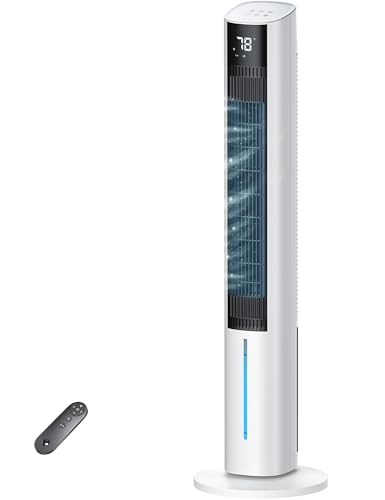
- Evaporative windowless coolers — fan-and-water-pad units that require no exhaust at all. They lower air temperature through evaporation and work best in hot, dry climates.
- Thermoelectric personal coolers — compact solid-state units aimed at desk and nightstand use. Cooling output is limited, but installation is essentially plug-and-play.
Related categories often surface during research, including the room AC unit that doesn't need a window and the broader room air conditioner that doesn't need venting. Both overlap with this topic, and reading them side by side helps clarify which trade-offs you are accepting.
How Each Windowless Type Works
Vented Windowless Units
These are conventional portable air conditioners with a compressor. The unit cools air inside the room and rejects heat through an exhaust hose. The windowless part comes from the installation method: instead of a window panel, the hose connects to a sliding door insert, a wall-mounted vent plate, or a small through-wall sleeve. If you have a balcony door, an interior wall adjacent to the outdoors, or a flexible mounting point, this is the most capable windowless option.
Evaporative Windowless Coolers
An evaporative cooler pulls room air through a water-soaked pad. As the water evaporates, it absorbs heat and the fan pushes cooler, slightly more humid air into the room. No exhaust is needed because no heat is being rejected — the heat is absorbed by evaporation. Performance depends heavily on ambient humidity, so these units shine in dry climates and underperform in muggy conditions.
Thermoelectric Personal Coolers
A thermoelectric element creates a small temperature difference across a plate, and a fan blows air across the cool side. Output is modest and best treated as personal cooling near a desk, bed, or chair. These units are quiet, compact, and need no venting, but they will not change the temperature of a full room.
Key rule of thumb: ask yourself whether you need to remove heat from the room or simply move cooler air toward you. Heat removal requires an exhaust path. Personal cooling can be done without one.
Windowless Portable AC Types Compared
The table below compares the three families across the factors that matter most during research. Tier descriptors replace numeric comparisons so the guidance stays useful over time.
| Type | Exhaust Path | Cooling Scope | Best Climate | Typical Market Tier |
|---|---|---|---|---|
| Vented windowless portable AC | Sliding door kit, wall vent, or sleeve | Small to medium room | Humid or mixed | mid-range to premium |
| Evaporative windowless cooler | None | Personal to open-area spot cooling | Hot and dry | entry-level to mid-range |
| Thermoelectric personal cooler | None | Desk and bedside spot cooling | Any, with modest effect | entry-level |
For a direct comparison between vented portable units and window-mounted alternatives, the portable vs window AC guide explains efficiency, installation effort, and room coverage in more depth.
Where Windowless Portable AC Units Work Best
Windowless designs are most useful when a standard window is unavailable, unsuitable, or blocked. The scenarios below reflect the situations where they deliver the most value.
- Basement rooms — small above-grade windows often cannot accept a window unit or a standard hose panel, so a sliding door kit or wall vent is the practical route.
- Loft and attic conversions — sloped ceilings and roof windows make traditional installations awkward, while a wall vent or evaporative cooler is simpler.
- Rented apartments — where window modifications and exterior brackets are not permitted, door kits and freestanding coolers avoid permanent changes.
- Sliding glass door access — a balcony door is often the easiest exhaust path for a vented windowless unit.
- Dry-climate spot cooling — an evaporative windowless cooler placed near a desk or bed works well in low-humidity regions.
Where They Fall Short
- Humid climates — evaporative and thermoelectric windowless coolers cannot dehumidify and may make the air feel heavier.
- Sealed interior rooms — vented units need an exhaust route; without one, heat builds up in the room.
- Large open spaces — personal coolers do not change the temperature of a full living area or open-plan office.
- Long cooling sessions in humid air — comfort drops as humidity rises, even if airflow feels cooler at first.
If your space is small and your main concern is compact cooling, the portable small air conditioning unit overview narrows down options that fit tight footprints and narrow walls.
What to Check Before Choosing a Windowless Unit
Because windowless designs depend heavily on the room and climate, a short pre-purchase checklist prevents most disappointments. Work through these points in order.
- Confirm the exhaust path. Decide whether you can use a sliding door kit, a wall vent, or a sleeve. If none are available, a compressor-based unit is not the right fit.
- Check local humidity. If summers are muggy, prefer vented compressor cooling over evaporative windowless options.
- Define the cooling goal. Personal cooling at a desk or bed is different from cooling a full room — choose the type that matches the goal.
- Measure the footprint. Confirm the unit fits beside furniture and leaves clearance for airflow intake and exhaust.
- Review installation hardware. Vented windowless units should include a door kit or wall plate; check that the kit matches your opening size.
- Plan for drainage and tank refills. Compressor units produce condensate that must drain or be emptied. Evaporative coolers need regular water refills.
- Check noise expectations. Compressor units produce more noise than evaporative coolers; match the unit to how quiet the room needs to be.
- Schedule maintenance. Filters, pads, and tanks need regular cleaning to stay effective and odor-free. The preventive maintenance of air conditioning unit guide covers routines that apply here.
Quality Tier Guide Without Numeric Labels
Use these relative descriptors when reading reviews and comparing listings. They describe market position, not absolute performance.
| Tier | Typical Characteristics | Best For |
|---|---|---|
| entry-level | Basic controls, smaller tank or airflow, simpler installation hardware | Occasional personal cooling and light use |
| mid-range | Better airflow design, included door or wall kit, timer and remote, sturdier housing | Daily bedroom or home office use |
| high-end tier | Reinforced construction, quieter fan profiles, wider oscillation, easier maintenance access | Frequent use where noise and durability matter |
| premium | Hybrid cooling elements, smart controls, premium materials, refined airflow | Users who want the most feature-rich windowless option |
Mid-range models usually include a more complete installation kit and smoother airflow controls than entry-level units, which matters for long sessions and repeated setup.
Alternatives Worth Considering
If windowless cooling does not fit your room or climate, several adjacent options are worth reviewing before you commit:
- Portable mini splits — a small compressor system with an indoor head and a compact outdoor unit, offering real cooling without a window-mounted chassis.
- Portable wall mounted air conditioner — a middle option for rooms where a wall mount is possible but a full installation is not.
- Room air conditioner that doesn't need a window — a broader guide to cooling solutions when a standard window opening is unavailable.
- Portable room air conditioner without exhaust hose — the closest sibling topic, focused on hose-free designs and their trade-offs.
- Room to room transfer fan with thermostat — useful when moving already-cooled air is more practical than cooling the room from scratch.
For narrow windows or unusual frame shapes, the room air conditioner for casement windows guide covers installation kits that sometimes overlap with windowless setups, while the saddle window air conditioners overview explains a low-profile alternative that works on some window styles a standard unit cannot fit.
If your project spans multiple rooms, the portable room to room air conditioners overview explains when a movable unit can serve more than one space and when it cannot.
Ready to Compare Windowless Cooling Options?
Review the recommended units below, then match the tier and installation method to your room, exhaust options, and daily routine.
View Recommended UnitsFrequently Asked Questions
What is a portable windowless air conditioner?
It is a cooling appliance designed to operate without a traditional window installation. The category includes evaporative coolers, thermoelectric personal coolers, and vented portable units that use a sliding door kit or a small wall opening instead of a standard window frame.
Do windowless portable AC units really cool a room?
It depends on the technology. Compressor-based vented units can cool a room effectively but still require some exhaust path. Evaporative and thermoelectric windowless models provide local spot cooling only and work best in dry climates. True room-wide cooling without any exhaust path is not possible with current portable technology.
Can I use a portable windowless AC in a basement or interior room?
Vented portable units need an exhaust route, so an interior room requires a wall vent or a compatible window or door kit. Evaporative and thermoelectric windowless models can run in any room but deliver limited spot cooling rather than full room comfort.
What is the difference between windowless and ventless portable AC?
Windowless describes the installation method: no standard window is used. Ventless describes the operating method: no exhaust air is routed outdoors. Many windowless models are also ventless, but some vented portable units qualify as windowless because they use a door kit or wall vent instead of a window.
How do I choose the right portable windowless AC for my room?
Start with the room's humidity and available exhaust path. In humid climates, choose a compressor-based vented unit with a door or wall kit. In dry climates with no exhaust option, an evaporative windowless cooler is the practical choice. Then match airflow, noise level, and tank or drainage needs to how you will use the room.
Are portable windowless air conditioners noisy?
Compressor-based vented units produce noticeable fan and compressor noise, similar to a standard portable AC. Evaporative and thermoelectric windowless coolers are generally quieter because they rely on a fan and pump, but airflow noise still increases at higher fan settings.
Bottom line: Portable windowless air conditioners are a category defined by installation, not by cooling method. If your room has a sliding door or a small wall vent, a vented compressor unit is the most capable option. If no exhaust path exists and your climate is dry, an evaporative windowless cooler is the practical choice. Match the type to your exhaust options, climate, and cooling goal, and you will avoid the most common buying mistakes.