Portable Room to Room Air Conditioners: A Complete Guide
Everything you need to understand how portable room to room air conditioners work, what features matter most, and how to choose a model that moves with your lifestyle — so you can cool one room today and another room tomorrow without installing a permanent system.
Explore Recommended ModelsWhy this guide exists: Portable room to room air conditioners are one of the most misunderstood categories in home cooling. Buyers often expect a single unit to cool an entire home, then discover that venting, capacity, and airflow behave differently than a central system.
This guide clarifies what "room to room" actually means for a portable AC, how to match cooling capacity to your space, which features separate entry-level units from premium ones, and how to maintain the unit so it keeps performing season after season.
What Are Portable Room to Room Air Conditioners?
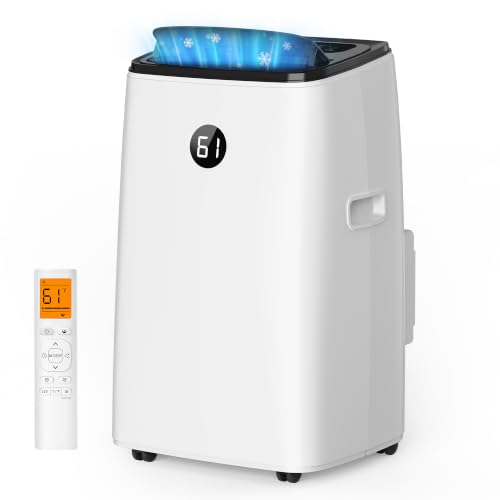
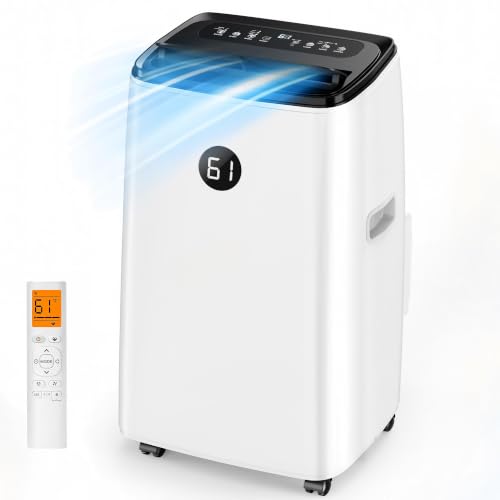
Portable room to room air conditioners are freestanding cooling units designed to be moved between spaces. Unlike a window AC that stays fixed in one opening, a portable unit rolls on casters and connects to a window or venting point through a flexible exhaust hose. The "room to room" label describes the unit's mobility: you can wheel it from a bedroom to a living area, or from a home office to a guest room, as cooling needs shift throughout the day.
It is important to separate mobility from multi-room coverage. A single portable AC cools the space it sits in. It does not duct conditioned air into a second room unless you pair it with a transfer fan or a small ducting accessory. If your goal is cooling several rooms at once, a portable mini-split or a multi-zone system is usually a better fit. For straightforward single-zone cooling with the freedom to relocate, a portable room unit is the practical choice.
These units are especially popular among renters, homeowners without ductwork, and anyone who wants supplemental cooling without a permanent installation. They also work well in apartments where window units are restricted and in older homes where adding ducts is impractical. If you are comparing form factors, our guide on portable vs window AC breaks down the trade-offs in detail.
How Portable Room to Room Cooling Works
A portable air conditioner pulls warm room air across an evaporator coil, cools it, and blows it back into the room. Heat captured from the air is expelled through the exhaust hose, usually routed to a window using a window kit. Moisture removed from the air is either collected in a drain tank, drained continuously through a hose, or evaporated by the unit's condenser fan.
Three mechanical details shape the real-world experience:
- Single-hose vs dual-hose design: A single-hose unit draws cooled room air to expel heat, which creates negative pressure and pulls warm outside air back in through gaps. A dual-hose unit uses one hose to bring in outside air for heat rejection and a second hose to exhaust it, which reduces the pressure imbalance and typically improves efficiency.
- Compressor type: Fixed-speed compressors cycle on and off at full power. Inverter compressors modulate speed continuously, which produces steadier temperatures and quieter operation. Our explainer on inverter AC technology covers how this affects comfort and energy use.
- Condensate handling: Models with a self-evaporative system reduce how often you empty the tank. In humid climates, a continuous drain hose is often the most convenient setup.
Because the exhaust hose carries heat, placement matters. Position the unit near the venting point, keep the hose as short and straight as possible, and avoid sharp bends that trap heat. Sealing the window kit edges with foam or weather stripping helps prevent warm air from sneaking back in.
Sizing: Matching BTU to Your Room
Cooling capacity is measured in British Thermal Units (BTU) per hour. The common starting rule is roughly 20 BTU per square foot of floor area. That baseline assumes a standard ceiling height, average insulation, and moderate sun exposure. Adjust upward when the room has high ceilings, large unshaded windows, a kitchen area, or several heat-producing devices.
| Room Type | Typical Floor Area | Suggested BTU Range | Notes |
|---|---|---|---|
| Small bedroom or study | Up to 150 sq ft | 5,000 – 6,000 BTU | Compact units fit tight floor space; look for night mode. |
| Medium bedroom or home office | 150 – 250 sq ft | 7,000 – 8,000 BTU | Good balance of capacity and mobility. |
| Living room or open studio | 250 – 400 sq ft | 9,000 – 12,000 BTU | Consider dual-hose models for better efficiency. |
| Large living area or loft | 400 – 600 sq ft | 12,000 – 14,000 BTU | Verify window kit length and hose reach. |
Oversizing is a common mistake. A unit that is too powerful for the space cools quickly, shuts off, and then restarts — a cycle called short cycling. This leaves the room feeling clammy because moisture is not removed consistently. Undersizing is equally frustrating: the unit runs continuously, never reaches the set temperature, and wears faster. Use the table as a starting point, then adjust for your specific room conditions.
If you are cooling a space that lacks a suitable window, review options for a portable room air conditioner without hose before committing to a standard vented model. These designs handle venting differently and have their own trade-offs.
Entry-Level, Mid-Range, and Premium Tiers
Portable room to room air conditioners fall into three broad market tiers. The descriptors below compare relative positioning and feature depth — not absolute specifications — so you can set expectations before comparing individual models.
Essential Tier
The starting point for portable cooling. These units cover the basics and suit occasional use in smaller rooms.
- Single-hose exhaust design
- Mechanical or simple digital controls
- Fixed-speed compressor
- Manual drain tank
- Basic window kit included
Balanced Tier
The sweet spot for most households. Better efficiency, quieter operation, and more convenient moisture handling.
- Dual-hose or improved single-hose design
- Digital thermostat with timer and remote
- Inverter or two-speed compressor
- Self-evaporative condensate system
- Sleep mode and adjustable louvers
High-End Tier
Feature-rich models built for frequent relocation and larger spaces, with refined controls and quieter operation.
- Dual-hose with optimized airflow path
- Full inverter compressor with variable speed
- Wi-Fi and app-based scheduling
- Advanced filtration or air purification
- Heavy-duty casters and reinforced housing
Mid-range models often deliver the most balanced experience for everyday use. They typically run quieter than entry-level units, handle humidity more consistently, and include convenience features that reduce daily effort. Premium units make sense when the AC will move between rooms frequently, when noise is a priority for sleeping spaces, or when smart-home integration matters. If quiet operation is your top concern, our roundup of the quietest and most efficient portable air conditioner options is a useful next step.
Key Features to Compare
Once capacity and tier are settled, the feature list is where most buying decisions are made. Focus on the features that affect daily use rather than the ones that only look good on a spec sheet.
Noise and Sleep Mode
Compressor noise dominates the sound profile. Inverter compressors and low-fan night modes reduce disturbance in bedrooms. Check the decibel rating at the lowest fan speed, not just the maximum. A unit rated for quiet operation is easier to live with in a room where people sleep or work.
Venting and Window Compatibility
Confirm the window kit fits your opening type. Sliding windows, casement windows, and tall vertical windows each need different adapter configurations. Measure the hose length and check whether the kit includes expandable panels. For casement windows, a specialized adapter is usually necessary.
Mobility and Footprint
Castors should roll smoothly on carpet and hard floors, and the unit should have a handle or recessed grips for lifting over thresholds. Weight matters when moving between rooms or up stairs. A compact footprint helps in tight bedrooms and apartments. If space is very limited, explore a portable small air conditioning unit to compare compact designs.
Drainage and Humidity Control
In humid climates, condensate removal is a daily consideration. Self-evaporative systems reduce manual emptying, while continuous drain hoses eliminate it entirely. A unit with a visible water-level indicator and automatic shutoff protects floors from overflow.
Smart Controls and Scheduling
Wi-Fi control and programmable timers let you pre-cool a room before you enter it. This is especially useful for room to room use: schedule the bedroom unit for evening and the living area unit for afternoon. Our overview of programmable thermostats for heating and cooling explains the scheduling logic that portable AC apps replicate.
Advantages and Limitations
Portable room to room air conditioners solve specific problems well, but they are not a universal replacement for ducted or mini-split systems. Understanding both sides helps you set realistic expectations.
✔ Advantages
- No permanent installation or structural modification required.
- Rolls between rooms as cooling needs change.
- Works in apartments and rentals where window units are restricted.
- No ductwork needed, which suits older homes.
- Easy to store during cooler months.
- Supplemental cooling for rooms that central air misses.
✖ Limitations
- Cooling is limited to the room where the unit sits.
- Single-hose models can create negative pressure and draw in warm air.
- Compressor noise is noticeable, especially at high fan speeds.
- Requires a window or venting point for the exhaust hose.
- Condensate tank needs regular emptying on manual-drain models.
- Floor space is consumed by the unit and hose path.
If your priority is quiet, efficient cooling for a single room and you have a suitable window, a window AC may be the better match — our quietest small room window air conditioner guide covers that category. If you need cooling without any window at all, review portable windowless air conditioners and their venting alternatives.
Strategies for Room to Room Use
Getting the most from a portable room to room air conditioner is as much about workflow as it is about hardware. A few practical habits make relocation faster and cooling more consistent.
- Plan the venting route: Identify two or three windows you can use with the supplied kit. Keep a spare adapter or foam seal on hand so switching rooms takes minutes rather than a full setup session.
- Pre-cool before occupancy: Use the timer to start the unit 20–30 minutes before you enter a room. This is more effective than blasting a hot room at maximum fan speed.
- Use a transfer fan for adjacent spaces: A room to room transfer fan with thermostat can push some conditioned air into a hallway or adjoining room, but treat it as a supplement rather than a substitute for a second cooling zone.
- Shade the unit and the room: Direct sun on the unit's housing and hose reduces efficiency. Closing blinds during peak sun keeps the cooling load lower. Our notes on shading an AC unit apply to portable setups as well.
- Seal the window gap: Small gaps around the window kit let hot air in. Weather stripping or a fitted panel improves performance noticeably.
Maintenance That Keeps It Running Well
Portable AC maintenance is straightforward but easy to neglect. A few recurring tasks protect cooling performance and extend the unit's service life.
- Clean or replace the filter every two to four weeks during heavy use. A clogged filter restricts airflow and forces the compressor to work harder. Rinse reusable filters with water and let them dry fully before reinstalling.
- Empty or drain the condensate tank regularly. On manual-drain units, check the tank daily in humid weather. Use the continuous drain option if the unit supports it.
- Inspect and straighten the exhaust hose. Kinks and sharp bends trap heat and reduce cooling. Keep the hose path as direct as possible.
- Clean the exterior and vents. Dust buildup on the housing and grilles reduces airflow. A soft brush or vacuum attachment handles most of it.
- Store the unit upright during off-season. Before storage, drain the tank completely, clean the filter, and cover the unit to prevent dust ingress. Our seasonal checklist for AC maintenance outlines the full routine.
If the unit stops cooling effectively despite a clean filter and proper venting, the cause may be low refrigerant or a failing compressor. Those are not DIY fixes on sealed portable systems. A qualified technician should diagnose the issue. General guidance on preventive maintenance of air conditioning units explains when professional service is warranted.
Common Buying Mistakes to Avoid
Most disappointing portable AC experiences trace back to a few avoidable decisions:
- Choosing by BTU alone: A high-BTU unit in a small room short cycles. Match capacity to the room, not to a marketing headline.
- Ignoring hose routing: A hose that cannot reach the window, or that bends sharply, undermines cooling regardless of capacity.
- Expecting whole-home cooling: A portable room unit cools one zone. Plan for multiple units or a different system if you need coverage across several rooms.
- Overlooking noise: If the unit will run overnight in a bedroom, prioritize low-speed noise ratings and inverter compressor design.
- Skipping the window seal: Without a tight seal, warm outdoor air offsets a meaningful portion of the cooling output.
Related Reading
If you are still mapping out your cooling plan, these guides may help clarify adjacent options:
- Portable indoor air conditioning units — an overview of indoor portable configurations.
- Portable miniature air conditioners — compact designs for very small spaces.
- Room air conditioners that do not need venting — how ventless designs differ.
- Quietest air conditioners — noise-focused comparisons across form factors.
- Portable tent AC — cooling for temporary and outdoor spaces.
Frequently Asked Questions
Can a portable air conditioner cool more than one room?
A single portable AC is designed for spot cooling one room at a time. To move cooling between rooms, you either relocate the unit with its exhaust hose or use a transfer fan to push conditioned air through a doorway. Cooling multiple rooms simultaneously with one portable unit is not practical because the exhaust system and cooling capacity are sized for a single zone.
What does room to room mean for a portable air conditioner?
Room to room describes the ability to relocate a portable AC from one space to another, such as from a bedroom during the night to a living room during the day. The unit itself is mobile, but it still needs to be positioned near a window or venting point for the exhaust hose.
Do portable room to room air conditioners need a window?
Most portable air conditioners require a window or another venting point for the exhaust hose. There are ventless and windowless designs that use evaporation or a condensate system, but these are less effective at removing heat. Always confirm the venting requirement before choosing a model.
How many BTU do I need for portable room to room cooling?
As a general rule, allow about 20 BTU per square foot of floor area, then adjust upward for high ceilings, strong sun exposure, or poor insulation. A 150 square foot bedroom typically suits a 5,000 to 6,000 BTU unit, while a 300 square foot living area generally needs 8,000 to 10,000 BTU. Choosing the right capacity prevents short cycling and improves comfort.
Are portable room to room air conditioners loud?
Noise levels vary by design and fan speed. Entry-level models tend to be louder, while mid-range and premium units often include inverter compressors and sound-dampening materials. For bedrooms, look for a model with a low-noise night mode and check the decibel rating in the specifications.