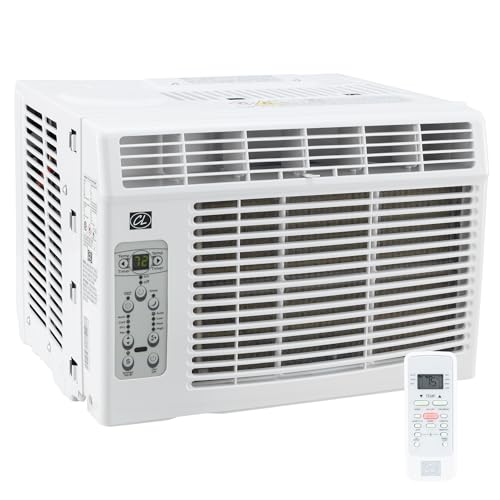
RV Window Air Conditioner: Complete Guide for Camper Cooling
Learn how to choose, install, power, and maintain a window air conditioner for your RV, travel trailer, or motorhome — with practical tips for travel and campsite use.
Start LearningWhy this guide matters: RV air conditioning is different from home cooling. Space is limited, power is constrained, and the unit must tolerate vibration and weather. This guide explains how to match a window air conditioner to your RV so you can stay comfortable without compromising safety or efficiency.
What Is an RV Window Air Conditioner?
An RV window air conditioner is a standard window-style cooling unit that is installed in a compatible window opening on a recreational vehicle. Many RVers use window units as a practical alternative to roof-mounted RV air conditioners, especially on travel trailers and older motorhomes where a roof unit would require structural work or where the existing roof unit has failed.
Window units offer a few advantages in an RV context. They are self-contained, so installation does not require refrigerant lines or roof penetration. They are easier to replace if a unit fails on the road. And because they sit in a window rather than on the roof, they keep the roof clear for other equipment. The trade-off is that window units are not designed specifically for RV vibration, and they require careful sealing to keep out rain and road spray.
Some RVers prefer dedicated RV roof air conditioners or portable units, depending on their setup. If you want to compare formats, our overview of rooftop RV air conditioners explains the roof-mounted approach. For units that do not require a permanent window opening, the guide on portable room air conditioners without a hose covers alternatives.
Types of Window AC Units for RVs
Window air conditioners suitable for RV use fall into a few practical categories.
Small Window Units
Typically 5,000 to 8,000 BTU, these units fit smaller window openings and suit travel trailers, truck campers, and smaller motorhomes.
Mid-Size Window Units
Typically 8,000 to 12,000 BTU, these fit larger RVs and can handle more interior volume and sun exposure.
Low-Profile Units
Designed to protrude less outside the RV, these are useful where exterior clearance is limited or where the RV has tight campsite spacing.
Cooling-Only vs Heat/Cool
Most RV window units are cooling-only. Some models include a heat strip or heat pump function for shoulder-season use.
Window Units vs Roof RV Units
Roof-mounted RV air conditioners are designed specifically for RV use and integrate with the roof structure. Window units are more accessible and easier to replace, but they require custom sealing and bracing. If your RV already has a working roof unit, replacing it with a similar roof unit is usually the simplest path. If the roof unit has failed and roof replacement is not practical, a window unit can be a viable alternative.
For troubleshooting an existing roof unit before deciding on replacement, our guide on RV air conditioner repair covers common issues. For units that need to work without a window, the article on room air conditioners that don't need a window explains the options.
How to Size an RV Window Air Conditioner
Sizing a window unit for an RV follows similar principles to sizing for a room, but the smaller volume and higher heat gain of an RV require adjustment.
Interior Volume and Layout
Measure the interior length, width, and ceiling height to estimate volume. RVs have less thermal mass than homes, so they heat up faster in direct sun and cool down faster at night. A unit that is slightly toward the upper end of the calculated range usually performs better than one that is undersized.
Sun Exposure and Insulation
Window area, exterior color, and insulation quality strongly influence cooling load. A white RV in partial shade may need less capacity than a dark RV in full sun. Window coverings and roof vent covers can reduce heat gain and improve comfort with the same unit.
Power Availability
Window AC units draw significant current, especially during compressor startup. Check the unit's rated amperage against the RV's electrical capacity and the campsite's shore power. Larger units may require a 30-amp or 50-amp connection. If you plan to run the unit on a generator, confirm that the generator's continuous and surge ratings can handle the unit.
Installation Constraints
Window depth, frame strength, and exterior clearance all affect which units can be installed. Measure the window opening carefully and check the unit's dimensions, including the portion that protrudes outside.
If you are considering a window unit for a room in a home rather than an RV, the guide on quietest window air conditioners for small bedrooms covers noise and sizing trade-offs.
Installing a Window AC in an RV
Installation is the most important factor in whether a window unit performs well and stays safe on the road.
Choosing the Right Window
Select a window that is strong enough to support the unit and deep enough for the cabinet. Avoid windows that are part of a slide-out or that carry significant structural load. The window should allow the unit to sit level or tilted slightly outward for drainage.
Bracing and Support
Standard window unit brackets are not designed for RV vibration. Add additional support so the unit cannot shift. Some RVers build a custom frame or use a dedicated RV window AC support that anchors to the wall or exterior structure.
Sealing Against Weather
Sealing is critical. Rain, road spray, and wind-driven dust can enter through gaps around the unit. Use a weatherproof window kit, closed-cell foam, or a custom panel to seal the opening. Check the seal before every trip and after every significant storm.
Electrical Connection
Use a dedicated circuit where possible. Avoid long extension cords and lightweight adapters. Confirm that the RV's wiring and breaker can handle the unit's startup current. If the unit will run on shore power, confirm that the campsite pedestal can supply the required amperage.
For general installation context on window units, the guide on room air conditioners for casement windows covers non-standard window configurations. For RVs with limited wall space, the overview of a portable wall-mounted air conditioner explains alternatives.
Powering an RV Window Air Conditioner
Power is often the limiting factor for RV air conditioning. A window unit can be run from shore power, a generator, or in some cases a battery and inverter system.
Shore Power
Shore power is the most reliable option. Confirm the campsite's electrical service and use a properly rated cord. Larger units may require a 30-amp or 50-amp connection, and some campgrounds limit the amperage available to each site.
Generator Power
A generator must be able to handle both the continuous running load and the startup surge of the compressor. Undersized generators can cause the unit to short-cycle or fail to start. If you plan to run other appliances at the same time, plan for the combined load.
Battery and Inverter Systems
Running a standard window unit from a battery bank is possible with a large inverter and sufficient battery capacity, but it is not typical for most RVers. A more practical approach is to use a smaller, high-efficiency unit for short cooling periods and rely on shore power or a generator for extended use. For context on efficient portable options, the guide on the quietest and most efficient portable air conditioner covers the trade-offs.
For RVers interested in solar-assisted cooling, the overview of portable solar-powered air conditioners for camping explains how solar fits into a broader power plan.
Comparing RV Cooling Options
The table below summarizes how window units compare with other common RV cooling options.
| Option | Best For | Installation | Power Needs |
|---|---|---|---|
| RV window AC | RVs with suitable windows; replacement for failed roof units | Custom bracing and sealing required | Shore power or generator; large inverter possible but uncommon |
| Roof-mounted RV AC | Factory-equipped RVs and full replacement | Roof opening and structural support | Shore power or generator |
| Portable floor unit | Temporary cooling; renters and flexible setups | Vent hose through window or wall | Shore power or generator |
| Ductless mini-split | Long-term RV installations with space for outdoor unit | Professional installation | Shore power or generator |
Window units are a practical middle ground. They are simpler than a roof installation and more permanent than a portable unit. The right choice depends on your RV's structure, your travel habits, and how much time you spend at campsites with reliable power.
What to Look For in an RV Window Air Conditioner
Once you have confirmed the size and installation approach, the remaining choices focus on features and long-term reliability.
Efficiency Ratings
Efficiency matters in an RV because cooling can consume a large share of available power. Units with higher efficiency ratings use less electricity for the same cooling output, which can be important when running on a generator or a limited shore connection. Our explanation of SEER vs SEER2 and DOE standards covers how ratings are tested.
Noise Level
Window units can be noisy. In a small RV, noise is more noticeable than in a home. Look for units with multiple fan speeds and quieter compressor operation. For comparison context, the guide on the quietest air conditioner explains what contributes to low noise.
Cabinet and Mounting
Because the unit will experience vibration, choose a unit with a solid build and a cabinet that can be braced. Weather-resistant coatings and sealed panels help the unit survive outdoor exposure. Rust-proof finishes are especially valuable in coastal or humid environments.
Controls and Remote Access
Programmable controls and remote access are useful in an RV because they let you pre-cool the interior before arrival. Some units include a remote control, while others can integrate with smart home systems.
Warranty and Service
Check the warranty terms and confirm that service is available where you travel. Window units are generally easier to replace than roof units, but a warranty still matters for long-term peace of mind.
Tier guidance: Entry-level tier window units are a solid choice for occasional camping use or as a supplemental cooling source. Mid-range units typically offer better efficiency, quieter operation, and improved sealing. Premium and high-end tier units are appropriate for full-time RVers who need dependable performance across seasons and climates. Choose the tier that matches how often you travel and how much time you spend in hot weather.
Maintaining an RV Window Air Conditioner
RV window units face more vibration and weather exposure than home units, so maintenance should be frequent and deliberate.
Routine Tasks
- Filter cleaning: Clean or replace the filter regularly, especially after dusty trips.
- Coil inspection: Inspect condenser and evaporator coils for dust, pollen, and road debris.
- Drain check: Confirm that condensate drains away from the RV and does not pool on the exterior.
- Seal inspection: Check the window seal before and after every trip.
- Bracing check: Confirm that the unit is still secure and that brackets have not loosened.
- Electrical inspection: Check the cord and plug for wear, especially if the unit is removed and reinstalled often.
Seasonal Prep
Before summer travel, clean the unit thoroughly and test it on shore power. Before winter storage, remove the unit if possible or cover it securely to keep out moisture and pests. If the unit stays installed year-round, check the seal and braces at the start of every season.
For more general maintenance context, the guide on preventive maintenance of an air conditioning unit covers routines that apply to window units as well. If you notice cooling problems, the article on reasons why an air conditioner is not cooling explains common causes and next steps.
Frequently Asked Questions
Can I install a standard window air conditioner in an RV?
Yes, in many RVs a standard window air conditioner can be installed in a compatible window opening, but the installation must be adapted to the RV's structure. The window frame must support the unit's weight, the unit must be secured against vibration during travel, and the exterior must be sealed against rain and road spray. Some RV windows are not deep enough for standard units, so measuring the opening before choosing a unit is essential.
What size window air conditioner do I need for my RV?
Sizing depends on the interior volume of the RV, insulation quality, window area, and climate. Small travel trailers often work well with 5,000 to 8,000 BTU units, while larger motorhomes may need 10,000 to 15,000 BTU. Because RVs heat up quickly in direct sun, it is often better to choose a unit slightly toward the upper end of the calculated range rather than undersizing.
Can I run an RV window air conditioner on battery power?
Standard window air conditioners draw significant power and are not practical to run on typical RV battery banks for extended periods. They usually require shore power or a generator. Some smaller, high-efficiency units can run on a large battery bank paired with an inverter, but this requires careful system planning and is not the typical setup.
How do I protect an RV window air conditioner during travel?
The unit should be secured so it cannot shift, and the window opening should be sealed with a weatherproof kit or custom panel. Some owners remove the unit for travel and reinstall it at the campsite. If the unit stays installed, bracing the cabinet and checking the seal before each trip helps prevent water intrusion and structural stress.
Explore RV Window Air Conditioners
Browse recommended window units for RV and camper use below, or review related guides to compare cooling options for your rig.
View Recommended Units