Split Furnace Guide: How to Choose the Right System for Your Home
A complete walkthrough of split furnace technology, sizing, efficiency ratings, installation considerations, and maintenance planning — built for homeowners who are researching before they buy.
START WITH THE BASICSWhy this guide exists: A split furnace is the quiet heart of a modern split HVAC system, yet it is the component most homeowners understand least. This guide explains how the indoor furnace pairs with an outdoor condenser or heat pump, how to size it correctly, which efficiency ratings matter, and how to keep it running efficiently for the long term.
What Is a Split Furnace?
A split furnace is the indoor heating unit of a split system — a two-part HVAC configuration where the heating and cooling components are separated into an indoor unit and an outdoor unit. The furnace itself is typically installed in a closet, basement, crawlspace, garage, or attic, and it connects to a network of supply and return ducts that distribute conditioned air throughout the home.
In a conventional split setup, the indoor furnace works alongside an outdoor air conditioner or heat pump. During the cooling season, the furnace blower circulates air across the evaporator coil; during the heating season, the furnace burner or electric elements take over. This shared-duct arrangement is what makes split systems so space-efficient — one duct network serves both functions. If you want a broader comparison of configurations, the residential HVAC systems overview is a useful companion read.
Split furnaces come in two main fuel types: gas (natural gas or propane) and electric. Gas models are the more common choice in colder regions because they deliver strong heating output, while electric furnaces are simpler to install and often favored in mild climates or where gas infrastructure is unavailable. Heat pump configurations blur the line further, since the outdoor unit handles both heating and cooling and the indoor unit functions primarily as an air handler.
Gas Split Furnace
Burns natural gas or propane in a sealed combustion chamber. Strong heating output for cold climates, with efficiency measured by AFUE.
Electric Split Furnace
Uses electric resistance elements to heat air. Simpler installation and fewer venting requirements, best suited to mild climates and smaller homes.
Split Heat Pump System
The outdoor unit reverses refrigerant flow to heat or cool. The indoor air handler pairs with the heat pump to deliver year-round comfort.
Dual-Fuel Configuration
Combines a gas furnace with a heat pump. The system switches automatically to the most efficient heating source based on outdoor temperature.
How a Split Furnace Works With the Rest of the System
Understanding the airflow path makes every later decision — sizing, efficiency, filter choice, maintenance — easier to reason about. Here is the sequence in a typical gas split furnace during heating mode:
- Thermostat call: The thermostat signals the furnace that indoor temperature has dropped below the set point.
- Inducer and ignition: The draft inducer motor starts, the gas valve opens, and the igniter lights the burners.
- Heat exchanger: Combustion gases heat the metal heat exchanger, and the blower pushes household air across its exterior surface.
- Distribution: Warmed air travels through the insulated ducting and out through supply registers in each room.
- Return path: Cooler air returns through return vents, passes through the filter, and re-enters the blower.
- Venting: Combustion byproducts exit through a flue. High-efficiency condensing furnaces vent through PVC pipe and extract additional heat from the exhaust in the process.
Because the furnace shares ductwork with the cooling side, any duct leakage or poor return design affects both seasons. A properly configured plenum and balanced static pressure are just as important as the furnace's rated efficiency. In many homes, duct improvements deliver a bigger comfort gain than a higher-tier furnace alone.
Split Furnace Tiers: Entry-Level, Mid-Range, and Premium
Rather than thinking in terms of specific figures, it helps to classify split furnaces by market position. The descriptors below are used consistently throughout this guide and reflect relative position in the market — not absolute figures.
| Tier | Typical Characteristics | Best For |
|---|---|---|
| Entry-Level | Single-stage burner, standard efficiency range, basic control board, single-speed blower | Mild climates, smaller homes, replacement in a secondary property |
| Mid-Range | Two-stage burner or multi-speed blower, higher efficiency range, improved sound insulation | Most family homes in mixed climates wanting balanced comfort and efficiency |
| Premium | Modulating burner, variable-speed blower, condensing heat exchanger, advanced diagnostics | Cold climates, larger homes, homeowners prioritizing quiet operation and long-term efficiency |
The gap between tiers is less about raw heating capability and more about how smoothly the system delivers it. An entry-level furnace tends to run at full output until the thermostat is satisfied, producing wider temperature swings. A mid-range two-stage model runs at a lower output most of the time and ramps up only when needed. Premium modulating models adjust output in small increments, which keeps room temperatures remarkably stable and reduces on-off cycling noise.
Sizing a Split Furnace Correctly
Furnace capacity is measured in BTUs per hour of heating output. The single most common mistake in residential heating is oversizing — and it is a mistake that quietly degrades comfort for the entire life of the system.
Why Oversizing Is a Problem
An oversized furnace heats the home too quickly, then shuts off before the blower has time to distribute air evenly. The result is short cycling: rapid on-off operation that wastes fuel, adds wear to the heat exchanger and blower motor, and leaves far rooms cool while the space near the thermostat overheats. Short cycling also shortens equipment life and increases service frequency.
What a Proper Load Calculation Includes
- Conditioned square footage and ceiling height
- Insulation levels in walls, attic, and floors
- Window count, orientation, glazing type, and shading
- Air infiltration and leakage rates
- Local climate design temperatures
- Duct location and insulation condition
A Manual J load calculation is the industry-standard method for combining these factors. Ask any contractor you interview whether they perform one; a rule-of-thumb estimate based only on square footage is a red flag. For related guidance on matching heating and cooling capacity, see sizing an air conditioner, since the same load principles apply to the cooling side of a split system.
Contractor tip: Ask for the load calculation in writing. A reputable installer will share the inputs and the resulting BTU recommendation. If the number is significantly larger than the calculation suggests, ask why — oversized equipment benefits the installer's schedule, not your comfort.
Understanding Furnace Efficiency Ratings
Annual Fuel Utilization Efficiency (AFUE) expresses how much of the fuel's energy becomes usable heat. An 85 AFUE furnace converts 85 percent of the fuel into heat and loses the rest through the flue. Modern furnaces generally fall into two broad bands: standard efficiency models in the mid-80s and high-efficiency condensing models in the mid-90s.
High-efficiency condensing furnaces extract latent heat from combustion gases by condensing water vapor in a secondary heat exchanger. They require PVC venting and a condensate drain, which sometimes complicates retrofits — especially where the flue path is constrained. For an efficient overall system, it also pays to think about the cooling side: a variable-speed AC paired with a variable-speed blower furnace delivers quieter, more consistent comfort across both seasons.
Efficiency Factors Beyond AFUE
- Blower motor type: Electronically commutated motors (ECM) use notably less electricity than permanent split capacitor motors, especially during long low-speed runs.
- Staging: Two-stage and modulating burners match output to demand, reducing cycling losses.
- Cabinet insulation: Better insulation reduces standby heat loss and operating noise.
- Duct condition: Leaky or uninsulated ducts can erase the benefit of a high-AFUE furnace entirely.
Incentives can shift the economics of choosing a higher tier. Federal and utility programs change periodically, so check the current HVAC tax credits and rebates before finalizing equipment selection — qualifying thresholds sometimes favor condensing models.
Installation Considerations for Split Furnaces
Installation quality influences performance, safety, and lifespan as much as the equipment itself. Before work begins, several site-specific factors should be reviewed.
Placement and Clearances
The furnace needs adequate clearance for combustion air, service access, and — in condensing models — drainage. A closet installation must meet return-air requirements and provide unobstructed airflow. In tight spaces, the installer may recommend relocating the unit or reconfiguring the return path.
Venting and Combustion Air
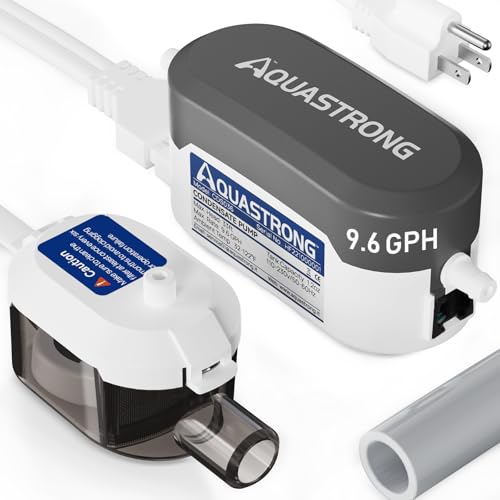
Standard-efficiency furnaces typically vent through a metal flue, often sharing a chimney. High-efficiency models vent through PVC and need a condensate line routed to a drain or pump. Where gravity drainage isn't possible, a condensate pump solves the problem. Incorrect venting is a safety issue, so this step should be handled strictly by a licensed technician.
Electrical and Gas Connections
Most residential furnaces run on 120V for controls and blower, but some configurations use 240V. Gas lines must be sized correctly and leak-tested. If you are uncertain about your panel's capacity, review the licensed HVAC contractor guidance before scheduling work — a qualified electrician or HVAC technician should confirm the circuit arrangement.
Choosing an Installer
Request at least two or three written proposals, each including the load calculation, equipment model numbers, scope of ductwork changes, permit handling, and warranty terms. The questions to ask an installer checklist is a practical way to compare proposals side by side. Local installer availability can be checked through HVAC local services and HVAC quotes requests.
Maintenance Planning for Long-Term Reliability
A split furnace is a long-term investment, and routine care is what protects that investment. The tasks below fall into two categories: what a homeowner can safely do, and what belongs to a technician.
Homeowner Tasks
- Replace or clean the air filter every one to three months, more often during heavy use or in dusty environments.
- Keep supply and return registers unobstructed by furniture, rugs, or storage.
- Clear the area around the furnace of flammable materials and stored items.
- Schedule a professional tune-up before each heating season.
Technician Tasks
- Inspect and clean the heat exchanger for cracks or corrosion.
- Check gas pressure, burner flame pattern, and ignition sequence.
- Measure temperature rise across the furnace and verify it matches the rating plate.
- Lubricate moving parts, test safety controls, and inspect the flue or vent path.
- Verify condensate drainage on condensing models.
A well-maintained furnace typically lasts 15 to 20 years. Annual servicing is also a warranty condition for many manufacturers, so skipping tune-ups can void coverage. A broader checklist is available in the HVAC system maintenance guide and the tips and maintenance section.
Common Split Furnace Issues and What They Signal
Recognizing early symptoms helps you decide whether a call to a technician is routine or urgent.
- Furnace runs but no heat: Often a pilot or igniter issue, a tripped flame sensor, or a gas supply problem. Stop and call a professional — do not attempt burner repairs yourself.
- Frequent on-off cycling: Usually points to an oversized unit, a restrictive filter, or a thermostat placement issue.
- Weak airflow from registers: Check the filter first; if the filter is clean, duct leakage or a failing blower motor may be involved.
- Unusual smells: A burning smell on first start-up each season is often dust burning off. Persistent or acrid odors require immediate attention.
- Water near the furnace: On condensing models, a clogged condensate line is a likely culprit. See furnace dripping water for a closer look at drainage issues.
If your furnace and air conditioner are both struggling at once, the problem may lie in shared ductwork or the blower rather than either unit individually. The AC not blowing cold air troubleshooting guide covers the cooling-side symptoms that often accompany furnace airflow problems.
Repair or Replace? Decision Framework
When a split furnace fails, the replacement-versus-repair question usually comes down to age, repair frequency, and safety. Consider replacement when the unit is in its later years and facing a major repair such as a failed heat exchanger, a cracked combustion chamber, or a blower motor replacement. Also weigh whether the existing system's efficiency has fallen behind current standards — a well-specified replacement can reduce energy use year over year and may qualify for incentive programs.
If the outdoor condenser is still in good condition, a furnace-only replacement is often practical, provided capacity and refrigerant compatibility match. Your contractor should confirm the match rather than assume it. For homes with older ductwork, the replacement visit is also the right moment to assess ductwork upgrades or sealing.
Ready to Compare Split Furnace Options?
Browse the recommended split furnace models below, or start a quote request with a licensed local installer to get a load calculation and a written proposal.
EXPLORE INSTALLER OPTIONS