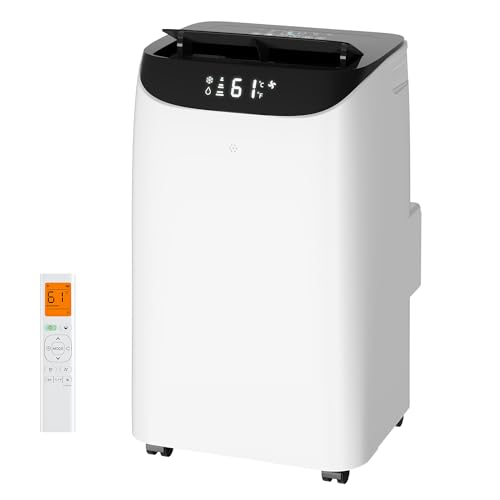
Standing Air Conditioning Unit: The Complete Guide
Everything you need to know about floor-standing and portable air conditioning units — from sizing and features to maintenance and top-tier recommendations for your space.
START LEARNINGAC Units Guide Philosophy: A standing air conditioning unit offers flexibility and powerful cooling without complex installation. This guide helps you understand your options so you can make a confident, informed decision before you buy.
What Is a Standing Air Conditioning Unit?
A standing air conditioning unit — also known as a floor-standing AC, tower AC, or portable air conditioner — is a self-contained cooling system that sits on the floor and delivers cool air directly into a room. Unlike central systems or wall-mounted mini-splits, these units require no permanent installation, making them an excellent choice for renters, temporary spaces, and rooms without existing ductwork.
Standing units are available in several configurations. Stand-alone air conditioner units are fully self-contained and easy to move. Spot coolers are designed for targeted cooling in commercial or industrial settings. And tower air conditioners offer a sleek vertical form factor that saves floor space while delivering impressive airflow.
If you are exploring broader options, our guide to stand-up air conditioners covers the full spectrum of upright cooling solutions. For those who prefer a permanent floor-mounted solution, floor mounted AC systems provide a more integrated approach.
How Standing AC Units Work
Most standing air conditioning units operate on the same refrigeration cycle as other AC types. They draw in warm room air, pass it over evaporator coils filled with refrigerant, and blow cooled air back into the room. The absorbed heat is expelled through an exhaust hose or vented outside.
Single-Hose vs. Dual-Hose Systems
Single-Hose Units
Simpler and lighter, these units use one exhaust hose to vent hot air. They are generally entry-level and work well in smaller rooms where portability is a priority.
Dual-Hose Units
These use two hoses — one for intake and one for exhaust — creating balanced air pressure. Dual-hose models are typically mid-range or premium and deliver more efficient cooling.
Ventless / Evaporative
Some standing units use evaporative cooling rather than refrigerant. These are often called swamp cooler air conditioners and work best in dry climates.
For spaces where window venting is not possible, consider a stand-alone air conditioner without window vent, which uses alternative venting methods. If you need a unit that integrates into a wall opening, a through-the-wall AC may be a better fit.
Types of Standing Air Conditioners
Understanding the different types helps you match the unit to your room, climate, and lifestyle. Here are the main categories:
Portable Floor Units
The most common type. These wheeled units can be moved from room to room and vent through a window kit. Explore stand-alone portable air conditioning units for a deep dive.
Tower AC Units
Slim, vertical designs that fit into tight corners. Tower air conditioners deliver wide airflow coverage and often include oscillating louvers.
Commercial Spot Coolers
Heavy-duty units for server rooms, events, and industrial spaces. Temporary commercial air conditioning units are designed for high-demand environments.
Thermoelectric Units
Compact, solid-state coolers with no refrigerant. A thermoelectric air conditioner is ideal for small personal spaces and quiet operation.
Comparison at a Glance
| Type | Best For | Cooling Power | Portability | Tier |
|---|---|---|---|---|
| Portable Floor Unit | Bedrooms, home offices, renters | Moderate | High | Entry-level to mid-range |
| Tower AC | Living rooms, modern interiors | Moderate to High | Medium | Mid-range to premium |
| Dual-Hose Portable | Larger rooms, open-plan spaces | High | Medium | Mid-range to high-end |
| Spot Cooler | Commercial, industrial, events | Very High | Low | Professional-grade |
| Thermoelectric | Small personal spaces | Low | High | Essential tier |
How to Choose the Right Size
Sizing is the most important factor in ensuring comfortable cooling. An undersized unit will struggle to cool the room, while an oversized unit will cycle on and off too frequently, leading to uneven temperatures and excess energy use.
BTU Guidelines for Standing Units
| Room Size (sq ft) | Recommended BTU | Typical Application |
|---|---|---|
| Up to 150 | 5,000 – 6,000 | Bedroom, small office |
| 150 – 250 | 8,000 – 10,000 | Medium bedroom, study |
| 250 – 400 | 12,000 – 14,000 | Living room, master bedroom |
| 400 – 600 | 18,000 – 24,000 | Large living area, open plan |
| 600+ | 24,000+ | Commercial, multi-room |
Key Features to Look For
Modern standing air conditioning units come with a range of features. Here are the ones that matter most:
Energy Efficiency (SEER)
A higher SEER rating means more efficient cooling. Learn what a SEER rating is and how it affects long-term energy use.
Inverter Technology
Inverter compressors adjust speed continuously for stable temperatures and quieter operation. Explore inverter AC technology.
Noise Level
Measured in decibels, lower is better for bedrooms. Check our list of the quietest portable air conditioners.
Smart Controls
Wi-Fi and app control let you adjust settings remotely. See AC with Wi-Fi and smart control options.
Dehumidification
Many standing units double as dehumidifiers, improving comfort in humid climates. Look for units with adjustable humidity settings.
Self-Evaporating System
Reduces the need to manually drain water. Some units evaporate condensate automatically for hassle-free operation.
Standing AC Tiers: Finding Your Fit
Not every user needs the same level of performance. To help you navigate the market, we have categorized standing air conditioning units into three universal tiers. This classification reflects relative position, features, and build quality — without referencing specific figures or currencies.
Entry-Level Units
- Single-hose venting
- Mechanical or basic digital controls
- Standard cooling modes
- Lightweight and highly portable
- Best for occasional use in small rooms
Mid-Range Units
- Dual-hose or improved single-hose design
- Digital thermostat with remote control
- Multiple modes: cool, fan, dry, auto
- Better insulation and quieter operation
- Good value for its tier, suitable for daily use
Premium Units
- Inverter-driven compressor
- Wi-Fi and app-based smart controls
- Advanced filtration and air purification
- Self-cleaning and self-evaporating features
- Heavy-duty construction, long-term investment
For those seeking the most energy-conscious options, our guide to the most efficient portable air conditioner highlights top performers in efficiency. If you need a unit that works without any venting, see top-rated portable air conditioner without hose.
Installation and Placement Tips
Standing air conditioning units are among the easiest cooling systems to set up. Most require only a nearby power outlet and a window or vent for exhaust. Here is what to consider:
- Placement: Position the unit near a window or exterior wall for efficient exhaust. Ensure at least 12–18 inches of clearance around the unit for proper airflow.
- Venting: Use the included window kit to seal the exhaust hose. Poorly sealed windows reduce cooling efficiency and let warm air back in.
- Power: Standing units typically run on standard household voltage. Check the amperage requirements and avoid overloading circuits. Our guide to 110V vs 240V air conditioner explains voltage considerations.
- Drainage: Most units collect condensate. Some evaporate it automatically; others require manual draining. Plan for easy access to the drain port.
- Level surface: Place the unit on a flat, stable surface to minimize vibration and noise.
If you are comparing installation approaches, our article on ductless vs ducted AC provides useful context. For permanent floor-mounted solutions, explore floor mounted AC systems.
Maintenance for Long-Term Performance
Regular maintenance keeps your standing unit running efficiently and extends its lifespan. Follow these simple steps:
- Clean or replace filters every two to four weeks during heavy use. A clogged filter reduces airflow and strains the compressor. See how to clean an AC filter.
- Empty the drain tank regularly if your unit does not self-evaporate.
- Inspect the exhaust hose for kinks, tears, or blockages.
- Clean the exterior with a soft, damp cloth. Avoid harsh chemicals.
- Store properly during off-season: drain all water, clean the filter, and cover the unit to prevent dust buildup.
For a comprehensive seasonal checklist, refer to our seasonal AC checklist. If you notice unusual noises or reduced cooling, consult our guides on AC making noise and AC not cooling.
Common Use Cases for Standing AC Units
Standing air conditioners shine in situations where traditional cooling systems are impractical:
Renters and Temporary Spaces
No permanent installation means no landlord approval needed. Ideal for apartments and leased homes.
Homes Without Ductwork
Older homes and additions often lack ducts. A standing unit provides cooling without invasive construction.
Home Offices and Bedrooms
Targeted cooling for rooms that central systems do not reach effectively.
Garages and Workshops
Portable units can be wheeled into workspaces as needed. See our garage AC guide.
Events and Commercial Spaces
Temporary commercial units provide rapid cooling for tents, events, and server rooms.
Server Rooms and IT Closets
Spot coolers keep sensitive equipment within safe operating temperatures. Read our server room AC guide.
Frequently Asked Questions
How long can a standing air conditioning unit run continuously?
Most quality standing units are designed for continuous operation, though it is wise to give them periodic rest during extended use. Follow the manufacturer's guidelines for duty cycles and ensure proper ventilation around the unit to prevent overheating.
Do I need to vent a standing air conditioner?
Yes, most refrigerant-based standing units require venting through a window or wall. However, evaporative units and certain stand-alone air conditioner without window vent models use alternative methods. Always check the product specifications.
Can a standing AC cool an entire house?
No, standing units are designed for single rooms or defined zones. For whole-home cooling, consider a central air conditioning system or a ductless mini-split AC with multiple indoor heads.
How often should I drain the water tank?
In humid conditions, you may need to drain the tank daily. Units with self-evaporating technology reduce this frequency. Check the water level indicator regularly and never let the tank overflow.
Are standing AC units noisy?
Noise levels vary by model and tier. Entry-level units typically produce more noise, while premium inverter units operate quietly. For a restful environment, look for units rated below 50 dB. See our list of quietest portable air conditioners.
What is the difference between a standing AC and a portable AC?
The terms are often used interchangeably. A standing air conditioner typically refers to any upright unit, while stand-alone portable air conditioning units emphasize mobility. Both cool a single room and vent through a window or wall.
How do I choose between a tower AC and a traditional portable unit?
Choose a tower air conditioner if you want a slim footprint and modern aesthetics. Choose a traditional portable if you need maximum portability and easy storage. Both are effective; the decision comes down to space and design preference.
Can I use a standing AC in a room without windows?
Refrigerant-based units require exhaust venting, so a window or wall opening is necessary. For rooms without windows, consider a thermoelectric air conditioner for home or a swamp cooler if the climate is dry.