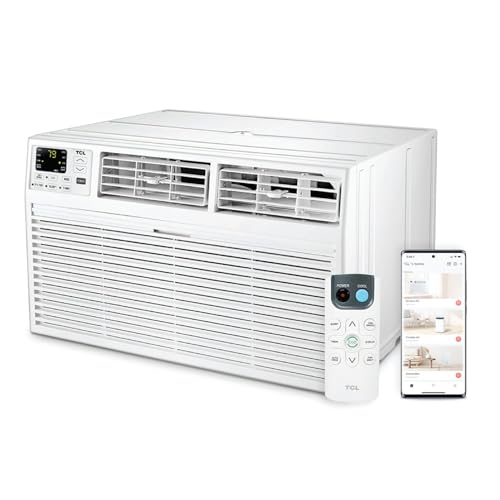
26 x 16 Through the Wall Air Conditioner
Your complete reference for sleeve size, BTU matching, installation planning, efficiency, and choosing the right through the wall unit for a 26 by 16 inch wall opening.
START WITH SIZINGWhy the 26 x 16 size matters: The 26 x 16 figure is a wall sleeve dimension, not a cooling capacity. It tells you which chassis will physically fit into your existing wall opening. Before you compare BTU ratings, SEER values, or smart features, confirm that the unit is designed for a 26-inch wide, 16-inch high sleeve. This single check prevents the most common ordering mistake in through the wall replacements.
What a 26 x 16 Through the Wall Air Conditioner Actually Is
A through the wall air conditioner is a self-contained cooling unit installed permanently into an exterior wall. The 26 x 16 designation refers to the nominal opening of the wall sleeve in inches — approximately 26 inches wide and 16 inches high. The condensing section sits outside the wall line, the evaporator section faces the room, and the chassis slides into the sleeve for service or replacement.
This format differs from a window unit in one important way: the installation is fixed. There is no seasonal removal, no window sash to work around, and no gap that opens and closes with the seasons. For homeowners replacing an existing wall sleeve unit, the 26 x 16 size is the anchor point for every other decision — capacity, voltage, features, and even the brand shortlist.
Sizing the Unit to Your Room and Your Sleeve
Two sizing questions run in parallel when you shop for a 26 x 16 through the wall unit. The first is physical: will the chassis fit the sleeve? The second is thermal: will the cooling output match the room? Both must be answered before you commit.
Physical Fit: Sleeve and Chassis Dimensions
Measure the existing sleeve opening width and height, then measure the depth from the interior wall face to the exterior wall face. Manufacturers publish chassis dimensions and required sleeve depth for each model. A 26 x 16 opening is a common nominal size, but actual tolerances vary by brand, so verify the model-specific fitment chart rather than relying on the nominal number alone.
If you are installing a new sleeve rather than replacing an existing one, the opening is cut and framed to the manufacturer's rough-in specification. That work is best planned with a qualified installer, since the exterior wall structure, flashing, and weather sealing all need to be handled correctly.
Cooling Capacity: Matching BTU to the Room
Cooling capacity should be based on a room load estimate that accounts for floor area, ceiling height, insulation quality, window area, sun exposure, and occupancy. A unit that is oversized will cycle on and off too quickly, which reduces dehumidification and puts extra wear on the compressor. A unit that is undersized will run continuously and struggle during peak heat.
For a structured approach to capacity selection, see the guide on through the wall AC systems, which explains how wall-mounted units differ from other formats in load behavior. If you are comparing against other sleeve dimensions in the same family, the 26 x 17 through the wall air conditioner and the 26 x 18 through the wall air conditioner pages cover how one inch of height changes model availability.
| Sleeve / Model Category | Typical Room Context | What to Verify | Best For |
|---|---|---|---|
| Entry-level 26 x 16 chassis | Small bedrooms, home offices, studio apartments | Sleeve depth, voltage, cord length | Straightforward replacements in standard sleeves |
| Mid-range 26 x 16 chassis | Living rooms, larger bedrooms, light commercial rooms | BTU rating, EER, fan speed options | Balanced efficiency and feature set |
| Premium 26 x 16 chassis | Primary living spaces, offices requiring quiet operation | Sound level, inverter or variable-speed operation | Low-noise, high-comfort installations |
| Heat pump / heater combo | Year-round climate control in one wall opening | Heating capacity, defrost behavior, thermostat compatibility | Spaces needing both cooling and heating |
Features That Matter in a 26 x 16 Through the Wall Unit
Once fit and capacity are settled, the feature set determines daily comfort and long-term reliability. The categories below are organized by tier descriptor rather than any numeric figure, so the comparison stays useful regardless of when you read it.
Compressor Technology
Entry-level models typically use single-stage compressors that run at full output or shut off. Mid-range and premium models increasingly use inverter or variable-speed compressors, which modulate output smoothly, hold room temperature more steadily, and reduce cycling wear.
Efficiency Rating
EER and SEER ratings indicate how much cooling is delivered per unit of electricity. Higher-tier units generally carry stronger efficiency ratings, which matters most in rooms that run for long daily hours. Match the efficiency tier to how intensively the unit will be used.
Noise Level
Because a through the wall unit shares a wall with the room, sound output is a practical concern. Premium tiers typically publish lower decibel figures and use better vibration isolation. If the room is a bedroom or office, prioritize a low-noise model in a higher tier.
Dehumidification
Humidity control is often more important than raw cooling in humid climates. Models with dedicated dry modes or adjustable fan speeds in low settings provide better moisture removal. This is especially relevant for basement and coastal installations.
Heating Options
Some 26 x 16 units are cooling-only, while others include electric heat strips or a heat pump cycle. A heat pump model is the more efficient heating option in moderate climates, while electric resistance heat is simpler and works in colder conditions.
Controls and Connectivity
Basic tiers offer mechanical or simple electronic controls. Higher tiers add programmable thermostats, remote controls, and Wi-Fi connectivity for scheduling and remote adjustment. For rental properties, simpler controls often reduce support calls.
If efficiency is the deciding factor for your project, the roundup of the top-rated through the wall air conditioner options provides a comparative view across tiers. For installations that need both cooling and heating in the same sleeve, the through the wall air conditioner heater combo guide explains how combination units are specified.
Installation and Replacement Planning
There are two distinct installation scenarios for a 26 x 16 unit: a like-for-like chassis replacement in an existing sleeve, and a new sleeve installation through an exterior wall. The planning effort and the level of professional involvement differ significantly between them.
Scenario 1: Replacing an Existing Chassis
If the wall sleeve is already in place and sound, replacement is usually a matter of removing the old chassis, inspecting the sleeve for corrosion or damage, cleaning the sleeve interior, and sliding in the new unit. The critical checks are chassis dimensions, voltage and circuit rating, and the plug type. A unit that fits the sleeve but draws more current than the existing circuit can supply will require electrical work.
Detailed replacement guidance, including sleeve inspection points and common pitfalls, is covered in the through the wall air conditioner replacement reference. If you plan to hire the work out, the through the wall air conditioner installers page outlines what to ask and what to expect.
Scenario 2: New Sleeve Through an Exterior Wall
A new installation involves cutting the wall, framing the opening, installing the sleeve with correct slope for drainage, sealing the exterior with flashing and caulk, and connecting the electrical circuit. This is structural and weatherproofing work, and it should be handled by a qualified installer or contractor.
- Confirm the rough-in opening. The manufacturer specifies a rough-in dimension larger than the sleeve itself; the wall opening is cut to that figure, not to the 26 x 16 sleeve size.
- Check the electrical circuit. Verify voltage, amperage, and breaker size against the unit's nameplate. Dedicated circuits are common for larger-capacity units.
- Set the sleeve with proper slope. The sleeve must slope slightly toward the exterior so condensate drains correctly and does not pool inside the wall cavity.
- Flash and seal the exterior. Water intrusion around a wall opening is the main long-term risk; flashing, caulk, and trim must be done correctly.
- Install and secure the chassis. Follow the manufacturer's instructions for securing the chassis in the sleeve and for sealing the interior trim.
Voltage, Efficiency, and Long-Term Operation
The 26 x 16 form factor is available in both 115-volt and 230-volt configurations. Smaller-capacity units are typically 115-volt and can share a standard circuit, while larger-capacity units generally require a 230-volt dedicated circuit. The voltage requirement is determined by the model, not by the sleeve size, so confirm it during the shortlist stage.
For projects where the electrical supply is a constraint, the through the wall air conditioner 110 volt overview explains what is realistic on a standard household circuit. Conversely, if the room load calls for higher capacity, the through the wall air conditioner 240 volt page covers the dedicated-circuit approach.
Efficiency deserves attention because a through the wall unit is a long-term fixture. Higher-tier models with inverter compressors and stronger EER ratings tend to hold comfort more steadily and reduce cycling, which supports the case for treating the purchase as a long-term investment rather than a one-season stopgap. If the unit will run for many hours per day in a hot climate, the higher efficiency tier is usually the better long-term choice within its class.
Additional efficiency context is available in the through the wall inverter air conditioner guide, which explains how variable-speed operation changes both comfort and electricity use.
Buying Checklist for a 26 x 16 Unit
Before you order, run through the following checklist. Each item maps to a specification you will find on the product page or in the installation manual.
- Sleeve dimensions verified: actual opening width, height, and depth measured, not assumed from the nominal 26 x 16 label.
- Chassis fitment confirmed: model-specific dimensions checked against the sleeve, including any required clearance.
- BTU rating matched to room load: based on area, ceiling height, insulation, sun exposure, and occupancy.
- Voltage and circuit confirmed: nameplate rating, breaker size, and receptacle type checked against the existing supply.
- Efficiency tier selected: EER or SEER rating compared within the shortlist, with usage hours in mind.
- Noise level reviewed: decibel figures compared if the room is a bedroom or workspace.
- Heating needs assessed: cooling-only, electric heat, or heat pump chosen based on climate and year-round use.
- Controls and connectivity checked: mechanical controls, programmable thermostat, remote, or Wi-Fi selected to match how the room is used.
If the existing installation is part of a larger wall-mounted system, the through the wall air conditioning units overview and the through wall heating and air conditioning units page provide additional context on how these units fit into whole-room and multi-room setups.
Maintenance That Keeps a 26 x 16 Unit Performing
A through the wall unit is exposed to exterior conditions year-round, which makes routine maintenance more important than for a seasonal window unit. The core tasks are straightforward and do not require special tools.
- Clean or replace the air filter monthly during heavy use. A clogged filter reduces airflow, lowers effective cooling, and strains the compressor.
- Inspect the sleeve and exterior grille seasonally. Check for debris, insect nests, and corrosion that could block airflow or trap moisture.
- Keep the condensate drain path clear. The sleeve slope should carry water outward; standing water inside the wall is a warning sign.
- Clean the outdoor coil annually. Dust, pollen, and cottonwood accumulate on the exterior coil and reduce heat rejection.
- Check the seal around the interior trim. A loose seal lets conditioned air escape and outdoor air enter, undermining efficiency.
For a broader wall-mounted maintenance routine, including coil cleaning and seasonal checks, the through the wall air conditioning units guide covers the same tasks in more detail. If the unit is not cooling as expected despite clean filters, the AC not blowing cold air troubleshooting reference walks through the common causes in order of likelihood.
Ready to Compare 26 x 16 Models?
Review the recommended through the wall air conditioners below, filtered for the 26 x 16 sleeve format. Check sleeve fit, BTU rating, voltage, and efficiency tier side by side before choosing.
VIEW RECOMMENDED MODELSFrequently Asked Questions
What does a 26 x 16 through the wall air conditioner size actually measure?
The 26 x 16 figure refers to the wall sleeve opening dimensions in inches — roughly 26 inches wide and 16 inches high. The chassis slides into this sleeve, so matching the sleeve size is the single most important compatibility check when replacing an existing unit.
Can I replace an old 26 x 16 unit with a larger model?
Only if the chassis still fits the existing sleeve. Many 26 x 16 sleeves accept units with slightly different chassis depths and BTU ratings, but a wider or taller chassis will require wall modification. Always confirm the sleeve opening and chassis dimensions before ordering.
Is a 26 x 16 through the wall AC more efficient than a window unit?
Generally yes in terms of installation quality. A through the wall unit is permanently sealed into the wall, which reduces air leakage around the chassis. This makes it easier to maintain a consistent seal than a window unit that is removed seasonally.
How many BTUs do I need for a 26 x 16 wall sleeve air conditioner?
BTU needs depend on room size, ceiling height, insulation, sun exposure, and occupancy — not on the sleeve size. A 26 x 16 sleeve can house units ranging from smaller capacities up to higher-capacity models, so choose the BTU rating based on a proper room load calculation.
Do 26 x 16 through the wall units require professional installation?
Replacing an existing chassis in a matching sleeve is often a straightforward swap. Installing a new sleeve through an exterior wall involves cutting, framing, and sealing, which is best handled by a qualified installer to protect structural integrity and weather sealing.
Final Thought
A 26 x 16 through the wall air conditioner is a fixed installation, so the decision has more staying power than a portable or window purchase. Verify the sleeve fit first, size the capacity to the room second, and then choose the feature tier that matches how the room is actually used. When those three steps are done in order, the unit you select will deliver steady comfort for years rather than creating a second round of replacement work.
For a wider view of wall-mounted cooling options, including units with heat pumps, dehumidifiers, and Wi-Fi controls, browse the related guides linked throughout this page. Each one focuses on a specific configuration within the 26 x 16 family so you can compare precisely the feature that matters to your project.