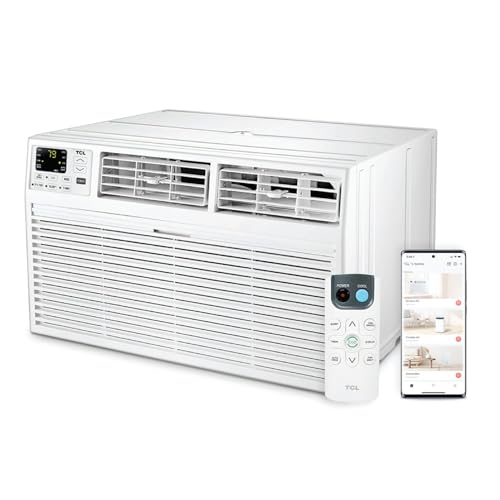
What Is a Through the Wall Air Conditioner Heater Combo?
A through the wall air conditioner heater combo is a single, permanently installed unit that delivers both cooling and heating from one chassis. Unlike a window air conditioner that sits in a window opening, a through the wall combo is mounted inside a wall sleeve that passes through an exterior wall. This frees up the window, improves security, and creates a cleaner look.
The heating side can take one of two forms: an electric resistance heater (often called a strip heater) or a reverse-cycle heat pump. Many buyers searching for a through the wall heat and air conditioning unit are really looking for this dual-purpose category, because it replaces two separate appliances with one.
These units are common in apartments, hotel rooms, motels, senior housing, and older homes that lack ductwork. The commercial version is often called a PTAC (packaged terminal air conditioner). The residential version is usually described as a through the wall air conditioning unit with heating capability.
Quick definition: A through the wall AC heater combo is a wall-sleeve-mounted packaged unit that cools in summer and heats in winter. It is a permanent installation, not a portable or window-mounted appliance.
How Through the Wall AC Heater Combos Work
The cooling side works like any air conditioner: refrigerant circulates through an evaporator coil indoors and a condenser coil outdoors, moving heat from inside the room to the outside air. The heating side depends on the model:
- Electric resistance heat: A heating element warms air as it passes through the indoor section. This is simple and reliable, but it uses more electricity per unit of heat delivered.
- Heat pump: The refrigeration cycle is reversed so the unit extracts heat from outdoor air and releases it indoors. This is far more efficient in mild to moderate climates and is the preferred choice when efficiency matters.
Both styles share the same wall sleeve, electrical connection, and indoor control panel. The unit is designed to slide into the sleeve for service or replacement, which is a major advantage over window units when it comes to long-term maintenance. If you are comparing this category with other permanent options, our guide to through the wall air conditioners with heat pumps explains the heat pump variant in more detail.
Types: Electric Heat vs Heat Pump Combos
Choosing between electric heat and a heat pump is the single most important decision in this category. The right choice depends on your climate, your electrical setup, and how much you plan to use the heating function.
| Feature | Electric Resistance Heater | Heat Pump Combo |
|---|---|---|
| Heating efficiency | Lower; converts electricity directly to heat | Higher; moves heat rather than generating it |
| Cold-climate performance | Consistent in very cold weather | Efficiency drops as outdoor temperature falls |
| Typical use case | Mild winters, backup heat, simple setups | Moderate climates, year-round efficiency focus |
| Complexity | Simpler internals, fewer components | More complex; reversing valve and controls |
| Market tier | Entry-level to mid-range | Mid-range to premium |
If your winters are mild and you mainly need occasional heat, an electric heater combo is a solid, straightforward choice. If you heat frequently and want lower energy use over time, a heat pump model is the better long-term investment. You can explore the full range of through the wall heating and cooling units to compare both styles side by side.
Sizing and BTU Guide
Correct sizing is critical. An undersized unit runs constantly and never reaches the set temperature. An oversized unit cools too quickly, cycles on and off, and leaves the room humid and uncomfortable. The same logic applies to heating capacity, which is rated separately from cooling capacity.
| Room Size | Cooling Capacity (BTU) | Typical Use |
|---|---|---|
| Up to 150 sq ft | 5,000 – 6,000 BTU | Bedroom, office, small studio |
| 150 – 250 sq ft | 8,000 – 10,000 BTU | Medium bedroom, living area |
| 250 – 400 sq ft | 12,000 – 14,000 BTU | Large bedroom, open living room |
| 400 – 600 sq ft | 18,000 BTU | Studio apartment, large open space |
| 600 – 900 sq ft | 24,000 BTU and up | Multi-room or commercial space |
These figures assume standard ceiling height (about 8 feet), average insulation, and a typical climate. Adjust upward for south-facing rooms, large windows, kitchens, or rooms with poor insulation. Adjust downward for heavily shaded rooms or basements.
Also check the heating BTU rating, which is often listed separately and can be lower than the cooling rating. If you are replacing an existing unit, measure the wall sleeve opening and match the new unit to the same sleeve size. Our guides on 14,000 BTU through the wall units and 10,000 BTU through the wall units show how sizing plays out in practice.
Key Features to Compare
Once sizing is settled, compare features that affect daily comfort and long-term reliability:
- Inverter compressor: Varies speed continuously instead of cycling on and off. It holds temperature more steadily and is generally more efficient. See our guide to the through the wall inverter air conditioner for details.
- Remote and programmable controls: A 24-hour timer and remote control make it easier to manage comfort and energy use.
- Dehumidification mode: Useful in humid climates; removes moisture without overcooling. Compare models in our through the wall AC with dehumidifier guide.
- Wi-Fi and smart control: Lets you control the unit from a phone and integrate it with a smart home system. See the through the wall AC with Wi-Fi guide.
- Sleep mode and fan speeds: Small features that matter for bedroom installations.
- Washable filter and slide-out chassis: Makes routine maintenance much easier.
- Sleeve compatibility: If you are replacing an existing unit, confirm the sleeve brand and dimensions. Our through the wall AC replacement guide covers this in detail.
Feature tiers: Entry-level combos usually offer basic mechanical controls and single-speed fans. Mid-range models add remotes, timers, and better filtration. Premium and high-end tier models typically include inverter compressors, heat pump operation, Wi-Fi control, and quieter operation.
Installation Requirements
Installation is the part most buyers underestimate. A through the wall combo is a permanent structural modification, so plan carefully before purchasing.
- Wall sleeve: Most units require a compatible sleeve set into the wall. The sleeve must be level, properly flashed, and sealed against water and air intrusion.
- Electrical supply: Many models run on 115V, while larger units need 230V or 240V. Confirm the circuit and breaker capacity before buying. Our guide to 110-volt through the wall units and 240-volt through the wall units covers the differences.
- Wall opening dimensions: Common sleeve sizes include 26 x 16 inches, 26 x 17 inches, and 27 x 17 inches. Measure the existing opening precisely if you are replacing a unit.
- Drainage: Condensate must drain away from the wall. Some units use a drain kit; others splash condensate onto the condenser coil.
- Professional service: Because the work involves cutting an exterior wall and connecting electrical circuits, hire a qualified installer. Our guide to through the wall AC installers explains what to look for.
If you are weighing this category against other permanent options, the overview of through the wall AC systems is a useful starting point, and our comparison of through the wall heating and air conditioning units explains how the heating side changes the installation.
Efficiency and Energy Use
Efficiency in this category is measured on two fronts: cooling efficiency (SEER or SEER2) and heating efficiency (HSPF for heat pumps, or raw wattage for electric heaters). Higher ratings mean the unit uses less electricity to deliver the same comfort.
Practical efficiency advice:
- Choose a heat pump combo if you heat frequently in mild to moderate winters.
- Look for inverter-driven compressors; they are generally more efficient in the long run than single-speed models.
- Seal the sleeve and the surrounding wall opening thoroughly; air leaks waste more energy than most people realize.
- Use the programmable timer and setback schedules to avoid running the unit in empty rooms.
- Clean the filter regularly; a clogged filter forces the unit to work harder.
If efficiency is your top priority, compare these units with the broader category of through the wall AC with heat pump models, which are typically the most efficient heating option in this form factor.
Maintenance Tips
Routine maintenance keeps the unit running efficiently and extends its service life:
- Clean or replace the air filter every 2 to 4 weeks during heavy use. Most combos use a washable filter that can be rinsed and dried.
- Inspect the outdoor grille and coil each season. Remove leaves, dirt, and debris that block airflow.
- Check the sleeve seal for cracks or gaps that let in air and moisture.
- Schedule a professional service every year or two to clean the coils and check refrigerant levels.
- Test the heating function before the cold season starts, not when you first need it.
Pros and Cons of Through the Wall AC Heater Combos
| Pros | Cons |
|---|---|
| Two functions in one unit, year-round comfort | Permanent installation requires cutting an exterior wall |
| Frees up the window and improves security | Professional installation adds complexity |
| Cleaner look than a window unit | Limited portability; not suitable for renters who move often |
| Slide-out chassis makes service easier | Sleeve dimensions must match the unit |
| Heat pump models are efficient in moderate climates | Electric heater models use more electricity for heat |
| Well suited to apartments, hotels, and homes without ducts | Requires a dedicated electrical circuit in many cases |
Buying Checklist
Before you buy, work through this checklist to avoid the most common mistakes:
- Measure the room and calculate the cooling BTU you need. Do not guess.
- Decide on heating type: electric resistance or heat pump, based on your climate and how often you heat.
- Confirm the electrical supply: 115V or 230/240V, and whether a dedicated circuit is required.
- Measure the wall opening or existing sleeve and match it to the unit's required sleeve size.
- Check the heating BTU rating separately from the cooling rating.
- Compare features: inverter compressor, timer, remote, Wi-Fi, dehumidification, filter type.
- Plan for professional installation and ask the installer to confirm sleeve compatibility before delivery.
- Review the warranty and confirm that professional installation is required to keep it valid.
Compare Through the Wall AC Heater Combos
Browse recommended models by capacity, heating type, and feature set. Each listing shows the key specifications side by side so you can shortlist the right unit for your room.
View Recommended ModelsFrequently Asked Questions
What is a through the wall air conditioner heater combo?
It is a single unit installed permanently through an exterior wall that provides both cooling and heating. It combines an air conditioner and a heater in one chassis and sits inside a wall sleeve, so it does not block a window.
How does it differ from a window unit?
A window unit is temporary and sits in a window opening. A through the wall combo is permanent, mounts through the wall, frees up the window, and usually includes a heating function for year-round use.
What size do I need?
Match the cooling BTU to the room's square footage: roughly 5,000 to 6,000 BTU for up to 150 sq ft, 8,000 to 10,000 BTU for 150 to 250 sq ft, and 12,000 to 14,000 BTU for 250 to 400 sq ft. Check the heating BTU separately.
Do these units require professional installation?
Yes. Installation involves cutting an exterior wall, fitting a sleeve, sealing against moisture, and connecting electrical circuits. Professional installation protects both safety and the warranty.
Is a heat pump combo more efficient than an electric heater combo?
In mild to moderate climates, yes. A heat pump moves heat rather than generating it directly, so it delivers more heat per unit of electricity. In very cold weather, efficiency drops and electric resistance heat becomes more consistent.
Can I replace an old unit without changing the sleeve?
Often yes, if the new unit matches the existing sleeve brand and dimensions. Measure the sleeve opening carefully and confirm compatibility before ordering. Our replacement guide covers the details.