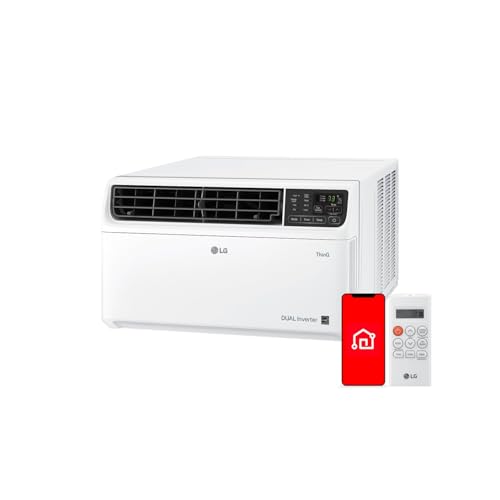
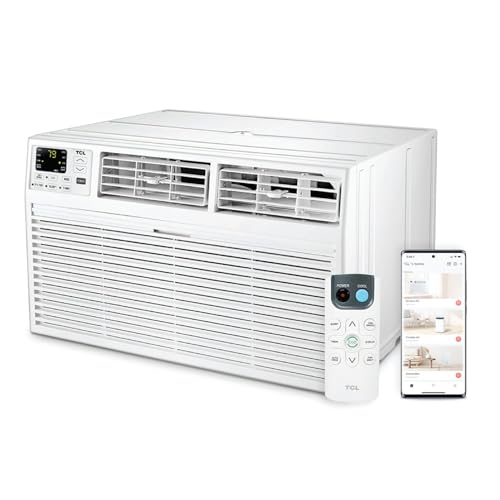
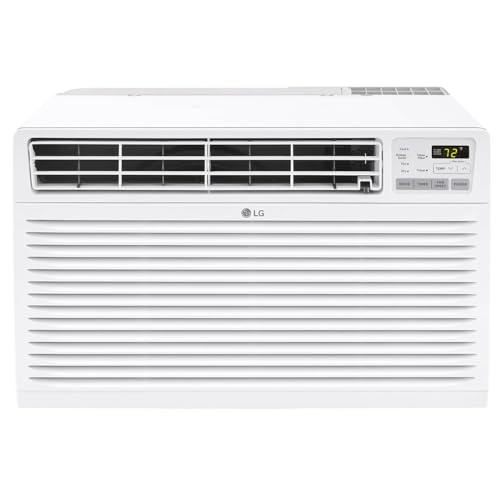
Through the Wall Inverter Air Conditioner: A Complete Guide
A through the wall inverter air conditioner combines the permanent, space-saving installation of a wall-sleeve unit with the smooth, efficient operation of inverter compressor technology. This guide explains how these units work, how to size one correctly, what to check before buying, and how to choose the right model for your room.
Why this page exists: If you have already narrowed your search to a through the wall inverter AC, you are likely comparing specific models, checking sleeve dimensions, and wondering whether inverter operation truly matters for a wall-mounted unit. This guide answers those questions so you can decide with confidence before visiting a retailer.
What Is a Through the Wall Inverter Air Conditioner?
A through the wall inverter air conditioner is a self-contained cooling unit installed permanently into a wall sleeve, usually through an exterior wall. Unlike a window unit that sits in a window opening, a through the wall model is recessed into the wall, freeing the window and improving security. The "inverter" part refers to the compressor: instead of switching on and off at full power, an inverter compressor varies its speed continuously to match the cooling demand.
This combination matters because wall-sleeve installations are often used in hotel rooms, apartments, offices, and older homes where ductwork is impractical. Adding inverter technology to that format delivers steadier temperatures, quieter operation, and better energy performance than a traditional fixed-speed wall unit. If you are still comparing formats, the broader overview of through the wall AC units is a useful starting point.
How Inverter Technology Works in a Wall-Sleeve Unit
Traditional through the wall air conditioners use a single-speed compressor that cycles on and off. When it runs, it runs at full capacity; when the room reaches the set temperature, it stops. This creates temperature swings and repeated startup noise. An inverter compressor instead adjusts its rotational speed in small increments. It runs longer but at lower output, which produces several practical benefits:
Steadier Temperature
Because the compressor modulates rather than cycling abruptly, room temperature stays closer to your set point without frequent swings.
Lower Startup Stress
Soft-start operation reduces the electrical surge associated with compressor restarts, which can extend component life.
Quieter Operation
Lower and more consistent compressor speeds typically translate into less abrupt noise compared with on/off cycling.
Better Part-Load Efficiency
Inverter units are generally most efficient during long, moderate-load runs, which suits bedrooms and living spaces used for hours at a time.
If you want a deeper explanation of the technology itself, the guide to inverter AC covers the compressor mechanics in more detail.
Through the Wall Inverter AC vs Other Formats
The table below compares the main formats buyers usually consider at this stage. It focuses on installation, efficiency behavior, and typical use cases rather than any numeric ratings.
| Format | Installation | Efficiency Behavior | Best For |
|---|---|---|---|
| Through the wall inverter AC | Permanent wall sleeve; exterior grille; typically 110V or 240V | Modulated compressor speed; strong part-load efficiency | Bedrooms, offices, hotel rooms, rooms without window access |
| Window inverter AC | Window opening; seasonal or semi-permanent | Modulated compressor speed; good efficiency | Renters and rooms with suitable windows |
| Ductless mini-split inverter AC | Wall-mounted indoor head plus outdoor condenser | Highest part-load efficiency among common formats | Whole-room or multi-zone comfort with minimal wall disruption |
| Portable inverter AC | Floor-standing with hose venting | Inverter available but limited by hose losses | Temporary or rental situations |
If window installation is possible in your space, comparing a window air conditioner against a wall-sleeve unit is worthwhile before committing to construction work. For rooms where wall space is limited, a ductless mini-split AC may offer higher efficiency but at a greater installation effort.
How to Size a Through the Wall Inverter AC
Correct sizing is the single most important decision after choosing the format. An undersized unit runs constantly and never quite reaches the set temperature. An oversized unit cools quickly but short-cycles, which undermines the efficiency advantages of inverter operation and leaves the room feeling clammy.
A common baseline is roughly 20 BTU per square foot of floor area, adjusted for real-world conditions. Use the following factors to refine that starting point:
- Ceiling height: Rooms above the standard height need proportionally more capacity.
- Sun exposure: West- and south-facing rooms with large windows need an upward adjustment.
- Insulation quality: Older or poorly insulated walls and attics increase the load.
- Occupancy: Rooms used by several people at once generate more heat.
- Appliances and electronics: Kitchens, home offices, and rooms with servers or TVs add internal heat gain.
For a structured calculation, the air conditioner sizing guide walks through the full method, and the BTU calculator by room size provides a quick reference. If you already know your target capacity, the specific pages for 14,000 BTU, 5,000 BTU, 10,000 BTU, and 18,000 BTU models can help you narrow the field.
Sleeve Dimensions and Electrical Compatibility
Because through the wall units are built around a sleeve, physical fit is non-negotiable. Before shopping, measure the existing sleeve opening precisely: width, height, and depth. Many units follow common sleeve standards, but variations exist. The pages on 26 x 16, 26 x 17, 26 x 18, 27 x 17, and 19 x 14 sleeve sizes cover the most common configurations.
Electrical compatibility is equally important. Wall-sleeve units are available in 110V and 240V configurations, and the circuit amperage must match the unit's requirements. If you are unsure which voltage applies to your setup, review the comparison of 110-volt and 240-volt models. A dedicated circuit is typical for higher-capacity units, and sharing a circuit with other appliances can cause nuisance tripping.
Replacing an Existing Through the Wall AC
Replacement is one of the most common reasons buyers land on this page. If an older fixed-speed unit is failing, an inverter replacement can deliver noticeably better comfort without changing the wall opening. The key steps are:
- Measure the existing sleeve and record the chassis dimensions of the old unit.
- Check the electrical circuit amperage and confirm the voltage.
- Confirm that the replacement unit's exterior grille and condensate handling match the sleeve design.
- Plan for proper support and sealing to prevent air and water infiltration.
The dedicated guide to through the wall air conditioner replacement covers the removal and reinstallation process in detail. If you are not comfortable working with the electrical connection or the sleeve seal, hiring a qualified installer is the safer route; the page on through the wall air conditioner installers explains what to look for.
Features Worth Prioritizing
Not every feature carries equal weight. The following are the ones that most affect day-to-day satisfaction with a wall-sleeve inverter unit:
- Heat pump capability: A heat pump model provides efficient heating in shoulder seasons, extending the unit's usefulness beyond summer. Combination units are covered in the heater combo guide.
- Dehumidification mode: A dedicated dry mode helps in humid climates; see the dehumidifier model guide.
- Wi-Fi and smart control: Useful for scheduling and remote adjustments; covered in the Wi-Fi model guide.
- Noise level: Inverter compressors are generally quieter, but fan design and chassis insulation still matter, especially in bedrooms.
- Filtration: Washable filters are standard; higher-grade filtration is a plus for allergy sufferers.
- Remote and thermostat control: A programmable remote or wall thermostat improves scheduling accuracy.
Understanding Market Tiers
Through the wall inverter units are available across several market tiers. Rather than focusing on any specific figure, it helps to understand what each tier generally emphasizes:
| Tier | Typical Emphasis | Best For |
|---|---|---|
| Entry-level | Core cooling, basic inverter operation, straightforward controls | Secondary rooms, rentals, budget-conscious replacements |
| Mid-range | Better fan design, improved filtration, heat pump or Wi-Fi options | Primary bedrooms, home offices, long-term installations |
| Premium | Quieter operation, advanced controls, robust build, broader feature set | Living areas, premium rentals, noise-sensitive spaces |
| Commercial-grade | Heavy-duty components, serviceability, extended duty cycles | Hotel rooms, offices, and high-usage installations |
Mid-range models generally offer a strong balance for most homes, while premium and commercial-grade units make more sense where noise, durability, or continuous operation matter most. The top-rated through the wall air conditioner roundup is a useful cross-reference once you have settled on a tier.
Installation and Maintenance Essentials
If a sleeve already exists and the electrical circuit is compatible, installing a replacement unit can be a manageable project for a confident homeowner. New wall cutouts, structural changes, or new electrical runs should be handled by a qualified technician. Regardless of who installs the unit, proper sealing around the sleeve is essential to prevent drafts, moisture intrusion, and efficiency losses.
Maintenance for a through the wall inverter AC is straightforward:
- Clean or replace the air filter every few weeks during heavy use.
- Keep the exterior grille clear of debris, leaves, and snow.
- Check the condensate drain path for blockages, especially in humid climates.
- Inspect the sleeve seal annually and re-caulk as needed.
- Schedule a professional coil cleaning every few seasons depending on usage.
The broader AC maintenance guide covers seasonal checklists, and if the unit stops cooling, the AC not cooling troubleshooting guide is a practical first stop.
Frequently Asked Questions
What is a through the wall inverter air conditioner?
It is a self-contained cooling unit installed permanently into a wall sleeve that uses an inverter compressor to vary its speed continuously. This improves temperature stability and part-load efficiency compared with fixed-speed wall units.
How is it different from a window AC?
A through the wall unit is recessed into the wall rather than resting in a window opening. It frees the window, is more secure, and often uses a dedicated exterior grille. Inverter technology adds smoother, more efficient operation.
What size do I need?
Start with roughly 20 BTU per square foot and adjust for ceiling height, sun exposure, insulation, and occupancy. Matching the unit to your existing sleeve dimensions is equally important.
Can I replace an old through the wall AC with an inverter model?
In many cases yes, provided the sleeve size, chassis dimensions, and electrical circuit are compatible. Measure the existing sleeve and confirm the voltage and amperage before buying.
Is professional installation required?
Replacing a unit in an existing compatible sleeve can often be a DIY task. New wall cutouts, new electrical runs, or structural modifications should be handled by a qualified HVAC technician or electrician.
Ready to Compare Models?
Once you have confirmed your sleeve dimensions, electrical requirements, and target capacity, the next step is comparing specific units. Our curated selection below highlights inverter through the wall models suited to different room sizes and feature needs.
View Recommended Models