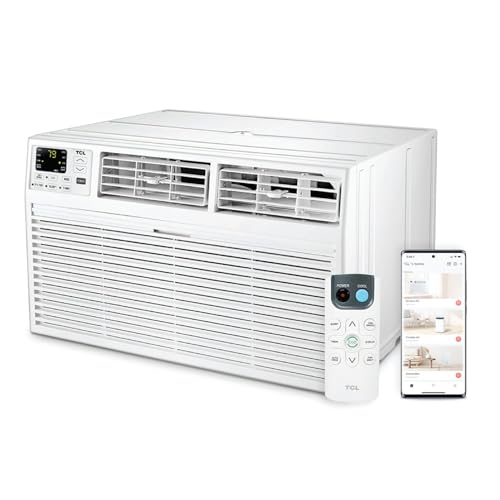
26 x 18 Through-the-Wall Air Conditioner: Complete Buying & Sizing Guide
Master the 26 x 18 wall sleeve format. Learn what this footprint really means, which BTU range fits your room, how to plan installation and electrical needs, and which tier of unit suits your long-term goals.
START THE GUIDEWhy the 26 x 18 footprint matters: Through-the-wall air conditioners are defined by their chassis and sleeve dimensions, not just their cooling output. A 26 x 18 unit is a specific wall-opening standard that lets you replace an existing unit or plan a new installation around a known, stable footprint. This guide explains how to choose the right capacity, voltage, and efficiency tier for that sleeve.
What a 26 x 18 Through-the-Wall AC Actually Is
The "26 x 18" in a through-the-wall air conditioner refers to the physical dimensions of the chassis and the wall sleeve it sits in — approximately 26 inches wide and 18 inches high. It is a footprint standard, not a capacity rating. Two units sharing the same 26 x 18 sleeve can differ dramatically in BTU output, compressor technology, and electrical requirements. That distinction is the single most important thing to understand before you shop.
Because the sleeve is installed permanently in the wall, the chassis is the part that slides in and out. That design is what makes through-the-wall units so practical for replacement: when the compressor reaches the end of its service life, you swap the chassis and keep the sleeve. It also means the wall opening is a long-term architectural decision — worth getting right the first time. If you are still comparing formats, the broader through-the-wall AC overview covers how these units differ from window and portable designs.
Compared with a window unit, a through-the-wall model is typically built with heavier-gauge cabinetry, better chassis insulation, and a more rigid mounting system. The result is usually quieter operation, a cleaner exterior appearance, and less vibration transferred into the wall structure. The trade-off is that installation is more involved and the wall opening must be prepared correctly.
Key takeaway
The 26 x 18 number tells you where it fits. The BTU rating tells you how much room it cools. The voltage and amperage tell you what circuit it needs. Evaluate all three together — never size a unit on footprint alone.
Typical BTU Capacities in the 26 x 18 Format
Most 26 x 18 through-the-wall chassis are offered in the mid-capacity band, with the majority of models sitting between roughly 8,000 BTU and 12,000 BTU. Some premium and commercial-grade lines extend up to about 14,000 BTU in the same footprint, using higher-capacity compressors and larger coils within the same cabinet envelope. That range is broad enough to cover a large bedroom, a living area, a home office, or a small studio — but not a whole house.
The practical rule of thumb for cooling capacity is roughly 20 BTU per square foot of floor area, adjusted for ceiling height, sun exposure, window area, and occupancy. A 26 x 18 unit in the 10,000–12,000 BTU range is typically well matched to a room in the 400–600 square foot band under average conditions. Rooms with west-facing glass, poor insulation, or high occupancy should be pushed toward the upper end of the capacity range or beyond it.
| Capacity Band | Typical Room Size | Best For | Typical Voltage |
|---|---|---|---|
| 8,000 – 9,000 BTU | Up to ~400 sq ft | Bedrooms, home offices, small studios | 115V |
| 10,000 – 12,000 BTU | ~400 – 600 sq ft | Living rooms, open-plan apartments, larger bedrooms | 115V or 230/240V |
| 13,000 – 14,000 BTU | ~600 – 750 sq ft | Large living areas, sun-exposed rooms, light commercial | 230/240V |
These figures are a starting point, not a specification. A proper load calculation accounts for envelope quality, window orientation, internal heat gain from people and equipment, and local climate. If you want a deeper walkthrough, the AC sizing guide and the BTU calculator by room size will help you refine the number before you commit.
Voltage, Amperage, and Circuit Planning
Voltage is the second decision most buyers underestimate. Smaller 26 x 18 units — typically the 8,000–9,000 BTU band — often run on 115V and can share a circuit if the existing load allows. Units at 10,000 BTU and above frequently require 230/240V, a dedicated circuit, and a breaker sized to the unit's nameplate amperage. Running a 240V unit on a 115V circuit is not possible, and running a high-amperage unit on an undersized circuit is a safety issue, not a convenience one.
Before ordering, confirm three things: the unit's voltage, its rated amperage, and the plug type on its power cord. Then match those to the existing outlet and breaker. If the wall does not already have the right circuit, a licensed electrician should run one — this is not a do-it-yourself task in most jurisdictions. Our guides on 110V vs 240V air conditioners and amps and breaker size explain the details, and the 240-volt through-the-wall guide covers the higher-voltage format specifically.
Pre-purchase electrical checklist
- Confirm the unit's voltage (115V vs 230/240V) against the existing circuit.
- Check the nameplate amperage and compare it with the breaker rating.
- Verify the plug type matches the outlet — some 240V units use a specific NEMA configuration.
- Measure the distance from the outlet to the sleeve; a short cord may force a new outlet location.
- If in doubt, have an electrician inspect the circuit before delivery, not after.
Efficiency: SEER2, EER2, and What They Mean for a Wall Unit
Efficiency ratings on through-the-wall units are expressed in SEER2 and EER2 under current DOE standards. SEER2 describes seasonal efficiency across a range of conditions, while EER2 describes efficiency at a single high-temperature test point — the latter is often the more telling number in hot climates where the unit runs near peak load for long stretches. Higher ratings mean less energy consumed per unit of cooling, which compounds over years of seasonal use.
For a 26 x 18 unit, efficiency varies widely by tier. Entry-level models tend to sit at the minimum compliant rating. Mid-range units add inverter compressors or improved coil designs and move meaningfully up the scale. Premium and high-end tier units combine higher SEER2 ratings with quieter fans, better chassis insulation, and more durable cabinetry. If the unit will run daily through a long cooling season, the efficiency gap between tiers is where the long-term investment case becomes clear — not in the purchase moment itself. The SEER rating explainer and the SEER vs SEER2 comparison go deeper.
ENERGY STAR certification is a useful filter but not a substitute for reading the actual rating. Two certified units can still differ by several SEER2 points. Compare the numbers directly, and check whether the model uses an inverter compressor — inverter operation is the single biggest efficiency differentiator in this category.
Installation and Replacement Realities
If you are replacing an existing 26 x 18 unit, the job is usually straightforward: confirm the sleeve dimensions, confirm the voltage and plug, and slide the new chassis in. The most common failure point in replacement is assuming the sleeve is standard when it is not. Sleeve brands and vintages differ slightly in depth, flange design, and mounting brackets, and some require a specific chassis adapter. Measure the actual sleeve opening — not the old unit's exterior — and note the sleeve brand if it is visible.
If you are installing a new through-the-wall unit where no sleeve exists, the work involves cutting the wall, framing the opening, installing the sleeve with proper flashing and drainage, sealing the exterior, and finishing the interior trim. That is a multi-trade job: carpentry, weatherproofing, electrical, and finish work. It is also the point where mistakes are most consequential, because a poorly flashed sleeve can let water into the wall cavity for years before it becomes visible.
For a new install, the through-the-wall AC installers guide covers what to ask a contractor and how to evaluate quotes. For replacement specifically, the through-the-wall AC replacement guide walks through the sleeve-matching process step by step. Placement matters too — the indoor and outdoor placement guide explains airflow and clearance requirements that apply to wall units as well.
Replacement vs new installation
Replacement: match the sleeve, confirm voltage and plug, check the chassis depth. Usually a same-day swap.
New installation: wall cutting, framing, sleeve flashing, exterior sealing, electrical, and interior finish. Plan for a contractor and a permit in most jurisdictions.
Features Worth Prioritizing in This Format
Through-the-wall units are often installed in spaces where the wall is the only available mounting surface — a finished basement, an interior room with an exterior wall, a commercial office, or a room where window space is needed for other purposes. That context shapes which features matter most.
- Quiet operation: chassis insulation and fan design matter more in a wall unit because the cabinet is coupled to the wall structure. Look for units with a stated sound level and a rigid, well-insulated chassis.
- Inverter compressor: smoother capacity modulation, steadier temperatures, and typically better efficiency than single-stage operation. See the through-the-wall inverter AC guide.
- Heat pump capability: if the room needs shoulder-season heating, a heat-pump version can replace a separate heater. The heat pump through-the-wall guide explains the trade-offs.
- Dehumidification: useful in humid climates and in basements. See the dehumidifier-equipped through-the-wall guide.
- Smart controls: Wi-Fi and app control are increasingly common and genuinely useful for scheduling and remote adjustment. See the Wi-Fi through-the-wall guide.
- Filtration and service access: a washable filter that slides out without removing the chassis makes routine maintenance realistic.
Not every feature is worth paying for in every room. A bedroom benefits most from quiet operation and steady temperature; a home office benefits from smart scheduling; a basement benefits from dehumidification. Match the feature set to the room, not to the spec sheet.
Quality Tiers in the 26 x 18 Category
This category spans a wide range of build quality, and the tier language below is a reliable way to compare units without anchoring to any specific figure. Use it to frame your shortlist.
| Tier | Typical Characteristics | Best For |
|---|---|---|
| Essential tier | Single-stage compressor, basic mechanical controls, standard cabinetry, minimum compliant efficiency | Occasional-use rooms, rentals, replacements where the sleeve is already in place |
| Balanced tier | Improved coil design, digital controls, better chassis insulation, mid-range SEER2 | Daily-use bedrooms and living areas where quiet operation matters |
| High-end tier | Inverter compressor, higher SEER2, reinforced cabinet, quieter fan, smart controls | Primary living spaces, long cooling seasons, homes where the unit runs most days |
| Commercial-grade | Heavy-duty chassis, serviceable components, extended-duty compressor, higher-capacity variants | Offices, retail spaces, light commercial rooms with continuous operation |
A useful way to think about tier: the difference between essential and balanced tier is mostly comfort and noise; the difference between balanced and high-end tier is mostly efficiency and long-term durability. If the unit will run every day for years, the higher tier is the more rational long-term investment. If it will run a few weeks a year, the essential tier is a solid choice for the category.
Maintenance That Extends Service Life
Through-the-wall units are exposed to exterior conditions year-round, which makes maintenance more consequential than it is for a window unit that gets removed each season. The filter is the first line of defense: a clogged filter forces the compressor to work harder and degrades efficiency. Clean or replace it monthly during the cooling season, or at minimum every few weeks in dusty environments.
The exterior coil needs periodic cleaning as well. Debris, pollen, and dust accumulate on the condenser fins and reduce heat rejection. A soft brush and a garden hose on low pressure are usually sufficient, with the unit powered off at the breaker. The interior evaporator coil should be inspected annually and cleaned professionally if it shows buildup. The condensate drain path — base pan, drain holes, and any drain kit — must stay clear, or water will back up and eventually find its way into the wall.
Off-season protection is often overlooked. A wall sleeve is a permanent opening, and in cold climates the chassis should either be removed and the sleeve covered, or a winter cover should be fitted to prevent drafts and heat loss. The seasonal AC checklist and the AC filter cleaning guide cover the routine in more detail.
Common Mistakes to Avoid
- Sizing by footprint alone. The 26 x 18 dimension says nothing about cooling capacity. Always calculate the BTU requirement for the room.
- Ignoring voltage. Ordering a 240V unit for a 115V outlet is the most common and most avoidable ordering error.
- Assuming every 26 x 18 sleeve is identical. Depth, flange, and mounting details vary by brand and vintage. Measure the actual opening.
- Buying an oversized unit. An oversized unit cools too fast, cycles too often, and leaves the room humid. Matching capacity to the load is better than adding margin.
- Skipping the permit. New through-the-wall installations usually require a permit and inspection. The AC permit guide explains the process.
- Neglecting drainage. A blocked condensate path damages the wall and the unit. Confirm the drain kit or drainage design before installation.
Frequently Asked Questions
What does a 26 x 18 through-the-wall air conditioner size mean?
The 26 x 18 measurement refers to the physical dimensions of the wall sleeve or chassis in inches: roughly 26 inches wide and 18 inches high. It describes the unit's wall opening footprint, not its cooling capacity. Two units with the same 26 x 18 footprint can have very different BTU ratings.
What BTU capacity is available in a 26 x 18 wall sleeve?
Most 26 x 18 through-the-wall chassis are offered in capacities from around 8,000 BTU up to 12,000 BTU, and some premium or commercial-grade lines extend into the 14,000 BTU range. The actual capacity depends on the specific model, compressor type, and electrical requirements.
Can I replace an old 26 x 18 unit with a modern one?
Yes. If your existing wall sleeve matches the 26 x 18 chassis standard, you can typically drop in a replacement unit of the same footprint. Always verify the sleeve brand and model, the electrical voltage, and the plug type before ordering, since some older sleeves require a specific chassis adapter.
Do I need a dedicated circuit for a 26 x 18 through-the-wall AC?
Higher-capacity 26 x 18 units, especially 240-volt models, typically require a dedicated circuit and breaker sized to the unit's nameplate amperage. Smaller 115-volt models may run on a shared circuit if the load allows, but a dedicated circuit is always the safer and more reliable choice.
Is a 26 x 18 through-the-wall AC more efficient than a window unit?
It can be. Through-the-wall units are often built with heavier-duty components and better insulation around the chassis, and premium lines offer higher SEER2 ratings. A properly sealed, high-efficiency 26 x 18 unit generally outperforms a loosely installed window unit in the same room.
Final Buying Checklist
Before you commit to a unit, run through this list. It covers the decisions that are hardest to reverse after the wall is opened or the order is placed.
- Measured the actual sleeve opening and confirmed it matches the 26 x 18 chassis standard.
- Calculated the room's BTU requirement and matched it to the capacity band.
- Confirmed the voltage, amperage, and plug type against the existing circuit.
- Decided whether an inverter compressor and heat pump are needed for the room.
- Checked the SEER2 and EER2 ratings directly rather than relying on certification labels alone.
- Confirmed the drainage path and whether a drain kit is included or required.
- Planned for a permit and a licensed installer if this is a new wall opening.
- Chosen a quality tier that matches how often the unit will actually run.
For related formats and capacity variants in the same family, see the 26 x 17 through-the-wall guide, the 26 x 16 guide, and the 27 x 17 guide. If you are comparing against the smaller sleeve format entirely, the 19 x 14 through-the-wall guide covers it. For broader buying context, the top-rated through-the-wall air conditioner roundup and the through-the-wall air conditioning units overview are useful next reads.