Two and a Half Ton Air Conditioning Unit: The Complete Buyer's Guide
Understand coverage, efficiency tiers, electrical requirements, and installation factors for a 30,000 BTU system—so you can choose the right configuration for your home.
Start LearningResearch-stage clarity: A two and a half ton air conditioning unit—equivalent to 30,000 BTU—is one of the most common sizes for mid-sized homes and dedicated zones. If you are comparing configurations, this guide explains what this capacity covers, how tiers differ, and what to verify before committing to a purchase.
What Is a Two and a Half Ton Air Conditioning Unit?
In HVAC terminology, one ton of cooling capacity equals 12,000 BTU per hour. A two and a half ton air conditioning unit therefore delivers 30,000 BTU per hour of cooling. This capacity is typically selected for whole-home systems in mid-sized residences or for large zones within a larger home, such as an open-plan living area plus adjoining rooms.
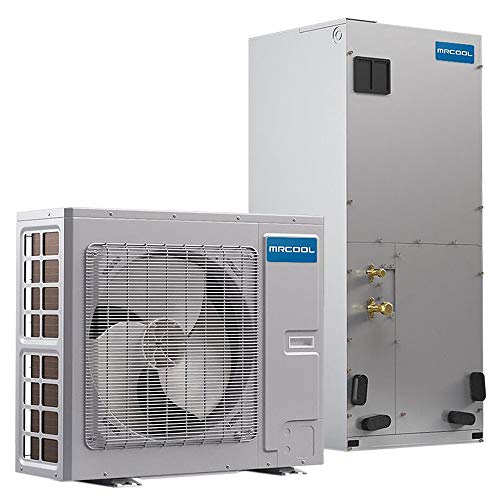
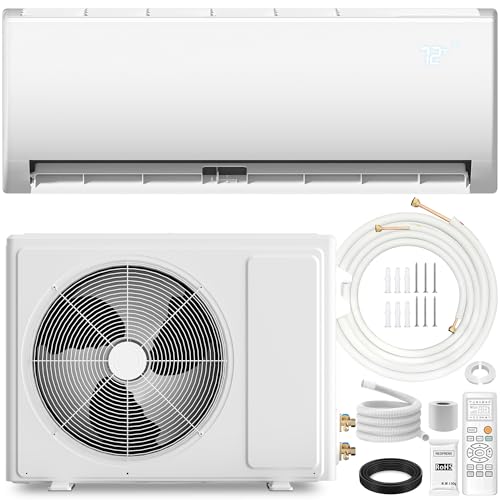
These units are commonly available as central split systems, ductless mini-splits, and packaged units. For a broader look at system architectures, see split system air conditioning system and types of central air conditioners for homes. If you are comparing a cooling-only configuration, review split system air conditioner cooling only.
Coverage: How Much Space Does 30,000 BTU Cool?
A two and a half ton unit typically cools a space ranging from roughly 1,200 to 1,800 square feet. The exact figure depends on several variables:
Insulation Quality
Well-insulated homes retain conditioned air longer, allowing a 30,000 BTU unit to cover the upper end of the range. Poor insulation reduces effective coverage.
Window Area and Orientation
Large south- or west-facing windows increase solar heat gain. Tinted glass or exterior shading reduces the load and improves effective coverage.
Ceiling Height
Standard 8-foot ceilings are assumed in the coverage range. Vaulted or cathedral ceilings increase the air volume and reduce effective square footage coverage.
Climate Zone
Hotter climates with sustained high temperatures demand more capacity. Mild climates allow the same unit to cover a larger area comfortably.
Occupancy and Appliances
Kitchens and rooms with heat-generating appliances increase the load. Occupant count also contributes to sensible and latent heat gain.
Ductwork Condition
Leaky or poorly insulated ducts waste cooling capacity. Sealed and insulated ducts deliver the rated capacity to the conditioned space.
For a detailed sizing methodology, consult how to size an air conditioner and BTU calculator by room size. Avoid guessing—an undersized unit will struggle during peak demand, while an oversized unit will short-cycle and underperform. See what happens if AC is too big or small for the consequences of improper sizing.
Two and a Half Ton Unit Tier Comparison
The table below classifies 30,000 BTU units by market tier and typical application, without reference to specific numeric figures. Use this to align your expectations with product positioning.
| Tier | Typical SEER2 | Compressor Type | Best For | Notable Traits |
|---|---|---|---|---|
| Entry-Level | 14–15 | Single-stage | Mild climates, budget-conscious installations, rental properties | Durable construction, basic controls, meets minimum efficiency standards |
| Mid-Range | 15–16 | Two-stage | Most US climates, primary living spaces, multi-season use | Improved part-load efficiency, quieter operation, better humidity control |
| Premium | 17–19 | Variable-speed (inverter) | Whole-home comfort, energy-conscious homes, variable occupancy | Precise temperature control, whisper-quiet operation, smart thermostat compatible |
| Top-Tier | 20+ | Variable-speed with advanced controls | High-performance homes, cold-climate heat pumps, premium installations | Flagship efficiency, advanced diagnostics, premium materials, enhanced dehumidification |
Key Features to Evaluate
SEER2 Rating
Higher SEER2 means lower electricity consumption during cooling. Entry-level units meet minimum standards, while premium and top-tier models deliver significantly lower operating consumption over the system's lifespan.
Compressor Technology
Single-stage compressors run at full capacity or off. Two-stage units offer a lower-capacity setting for milder days. Variable-speed inverter compressors modulate output continuously for the most precise control.
Electrical Requirements
A 30,000 BTU system typically requires a dedicated 240V circuit with a breaker sized to the unit's amperage. Verify panel capacity before purchasing. See amps and breaker size for AC and 110V vs 240V air conditioner.
Ductwork Compatibility
Central systems require properly sized and sealed ductwork. Ductless mini-splits avoid duct losses entirely. Evaluate existing duct condition before selecting a central configuration.
Smart Thermostat Integration
Modern premium and top-tier units integrate with Wi-Fi thermostats and smart home platforms for scheduling, geofencing, and remote diagnostics. See thermostat for AC and heat.
Noise Level
Outdoor unit noise is measured in decibels. Premium and top-tier units are engineered for quieter operation, which matters for installations near bedrooms or patios.
Advantages and Trade-Offs of a 2.5 Ton Unit
Advantages
- Well-suited to the most common mid-sized home footprint
- Broad product availability across all tiers and configurations
- Balanced capacity that avoids the short-cycling of oversized units
- Compatible with standard residential electrical infrastructure
- Supports both ducted and ductless configurations
- Long-term investment with lower energy consumption in higher tiers
Considerations
- Oversizing or undersizing will compromise comfort and efficiency
- Installation complexity varies significantly by configuration
- Central configurations require adequate ductwork
- Higher-tier units command a larger upfront equipment positioning
- Professional installation is essential for refrigerant handling and warranty compliance
Installation and Pre-Purchase Checklist
Before You Commit to a Two and a Half Ton Unit
- Obtain a professional load calculation (Manual J or equivalent) to confirm 30,000 BTU is the right capacity.
- Verify the electrical panel can support a dedicated 240V circuit for the outdoor unit.
- Inspect existing ductwork for leaks, insulation, and proper sizing if a central configuration is planned.
- Decide on indoor unit placement for ductless configurations, ensuring adequate clearance and drainage.
- Confirm the outdoor unit location has sufficient ventilation and structural support.
- Check local permit requirements for mechanical installation.
- Review the warranty terms and confirm the installer is licensed and insured.
For a deeper look at installation scope and preparation, see split system air conditioner and installation and split system heating and cooling installation.
Maintenance for Long-Term Performance
Regular maintenance preserves efficiency and extends the system's lifespan. Schedule professional service once per year before the cooling season, and clean or replace filters every 1 to 3 months depending on usage and environmental conditions. For a comprehensive schedule, consult split system air conditioning maintenance.
- Filter maintenance: Clean or replace filters regularly to maintain airflow. See split AC filter replacement.
- Coil cleaning: Clean indoor evaporator and outdoor condenser coils annually.
- Condensate drain: Flush to prevent algae growth and water backups.
- Refrigerant charge: Verify no leaks and correct charge level during annual service.
- Outdoor unit clearance: Remove debris, leaves, and vegetation around the unit.
If you encounter performance issues, review split system air conditioning repairs and troubleshooting air conditioning before calling a technician.
How a 2.5 Ton Unit Compares to Other Capacities
A two ton unit (24,000 BTU) suits smaller homes and dedicated zones, while a three ton unit (36,000 BTU) covers larger homes or homes in hotter climates. The two and a half ton capacity sits in the middle and is often the correct choice for homes in the 1,200 to 1,800 square foot range. For a heating-capable configuration, see two ton heat pump as a comparison point, and split air conditioning unit with heater for reversible systems.
If you are considering a multi-zone ductless system instead of a single central unit, review split ductless air conditioning systems and two head mini split. For targeted cooling in specific areas of a larger home, spot cooling may complement a central system.
Ready to Compare 2.5 Ton Units?
Browse curated two and a half ton air conditioning units organized by tier and configuration in the product section below.
View Recommended UnitsFrequently Asked Questions
What size home does a two and a half ton air conditioning unit cool?
A two and a half ton unit, equivalent to 30,000 BTU, typically cools a home or zone ranging from roughly 1,200 to 1,800 square feet. Actual coverage depends on insulation, window area, ceiling height, local climate, and occupancy patterns. A professional load calculation is the most reliable sizing method.
Is a two and a half ton AC unit considered energy efficient?
Efficiency depends on the tier and SEER2 rating. Entry-level 2.5 ton units meet minimum standards, while mid-range, premium, and top-tier models achieve progressively higher SEER2 ratings. Higher-efficiency models consume less electricity over the system's lifespan.
What electrical requirements does a two and a half ton air conditioning unit have?
Most 2.5 ton units run on a dedicated 240V circuit with a breaker sized according to the unit's amperage rating, typically in the 20 to 30 amp range. A qualified electrician should verify panel capacity and install the circuit to local code.
How often should a two and a half ton air conditioning unit be serviced?
Professional maintenance is recommended once per year before the cooling season. Homeowners should clean or replace filters every 1 to 3 months, depending on usage and environmental conditions, to maintain airflow and efficiency.