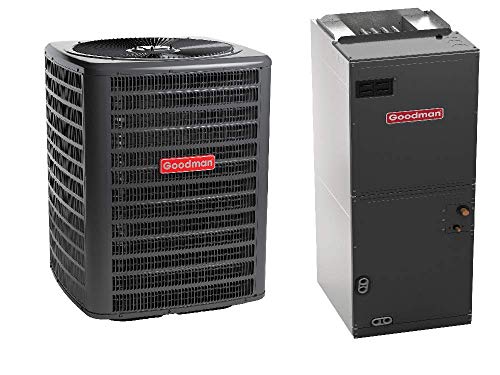
Two Ton Heat Pump
Understand what a two ton heat pump is, which homes it fits, and how to choose the right configuration. This guide covers sizing rules, coverage area, efficiency ratings, installation requirements, and maintenance habits for a reliable dual-season system.
START LEARNINGWhat You Will Learn: This guide explains what the "two ton" rating means in practical terms, how to match a two ton heat pump to your home's square footage and climate, which efficiency ratings matter for cooling and heating, and the installation and maintenance considerations that shape long-term performance.
What Is a Two Ton Heat Pump?
A two ton heat pump is a reversible air-source system rated at approximately 24,000 BTU per hour of cooling capacity. In the HVAC industry, one "ton" of capacity equals 12,000 BTU per hour, so a two ton system delivers twice that figure. In heating mode, the same unit moves heat from outdoor air into the home by reversing the refrigerant cycle, making a two ton heat pump a genuine year-round comfort solution.
Because it is a heat pump rather than a cooling-only air conditioner, the two ton rating refers primarily to cooling capacity. Heating capacity varies with outdoor temperature and the unit's rated performance at low ambient conditions. This distinction matters when you evaluate a split system air conditioner and heat pump for a climate that experiences meaningful winters.
Two ton systems are among the most common residential heat pump sizes because they fit a broad band of mid-sized homes and apartments. The exact fit, however, depends on a proper load calculation rather than square footage alone.
Two Ton Heat Pump Sizing and Coverage Area
A two ton heat pump typically serves homes in the range of about 1,000 to 1,400 square feet under average conditions. That band is a starting point, not a rule. Cold climates push the coverage lower because more heating capacity is required for the same area. Hot climates with heavy sun exposure can push it lower as well on the cooling side.
The factors that shift the calculation include ceiling height, window area and orientation, insulation quality, air infiltration, occupancy, and the heat generated by appliances and electronics. A properly sized AC is one that meets the load without overshooting it. An oversized or undersized unit in either direction produces comfort problems: short cycling and poor dehumidification when oversized, and inadequate capacity on extreme days when undersized.
Sizing Rule of Thumb: A two ton heat pump delivers roughly 24,000 BTU per hour of cooling capacity. For a mild climate with average insulation, that covers approximately 1,000 to 1,400 square feet. In colder climates, treat the upper end of that band with caution and confirm heating capacity at your design outdoor temperature.
For homes that sit just outside the two ton band, the two and a half ton air conditioning unit guide explains when moving up a half ton makes sense, and the two ton heat pump reference offers the core specifications for this category.
Configuration Options for a Two Ton Heat Pump
A two ton heat pump is available in several form factors, and the choice affects installation complexity, aesthetics, and how the system delivers comfort in each zone.
Split Ducted System
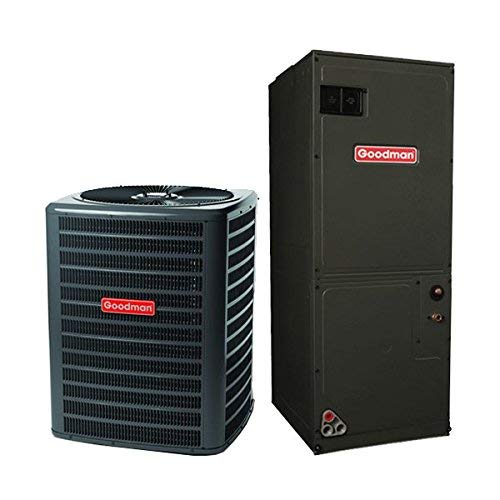
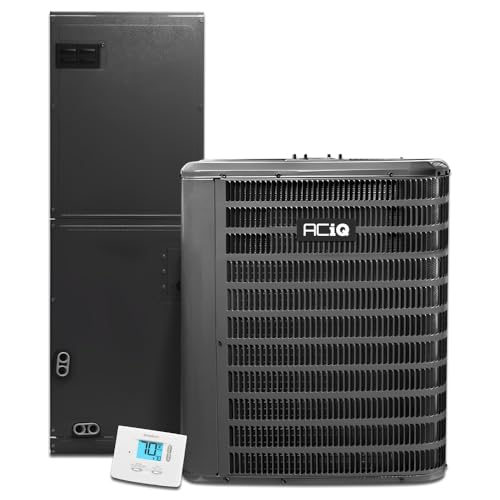
An outdoor two ton heat pump paired with an indoor air handler and ductwork. A traditional configuration for homes with existing ducts. A split system heating and cooling unit in this format integrates with the home's duct network.
Ductless Mini-Split
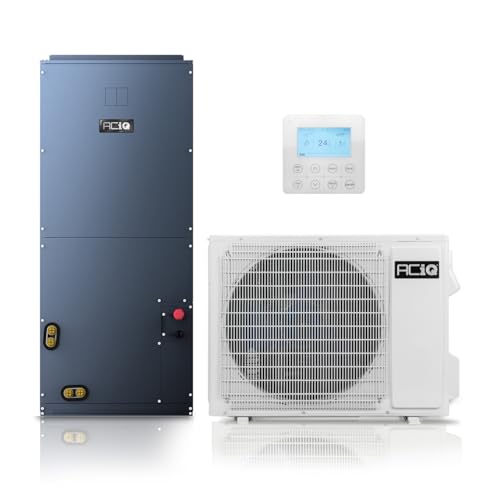
An outdoor two ton heat pump paired with one or more wall-mounted indoor units. Ideal for homes without ducts. A two head mini split configuration is a common way to use two ton capacity across two rooms.
Multi-Zone System
A two ton outdoor unit serving several indoor units with independent controls. Good for homes that need room-by-room temperature control. A split system heat pump in multi-zone form covers more usable space per outdoor unit.
For homeowners with a dedicated ducted system, a split system air conditioning and heating setup with a two ton condenser is the natural choice. For homeowners who want zone control, the ductless or multi-zone options are more flexible.
Efficiency Ratings for a Two Ton Heat Pump
Because a two ton heat pump operates in both cooling and heating modes, it carries two primary efficiency ratings. Both matter when comparing models in the same capacity band.
SEER2
The seasonal energy efficiency ratio for cooling. Higher values indicate more efficient cooling over a season. Modern two ton heat pumps typically achieve SEER2 ratings well above the federal minimum. Learn more in the SEER rating guide.
HSPF2
The heating seasonal performance factor. This is the key heating rating. Higher HSPF2 means more useful heat delivered per unit of electricity over a heating season. The HSPF rating guide explains how to interpret this figure.
EER2
The energy efficiency ratio at peak cooling load. Complements SEER2 by indicating performance on the hottest days when the system runs near full capacity. Relevant for climates with extreme summer peaks.
Inverter-driven compressors are standard in modern two ton heat pumps, allowing continuous modulation for better temperature stability and efficiency across both seasons. A split system air conditioner and heat pump with a variable-speed compressor tends to perform better in part-load conditions than a single-stage unit of the same capacity.
Installation Considerations
Installing a two ton heat pump requires planning and licensed professional work, especially if the system is a split ducted configuration or a multi-zone ductless setup.
- Load calculation: A room-by-room load calculation confirms that two tons is the right capacity for the home and accounts for heating demand in winter.
- Indoor and outdoor placement: Choosing locations for the outdoor unit and indoor components that balance airflow, aesthetics, and line length. A wall mount bracket for mini split systems is useful when ground mounting is impractical.
- Line set and electrical: Running refrigerant lines, condensate drain, and electrical wiring. A split unit air conditioner installation cost overview helps frame project scope.
- Vacuum and charge: Evacuating the line set before releasing refrigerant. This step is critical to long-term reliability.
- Commissioning: Testing refrigerant charge, airflow, and controls in both heating and cooling modes to verify the system meets specification.
A proper split system heating and cooling installation performed by a qualified technician includes sizing verification, proper line routing, and full commissioning. For homeowners who want ducted comfort with the flexibility of a heat pump, a split system heating and cooling unit in the two ton range is a widely supported option.
How a Two Ton Heat Pump Compares to Other Capacity Tiers
The table below summarizes how the two ton capacity band compares with common adjacent sizes across the criteria homeowners often weigh during research.
| Capacity Tier | Approximate Cooling Capacity | Typical Coverage | Best For |
|---|---|---|---|
| 1.5 Ton Heat Pump | 18,000 BTU/hr | ~700–1,000 sq ft | Small homes, apartments, single-zone ductless setups |
| Two Ton Heat Pump | 24,000 BTU/hr | ~1,000–1,400 sq ft | Mid-sized homes, two-zone ductless setups, small two-story homes |
| 2.5 Ton Heat Pump | 30,000 BTU/hr | ~1,400–1,800 sq ft | Larger single-story homes, open-plan layouts, homes in hot climates |
| 3 Ton Heat Pump | 36,000 BTU/hr | ~1,800–2,200 sq ft | Large homes, whole-home setups, homes with high ceilings |
For homes that sit near the boundary between two ton and 2.5 ton coverage, the two and a half ton air conditioning unit guide explains how to decide. For homes that need a slightly smaller system, the two head mini split configuration is worth considering.
Matching a Two Ton Heat Pump to Your Home
Different homes call for different configurations even at the same capacity. A few common scenarios illustrate how a two ton heat pump fits various living situations.
Older homes without ducts: A ductless two ton configuration with two or three indoor units avoids the disruption of installing ductwork while providing both cooling and heating. This arrangement aligns with split type air conditioner principles applied to heat pump hardware.
Small two-story homes: A ducted two ton heat pump can cover the full floor plan when the load calculation supports it. In many cases, a single split system air conditioning system in this range handles both floors with balanced duct design.
Apartments and townhomes: A wall-mounted wall mounted air conditioner for small room configurations may cover part of the space while a two ton system covers the rest. Confirm the combined capacity before committing to a configuration.
Home offices and additions: A single-zone two ton heat pump may be more capacity than a small room requires. A smaller unit or a spot cooling approach may fit better. Sizing always comes before capacity selection.
Homeowners evaluating specific models can review the guide to split system air conditioning units for sale to see how different tiers compare on features and zoning capability.
Maintenance for a Two Ton Heat Pump
A two ton heat pump sees year-round runtime because it operates in both cooling and heating modes. Consistent care pays off in reliability and efficiency.
- Filter cleaning: Every two to four weeks during heavy use. A split AC filter replacement is a simple task with a large effect on efficiency.
- Coil cleaning: Both indoor and outdoor coils accumulate dust and debris. Annual cleaning supports heat transfer in both modes.
- Condensate drain inspection: In cooling mode, condensate must drain freely. In heating mode, the outdoor unit drains defrost water.
- Professional service: An annual check-up verifies refrigerant charge and electrical connections. Split system air conditioning maintenance catches small issues before they become failures.
- Heating season check: Before winter, confirm heating mode engages promptly and defrost cycles complete normally.
When problems arise, timely split system air conditioning repairs prevent cascading damage. Signs such as reduced heating output, unusual noises, or ice on the outdoor coil should prompt a service call.
Controls and Thermostats for a Two Ton Heat Pump
A two ton heat pump performs best when it is paired with a control that is designed for a dual-mode system. A standard air conditioner thermostat may not manage the reversing valve, defrost cycles, and auxiliary heating stages that a heat pump requires. A dedicated thermostat for AC and heat ensures proper mode transitions and avoids unnecessary backup heating.
For homeowners who want automatic seasonal switching, a thermostat that automatically switches from AC to heat is a strong choice. These controls monitor indoor and outdoor conditions and transition between cooling and heating without manual intervention. A thermostat that switches from heat to cool automatically is particularly useful in climates with wide day-night temperature swings.
Programming matters as much as the hardware. A well-configured thermostat reduces short cycling, protects the compressor, and improves part-load efficiency — which is where inverter-driven heat pumps excel.
Frequently Asked Questions
What size home does a two ton heat pump cover?
A two ton heat pump is generally suitable for homes between about 1,000 and 1,400 square feet, depending on climate, insulation, ceiling height, window area, and occupancy. Cold climates may need a larger unit for the same square footage to maintain heating capacity.
How many BTU is a two ton heat pump?
One ton of cooling capacity equals 12,000 BTU per hour, so a two ton heat pump provides approximately 24,000 BTU per hour of cooling capacity. Heating capacity varies with outdoor temperature and the unit's rated performance.
Is a two ton heat pump enough for a two-story home?
In many cases a single two ton heat pump can serve a two-story home in the 1,000 to 1,400 square foot range, but the answer depends on the home's layout, insulation, and duct design. A room-by-room load calculation is the reliable way to confirm.
What SEER2 rating should a two ton heat pump have?
Modern two ton heat pumps typically achieve SEER2 ratings well above the federal minimum. Higher SEER2 and HSPF2 ratings indicate greater efficiency in cooling and heating respectively, which matters for long-term operating efficiency.
Can a two ton heat pump heat a home in cold weather?
Yes, modern cold-climate heat pumps maintain useful heating capacity at low outdoor temperatures. For very cold regions, look for models rated for low-ambient heating and consider a hybrid setup with a backup heat source.
How long does a two ton heat pump last?
A well-maintained two ton heat pump typically lasts 12 to 20 years. Proper installation, regular filter cleaning, annual professional service, and correct sizing all contribute to longevity.
Final Thoughts
A two ton heat pump is a versatile capacity tier that fits a wide band of mid-sized homes and multi-zone configurations. The key to a successful installation is accurate sizing for both cooling and heating, careful selection at the right efficiency tier, and professional installation that follows manufacturer specifications.
For readers continuing their research, related guides on split air conditioner heating, split heat AC units, and split air conditioner units provide additional context on how heat pump hardware and configuration choices affect comfort and efficiency. Whether you are evaluating a ducted whole-home setup or a ductless multi-zone arrangement, the principles in this guide apply.