
Window Exhaust for Portable Air Conditioner: The Complete Setup Guide
Every portable air conditioner needs a working exhaust path to remove hot air. This guide explains how window exhaust systems work, which venting kits fit which windows, how to seal gaps properly, and how to choose the right setup for your room.
Explore Vent TypesWhy Portable AC Units Need a Window Exhaust
A portable air conditioner works by pulling heat out of the room air and releasing it through an exhaust hose. That hose must terminate outdoors, typically through a window opening. The exhaust carries both heat and moisture away from the living space, which is why venting is not optional.
If the exhaust hose is left indoors, dumped into an attic, or routed into another room, the unit simply moves heat around. The compressor runs continuously, the room never reaches the set temperature, and the unit may shut down from overheating. A properly sealed window exhaust is what allows the system to perform as designed.
Beyond cooling performance, a good window exhaust setup also protects indoor air quality. A loose window gap lets in dust, pollen, and humid outdoor air. Sealed vent panels and fabric kits reduce that infiltration. For households that track indoor moisture, our guide on what humidity level is good for a house explains why venting and humidity control often need to be handled together.
Window Vent Kit Types Compared
Portable air conditioner window exhaust kits fall into three broad categories. Each category serves a different window setup and a different level of installation effort.
| Vent Kit Type | Tier | Best For | Key Characteristics |
|---|---|---|---|
| Fabric sealing kit | Entry-level | Renters, temporary setups, odd window sizes | Flexible cloth panel, zippered hose opening, quick to install and remove |
| Sliding window panel kit | Mid-range | Standard sliding windows, long-term use | Rigid adjustable panels, hose adapter plate, firmer seal, reusable |
| Casement or specialty panel kit | Premium | Casement, crank-out, or non-standard windows | Custom fit panels, reinforced frames, better insulation and security |
Fabric Sealing Kits
Fabric kits wrap around the window frame and close with zippers around the exhaust hose. They are the simplest option and work with many window shapes, including casement windows. The trade-off is less rigidity and a shorter service life. For a renter-friendly solution, a window panel for a portable air conditioner made of fabric is often the fastest path to a working setup.
Sliding Window Panel Kits
Rigid panel kits slide into the window track and expand to fill the opening. A hose adapter plate locks into the panel, and the window closes against the frame to hold everything in place. These kits are the standard choice for horizontal sliding windows and deliver a firmer, more weather-tight seal than fabric. If you are comparing options, our overview of window vents for portable air conditioners walks through panel sizing and adapter compatibility.
Casement and Specialty Kits
Casement windows open outward on a crank, so a standard sliding panel will not fit. Specialty kits use a rigid frame that mounts into the window opening, with a cutout for the hose. These setups usually require more careful measuring but reward the effort with a clean, stable seal. When the window orientation is unusual, a dedicated adjustable window sealing plate can bridge the gap between the hose and the frame.
Single-Hose vs Dual-Hose Exhaust Systems
The number of hoses on a portable air conditioner affects both efficiency and indoor pressure balance. Understanding the difference helps you choose the right vent kit and set realistic expectations for cooling performance.
Single-Hose Units
A single-hose unit draws indoor air across the condenser coil and pushes it outside through one hose. This creates negative pressure in the room, which pulls outdoor air back in through gaps around doors and windows. The cooling effect is real, but some of the work is offset by warm air infiltration. Single-hose models are common in the entry-level and mid-range tiers and remain a solid choice for small rooms with a well-sealed vent kit.
Dual-Hose Units
A dual-hose unit uses one hose to bring outdoor air to the condenser and a second hose to exhaust hot air back outside. Because the condenser air loop is separate from the room air, indoor pressure stays closer to neutral and the unit avoids pulling in as much warm outside air. Dual-hose portable units are typically positioned in the mid-range and premium tiers and are the better match for larger rooms or longer cooling sessions.
For rooms where efficiency matters, the most efficient portable air conditioner options generally use dual-hose designs or inverter-driven compressors. Matching that hardware with a sealed window exhaust is what turns the efficiency rating into actual lower energy use.
Venting by Window Style
Window orientation determines which vent kit will work. Measure the window opening, note how the sash moves, and confirm the hose diameter before choosing a kit.
Horizontal Sliding Windows
These are the easiest windows to vent. A sliding panel kit sits in the lower track and expands to fill the width. The moving sash closes against the panel to lock it in place. This is the setup most portable AC manufacturers design their included kits around.
Vertical Sliding (Double-Hung) Windows
Double-hung windows need a panel that fills the vertical opening. Many kits include stackable panels that can be combined for taller openings. The lower sash closes down onto the top of the panel. Sealing foam along the sash line is important because the gap is usually wider than on a sliding window.
Casement Windows
Casement windows swing outward, so a panel cannot slide into a track. Fabric sealing kits and specialty casement frames are the usual solution. The hose passes through a zippered or cut opening, and the fabric is anchored to the window frame with adhesive strips or tension rods.
Sliding Glass Doors
Sliding glass doors can accept a taller vent panel, but the panel must be secured against the door frame and the hose length must reach the unit. Our guide to a window air conditioner for a sliding glass door covers the sizing and safety considerations that apply to door-height venting.
Sideways and Awning Windows
Sideways-opening windows present a similar challenge to casement windows. A rigid panel may not seat correctly, so a fabric kit or a custom frame is often the practical route. The guide on a window air conditioner for sideways windows explains how to bridge an angled opening without compromising the seal.
Sliding Windows with Limited Travel
Some sliding windows only open partway. A panel kit can still work if the opening is wide enough for the hose adapter. Measure the maximum clear opening, not the full window width. Our article on a window air conditioner for sliding windows includes a measuring checklist that applies to portable vent panels as well.
How to Seal the Window Opening Around the Exhaust
The vent panel handles the main opening, but small gaps around the frame, sash, and hose adapter still leak. Sealing those gaps is the difference between a portable AC that keeps up and one that runs nonstop.
Step 1: Close the Window Against the Panel
Lower or slide the sash until it presses firmly against the panel. The sash tension is what holds a rigid panel in place. If the sash is loose, add a tension rod or a small wedge to prevent movement.
Step 2: Seal the Frame Edges
Run closed-cell foam weatherstripping along the top and sides of the panel where it meets the window frame. For fabric kits, use the adhesive strips included in the kit and add painter's tape along the edges if the frame is uneven.
Step 3: Seal the Hose Adapter
Check the connection between the hose and the adapter plate. A twist-lock collar should seat fully. If there is play, wrap the joint with foil tape or a foam collar. Leaks at the adapter are common and easy to miss.
Step 4: Insulate the Hose
The exhaust hose itself radiates heat into the room. A hose cover or a wrap of reflective insulation reduces that heat gain and improves overall cooling. This is especially noticeable on longer hose runs.
Step-by-Step Window Exhaust Installation
The installation sequence below works for most sliding and double-hung window setups with a rigid panel kit. Adjust the order slightly for fabric kits, which are anchored before the hose is connected.
- Measure the window opening. Record the width and height of the clear opening with the window fully closed, then again at the position where the panel will sit.
- Assemble the panel. Slide the panel sections together to match the opening width. Most kits include a locking strip or screws to fix the length.
- Fit the hose adapter. Attach the adapter plate to the panel and confirm the hose collar locks in place. Test the connection before the panel goes into the window.
- Place the panel in the track. Set the panel into the lower track (sliding window) or the sill (double-hung). Slide or lower the sash until it contacts the panel.
- Secure the panel. Add the included screws, tension rod, or sash lock to prevent the panel from shifting. Do not skip this step on upper-floor windows.
- Connect the exhaust hose. Attach one end to the unit and the other to the panel adapter. Keep the hose as straight and short as the layout allows.
- Seal the gaps. Add weatherstripping along the frame, seal the adapter joint, and check for daylight or drafts around the panel.
- Test the airflow. Run the unit on fan-only for a few minutes and confirm strong airflow at the outdoor end of the hose. Weak airflow suggests a kink or an obstruction.
Pre-Installation Checklist
- Confirm the hose diameter matches the panel adapter
- Check the maximum hose length in the unit manual
- Verify the window opening is wide enough for the panel
- Clear the outdoor side of the hose of obstructions
- Have weatherstripping and foil tape on hand before starting
- Check that the window screen can be removed or bypassed
If the window is the only opening in a room and the unit is sized close to the room load, a tight installation matters even more. The principles in our buying an AC guide on matching capacity to room conditions apply directly to portable units as well.
Common Window Exhaust Mistakes to Avoid
Most portable AC complaints trace back to the exhaust setup rather than the unit itself. The issues below are the ones that show up most often.
Routing the Hose Indoors
Dumping exhaust into an attic, garage, or another room does not remove heat from the building. It relocates it. The hose must terminate outdoors with clear airflow.
Exceeding the Recommended Hose Length
Longer hoses increase back pressure and reduce cooling. Manufacturers specify a maximum length for a reason. If the window is far from the unit, move the unit closer rather than adding hose.
Kinking or Crushing the Hose
A sharp bend restricts airflow and can cause the unit to overheat. Route the hose with gentle curves and keep furniture from pressing against it.
Leaving Large Gaps Around the Panel
An unsealed panel lets hot outdoor air pour in, which cancels out much of the cooling. Weatherstripping and a snug sash fit are not optional details.
Blocking the Outdoor End
Shrubs, screens, or a closed storm window can block the exhaust outlet. Confirm that hot air can escape freely and that the outdoor end is not recirculating into the unit's intake.
Ignoring Window Security
A vent panel leaves part of the window open. On ground-floor windows, add a sash lock or a wooden dowel in the track to prevent the window from being opened further from outside.
If the unit still struggles after the vent is sealed, the problem may be elsewhere. Our troubleshooting guide on things to check when AC is not cooling covers airflow, filters, and refrigerant symptoms that apply to portable units too.
Vent Maintenance Tips
A window exhaust setup is simple hardware, but it still needs periodic attention. A few minutes of upkeep keeps airflow strong and the seal intact.
- Clean the hose adapter monthly. Dust and lint collect at the collar and reduce airflow.
- Inspect the hose for cracks. Small tears leak hot air into the room. Replace damaged hoses rather than taping over large splits.
- Re-seat the weatherstripping each season. Foam compresses over time and loses its seal.
- Check the panel screws and tension rod. Vibration can loosen hardware over weeks of use.
- Clean the outdoor end. Remove leaves, cobwebs, or debris that block the exhaust outlet.
- Store the kit dry. Fabric kits should be fully dry before storage to prevent mildew.
Seasonal maintenance is a good time to look at the unit as a whole. Our AC maintenance guide lists the filter, coil, and drain tasks that pair well with vent upkeep. If the unit uses a drain tank or continuous drain hose, check that connection at the same time.
Frequently Asked Questions
Does a portable air conditioner need a window exhaust?
Yes. A single-hose or dual-hose portable air conditioner must exhaust hot air outside through a window. Without proper venting, the unit cannot remove heat effectively and will underperform.
Can I vent a portable air conditioner through a sliding window?
Yes. Sliding windows are one of the most common venting setups. A sliding window vent kit with an adjustable panel and hose adapter allows the exhaust hose to pass through while sealing the opening.
What is the difference between a single-hose and dual-hose window exhaust?
A single-hose unit draws indoor air for cooling the condenser and exhausts it outside, which creates negative pressure. A dual-hose unit uses one hose to draw outdoor air for the condenser and one to exhaust hot air, maintaining more balanced indoor pressure.
How do I seal a window around a portable AC exhaust hose?
Use a rigid window vent panel or a fabric sealing kit, close the window against the panel, add foam or weatherstripping along the frame, and secure the hose adapter so there are no gaps. Proper sealing prevents hot outdoor air from re-entering the room.
Can I use a longer exhaust hose with my portable AC?
Most manufacturers specify a maximum hose length, commonly around 5 to 7 feet. Extending beyond the recommended length increases back pressure, reduces cooling performance, and may strain the compressor. Keep the hose as short and straight as possible.
Can I use a portable AC without a window at all?
Some units are marketed for use without a window, but they still need a way to remove heat. Options include venting through a wall sleeve or a door panel. Our guide on a portable AC unit that does not need a window explains the trade-offs of each workaround.
Bottom Line
A window exhaust is the single most important accessory for a portable air conditioner. The unit can only cool as well as its venting allows. Choose a kit that matches your window style, seal every gap, keep the hose short and straight, and inspect the setup at the start of each cooling season.
If you are still deciding between a portable unit and a window-mounted model, our overview of a window-mounted air conditioning unit explains where each type performs best. For anyone sticking with a portable unit, a rigid sliding panel kit plus proper weatherstripping is the most reliable foundation.
Start with the vent, then tune the rest. That order keeps expectations realistic and gets the most out of any portable AC.
Recommended Window Exhaust Kits for Portable Air Conditioners
⚠️ AFFILIATE DISCLOSURE: This website contains affiliate links. As an Amazon Associate, we earn from qualifying purchases. If you make a purchase through these links, we may receive a small commission at no additional cost to you. Read our full affiliate policy.
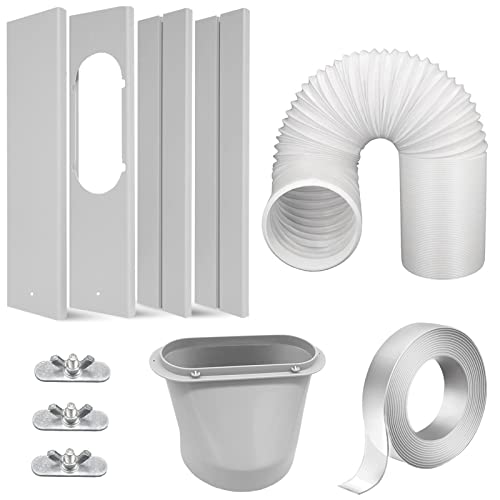
FFXWTSF Portable Air Conditioner Window Kit with 5.9” Exhaust Hose, Adjustable Universal Window Seal for AC Unit…
Check price on Amazon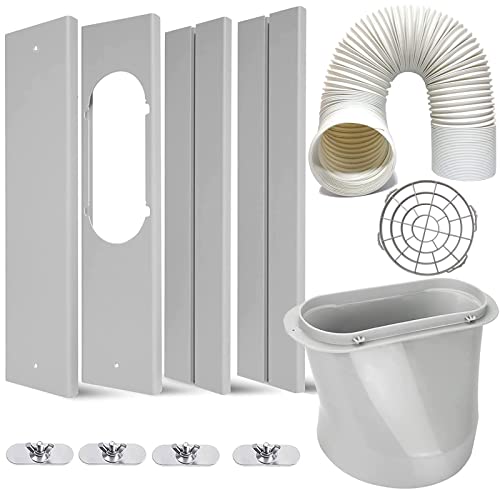
LEZIFU Portable Air Conditioner Kit with Hose, Adjustable Window Seal with 5.9 Inch Diameter 59" Length Hose for Vertical/Horizontal Window
Check price on Amazon
Portable Air Conditioner Window Vent Kit with 5.9" Exhaust Hose, AC Window Vent Kit Adjustable 59" Length Hose for A/C Unit Universal for Sliding Vertical/Horizontal Windows
Check price on Amazon
Portable AC Window Kit with 5.1” Exhaust Hose for Sliding Window, Adjustable Air Conditioner Window Vent Kit for Ducting AC Seal Panel for Horizontal&Vertical Window.
Check price on Amazon
folosem Wall Mount Connector for Portable AC Vent, 6/6.5 Inch Exhaust Hose Coupler, Universal AC Vent Kit Accessories, Window Seal Plate Plug Adapter for Room Air Conditioner
Check price on Amazon