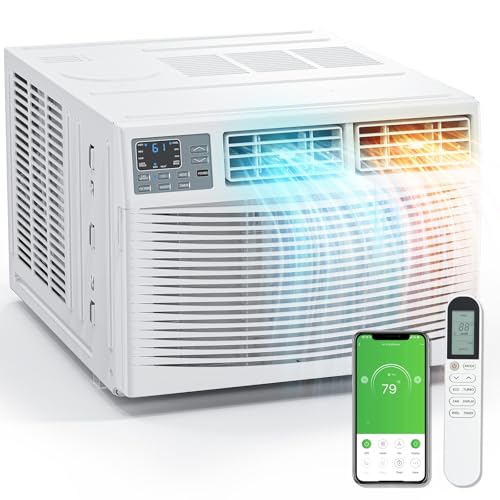
Window Wall AC Unit with Heat: The Complete Buying Guide
Everything you need to know about combined cooling and heating units for windows and walls — sizing, efficiency, installation, and how to choose the right model for your space.
Why this guide matters: A window wall AC unit with heat is one of the most practical solutions for rooms that need year-round comfort without a full HVAC renovation. Whether you are outfitting a bedroom, a converted garage, a home office, or a small apartment, understanding the differences between heat pump models, electric heat models, and standard cooling-only units will help you make a confident, well-informed decision.
What Is a Window Wall AC Unit with Heat?
A window wall AC unit with heat is a self-contained appliance that combines air conditioning and heating in a single chassis. Unlike a cooling-only window unit, these models include either a heat pump reversing valve or an electric resistance heating element. The result is a compact, install-friendly device that can cool a room in summer and warm it in cooler months.
These units are popular in homes without ductwork, in additions, in older properties where retrofitting central HVAC is impractical, and in rental units where permanent modifications are restricted. They are also a practical option for apartments with limited window access, since many models can be installed through a wall sleeve.
If you are comparing options and want to understand how these units fit into a broader room-by-room strategy, our guide to zoned air conditioning explains how single-room heating and cooling can complement a larger system.
Types of Combined Heating and Cooling Units
The market for window wall AC units with heat falls into a few distinct categories. Understanding the differences helps you match the unit to your climate and installation constraints.
1. Window AC with Heat (Slide-Out Chassis)
These are the most common form factor. They sit in a double-hung window frame and typically include a slide-out chassis for easier servicing. Heating is usually provided by an electric resistance element. They are a practical choice for renters and for rooms where wall modifications are not permitted. Our overview of the 110-volt window air conditioner with heat covers the electrical side in more detail.
2. Through-the-Wall AC with Heat
Wall-mounted units are permanently installed through an exterior wall, often using a sleeve. They are more secure, less visually intrusive, and generally quieter than window units. Heating options include electric resistance and, on premium models, heat pump operation. If you are working with a standard household circuit, see our notes on the 115-volt through-the-wall air conditioners category.
3. Heat Pump Window Units
Heat pump models are more energy-efficient for heating than electric resistance units because they move heat rather than generate it. They perform best in mild to moderate climates. In freezing conditions, heating capacity and efficiency decline, and a backup element may engage. This is the same principle explained in our broader heat pump vs. air conditioner comparison.
4. Portable and Windowless Alternatives
If a window or wall installation is not feasible, there are windowless air conditioner options without an exhaust hose and other windowless air conditioning units that use different venting strategies. These are worth exploring when structural constraints rule out a traditional window wall unit.
5. Combo Wall Units for Year-Round Use
A dedicated air conditioner and heater combo wall unit is purpose-built for year-round operation and often includes a remote thermostat, multiple fan speeds, and programmable schedules.
How the Heating Function Works
There are two main heating technologies in window wall AC units with heat. The difference matters for comfort, efficiency, and cold-climate performance.
Electric Resistance Heating
A resistive element — similar to a space heater coil — warms air as the fan pushes it into the room. This method is simple, reliable, and works in any outdoor temperature. However, it consumes more electricity per unit of heat delivered compared with a heat pump. It is common in entry-level and mid-range models.
Heat Pump Heating
A heat pump reverses the refrigerant cycle to absorb heat from outdoor air and release it indoors. Because it moves heat rather than creating it, it is generally more efficient in mild conditions. Premium models often include a supplemental electric element for very cold weather. If you want to understand the mechanics, our explainer on how inverter AC works touches on variable-speed compressor behavior that also benefits heat pump units.
Climate note: If winter temperatures in your area regularly drop below freezing, verify the unit's rated heating capacity at low outdoor temperatures. Some heat pump window units are optimized for mild climates only.
Sizing and BTU Requirements
Correct sizing is the single most important factor in comfort and efficiency. An undersized unit runs constantly and fails to reach the set temperature. An oversized unit cools or heats too quickly, cycles frequently, and may leave the room feeling humid or uneven.
The common starting point is 20 BTU per square foot of conditioned floor area. From there, adjust for room conditions:
- Sun exposure: Add 10% for a sunny room with large windows.
- Occupancy: Add roughly 600 BTU per additional person beyond two.
- Kitchen areas: Add around 4,000 BTU if the unit serves a kitchen.
- Ceiling height: Rooms with ceilings above 8 feet need proportionally more capacity.
- Insulation quality: Poorly insulated rooms may need a 10–20% buffer.
For a structured walkthrough, see our guide on how to size an air conditioner and the BTU calculator by room size. If you are also considering a small-room setup, the AC unit for small room guide pairs well with this one.
| Room Size | Approx. BTU (Cooling) | Typical Tier | Best For |
|---|---|---|---|
| Up to 150 sq ft | 5,000 – 6,000 BTU | Entry-level | Bedrooms, small offices |
| 150 – 250 sq ft | 8,000 – 10,000 BTU | Mid-range | Living rooms, studios |
| 250 – 400 sq ft | 12,000 – 14,000 BTU | Premium | Open-plan spaces, master suites |
| 400 – 550 sq ft | 15,000 – 18,000 BTU | High-end tier | Large rooms, additions |
Efficiency Ratings Explained
Efficiency is expressed differently for cooling and heating. Understanding both ratings helps you compare models fairly.
Cooling Efficiency: CEER and EER
Room air conditioners use CEER (Combined Energy Efficiency Ratio) under current DOE standards. Higher CEER means more cooling per unit of electricity. ENERGY STAR models exceed the federal minimum. Our primer on SEER ratings explains how the metric works in the central AC context, while SEER vs SEER2 covers the newer testing standard.
Heating Efficiency: COP and HSPF
For heat pump models, heating efficiency is often described by COP (Coefficient of Performance) or HSPF (Heating Seasonal Performance Factor). Electric resistance heaters are essentially 100% efficient at the point of use, but they consume more electricity per delivered BTU than a heat pump in mild conditions. Our HSPF rating guide explains the seasonal metric.
ENERGY STAR and Rebates
Look for the ENERGY STAR label when comparing models. Qualifying units meet stricter efficiency thresholds and may be eligible for utility rebates. Our ENERGY STAR certified AC overview and the HVAC tax credits and rebates page explain incentive programs.
| Tier | Efficiency Profile | Best For |
|---|---|---|
| Entry-level | Meets federal minimum CEER; electric heat only | Occasional use, mild climates |
| Mid-range | Above-minimum CEER; improved fan and thermostat controls | Daily use, bedrooms and offices |
| Premium | ENERGY STAR qualified; heat pump heating on select models | Year-round use, moderate climates |
| High-end tier | Top CEER in class; variable-speed or inverter compressor; smart controls | Primary room comfort, energy-conscious households |
Installation: Window vs. Through-the-Wall
The installation method affects security, noise, serviceability, and which models are compatible with your home.
Window Installation
Window units are supported by the window frame and sill, often with a mounting bracket for larger models. They are a practical fit for renters. Key considerations include window type (double-hung is most common), frame strength, and proper sealing to prevent air leaks. If you are working with a narrow opening, our guide to an air conditioner for a small vertical window covers the specific constraints.
Through-the-Wall Installation
Wall installation requires cutting an opening and, in many cases, installing a sleeve. It is more permanent, generally more secure, and often quieter because the compressor is isolated from the window frame. Check local building codes and HOA rules before cutting. Our AC for older homes without ductwork guide discusses how wall units fit into retrofit projects.
Electrical Requirements
Smaller units often run on a standard 110V or 115V circuit. Larger units and heat pump models may require a dedicated 230V or 240V circuit. Our comparison of 110V vs. 240V air conditioners explains the trade-offs. If you need to verify your panel capacity, see the guide on checking your home electrical panel.
Permits and Professional Help
Wall installations typically require a permit. Even for window units, if a new dedicated circuit is needed, a licensed electrician should perform the work. Our page on whether you need a permit for AC and the guide on when to call an HVAC technician help you decide when to bring in a professional.
Key Features to Look For
Beyond basic capacity and efficiency, these features have a meaningful impact on daily use and long-term satisfaction.
Thermostat and Controls
A programmable or remote thermostat improves comfort and reduces runtime. Some units support app-based control. If you are interested in smart control, our guide to a wireless air conditioner thermostat and the broader wireless HVAC thermostat overview explain the options. For multi-room control, see zoned HVAC systems.
Fan Speeds and Air Direction
Multiple fan speeds and adjustable louvers help distribute air more evenly. In heating mode, a fan that continues to run briefly after the element shuts off helps extract residual heat.
Noise Level
Look for decibel ratings and reviews that mention compressor and fan noise. Through-the-wall units generally have a noise advantage, but a well-designed window unit with a variable-speed compressor can also be very quiet. Our guide to quiet air conditioners covers the specifics.
Filtration and Air Quality
Washable filters are standard, but some models add antimicrobial treatment or higher-MERV options. See our notes on AC unit filters for replacement and cleaning guidance. If air purification is a priority, the AC with air purifier overview is a useful comparison.
Smart Features
Wi-Fi control, scheduling, and compatibility with voice assistants are increasingly common. Our AC with Wi-Fi and smart control guide explains what to expect across tiers.
Pros and Cons
Advantages
- Single appliance provides both cooling and heating
- No ductwork required — suitable for retrofits
- Room-by-room control improves comfort and efficiency
- Window models are renter-friendly; wall models are secure and quiet
- Installation is simpler than central HVAC
Limitations
- Heating capacity is limited in severe cold, especially for heat pump models
- Electric resistance heating uses more electricity than a heat pump
- Wall installation requires cutting and permits
- Larger units may need a dedicated circuit
- Window units can obstruct views and light
For a broader comparison of installation approaches, see our guide on ductless vs. ducted AC and the replace vs. repair decision framework.
Maintenance and Longevity Tips
A window wall AC unit with heat will last longer and perform better with routine care. These steps take only a few minutes each season.
- Clean or replace the filter monthly during heavy use. See our guide on when to replace an AC filter and how to clean an AC filter.
- Inspect and clean coils annually. Our tutorials on cleaning condenser coils and cleaning evaporator coils walk through the process.
- Check the seal around the unit. Gaps let hot or cold air in and reduce efficiency. Weatherstripping and foam insulation are simple fixes.
- Keep the outdoor side clear. Debris around the condenser reduces airflow and efficiency.
- Follow a seasonal checklist. Our seasonal AC checklist covers spring startup and fall shutdown.
- Address unusual noise or water leaks promptly. See our guides on AC leaking water and AC making noise.
Long-term care: Consider an annual service visit if the unit is your primary source of comfort. Our page on annual service explains what is typically included.
Frequently Asked Questions
What is a window wall AC unit with heat?
It is a combined cooling and heating appliance installed in a window frame or through an exterior wall. Heating is provided either by a heat pump reversing valve or an electric resistance element.
Can a window AC with heat replace a furnace?
Generally no. These units are designed for supplemental or single-room heating. They can reduce reliance on a central furnace in mild climates, but they are not a whole-home heating solution.
What BTU size do I need for a window wall AC with heat?
Start with 20 BTU per square foot and adjust for sun exposure, occupancy, ceiling height, and insulation quality. A 300 square foot room typically needs around 6,000 to 8,000 BTU. Use our BTU calculator by room size for a more precise estimate.
Do window wall AC units with heat require a special outlet?
Smaller models often run on a standard 110V or 115V circuit. Larger units and heat pump models may require a dedicated 230V or 240V circuit. Check the nameplate rating and consult a licensed electrician if a dedicated circuit is needed.
Is a heat pump model better than an electric resistance model?
A heat pump is generally more efficient for heating in mild conditions because it moves heat rather than generating it. Electric resistance is simpler and works in any outdoor temperature. The best choice depends on your climate and how often you will use the heating function.
How do I reduce noise from a window wall unit?
Choose a unit with a lower decibel rating, ensure the installation is level and secure, and consider a through-the-wall model, which isolates the compressor from the window frame. Our guide to quiet air conditioners covers more strategies.
Can I install a window wall AC unit with heat myself?
Window units can often be installed by a capable DIYer, but wall installations typically require cutting, framing, and permits. Electrical work should be handled by a licensed electrician. Our permit guide explains when professional help is required.