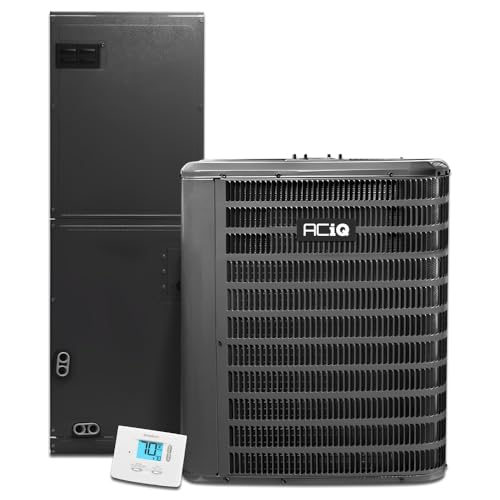
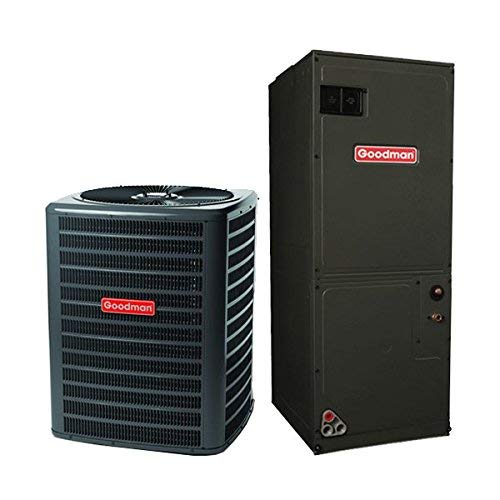
2.5 Ton AC Unit with Heat Pump: The Complete Guide
A 2.5-ton (30,000 BTU) heat pump system is the sweet spot for medium to large homes. Learn how to size, evaluate, and choose the right unit for year-round comfort and efficiency.
START READINGQuick Summary: A 2.5-ton AC unit with heat pump delivers approximately 30,000 BTU of cooling and heating capacity. It is ideal for homes between 1,200 and 1,800 square feet in moderate climates, or 1,000 to 1,500 square feet in hotter regions. This guide covers sizing, efficiency ratings, installation considerations, and maintenance best practices to help you make an informed decision.
What Is a 2.5 Ton AC Unit with Heat Pump?
A 2.5-ton AC unit with heat pump is a reversible HVAC system that provides both cooling in summer and heating in winter. The "2.5-ton" designation refers to its cooling capacity: 2.5 tons equals 30,000 BTU per hour (1 ton = 12,000 BTU). The heat pump component allows the system to reverse its refrigerant cycle, absorbing heat from outdoor air to warm your home in cooler months.
Unlike a traditional furnace-plus-AC setup, a heat pump consolidates heating and cooling into a single system. This makes it an excellent choice for homeowners seeking a most economical heating and cooling system that reduces equipment footprint and simplifies maintenance. For a deeper technical overview, see our guide on mini-split air and heat systems, which share the same core technology.
Modern 2.5-ton heat pumps are available in ducted configurations (connected to existing ductwork) and ductless mini-split configurations. Both deliver the same 30,000 BTU capacity but differ in installation requirements and zoning flexibility.
Sizing: Is 2.5 Tons Right for Your Home?
Proper sizing is critical. An oversized unit cycles on and off too frequently, reducing efficiency and comfort. An undersized unit struggles to maintain set temperatures during peak demand. The following table provides general guidance for a 2.5-ton (30,000 BTU) heat pump:
| Climate Zone | Recommended Home Size (sq ft) | Typical Insulation Level | Best For |
|---|---|---|---|
| Hot / Humid (Zone 1-2) | 1,000 - 1,400 | Good to excellent | Single-story homes, townhouses |
| Mixed / Moderate (Zone 3-4) | 1,200 - 1,800 | Average to good | Medium two-story homes |
| Cool / Cold (Zone 5-6) | 1,400 - 2,000 | Excellent (new construction) | Well-sealed homes with heat pump backup |
These figures are estimates. For a precise recommendation, consult our sizing an air conditioner guide or use a professional HVAC quote service that performs a Manual J load calculation. Factors such as ceiling height, window count, sun exposure, and occupant load significantly affect actual requirements.
Efficiency Ratings: SEER2, EER2, and HSPF2
Efficiency is the single most important long-term factor when selecting a 2.5-ton heat pump. Modern systems are rated using updated DOE metrics:
- SEER2 (Seasonal Energy Efficiency Ratio): Measures cooling efficiency across a season. Higher is better. Minimum standard is 14.3 SEER2 for split systems in most regions; premium units reach 20+ SEER2.
- EER2 (Energy Efficiency Ratio): Measures peak-load cooling efficiency. Important for hot climates.
- HSPF2 (Heating Seasonal Performance Factor): Measures heating efficiency. Higher numbers indicate better cold-weather performance.
For a detailed explanation of these metrics, read our guides on what SEER stands for, EER ratings, and HSPF ratings. Choosing a high-efficiency unit can qualify you for HVAC tax credits and rebates, improving the long-term return on your investment.
Ducted vs. Ductless: Which Configuration Fits Your Home?
A 2.5-ton heat pump is available in two primary configurations:
Ducted Split System
- Uses existing ductwork for whole-home distribution
- Best for homes with existing HVAC infrastructure
- Single indoor air handler serves multiple rooms
- Requires duct sealing and insulation for peak efficiency
- Ideal for centralized temperature control
Ductless Mini-Split
- No ductwork required; ideal for retrofits and additions
- Zone-by-zone temperature control
- Lower distribution losses (no duct leakage)
- Multiple indoor heads can share one outdoor unit
- Premium tier systems offer higher SEER2 ratings
For homes without existing ducts, a mini-split air conditioner for whole house configuration is often the most practical path. If you already have ductwork, a ducted system may be more straightforward to install, but be sure to address insulated air conditioning ducting to minimize energy loss.
Installation Considerations for 2.5-Ton Heat Pumps
Proper installation determines whether your 2.5-ton unit performs to its rated efficiency. Key factors include:
- Electrical requirements: Most 2.5-ton heat pumps require a dedicated 240V circuit with a 30-40 amp breaker. Confirm your panel capacity before purchasing.
- Refrigerant line length: Keep line sets as short as practical. Long runs reduce capacity and efficiency. See our guide on AC refrigerant line sets.
- Outdoor unit placement: Ensure adequate airflow clearance and shade where possible. Read about shading an AC unit for efficiency gains.
- Condensate management: For mini-splits, consider an installing a condensate pump on a mini-split to route water away from the home.
- Professional installation: Heat pump installation involves refrigerant handling, vacuuming, and electrical work. Hire a licensed HVAC contractor and ask the right questions to ask an installer.
For a broader overview of system types and residential applications, explore our HVAC systems for residential resource.
Maintenance Tips for Long-Term Performance
A 2.5-ton heat pump is a long-term investment. Routine maintenance protects that investment and maintains efficiency:
- Replace or clean air filters every 1-3 months.
- Keep the outdoor unit clear of debris, leaves, and snow.
- Schedule annual professional service. See our maintenance of HVAC system guide.
- Inspect and clean coils periodically. Refer to AC condenser maintenance.
- Monitor refrigerant levels and schedule repairs if you notice symptoms of low Freon in central air conditioner.
- If your system stops cooling, check our troubleshooting guide: my AC unit is not cooling my house.
Ready to Compare 2.5-Ton Heat Pump Options?
Explore our curated selection of top-tier systems below. Each unit is selected for reliability, efficiency, and suitability for medium-to-large homes.
VIEW RECOMMENDATIONSFrequently Asked Questions
How many square feet does a 2.5-ton heat pump cover?
In moderate climates, a 2.5-ton (30,000 BTU) unit typically covers 1,200 to 1,800 square feet. In hot climates, plan for 1,000 to 1,400 square feet. Always perform a Manual J load calculation for accuracy.
Is a 2.5-ton heat pump sufficient for a two-story home?
Yes, provided the home is well-insulated and the ductwork (or zoning) is properly designed. Two-story homes often benefit from zoning systems to balance temperatures between floors.
What SEER2 rating should I look for?
Minimum standards are 14.3 SEER2 for split systems in most U.S. regions. Mid-tier systems offer 15-17 SEER2, while premium and top-tier models reach 18-20+ SEER2. Higher ratings reduce energy consumption and may qualify for HVAC tax credits and rebates.
Can a heat pump replace both my AC and furnace?
Yes. A heat pump provides both cooling and heating. In very cold climates (below 5°F), a supplemental heat source may be required, but modern cold-climate heat pumps operate effectively at much lower temperatures.
How long does a 2.5-ton heat pump last?
With proper installation and regular maintenance, a quality heat pump lasts 12-18 years. Premium-tier units with durable construction and professional-grade components tend to reach the upper end of that range.