3 Tons AC: The Complete Guide to 3-Ton Air Conditioners
A 3-ton air conditioner delivers 36,000 BTU of cooling and is one of the most common capacities for mid-sized homes. This guide explains coverage, system types, efficiency ratings, and how to decide whether a 3-ton unit fits your space.
START WITH SIZINGQuick Answer: A 3-ton AC (36,000 BTU) typically cools 1,200–1,800 square feet. It is the sweet spot for many single-family homes, but the right capacity depends on climate, insulation, window area, and occupancy. Always confirm with a Manual J load calculation before purchasing.
What Exactly Is a 3 Tons AC?
A 3-ton air conditioner is rated at 36,000 BTU per hour of cooling output. In HVAC terminology, one ton equals 12,000 BTU, so three tons equals 36,000 BTU. This capacity describes how much heat the system removes from your indoor air—not the physical weight of the equipment.
Three-ton systems are among the most popular capacities in the U.S. residential market because they cover many mid-sized homes and open-plan layouts. You will find this capacity across all major system types, from central air units to 3-ton mini-split systems. The capacity stays the same, but the delivery method and installation requirements differ significantly.
How Much Space Does a 3-Ton AC Cool?
The widely used rule of thumb is 20 BTU per square foot, which places a 3-ton unit at roughly 1,800 square feet. In practice, that range shifts based on real-world conditions. Use the table below as a starting point—not a final answer.
| Home Condition | Recommended Coverage | Notes |
|---|---|---|
| Hot climate, older insulation | 1,200 – 1,400 sq ft | High heat gain requires conservative sizing |
| Moderate climate, average insulation | 1,400 – 1,600 sq ft | Typical baseline for a 3-ton system |
| Mild climate, excellent insulation | 1,600 – 1,800 sq ft | Low heat gain allows closer to the 20 BTU/sq ft rule |
| Open-plan with high ceilings | 1,000 – 1,300 sq ft | Volume, not just floor area, drives load |
For a deeper look at how square footage and BTU relate, review our 3-ton AC unit square feet guide. If your home is closer to 2,000 square feet, you may need to evaluate a 4-ton AC unit for a 2,000 sq ft house instead.
Types of 3-Ton Air Conditioner Systems
The 3-ton capacity is available in several configurations, each suited to different homes and installation constraints.
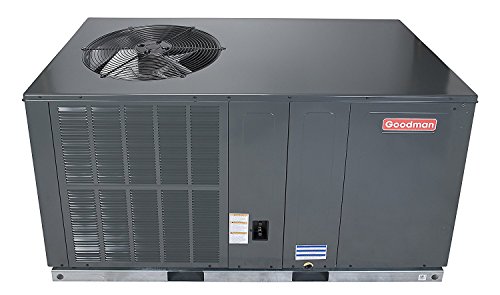
- 3-Ton Central Air Conditioning: The traditional split system with an outdoor condenser and indoor air handler connected to ductwork. Best for homes with existing ducts and a dedicated mechanical space. See our guide to the 3-ton AC unit for system-level details.
- 3-Ton Heat Pump: Cools and heats by reversing the refrigerant cycle. A smart choice in moderate climates where heating demand is light. Our 3-ton heat pump split system for mobile homes guide covers manufactured housing applications.
- 3-Ton Mini-Split: Ductless system with one outdoor unit and one or more indoor heads. Ideal for homes without ducts, additions, or zoned comfort. Learn more in our 3-ton mini-split guide.
- 3-Ton AC + Furnace: A combined cooling and gas heating package. Our 3-ton air conditioner and furnace article explains how these matched systems work together.
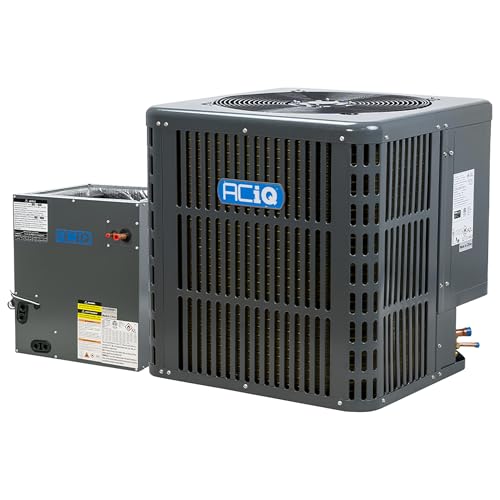
- 3-Ton Condensing Unit: The outdoor half of a split system, paired with a coil and air handler. See the 3-ton condensing unit overview.
Efficiency Ratings for 3-Ton Units
Efficiency is expressed in SEER2 for cooling and HSPF2 for heat pumps. Higher ratings mean less electricity per unit of cooling, which matters more as capacity grows. A 3-ton system moves a substantial amount of air and uses more power than a 2-ton unit, so efficiency differences compound over years of operation.
| Tier | SEER2 Range | Best For |
|---|---|---|
| Entry-level | 14.3 – 15 SEER2 | Budget-conscious buyers meeting code minimums |
| Mid-range | 15 – 16.5 SEER2 | Most homeowners seeking a balance of efficiency and features |
| High-end tier | 17 – 19 SEER2 | Hot climates and high-usage households |
| Top-tier | 20+ SEER2 | Maximum efficiency, variable-speed inverter systems |
For a full explanation of efficiency metrics, read our guides on what a SEER rating is and SEER vs SEER2 DOE standards. If you are comparing compressor technologies, our inverter vs non-inverter AC comparison explains the operational differences.
How to Decide If a 3-Ton System Is Right for You
Three tons is a common capacity, but it is not a default. An undersized unit runs constantly and fails to reach the setpoint on hot days. An oversized unit cools too quickly, cycles on and off, and leaves indoor humidity high. Both outcomes reduce comfort and shorten equipment life.
Use these steps to make an informed decision:
- Request a Manual J load calculation. This is the industry-standard method that accounts for insulation, window area, orientation, air leakage, occupancy, and local climate. Our Manual J load calculation guide explains what contractors evaluate.
- Compare adjacent capacities. If your load lands between 2.5 and 3.5 tons, compare a 2-ton air conditioner and a 4-ton air conditioner and furnace to see which side of the range fits better.
- Consider ductwork condition. Leaky or undersized ducts can negate the benefit of correct capacity. Review our ductwork design guide and how to seal air ducts.
- Verify electrical capacity. A 3-ton system typically requires a dedicated 240V circuit. Check our amps and breaker size guide and how to check your home electrical panel.
3-Ton vs. Adjacent Capacities
A 3-ton system sits between the 2-ton and 4-ton classes. The 2-ton is well suited to smaller homes and apartments up to roughly 1,000–1,200 square feet, while the 4-ton class handles larger homes in the 1,800–2,400 square foot range. If your home is near a capacity boundary, pay close attention to insulation quality and climate severity—those two factors often determine which side of the line you land on. Our how to size an air conditioner guide walks through the full process.
Installation Considerations for 3-Ton Systems
Installing a 3-ton system is not a weekend project for most homeowners. It involves refrigerant line work, electrical connections, condensate drainage, and often duct modifications. Key points to plan for:
- Outdoor unit placement: Needs clear airflow, a level pad, and adequate clearance from walls and shrubs. See our AC indoor and outdoor placement guide.
- Refrigerant line length: Long runs reduce capacity. Review refrigerant line set length before finalizing placement.
- Permits: Most jurisdictions require a permit for a new or replacement 3-ton system. Our how to get an AC permit article explains the process.
- Contractor selection: Choose a licensed and insured HVAC contractor. Our how to choose an HVAC contractor guide covers the questions to ask.
- Installation quality: Even a correctly sized unit underperforms with poor installation. Review common AC installation mistakes and how to test a new AC installation.
Maintaining a 3-Ton Air Conditioner
Regular maintenance protects efficiency and extends equipment life. For a 3-ton system, these tasks matter most:
- Filter changes: Every 1–3 months, depending on household conditions. See when to replace your AC filter and how to clean an AC filter.
- Coil cleaning: Keep both condenser coils and evaporator coils clean for efficient heat exchange.
- Seasonal checks: Follow our seasonal AC checklist before summer and after winter.
- Troubleshooting: If the system stops cooling, identify the cause with our AC not cooling guide, AC leaking water guide, or frozen coils guide.
When a problem exceeds basic troubleshooting, call a professional. Our when to call an HVAC technician article helps you recognize the signs.
Related 3-Ton System Topics
If you are weighing repair versus replacement or exploring bundled systems, these guides provide additional context:
- 3-ton air conditioning system — full system overview
- 3-ton AC unit with heat pump — combined cooling and heating configuration
- 3-ton gas heating and air conditioning systems — packaged and split options
- 3-ton evaporator coil replacement — what to expect when a coil fails
- Replace vs repair — decision framework for aging systems
- Annual service overview — what routine maintenance involves
Frequently Asked Questions About 3 Tons AC
How many square feet does a 3 tons AC cool?
A 3-ton unit (36,000 BTU) typically cools 1,200–1,800 square feet. Hot climates and older insulation push the number toward 1,200 sq ft, while mild climates with excellent insulation can reach 1,800 sq ft. Always verify with a Manual J load calculation.
Is a 3-ton AC too big for my house?
If your home is under roughly 1,000 square feet, a 3-ton system is likely oversized. Oversized units short-cycle, struggle with humidity, and wear out faster. A professional load calculation is the only reliable way to know.
What is the difference between a 3-ton AC and a 3-ton heat pump?
A 3-ton AC only cools. A 3-ton heat pump cools and heats by reversing the refrigerant cycle. Heat pumps are a strong choice in moderate climates; in colder regions, a heat pump may be paired with a furnace for backup heating.
What SEER2 rating should a 3-ton AC have?
Meet or exceed 14.3 SEER2, which is the current DOE minimum for most residential split systems. Mid-range units reach 15–16.5 SEER2, and high-end inverter systems exceed 18 SEER2 for maximum efficiency in hot climates.
Can a 3-ton mini-split replace a central AC?
Yes, in many homes. A 3-ton mini-split delivers the same capacity without ductwork, which eliminates duct losses. It is particularly effective in homes without existing ducts or where zoning is a priority. Review our 3-ton mini-split guide for details.
How many BTUs is a 3-ton AC?
36,000 BTU per hour. One ton equals 12,000 BTU, so three tons equals 36,000 BTU of cooling output. This is a measure of heat removal rate, not equipment weight.