3 Ton Gas Heating and Air Conditioning Systems: The Complete Research Guide
Everything you need to know before choosing a 3 ton gas heating and air conditioning system — sizing, efficiency, furnace integration, installation planning, and product selection for residential and light commercial spaces.
START THE GUIDEWhy research a 3 ton gas system? A 3 ton gas heating and air conditioning system is one of the most popular configurations in North America because it matches the cooling and heating load of many mid-sized homes. However, the difference between a well-specified system and an oversized or mismatched one directly affects comfort, humidity control, and long-term energy use. This guide walks you through each decision point so you can buy with confidence.
What Is a 3 Ton Gas Heating and Air Conditioning System?
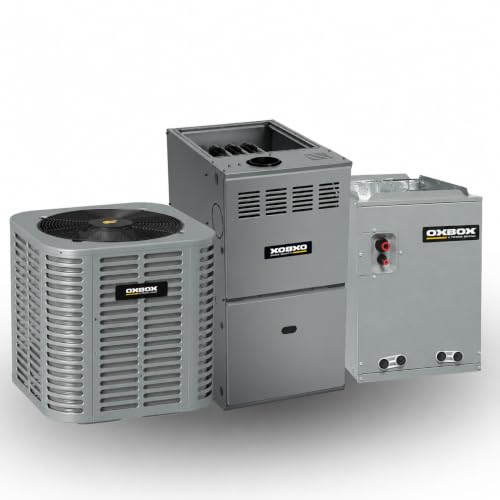
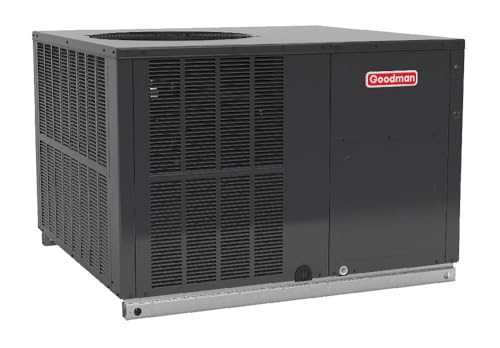
A 3 ton gas heating and air conditioning system combines a 3 ton (36,000 BTU per hour) cooling stage with a gas-fired furnace in a single integrated HVAC solution. In practice, this configuration appears in three common forms: a split system pairing a 3 ton air conditioner or heat pump with a gas furnace and evaporator coil, a packaged unit that houses both cooling and gas heating in one outdoor cabinet, and hybrid or dual-fuel arrangements where a heat pump handles mild weather and the gas furnace takes over in colder conditions.
The "3 ton" designation refers to cooling capacity — 1 ton equals 12,000 BTU per hour, so a 3 ton system delivers 36,000 BTU per hour of cooling. The gas heating side is rated separately, typically in the range of 60,000 to 100,000 BTU input depending on the furnace model and climate zone. Understanding both ratings is essential: cooling and heating capacities are not interchangeable, and the right match depends on your home's load calculation rather than a rough rule of thumb.
Homeowners researching a 3 ton AC unit often discover they also need to plan the heating side at the same time. If you already know that a 3 ton cooling capacity fits your home, the next question is whether a gas furnace, a heat pump, or a dual-fuel arrangement is the best match for your climate. For a broader look at cooling-only configurations, see the 3 ton air conditioning system overview, and for heating-focused comparisons, review the 3 ton AC unit with heat pump guide.
3 Ton / 36,000 BTU Cooling
Sized for many 1,500–2,100 sq ft homes depending on climate, insulation, window area, and ceiling height. Always confirm with a room-by-room load calculation.
Gas Furnace Integration
Typically paired with a 60,000–100,000 BTU input furnace. The furnace blower also circulates cooled air, so airflow matching matters as much as raw capacity.
Split, Packaged, or Dual-Fuel
Choose based on available space, ductwork, climate, and fuel availability. Each configuration has distinct installation and maintenance implications.
Who Should Choose a 3 Ton Gas System?
A 3 ton gas heating and air conditioning system is a strong fit for single-family homes in mixed and cold climates where natural gas or propane is available and where winters regularly drop below the point at which a heat pump alone becomes less effective. It is also common in light commercial spaces such as small offices, retail suites, and professional practices that need both cooling and robust heating from a single integrated platform.
- Mid-sized homes roughly in the 1,500–2,100 sq ft range, verified by a load calculation rather than square footage alone.
- Households that already have gas service and want a single fuel source for heating.
- Regions with cold winters where a gas furnace provides reliable heating capacity and faster recovery.
- Properties where a packaged unit simplifies installation because indoor mechanical space is limited.
- Owners replacing an aging furnace and air conditioner at the same time and seeking a matched, warranty-backed system.
If your home is smaller, a 2 ton air conditioner may be the better cooling match, while larger homes often step up to a 4 ton air conditioner and furnace combination. The right answer always comes from a Manual J load calculation, not from a generic chart. For guidance on how much space a 3 ton unit can realistically serve, see 3 ton AC unit square feet.
Sizing a 3 Ton Gas System Correctly
Sizing is the single most consequential decision in the entire buying process. An oversized system cools too quickly, cycles frequently, and leaves indoor humidity elevated because it does not run long enough to remove moisture. An undersized system runs continuously during peak conditions, struggles to maintain setpoint, and wears out prematurely. A 3 ton system is not automatically correct simply because it is a common size — it must match your actual calculated load.
A proper load calculation accounts for square footage, ceiling height, window orientation and glazing, insulation levels, air infiltration, duct location, occupant count, and local design temperatures. The heating side is calculated separately and should be matched to the furnace input rating. Your contractor should provide the calculation results in writing; if they simply eyeball the square footage, ask for the documented numbers before approving the project.
| Home Profile | Typical Cooling Match | Notes |
|---|---|---|
| Compact single-story, well insulated | 2 ton | Confirm with load calculation; avoid oversizing for humidity control. |
| Mid-sized single-family home, mixed climate | 3 ton | Most common match for this capacity class in moderate to cold climates. |
| Larger home, warm climate, significant glazing | 4 ton or higher | Requires documented calculation; ductwork must be sized accordingly. |
| Light commercial suite | 3 ton (varies widely) | Occupancy and equipment loads dominate; professional load study required. |
Key Components of a 3 Ton Gas System
1. The Cooling Stage
The cooling side consists of an outdoor condenser and an indoor evaporator coil rated for 3 tons. In a split system, these are separate components connected by refrigerant lines. In a packaged unit, they are housed in a single cabinet. The coil must be matched to the condenser — mismatched components reduce efficiency, void manufacturer warranties in many cases, and can cause refrigerant issues over time.
2. The Gas Furnace
The furnace provides heating and also houses the blower that circulates air through the entire system. Furnace efficiency is expressed as AFUE (Annual Fuel Utilization Efficiency). Entry-level furnaces typically sit in the low-to-mid 80% AFUE range, while premium condensing furnaces reach the mid-to-high 90s. The furnace blower must be sized to move the airflow required by the 3 ton coil — typically around 1,200 CFM — so furnace selection is not independent of the cooling side.
3. Ductwork and Air Distribution
Ductwork is often the weakest link in a replacement project. A 3 ton system pushing air through undersized or leaking ducts will underperform regardless of equipment quality. Duct sizing, sealing, and insulation should be evaluated as part of the installation plan. For a closer look at the furnace/air-conditioner pairing in split systems, the 3 ton air conditioner and furnace guide covers matching considerations in detail.
4. Controls and Thermostat
Modern gas systems benefit from programmable or smart thermostats that coordinate heating and cooling schedules. If you are evaluating control upgrades, a 2 wire AC thermostat reference explains basic wiring limitations, while most new installations will use multi-wire configurations that support fan control and staging.
Packaged vs. Split Configurations
A packaged gas-electric unit places the condenser, evaporator coil, and gas furnace in one outdoor cabinet. This is common in homes without a basement, in light commercial buildings, and in installations where indoor mechanical space is at a premium. Packaged units simplify the equipment footprint but require careful roof or slab placement and unobstructed combustion air and venting.
A split system separates the outdoor condenser from the indoor furnace and coil, which is the dominant configuration in homes with basements, crawlspaces, or utility closets. Split systems offer more granular matching of components and can be easier to service, but they require refrigerant line routing between indoor and outdoor units. A third option, the dual-fuel or hybrid system, pairs an electric heat pump for mild weather with a gas furnace for cold snaps; this can be highly efficient in transitional climates but adds control complexity.
| Configuration | Best For | Trade-Offs |
|---|---|---|
| Split system (AC + gas furnace) | Homes with indoor mechanical space and existing ductwork | More components to install and service; flexible matching |
| Packaged gas-electric unit | Slab or roof installations, limited indoor space | Single cabinet simplifies footprint; outdoor-only service access |
| Dual-fuel hybrid | Transitional climates with moderate winters | Higher control complexity; best efficiency depends on switchover settings |
Efficiency Ratings That Matter
For the cooling side, SEER2 (and its predecessor SEER) measures seasonal cooling efficiency. Higher ratings indicate more efficient operation, and modern minimum standards vary by region. For the heating side, AFUE measures furnace efficiency. A system is only as efficient as its weakest component: pairing a high-SEER condenser with a low-AFUE furnace leaves heating efficiency on the table, and vice versa.
Beyond the headline ratings, consider variable-speed or two-stage blowers, which improve humidity control and reduce temperature swings, and modulating gas valves, which provide gentler heat output. These features are characteristic of mid-range and premium tiers and are especially valuable in homes where comfort consistency matters more than raw capacity. Always verify that the selected combination appears on the manufacturer's matched system list.
Efficiency Buying Principle
Choose the efficiency tier that fits your climate severity and expected ownership horizon. In cold climates, investing in a higher-AFUE furnace often pays back faster than upgrading cooling efficiency, because heating runs longer. In mixed climates, balanced mid-range efficiency across both sides is usually the most sensible approach.
Installation Planning: What to Expect
Installing a 3 ton gas heating and air conditioning system is a multi-trade project involving refrigerant handling, gas piping, electrical work, venting, and duct modifications. Proper sequencing prevents callbacks and safety issues.
- Verify the electrical panel has adequate capacity and the correct breaker size for the outdoor unit.
- Confirm gas line sizing and pressure meet the furnace input requirements.
- Plan combustion air and venting per local code, especially for condensing furnaces.
- Inspect and seal ductwork before commissioning the new equipment.
- Ensure the outdoor unit has proper clearances and a level pad or secure roof curb.
- Evacuate refrigerant lines and verify charge per manufacturer specifications.
- Commission the system with measured airflow and temperature split documentation.
If you are comparing replacement options rather than a new installation, the 3 ton condensing unit reference explains how the outdoor section alone fits into a staged upgrade. For homes planning a full mechanical refresh, the 3 ton central air unit with heat pump comparison is useful for weighing gas versus electric heating strategies.
Maintenance for Long-Term Reliability
A 3 ton gas system includes both refrigerant and combustion components, so maintenance must cover both sides. Routine filter changes protect airflow and efficiency; annual professional service should include coil cleaning, refrigerant charge verification, heat exchanger inspection, burner cleaning, and safety checks for gas leaks and carbon monoxide.
- Replace or clean air filters every one to three months depending on household conditions.
- Schedule annual cooling-side service before the cooling season begins.
- Schedule annual heating-side service before the heating season begins.
- Keep the outdoor unit clear of debris, leaves, and snow accumulation.
- Monitor for unusual noises, ice formation, or short cycling and address promptly.
- Test carbon monoxide alarms and confirm venting integrity each year.
Selecting the Right System Tier
When comparing products, use tier language rather than headline specifications alone. Entry-level systems cover the essentials with single-stage operation and standard efficiency. Mid-range systems add two-stage or variable-speed blowers, better humidity control, and improved sound levels. Premium and high-end tier systems offer modulating gas valves, advanced controls, and the highest efficiency combinations. Commercial-grade packaged units emphasize durability and serviceability for light commercial duty.
| Tier | Best For | Typical Characteristics |
|---|---|---|
| Entry-level | Straightforward replacements, mild climates | Single-stage cooling, standard furnace efficiency |
| Mid-range | Most households seeking comfort and efficiency balance | Two-stage or variable-speed blower, improved humidity control |
| Premium / high-end tier | Cold climates, comfort-focused owners | Modulating furnace, high-SEER cooling, advanced controls |
| Commercial-grade | Light commercial and mixed-use spaces | Heavy-duty construction, serviceable access panels |
For homeowners also considering a single-package substitute, the 3 ton AC unit overview and the 3 ton AC with heat pump comparison provide useful context. If you are upgrading heating as part of the project, the 3 ton air conditioner and furnace guide covers matching furnace and coil selections.
Frequently Asked Questions
What size home does a 3 ton gas system typically serve?
In many moderate climates, a 3 ton system suits homes roughly in the 1,500–2,100 sq ft range, but this is a starting point only. A room-by-room load calculation is required because insulation, windows, ceiling height, and air sealing change the result substantially. For a discussion of coverage assumptions, see 3 ton AC unit square feet.
Is a gas furnace always better than a heat pump?
Not always. Gas furnaces provide strong, fast heating in cold climates and are a natural fit where gas service exists. Heat pumps are highly efficient in milder climates. In transitional climates, a dual-fuel system can use each source where it performs best. The 3 ton AC unit with heat pump comparison covers the trade-offs in detail.
Can I replace only the air conditioner and keep my existing furnace?
Sometimes, but the coil and furnace blower must be compatible with the new condenser. Mismatched components can reduce efficiency and may affect warranty coverage. A documented matching check is essential before proceeding. The 3 ton condensing unit reference explains how outdoor-only replacement fits into the broader system.
What maintenance does a gas heating and cooling system require?
Filters should be replaced or cleaned every one to three months. Annual professional service should cover both the cooling side (coil cleaning, refrigerant charge, electrical checks) and the heating side (burner cleaning, heat exchanger inspection, venting verification, and carbon monoxide safety checks).
What should I ask my contractor before signing?
Ask for the written load calculation, the matched system model numbers, the furnace AFUE and condenser SEER2 ratings, a ductwork assessment, permit responsibility, commissioning documentation, and warranty terms. A contractor who cannot provide these in writing should not be selected for the project.
Ready to Compare Systems?
A 3 ton gas heating and air conditioning system is a long-term investment in comfort and reliability. The most successful purchases begin with a documented load calculation, a matched equipment selection from a single manufacturer, and a contractor who commissions the system with measured performance data. Use the comparisons in this guide to narrow your options, then review the recommended systems below to explore specific products and configurations.