Wall Mounted Air Conditioning Unit for Bedroom: The Complete Guide
Everything you need to choose, size, and install a quiet, efficient wall mounted AC for your bedroom — from BTU calculation and inverter technology to placement, maintenance, and the features that actually matter for sleep comfort.
Start With SizingWhy wall mounted units dominate bedroom cooling: A ductless wall mounted system keeps the room clean and unobstructed, runs quietly overnight, cools only the space you sleep in, and requires no ductwork. For most bedrooms, it is the most practical and comfortable cooling solution available today.
What Is a Wall Mounted Bedroom AC Unit?
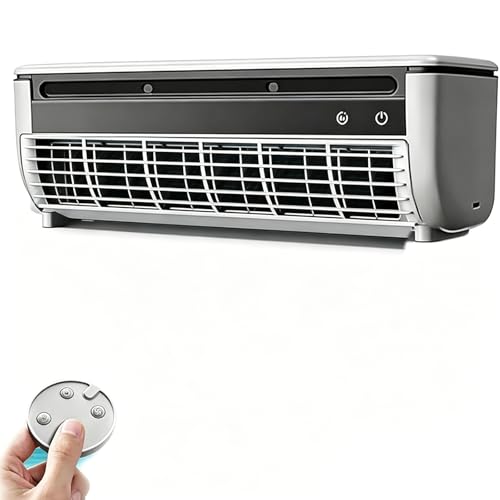
A wall mounted air conditioning unit is the indoor half of a ductless mini-split system. The slim indoor air handler mounts high on a bedroom wall — typically 7 to 8 feet above the floor — and delivers cooled, filtered air directly into the room. A small bundle of refrigerant lines, power cable, and condensate drain runs through a single hole in the wall to an outdoor condenser unit.
Unlike window units, a wall mounted system does not block light or require a window opening at all. Unlike central air, it does not depend on ductwork that may be leaky, dirty, or impossible to retrofit into an older home. This makes it a favorite for bedrooms in apartments, additions, converted attics, and homes without existing ducts — you can explore broader cooling options for rooms without a window if your layout is unusual.
The indoor unit is compact, usually 30 to 45 inches wide and under 12 inches deep, so it sits above furniture and out of the way. Most modern models include remote control, programmable timers, sleep mode, and increasingly Wi-Fi control through a smartphone app.
How to Size a Wall Mounted AC for a Bedroom
Getting the size right is the single most important decision. An undersized unit runs constantly and never fully cools the room. An oversized unit cools the air too quickly, shuts off before it removes humidity, and leaves the bedroom feeling cold and clammy — while cycling noisily all night. The industry baseline is roughly 20 BTU per square foot of floor space for a standard bedroom with an 8-foot ceiling.
| Bedroom Size | Floor Area | Typical Cooling Capacity | Best For |
|---|---|---|---|
| Small bedroom / nursery | Up to 150 sq ft | 5,000 – 6,000 BTU | Guest rooms, small apartments, home offices |
| Standard bedroom | 150 – 250 sq ft | 8,000 – 10,000 BTU | Typical secondary bedrooms, small master suites |
| Large bedroom / master suite | 250 – 400 sq ft | 12,000 – 14,000 BTU | Master bedrooms, bedrooms with sitting areas |
| Oversized bedroom suite | 400 – 600 sq ft | 15,000 – 18,000 BTU | Suites with walk-in closets, vaulted ceilings |
| Very large suite / loft | 600+ sq ft | 18,000 – 24,000 BTU | Open lofts, multi-zone considerations |
Adjust the baseline upward in these situations:
- Ceiling height above 8 feet — add roughly 10% capacity per additional foot of height.
- Strong afternoon sun — west- or south-facing bedrooms with large windows heat up faster; add 10–20%.
- Top floor or poorly insulated attic room — add 15–20%.
- Two or more regular occupants — add roughly 600 BTU per additional person.
- Heat-generating electronics — a bedroom with multiple monitors, gaming consoles, or a home-office setup needs extra headroom.
For a more precise figure, use the Manual J load calculation methodology or consult a technician. If you are comparing capacities across the lineup, the 8,000 BTU class and 10,000 BTU class cover the majority of standard bedrooms.
Inverter vs Non-Inverter: Which Is Better for a Bedroom?
For bedrooms, inverter technology is the clear winner in most cases. A non-inverter compressor runs at full speed and cycles on and off to maintain temperature; you hear it start and stop, and the room temperature drifts up and down between cycles. An inverter compressor varies its speed continuously, holding the set temperature within a fraction of a degree, running quieter for longer stretches, and using less energy during overnight operation.
Because bedrooms are occupied for six to nine hours at a time, the steadier temperature and lower humidity of an inverter system translate directly into better sleep. The compressor ramps down to a low, near-silent speed once the room reaches the target temperature, rather than cutting out entirely. If you want a deeper technical comparison, see our troubleshooting guide for cooling performance issues and look for models marketed as variable-speed or inverter-driven.
Key Features to Look For in a Bedroom Wall Mounted Unit
Quiet Operation
Look for indoor noise ratings in the low 20s to low 30s decibels on low fan speed. This is the feature bedroom buyers underestimate most; check the published sound level on the lowest setting, not the highest.
Sleep Mode
A dedicated sleep mode gradually raises the set temperature over several hours and lowers fan noise, matching the body's natural temperature drop during sleep while reducing energy use.
Inverter Compressor
Steady temperature, lower humidity swings, quieter overnight performance, and better efficiency during long run times. The single most important specification for a bedroom system.
High SEER2 / EER2 Rating
Efficiency ratings directly affect long-term operating energy use. Mid-range and premium units typically score higher; a strong rating matters more for bedrooms used nightly than for occasional rooms.
Wi-Fi & Smart Control
Pre-cool the bedroom before bed from your phone, set schedules, and integrate with smart home routines. Increasingly common in mid-range and premium models.
Filtration & Fresh Air
Washable pre-filters, fine dust filters, and in some models ionizers or PM2.5 filters. Useful for allergy sufferers; check filter availability and cleaning ease.
Auto Restart & Timer
After a power interruption, auto restart returns the unit to its previous settings. A programmable timer lets you cool the room before bedtime and shut off in the morning.
Heat Pump Capability
Many wall mounted mini-splits are reversible and can heat as well as cool, extending the unit's usefulness into shoulder seasons and reducing reliance on separate heaters.
Pros and Cons of Wall Mounted AC for Bedrooms
Advantages
- Quietest common cooling option for sleeping
- No window needed and no view blocked
- Cools only the bedroom, not the whole house
- No ductwork to install, clean, or leak
- Slim indoor unit stays out of the way
- Inverter models deliver steady, comfortable temperature
- Reversible models add efficient heating
Considerations
- Requires professional installation and a wall penetration
- Outdoor condenser must be placed thoughtfully for noise and access
- Higher upfront investment than a window unit
- One indoor unit serves one room; multiple bedrooms need multiple zones
- Condensate drainage must be routed correctly to avoid drips
Where to Mount the Indoor Unit
Placement affects comfort, airflow, and noise more than most buyers expect. Follow these guidelines:
- High on the wall — 7 to 8 feet above the floor, leaving clearance above and below for airflow.
- Aim the airflow along the room, not at the bed — most units have adjustable louvers; direct the stream parallel to the ceiling or toward the open floor.
- Avoid mounting directly over the headboard — even quiet units can create a noticeable draft and low-frequency hum near the sleeper.
- Keep the outdoor condenser away from bedroom windows and off shared walls where vibration could carry.
- Plan the drain route — condensate must flow downhill to the exterior or a drain; a misrouted line is a leading cause of water leaks from the indoor unit.
- Leave service access — the filter and blower need to be reachable for routine cleaning.
For rooms where a window is available but you prefer not to use it, wall mounted systems remain the cleanest solution; our guide to wall mounted AC units covers placement variations in more detail.
Installation: What to Expect
Professional installation typically takes a few hours for a single-zone system. The technician mounts the indoor unit on a bracket, drills a 2.5 to 3 inch hole through the wall, routes and flares the refrigerant lines, connects power, vacuums the line set to remove moisture and air, pressure-tests for leaks, and charges the system if needed. The outdoor condenser is set on a pad or wall bracket with adequate clearance for airflow.
Budget for a licensed HVAC contractor and confirm the scope includes the wall penetration, line-set cover (often called a line hide), electrical work, and cleanup. For a look at what the service involves, see air conditioning service and repair and installation cost factors. If you are replacing an old system, replacement service may bundle removal and disposal.
Maintenance for Bedroom Wall Mounted Units
Consistent maintenance keeps the unit quiet, efficient, and healthy. A practical schedule:
- Every 2 to 4 weeks during heavy use: remove and rinse the washable indoor filter.
- Every 3 to 6 months: wipe the indoor unit exterior and check the drain line for clogs.
- Annually: professional tune-up — coil cleaning, refrigerant check, electrical inspection, and condenser cleaning. See AC tune-up and unit cleaning.
- As needed: clear debris around the outdoor condenser and confirm it is level and unobstructed.
If the unit stops cooling, blows warm air, or makes new noises, consult a specialist early rather than letting the problem compound. Our guides on AC blowing hot air, not blowing cold air, and refrigerant leaks help you diagnose before calling a repair specialist.
Common Bedroom Cooling Mistakes to Avoid
- Oversizing the unit — a bigger unit is not better; it short-cycles and leaves humidity high.
- Mounting the indoor unit facing the bed — direct airflow causes drafts and discomfort.
- Ignoring the outdoor unit's location — a condenser squeezed into a hot, enclosed space loses efficiency and runs louder.
- Setting the thermostat very low at night — a steady moderate setting with sleep mode is more comfortable and efficient than wide temperature swings.
- Skipping filter cleaning — a clogged filter reduces airflow, raises noise, and strains the compressor.
- DIY refrigerant work — handling refrigerant requires certification and the right equipment; improper charging damages the system.
Frequently Asked Questions
What size wall mounted AC unit do I need for a bedroom?
Are wall mounted AC units quiet enough for a bedroom?
Do wall mounted bedroom AC units require a window?
Can I install a wall mounted bedroom AC unit myself?
How much maintenance does a wall mounted bedroom AC need?
Is an inverter wall mounted AC better for a bedroom?
Final Checklist Before You Buy
- Measure the bedroom's length and width, then calculate square footage.
- Confirm ceiling height and note sun exposure and window size.
- Decide on a target cooling capacity using the table above.
- Choose inverter technology for overnight comfort and efficiency.
- Verify the indoor noise rating on the lowest fan setting.
- Confirm the unit includes sleep mode and a timer or app scheduling.
- Check whether you want cooling only or a reversible heat pump.
- Identify a suitable indoor wall location and an accessible outdoor condenser spot.
- Get an installation quote from a licensed contractor and confirm warranty terms.
Ready to Compare Bedroom Wall Mounted Units?
Browse our curated selection of wall mounted air conditioners suited to bedroom use, with filters for capacity, inverter technology, and noise level.
See Recommended Units Below