Air Conditioning Unit Installation Cost: What to Expect
Understand the real factors behind air conditioning unit installation cost — from unit type and home layout to labor and permits — so you can plan your project with confidence and avoid surprises.
Explore Cost FactorsWhy This Guide Matters: Air conditioning unit installation is a significant home investment. Many homeowners are surprised by the gap between the unit's sticker price and the final installed amount. This guide breaks down exactly where your investment goes, which factors push the total higher or lower, and how to make a well-informed decision before signing a contract.
Understanding Air Conditioning Unit Installation Cost
When researching air conditioning unit installation cost, most homeowners quickly discover that the number on the box is only part of the picture. Professional installation involves labor, materials, permits, and site preparation — each of which contributes to the final amount you pay. The total investment can vary dramatically based on the type of system you choose and the condition of your home's existing infrastructure.
Understanding the components of installation cost helps you evaluate contractor quotes, avoid hidden fees, and choose a system that fits both your comfort needs and your long-term planning. Whether you are considering a straightforward single-room air conditioning unit or a whole-home central air conditioning system, the principles in this guide apply across the board.
Key Factors That Influence Installation Cost
The following factors are the primary drivers behind the variation in air conditioning unit installation cost across the United States. Each factor can move your total up or down by a meaningful margin, so evaluate them honestly for your specific situation.
Type of AC System
Window and portable units have the most straightforward installation path and the lowest labor requirement. Ductless mini-splits add complexity with line sets and wall penetrations. Central air systems demand ductwork integration, refrigerant lines, and electrical work — placing them at the top of the installation complexity scale.
Home Size and Layout
Larger homes or multi-story layouts require longer refrigerant lines, more duct runs, and additional labor hours. A compact single-room installation is far simpler than outfitting a 3,000-square-foot house. Whole-home systems naturally sit at the higher end of the installation spectrum.
Existing Ductwork Condition
Homes with sound, properly sized ductwork avoid major modifications. Older homes with undersized, leaking, or absent ducts may require ductwork installation or repair, which can be a substantial line item. Ductless systems sidestep this entirely — a key reason they appeal to rooms without existing duct infrastructure.
Electrical System Compatibility
Modern high-efficiency units often require dedicated circuits or panel upgrades. If your air handler or outdoor condenser needs a new breaker or wiring run, an electrician's involvement adds to the project total. Always confirm your home's electrical capacity before finalizing a unit selection.
Installation Complexity and Site Access
Roof-mounted condensers, second-story installations, or units requiring concrete pads and hoisting equipment increase labor. Tight crawl spaces and finished walls that need patching also add to the scope. Simple ground-level installations keep costs contained.
Labor Rates and Permits
Licensed HVAC technicians in high-demand metropolitan areas command higher labor rates. Many jurisdictions also require mechanical permits and inspections, which carry their own fees. Skipping permits may seem like a shortcut but can create complications during resale or insurance claims.
Installation Investment Ranges by System Type
To frame your expectations, here is how typical installation investments compare across the major system categories. Note that these are relative positions — actual figures depend on your region, home, and contractor.
| System Type | Installation Complexity | Typical Investment Position | Best For |
|---|---|---|---|
| Window AC Unit | Low | Entry-level tier | Single rooms, renters, temporary cooling |
| Portable AC Unit | Very low | Entry-level tier | Spaces without permanent installation options |
| Ductless Mini-Split | Moderate | Mid-range to high-end tier | Homes without ducts, room additions, zoning |
| Central Air Conditioning | High | High-end to luxury tier | Whole-home cooling, new construction, retrofits |
| Through-the-Wall AC | Moderate | Mid-tier | Permanent room cooling, replacing existing wall units |
Central Air Conditioning Installation Considerations
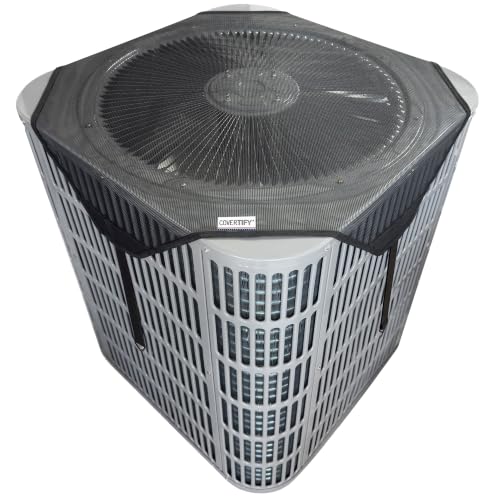
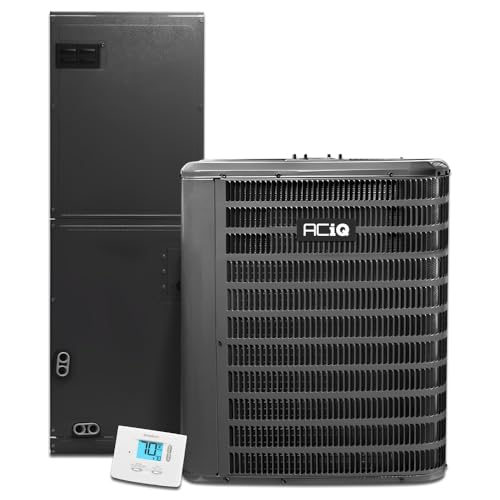
Central air conditioning represents the most involved installation project and, correspondingly, sits at the top of the investment scale. The project involves an outdoor condenser, an indoor air handler, refrigerant line sets, condensate drainage, electrical connections, thermostat wiring, and — critically — integration with your home's duct system.
Advantages
- Whole-home comfort from a single system
- Seamless integration with existing ductwork
- Supports air filtration and humidity control
- Adds long-term property value
Considerations
- Highest installation complexity
- Ductwork condition can add substantial scope
- Requires dedicated electrical capacity
- Permit and inspection requirements apply
If your home already has ductwork but the system is aging, an air conditioning replacement service can often reuse existing infrastructure, which keeps the installation project simpler than a full new build-out. Conversely, manufactured homes may require specialized duct configurations that affect the installation approach.
Ductless Mini-Split Installation Considerations
Ductless mini-splits occupy a middle ground. They avoid the need for extensive ductwork — a major advantage for older homes and room additions — but still require refrigerant line routing, wall penetrations for each indoor head, outdoor condenser placement, and electrical work. Multi-zone systems multiply the complexity because each indoor unit needs its own line set and drain path.
For homeowners cooling a specific area, a single-zone mini-split is a focused investment. Those seeking to cool multiple zones or an entire floor should expect the project to scale accordingly. Mini-splits are particularly well-suited to living room installations and bedroom wall-mounted configurations.
Window and Portable Unit Installation
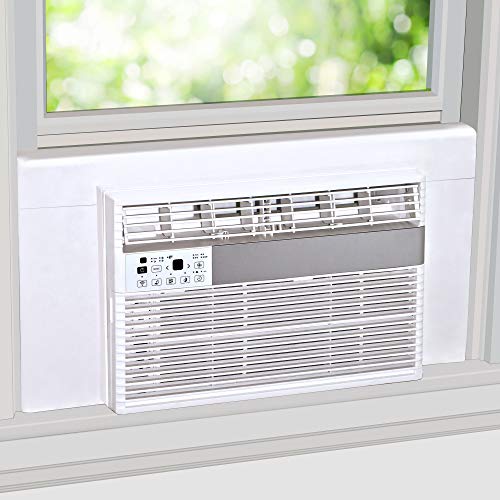
Window and portable units represent the most accessible entry point into air conditioning. Installation for a window unit typically involves mounting brackets, proper sealing to prevent air leaks and vibration, and ensuring the unit is level. Portable units need only a window vent kit and proper placement.
While these installations are simpler, professional mounting and sealing are still worthwhile — poorly sealed window units waste energy and can allow moisture intrusion. For rooms where a standard window unit is not feasible, alternative windowless solutions exist, though these often involve more involved installation paths.
Hidden and Often-Overlooked Installation Items
Beyond the headline installation figure, several items frequently appear as separate line entries or surprises. Ask about each of these before signing:
- Old equipment removal and disposal — hauling away the old condenser or window unit
- Duct sealing and insulation — improving efficiency while access is available
- Electrical panel upgrades — if your panel lacks capacity for the new load
- Refrigerant line replacement — reusing old lines is not always advisable
- Condensate pump and drain routing — especially in basements or interior installations
- Permit fees and inspection scheduling — required in most jurisdictions
- Thermostat upgrade — smart thermostats often require additional wiring
- Wall patching and paint touch-ups — after line set penetrations or unit removal
How to Manage Installation Investment Wisely
While installation is unavoidable, there are legitimate ways to keep the project efficient and predictable:
- Schedule in shoulder seasons — spring and fall often see more flexible contractor availability
- Collect at least three quotes — from licensed, insured contractors with verifiable references
- Match the unit to your infrastructure — a system that fits existing ducts and electrical service avoids costly retrofits
- Consider high-efficiency models — federal tax credits and utility rebates can offset part of the investment
- Bundle maintenance — many contractors offer installation plus an annual service and maintenance plan at a combined advantage
- Ask about warranty registration — proper registration protects your investment and is sometimes required for full coverage
If your existing system is failing, weigh the repair options carefully against replacement. A qualified repair specialist can advise whether a repair extends the system's life meaningfully or whether redirecting that investment toward a new installation is the better path.
Frequently Asked Questions
How much does air conditioning unit installation cost?
The total investment varies widely based on unit type, home size, and local labor rates. Entry-level window installations fall in the lower tier, mid-range mini-split installations require a moderate investment, and premium central air systems sit at the top of the spectrum. Ductwork requirements, electrical upgrades, and permit fees also influence the final amount.
What factors affect AC installation cost the most?
The most significant factors are the type and capacity of the AC unit, existing ductwork condition, electrical compatibility, installation complexity (wall modifications, concrete work, hoisting), local labor rates, and permits. Homes needing new ductwork or electrical panel upgrades see higher installation investments.
Is professional installation necessary for an AC unit?
Yes, professional installation is essential for most AC types. Central and mini-split systems require refrigerant handling regulated by the EPA. Improper installation can void warranties, reduce efficiency, and create safety hazards. Even window units benefit from professional sealing and mounting.
How can I reduce AC installation costs?
Schedule during off-peak seasons, obtain multiple quotes, choose a unit matching your existing infrastructure, bundle installation with a maintenance plan, and take advantage of rebates or tax credits for high-efficiency models. Addressing minor duct or electrical issues proactively also prevents escalation during installation.
What is included in a standard AC installation quote?
A comprehensive quote includes equipment, labor, refrigerant lines, electrical work, drain line installation, thermostat setup, system testing, permit acquisition, and cleanup. Confirm whether duct modifications, old equipment removal, and extended warranties are included or quoted separately.
Ready to Choose the Right System?
Now that you understand what drives air conditioning unit installation cost, you are in a stronger position to evaluate contractor proposals and select a system that fits your home, your infrastructure, and your long-term comfort goals.
View Recommended Air Conditioners