Air Conditioning Wall Mounted Units: The Complete Guide
Everything you need to know about wall mounted air conditioning units — how they work, how to size them, efficiency ratings, installation, maintenance, and how to choose the right tier for your home.
START LEARNINGWhy this guide matters: Wall mounted air conditioning units — also called wall split systems or ductless mini-splits — are one of the most practical cooling solutions for single rooms, additions, and homes without ductwork. This guide is designed for research-stage readers who already know what they want but need trustworthy, complete information before making a confident choice.
What Is a Wall Mounted Air Conditioning Unit?
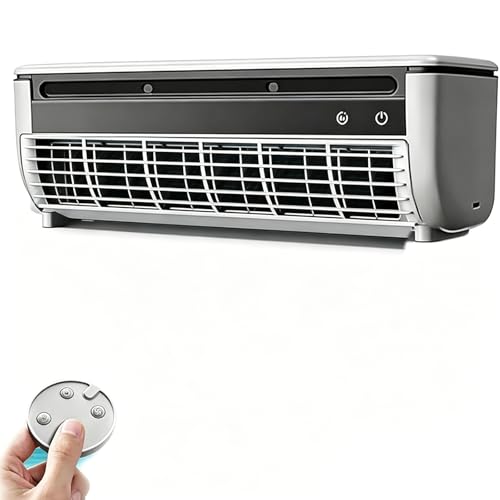
A wall mounted air conditioning unit consists of two main parts. The indoor air handler is mounted high on a wall and delivers conditioned air directly into the room. The outdoor condenser sits outside the building and releases heat. The two are connected by a refrigerant line set, a condensate drain, and electrical wiring routed through a small wall penetration.
This design is often referred to as a wall mounted split system or ductless mini-split AC. Because there are no ducts, wall mounted units avoid the energy losses common in ducted systems and can be installed in older homes, additions, and individual rooms with minimal structural work.
Key Advantages of Wall Mounted AC Units
No Ductwork Required
Only a small hole through the wall is needed for the line set and drain. This makes wall mounted units ideal for homes without existing ducts, retrofits, and room-by-room cooling.
Room-by-Room Control
Each indoor head operates independently, so you can cool only the rooms in use. This zoning approach improves comfort and reduces wasted cooling in unoccupied spaces.
Quiet Indoor Operation
Because the compressor and fan are in the outdoor unit, indoor noise levels are typically much lower than window or portable units — a major benefit for bedrooms and home offices.
High Efficiency Potential
Modern wall mounted systems, especially inverter-driven models, can reach high SEER2 ratings and maintain efficiency across a wide range of outdoor temperatures.
Cleaner Aesthetics
A slim indoor air handler mounted high on the wall keeps floor space clear and blends into the room far better than floor-standing or window alternatives.
Flexible Installation
Wall mounted heads can serve bedrooms, living rooms, home offices, sunrooms, and additions. Multi-zone systems connect several indoor heads to one outdoor unit.
Wall Mounted vs. Other AC Types
| Feature | Wall Mounted Split | Window AC | Portable AC | Central AC |
|---|---|---|---|---|
| Ductwork | Not required | Not required | Not required | Required |
| Indoor Noise | Low | Moderate to high | Moderate | Low to moderate |
| Room-by-Room Zoning | Excellent | Single room only | Single room only | Limited without zoning |
| Installation Complexity | Professional recommended | DIY-friendly | DIY-friendly | Professional only |
| Best For | Single rooms, additions, ductless homes | Single rooms with a window | Temporary or rental spaces | Whole-home cooling |
If you are comparing options for a specific space, our guides on AC units for small apartments and wall mounted units for bedrooms break down the trade-offs in more detail.
How Wall Mounted Systems Work
Wall mounted units use a vapor-compression refrigeration cycle. The indoor coil absorbs heat and humidity from the room air, and the refrigerant carries that heat to the outdoor unit, where it is released. The indoor fan then distributes cooled, dehumidified air back into the room.
- Indoor air handler: contains the evaporator coil, blower fan, and filters; mounted high on the wall for even air distribution.
- Outdoor condenser: contains the compressor and condenser coil; releases heat and is typically placed on a pad, bracket, or roof.
- Refrigerant line set: insulated copper lines that connect the indoor and outdoor units.
- Condensate drain: removes moisture collected during cooling, usually routed through the wall to the outside.
- Controls: a remote, wall thermostat, or smart app controls temperature, fan speed, and operating mode.
For a deeper explanation of the cooling cycle, see our article on how an air conditioner works.
Inverter vs. Non-Inverter Wall Mounted Units
The compressor technology inside the outdoor unit has a major impact on comfort and long-term efficiency. Inverter compressors vary their speed to match the load, while non-inverter compressors cycle on and off at full capacity.
| Consideration | Inverter Unit | Non-Inverter Unit |
|---|---|---|
| Temperature Stability | Very stable, fewer swings | More noticeable swings |
| Efficiency at Part Load | High | Lower |
| Noise Variation | Smoother, quieter operation | Distinct on/off cycling |
| Market Position | Common in mid-range and high-end tier | More common in entry-level tier |
| Best For | Bedrooms, living spaces, frequent use | Occasional-use rooms |
Our comparison of inverter vs. non-inverter AC and the guide on inverter AC technology explain the differences in greater depth.
How to Size a Wall Mounted AC Unit
Correct sizing is the single most important decision in wall mounted AC selection. An undersized unit runs continuously without reaching the set temperature, while an oversized unit cools too quickly, cycles frequently, and struggles to remove humidity. Both outcomes reduce comfort and efficiency.
Start with room square footage and ceiling height, then adjust for sun exposure, window area, occupancy, appliance load, and insulation quality. A professional Manual J load calculation remains the most accurate method.
| Room Size | Typical Capacity Range | Common Applications |
|---|---|---|
| Up to 150 sq ft | 5,000 – 6,000 BTU | Small bedrooms, studies |
| 150 – 250 sq ft | 8,000 – 10,000 BTU | Bedrooms, small living rooms |
| 250 – 400 sq ft | 12,000 – 14,000 BTU | Living rooms, open-plan spaces |
| 400 – 600 sq ft | 18,000 – 24,000 BTU | Large rooms, multi-zone coverage |
For a step-by-step method, use our guide on how to size an air conditioner or the BTU calculator by room size. If you are comparing specific capacities, see the 8,000 BTU and 10,000 BTU unit guides.
Efficiency Ratings Explained
Efficiency ratings help you compare wall mounted units on a like-for-like basis. The most relevant metrics are SEER2 for cooling season efficiency, EER2 for peak-condition efficiency, and HSPF2 for heating performance on heat-pump models.
- SEER2: seasonal efficiency across the cooling season; higher is better.
- EER2: efficiency at a specific high-temperature test point; important in hot climates.
- HSPF2: heating efficiency for systems with a heat pump function.
- ENERGY STAR: certification indicating the unit meets or exceeds efficiency thresholds set for its category.
Read our explainers on SEER ratings, SEER vs. SEER2, and EER ratings for the full context.
Installation Considerations
Wall mounted systems are simpler to install than central AC, but professional installation is still strongly recommended. Proper placement, line-set routing, vacuuming, and charge adjustment directly affect performance and equipment life.
- Indoor head placement: high on the wall, clear of obstructions, and positioned so airflow reaches the occupied zone.
- Outdoor unit placement: shaded, well-ventilated, level, and accessible for service.
- Line-set length: follow the manufacturer's minimum and maximum limits; excessive length affects capacity.
- Electrical requirements: confirm circuit capacity and breaker size with a qualified electrician or HVAC technician.
- Permits: many jurisdictions require a permit for refrigerant-line installation and electrical work.
For practical guidance, see our articles on AC indoor and outdoor placement and how to choose an HVAC contractor. Homeowners budgeting for the project can review the general installation cost guide for context on professional labor.
Maintenance That Protects Efficiency
Wall mounted units are relatively low-maintenance, but a small amount of regular care goes a long way. Clean filters protect airflow, clean coils protect heat transfer, and a clear condensate drain prevents water problems.
- Clean or replace the indoor filter every few weeks during heavy cooling season.
- Clean the outdoor condenser coil seasonally, removing leaves and debris.
- Check the condensate drain for clogs and confirm water drains freely.
- Keep the outdoor unit clear of obstructions and vegetation.
- Schedule a professional tune-up before each cooling season.
Our guides on cleaning AC filters and AC tune-ups provide step-by-step instructions. If the unit stops cooling, see air conditioning system not cooling for troubleshooting.
Common Problems and Troubleshooting
Not Cooling Properly
Often caused by a dirty filter, low refrigerant, or a blocked outdoor coil. Review our not cooling properly guide before calling a technician.
Blowing Hot Air
Check mode settings, thermostat batteries, and outdoor unit operation. See AC unit blowing hot air for a diagnostic walkthrough.
Water Leaks
Usually a blocked condensate drain or a frozen coil. Our AC unit leaking water guide explains the common causes.
Refrigerant Leaks
Low charge reduces capacity and can damage the compressor. See AC unit leaking refrigerant for warning signs.
Unusual Noise
Rattling, humming, or grinding often points to loose parts, fan issues, or compressor problems. Review AC making noise.
Frozen Coils
Restricted airflow or low refrigerant can freeze the indoor coil. See AC frozen coils for safe next steps.
Choosing the Right Tier for Your Home
Wall mounted units are available across several market tiers. The right tier depends on how heavily the unit will run, how important noise and smart features are, and how long you plan to keep the system.
| Tier | Best For | Typical Characteristics |
|---|---|---|
| Entry-level | Occasional-use rooms, starter setups | Basic controls, non-inverter or simple inverter compressor, standard efficiency |
| Mid-range | Bedrooms, home offices, daily use | Inverter compressor, quieter operation, better filtration, remote or app control |
| Premium | Living spaces, primary bedrooms, high-use zones | Very high SEER2, advanced airflow, smart controls, enhanced filtration, low noise |
| High-end tier | Whole-home multi-zone systems | Multi-zone capability, premium materials, advanced sensors, top efficiency |
Within the same tier, look for solid build quality, a good warranty, and a service network in your area. A well-specified mid-range unit often delivers a better overall experience than an entry-level unit pushed beyond its intended use.
Wall Mounted Units for Specific Rooms
Bedrooms
Quiet operation and stable temperature matter most. See our bedroom wall mounted guide for sizing and placement tips.
Living Rooms
Larger spaces need higher capacity and better air distribution. Review AC units for living rooms.
Rooms Without Windows
Wall mounted splits are a strong fit for interior rooms. See AC for a room without a window.
Small Apartments
Single-zone wall splits are often the most practical option. Read AC for small apartments.
Frequently Asked Questions
What is a wall mounted air conditioning unit?
A wall mounted air conditioning unit, often called a wall split or ductless mini-split, has an indoor air handler mounted high on a wall and an outdoor condenser connected by refrigerant lines. It cools a single room or zone without ductwork.
How do I size a wall mounted AC unit?
Start with room square footage and ceiling height, then adjust for sun exposure, window area, occupancy, and insulation. A professional Manual J load calculation gives the most accurate result, and avoiding oversizing is essential for comfort and efficiency.
Can a wall mounted AC unit be installed without ductwork?
Yes. Wall mounted split systems are ductless by design. Only a small hole through the wall is needed for refrigerant lines, condensate drainage, and power, which makes them ideal for older homes and rooms without existing ducts.
What SEER rating should I look for in a wall mounted unit?
Look for units that meet or exceed current regional efficiency standards. High-end tier units often achieve much higher SEER2 ratings, which matter in long-term running efficiency, especially in hot climates with heavy cooling hours.
How much maintenance does a wall mounted AC need?
Clean or replace the indoor filter every few weeks during heavy use, clean the outdoor coil seasonally, keep the condensate drain clear, and schedule professional tune-ups. Regular maintenance protects efficiency and extends equipment life.
Ready to Compare Wall Mounted Options?
Use the recommendations below to explore wall mounted air conditioning units that match your room size, efficiency goals, and preferred tier.
Explore Options