Air Duct Cleaning Companies In My Area: A Complete Buyer's Guide
Everything you need to know before hiring a professional duct cleaning service — what to expect, how to vet contractors, and how to make a confident, informed decision for your home.
START THE GUIDEWhy this guide exists: Searching for "air duct cleaning companies in my area" is easy. Knowing which ones are trustworthy is hard. This page walks you through the research phase — the signs of a quality contractor, the red flags to avoid, and the questions to ask — so you can move from research to booking with confidence.
What Air Duct Cleaning Really Involves
Air duct cleaning is the process of removing accumulated dust, debris, pet dander, pollen, and sometimes mold or microbial growth from the ductwork that circulates conditioned air throughout your home. A professional service typically uses specialized equipment — high-powered negative-pressure vacuums, rotary brush systems, compressed-air whips, and HEPA filtration — to dislodge and capture contaminants without releasing them into your living space.
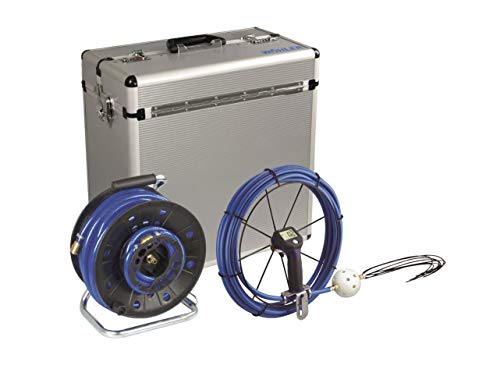
It is not simply "vacuuming the vents." A thorough job addresses the entire system: supply ducts, return ducts, registers, grilles, the air handler, evaporator coil, and drain pan. The best companies in any area will also perform a visual duct inspection before and after the work, often using a camera, so you can see the difference.
Supply Ducts
Carry cooled or heated air from the air handler to each room. These are the ducts where dust most visibly settles and where airflow restrictions tend to develop.
Return Ducts
Pull air back to the air handler. Return trunks are usually larger and often collect the heaviest debris because they draw from multiple living spaces.
Air Handler & Coil
The indoor unit contains the blower and evaporator coil. A complete duct cleaning should include these components, since a clean duct system paired with a dirty coil is only half the job.
Registers & Grilles
The visible vents in each room are removed, cleaned, and reinstalled. This is the most obvious visible result of a professional cleaning.
If your system is part of a larger home comfort setup, it helps to understand how the air handler unit and air ductwork work together. A cleaning company that understands the whole system — not just the visible vents — is far more likely to deliver a result that actually improves airflow and indoor air quality.
Signs You May Need Professional Duct Cleaning
Not every home needs duct cleaning every year — and a good contractor will tell you that honestly. But certain conditions strongly suggest it is time to schedule a service. Watch for these indicators:
- Visible dust buildup around vents: Dark streaks or fuzzy dust around registers often mean debris is being pushed out of the ducts.
- Musty or stale odors when the HVAC runs: A persistent smell when the system starts can indicate microbial growth or accumulated organic debris.
- Recent renovation or construction: Drywall dust, sawdust, and construction debris get pulled into return ducts and settle throughout the system.
- Pets or allergy sufferers in the home: Pet dander and pollen accumulate faster in households with animals or family members with respiratory sensitivities.
- Visible mold inside ducts or on registers: Any visible mold growth warrants immediate professional attention and possibly an air filtration system for home upgrade.
- Uneven airflow between rooms: A partially blocked duct can cause some rooms to feel under-conditioned while others are fine.
- New home purchase: You rarely know the previous owner's maintenance habits, making an inspection and cleaning a sensible first step.
If your system is struggling to cool or heat efficiently, the issue may not be the ducts alone. Our guide to an air conditioning system not cooling covers the broader diagnostic picture, and a tune-up is often the right first call before scheduling a full duct cleaning.
What a Reputable Air Duct Cleaning Company Should Do
The best companies follow a documented, systematic process. When you compare air duct cleaning contractors, use this checklist to judge whether a provider is operating at a professional standard:
- Pre-inspection and assessment A technician inspects the duct system, often with a camera, identifies problem areas, and explains what will be done before any work begins.
- Containment and negative pressure The work area is sealed and a high-powered vacuum creates negative pressure so dislodged debris is captured rather than blown into living spaces.
- Agitation of the duct interior Rotary brushes, air whips, or mechanical snakes loosen adhered debris from duct walls, including hard-to-reach branches.
- Cleaning of components Registers, grilles, the air handler, evaporator coil, and drain pan are cleaned as part of the scope — not as an afterthought.
- Post-cleaning verification A responsible contractor shows before-and-after photos or a camera walkthrough, and confirms airflow and system operation.
- Written summary and recommendations You receive a clear report of what was done, what was found, and any maintenance recommendations for the future.
If you are also dealing with a system that is leaking or showing other symptoms, a broader air conditioning service and maintenance visit may be the smarter combined appointment — many reputable companies offer both duct cleaning and HVAC service.
How To Vet Air Duct Cleaning Companies In Your Area
Local listings can be overwhelming. The difference between a top-tier provider and an entry-level operation usually comes down to credentials, transparency, and process. Use the comparison below as a quick vetting framework.
| Criteria | What a Top-Tier Company Shows | What Should Raise Concern |
|---|---|---|
| Certification | NADCA certification, licensed HVAC technicians, visible credentials | No certification or license information available on request |
| Inspection first | Offers a camera inspection and explains findings before quoting | Quotes a service before seeing the system |
| Scope of work | Written scope covering supply, return, air handler, and coil | Vague "whole house cleaning" with no itemized scope |
| Upselling | Recommends only what the inspection supports | High-pressure add-ons for sealants, sanitizers, or "air quality packages" |
| Insurance | Liability insurance and workers' comp confirmed in writing | Cannot or will not provide proof of insurance |
| Verification | Before-and-after photos or camera footage provided | No visual verification of results |
| Reviews | Consistent, detailed reviews across multiple platforms | Only glowing reviews with no detail, or unresolved complaints |
Beyond credentials, ask direct questions during the initial call. A professional company will welcome them. Ask: Do you perform a camera inspection? Is the air handler and coil included? Do you use negative-pressure containment? Can I see before-and-after documentation? Are your technicians licensed and insured? The answers separate professional-grade providers from entry-level operations.
Ready To Compare Local Providers?
Use the vetting framework above, request written quotes from at least three companies, and ask for camera verification. A few minutes of research now saves hours of frustration later.
EXPLORE RECOMMENDED OPTIONSWhat Affects The Scope Of A Duct Cleaning Job
Two homes of the same square footage can require very different levels of service. The scope of work depends on several factors that a reputable contractor will assess during inspection:
- System size and layout: A single-story home with a compact duct run is simpler than a multi-story home with long trunk lines and many branches.
- Duct material: Sheet metal, flex duct, and duct board each require different cleaning techniques. Flex duct, in particular, must be handled carefully to avoid damage.
- Contamination level: Heavy debris, pest activity, or microbial growth requires more time and specialized treatment than routine maintenance cleaning.
- Accessibility: Ducts with limited access points take longer to service and may require additional access cuts.
- Additional components: Cleaning the air handler, evaporator coil, and drain pan adds scope but is essential for a complete result. Learn more about the air handler for AC unit and how it fits into the system.
If your home also has dryer vents, many companies bundle air duct and dryer vent cleaning into a single visit — a practical and often recommended combination since both are lint-and-debris collection points.
The Cleaning Process, Step By Step
Understanding what happens during a visit helps you evaluate whether a company is doing the job properly. A standard residential service generally follows this sequence:
- Arrival and walkthrough The technician reviews the system layout, identifies all vents and returns, and sets up protective drop cloths.
- Containment setup A negative-pressure vacuum is connected to the main trunk, and openings are sealed to prevent debris from escaping.
- Register and grille removal All supply and return registers are removed and cleaned separately, then set aside for reinstallation.
- Duct agitation and extraction Brushes, whips, and air tools loosen debris inside each branch while the vacuum pulls it into a HEPA-filtered collection unit.
- Air handler and coil cleaning The blower compartment, evaporator coil, and drain pan are cleaned — a step that many entry-level services skip.
- Reinstallation and verification Registers are reinstalled, the system is tested for airflow, and before-and-after documentation is shared with you.
Most residential jobs take two to four hours. After the service, a brief air duct inspection can confirm the result and establish a baseline for future maintenance.
Common Mistakes To Avoid When Hiring
The most common frustration homeowners report is not the cleaning itself — it is choosing the wrong provider. Avoid these pitfalls:
- Choosing the lowest quote without checking scope: A stripped-down service that skips the air handler and coil may appear complete but leaves half the system dirty.
- Ignoring certification and insurance: Uninsured operators create liability risk if something is damaged during the job.
- Skipping the inspection: Cleaning without a camera inspection means neither you nor the technician knows what the ducts actually contain.
- Falling for high-pressure add-ons: Sanitizers, sealants, and "air quality packages" should be recommended only when the inspection supports them.
- Not asking for before-and-after proof: Visual verification is the simplest way to confirm the work was done properly.
If you are also considering broader system improvements, pairing duct cleaning with a check of related components — such as an air duct booster fan for weak airflow or an air filtration system upgrade — can deliver a more complete comfort improvement.
Maintaining Clean Ducts Between Professional Visits
Professional cleaning is not a one-time fix. Simple habits extend the life of the result and reduce how often you need to schedule service:
- Replace HVAC filters on schedule: A clean filter prevents dust from entering the duct system in the first place. Our air filter for HVAC system guide explains filter selection and replacement intervals.
- Keep returns unobstructed: Furniture and rugs blocking return grilles reduce airflow and increase dust accumulation.
- Seal leaks in accessible ductwork: Small gaps in exposed ducts pull in attic or crawlspace dust. Our air duct repair guide covers common leak points.
- Control humidity: Keeping indoor humidity in check discourages microbial growth inside the system.
- Schedule routine inspections: A camera inspection every few years confirms whether cleaning is actually needed, rather than guessing.
For households also maintaining cooling equipment, our air conditioning unit cleaning guide covers the outdoor and indoor components that work alongside your ducts to keep the system efficient.
Frequently Asked Questions
How often should air ducts be cleaned?
Most HVAC professionals recommend cleaning air ducts every three to five years, though homes with pets, allergies, or recent renovations may need more frequent service. A visual inspection is the best way to determine if cleaning is actually necessary.
What should I look for when hiring an air duct cleaning company?
Look for NADCA certification, proper licensing and insurance, a written scope of work, no high-pressure upselling, and a willingness to show you before-and-after photos or a camera inspection of the duct interior.
Does air duct cleaning really improve indoor air quality?
Professional duct cleaning removes accumulated dust, debris, and biological growth from the duct system, which can reduce airborne particles and improve airflow. The impact is most noticeable in homes with visible contamination or allergy sufferers.
How long does a typical air duct cleaning service take?
A standard residential duct cleaning typically takes two to four hours depending on the size of the home, the number of vents, and the level of contamination. Larger homes or heavily soiled systems may require additional time.
Should duct cleaning be combined with AC service?
Yes, when possible. Combining duct cleaning with an air conditioning service and repair visit is efficient because the technician is already on site and can inspect the coil, blower, and drain system in the same appointment.
What is the difference between duct cleaning and duct sealing?
Cleaning removes debris from inside the ducts, while sealing closes leaks that allow conditioned air to escape. Many reputable companies offer both, and a comprehensive approach addresses both contamination and leakage. If airflow is weak, a booster fan may also be worth discussing.
The Bottom Line
Finding trustworthy air duct cleaning companies in your area is a research exercise, not a guessing game. The providers worth hiring share the same traits: certification, transparent scope, camera-based inspection, and a willingness to let the condition of your ducts — not a sales script — determine the recommendation.
Use the vetting framework on this page, request written quotes from at least three local providers, and insist on before-and-after verification. That combination gives you the information you need to choose with confidence. And if your broader system needs attention — from airflow issues to component upgrades — explore the related guides on air conditioning service and maintenance and air filtration for your home to build a complete maintenance plan.