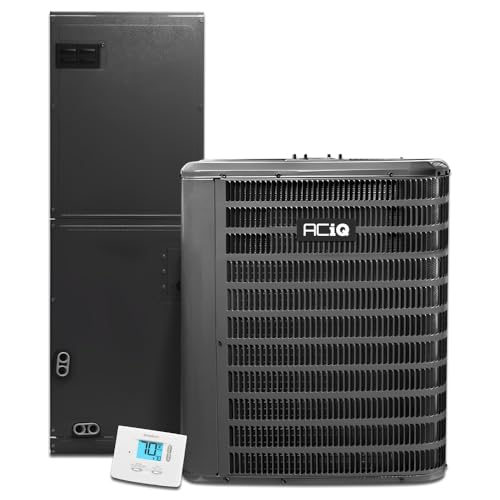
Central Air Conditioner System
Your complete research companion for understanding central air systems — how they work, how to size them, which efficiency ratings matter, and how to keep them running efficiently for years. Learn first, then choose with confidence.
What Is a Central Air Conditioner System?
A central air conditioner system is a whole-home cooling solution that distributes conditioned air through a network of ducts. Instead of cooling a single room, it draws warm air from inside your home, removes heat and moisture at the outdoor condenser unit, and returns cool, filtered air through supply registers. This makes it the most common cooling method for houses in the United States and many other regions.
Unlike room-specific solutions such as a window air conditioner or a portable air conditioner, a central system is integrated into the building's structure. It shares ductwork with the heating system in many homes, which is why it's often paired with a furnace or heat pump. Understanding the full scope of a central air conditioning setup helps you plan better and avoid costly mistakes down the line.
How a Central Air Conditioner System Works
A central system operates on the same refrigeration cycle used by most air conditioners, but its scale and distribution method set it apart. Here is the process in plain terms:
- Warm air is pulled in from your living spaces through return ducts by the air handler's blower.
- The air passes over the evaporator coil, which absorbs heat and moisture. The refrigerant inside the coil changes from liquid to gas.
- The cooled air travels through supply ducts and enters rooms through registers.
- The refrigerant gas moves to the outdoor condenser, where it releases heat to the outside air and condenses back into a liquid.
- The cycle repeats, controlled by your thermostat, until the indoor temperature reaches your set point.
Some systems pair cooling with a gas furnace for heating, while others use a heat pump that handles both jobs. A central air conditioner with furnace configuration is common in colder climates, while a heat pump setup suits milder regions and can be more energy efficient year-round.
If you want a deeper technical explanation of the refrigeration cycle, our how an AC works guide covers the fundamentals in more detail.
Types of Central Air Conditioner Systems
Central systems come in several configurations, and the right one depends on your home's construction, climate, and existing infrastructure. Here are the main categories:
Split System
The most common configuration. An outdoor condenser unit is connected via refrigerant lines to an indoor air handler or furnace. A central air conditioning split system is flexible and can be retrofitted into many homes. It's the default choice for most residential installations.
Packaged System
All components — condenser, evaporator, and often the heating element — are housed in a single outdoor cabinet. Packaged units are common in homes without basements or where indoor space is limited. They connect to ductwork through a single penetration point.
Ductless Mini-Split (for comparison)
Technically not "central" because they don't use ductwork, but worth mentioning for homes where ducts are impractical. A ductless mini-split AC delivers cooling directly to specific rooms. If your home has no ductwork and you're considering alternatives, it's worth understanding ductless options as part of your research.
Central Air Conditioning Units for Condominiums
Condos often use compact central systems or shared arrangements. Our guide to central air conditioning units for condominiums covers the specific constraints and options for multi-family buildings.
Split System
Separate indoor and outdoor components. Flexible, serviceable, and the most widely installed residential configuration.
Packaged System
Single outdoor cabinet. Ideal for limited indoor space and homes without basements or attics for equipment.
How to Size a Central Air Conditioner System
Sizing is the single most important factor in system performance and comfort. An undersized unit runs constantly and struggles to keep up on hot days. An oversized unit cools too quickly, cycling on and off, which leaves humidity high and causes uneven temperatures. The correct approach is a load calculation — often called a Manual J — that accounts for square footage, insulation, window area, climate, and occupancy.
As a rough starting point, many homeowners use square footage as a guide. For example, a central AC unit for a 1,000 sq ft house falls into a smaller capacity bracket, while a central AC unit for a 2,500 sq ft home needs substantially more capacity and careful duct design. Homes in between, such as a 1,500 sq ft home or an 1,800 sq ft house, have their own typical ranges.
Use these reference points to frame your research, but always confirm with a professional load calculation before finalizing a system. Our AC sizing guide and BTU calculator by room size provide more detailed formulas.
| Home Size | Typical Cooling Capacity Range | Typical System Tier | Best For |
|---|---|---|---|
| Up to 1,000 sq ft | 1.5 – 2.5 tons | Entry-level | Small homes, apartments, condos |
| 1,000 – 1,500 sq ft | 2 – 3 tons | Mid-range | Standard single-story homes |
| 1,500 – 2,000 sq ft | 2.5 – 3.5 tons | Mid-range | Three-bedroom homes |
| 2,000 – 2,500 sq ft | 3 – 4 tons | High-end tier | Larger family homes |
| 2,500 – 3,000+ sq ft | 4 – 5 tons | High-end tier | Large homes, multi-zone layouts |
Note that capacity is expressed in tons (1 ton = 12,000 BTU per hour). A 3-ton unit provides 36,000 BTU of cooling capacity. Always match the system to a professional load calculation rather than square footage alone.
Efficiency Ratings: SEER, SEER2, EER, and HSPF
Efficiency ratings determine how much cooling you get per unit of electricity. Higher ratings generally mean lower operating energy use, but the right choice depends on your climate and how much you run the system.
SEER and SEER2
SEER (Seasonal Energy Efficiency Ratio) measures cooling efficiency across a typical season. The newer SEER2 standard uses updated testing procedures that better reflect real-world conditions. As of recent DOE rules, SEER2 is the current benchmark for new residential systems. A higher SEER2 rating indicates a more efficient system. Our guides to what is SEER rating and SEER vs SEER2 explain the difference in detail.
EER
EER (Energy Efficiency Ratio) measures efficiency at a specific test condition (95°F outdoor temperature). It's useful for comparing performance on very hot days. See our EER rating guide for more context.
HSPF (for heat pump systems)
If your central system includes a heat pump for heating, HSPF measures heating efficiency. Our HSPF rating guide covers how it works.
ENERGY STAR
ENERGY STAR certified systems meet efficiency thresholds set by the EPA. Choosing an ENERGY STAR certified AC can be a practical starting filter for your research. For the highest efficiency options, see our list of highest SEER air conditioners.
Key Components of a Central Air Conditioner System
Understanding the parts helps you communicate with technicians and spot problems early. A typical central system includes:
- Outdoor condenser unit — contains the compressor, condenser coil, and fan. It releases heat absorbed from your home.
- Indoor air handler or furnace — houses the evaporator coil and blower. In many homes, the furnace serves as the air handler for cooling season.
- Evaporator coil — absorbs heat and moisture from indoor air. Proper cleaning is essential for efficiency.
- Ductwork — distributes conditioned air. Leaky or undersized ducts undermine even a premium system.
- Thermostat — controls operation and set points. A central air conditioner thermostat with programmable or smart features improves comfort and efficiency.
- Refrigerant lines — connect indoor and outdoor units. Proper installation and leak-free operation are critical.
- Drain line — removes condensate. A clogged drain can cause water leaks inside the house.
Regular inspection of these components is the foundation of reliable operation. If something seems off, our troubleshooting guides such as central AC not blowing cold air and central AC running but not blowing cold air can help you narrow down the issue before calling a professional.
Installation Considerations
Central system installation is not a DIY project. It requires refrigerant handling certification, electrical work, and duct design. The quality of installation has a major impact on performance and lifespan. Here's what to think about before hiring a contractor:
- Load calculation: Insist on a room-by-room Manual J calculation. Avoid contractors who size by square footage alone.
- Duct inspection: Existing ducts should be inspected for leaks, blockage, and proper sizing. A duct design guide can help you understand what to expect.
- Electrical panel capacity: Confirm your panel can support the new system. See our guide to checking your home electrical panel.
- Placement: Outdoor unit placement affects airflow and noise. Our AC indoor and outdoor placement guide covers the basics.
- Permits: Most jurisdictions require a permit for HVAC replacement or new installation. Understand whether you need a permit.
- Contractor selection: Compare at least three quotes and check licensing and insurance. Our guides to choosing an HVAC contractor and HVAC license and insurance can help.
For a broader overview of the installation process, see our central air conditioning system installation guide. If you're replacing an existing system, the central air conditioner replacement guide covers what to expect.
Maintenance and Long-Term Care
A central air conditioner system can last 15–20 years with proper care. Maintenance protects efficiency, prevents breakdowns, and keeps indoor air quality high. Key tasks include:
DIY Maintenance
- Replace or clean the air filter every 1–3 months depending on usage and pets. A clogged filter restricts airflow and strains the blower. Our guide to when to replace your AC filter covers the details.
- Keep the outdoor unit clear of debris, leaves, and vegetation. At least two feet of clearance around the condenser is recommended.
- Check the condensate drain for clogs, especially before cooling season.
- Follow a seasonal checklist to prepare for summer and winter. Our seasonal AC checklist is a practical reference.
Professional Maintenance
- Annual or bi-annual inspection by a qualified technician.
- Coil cleaning, refrigerant charge verification, and electrical component checks.
- Duct inspection and sealing as needed.
Regular professional service is a worthwhile investment in the system's longevity. See our guides to central air conditioning system maintenance and central air conditioning cleaning services. If you're evaluating service plans, the AC maintenance plan guide explains what's typically included.
Common Problems and Troubleshooting
Even well-maintained systems develop issues. Knowing the most common symptoms helps you decide whether to troubleshoot or call a professional. Here are frequent concerns:
Not Cooling Properly
Check the thermostat setting, filter condition, and outdoor unit for obstructions. If the system runs but doesn't cool, see central air conditioner running but not cooling and not cooling enough.
Not Blowing Air
Could be a blower issue, duct blockage, or thermostat setting. Review no air blowing inside the house and fan running but no air blowing.
Water Leaks
A clogged condensate drain is a frequent cause. See central air conditioner leaking water inside house for step-by-step checks.
System Won't Start
Check the thermostat, breaker, and outdoor disconnect. If the system stopped suddenly, our stopped working suddenly guide lists likely causes.
For a broader diagnostic path, see central air conditioning repair. And if you're not sure whether the issue is cooling-related or airflow-related, the central air conditioner problems not cooling overview can help you organize your observations before calling a technician.
Comparing Central AC With Other Cooling Options
Central air is not the only option. Understanding how it compares with alternatives helps you choose based on your home's structure and your priorities. The table below uses neutral tier descriptors to compare categories without referencing monetary amounts.
| Option | Coverage | Installation Complexity | Typical Market Tier | Best For |
|---|---|---|---|---|
| Central AC System | Whole home | High — requires ductwork and professional installation | High-end tier | Homes with existing ductwork or new construction |
| Ductless Mini-Split | Room-by-room or multi-zone | Moderate — no ducts, but line sets and electrical work | Mid-range | Homes without ducts, additions, and targeted cooling |
| Window AC | Single room | Low — DIY-friendly | Entry-level | Renters, single-room cooling, supplemental use |
| Portable AC | Single room (movable) | Low — no permanent installation | Entry-level | Temporary cooling, rooms without window support |
Central systems generally command a higher tier in terms of installation and equipment because they serve the entire home and require duct infrastructure. For a detailed side-by-side, see our central air conditioning overview and related guides on ductless vs ducted AC.
Ready to Explore Central AC Options?
Now that you understand how central systems work, how to size them, and what to look for in efficiency and installation, you're ready to compare real products. Browse our curated selection of central air conditioner systems below.
View Recommended SystemsFrequently Asked Questions
How long does a central air conditioner system last?
With proper maintenance, a central system typically lasts 15 to 20 years. Lifespan depends on usage, climate, installation quality, and how consistently filters are changed. Systems in hot climates with long cooling seasons may wear faster. Regular professional inspections help identify issues before they shorten the system's life.
How often should I service my central AC?
An annual inspection before cooling season is the standard recommendation for most homes. In areas with heavy usage or dusty conditions, bi-annual service may be beneficial. Between professional visits, replace filters every 1–3 months and keep the outdoor unit clear of debris.
Can I install a central air conditioner in an older home without ducts?
Yes, but it requires adding ductwork, which can be complex and invasive depending on the home's construction. Alternatives include a ductless mini-split system or high-velocity small-duct systems. See our guide to central air conditioning installation in older homes for the trade-offs.
What SEER2 rating should I look for?
The minimum SEER2 rating for new residential systems varies by region, as set by DOE standards. Higher ratings generally indicate greater efficiency. The right balance depends on your climate and how much you run the system. In hotter climates, a higher SEER2 rating is often a sound long-term choice. See our SEER vs SEER2 guide for details.
Why does my central AC run but not cool the house?
Common causes include a dirty filter, low refrigerant charge, a malfunctioning compressor, or a thermostat issue. Start with the simplest checks — filter and thermostat — then review our central AC running but not cooling guide. If the problem persists, call a licensed technician.
Is a central air conditioner system the same as a heat pump?
Not exactly. A central air conditioner cools only. A heat pump is a reversible system that provides both cooling and heating by reversing the refrigerant cycle. Some central systems are paired with a furnace for heating, while others use a heat pump. See our comparison of heat pump vs air conditioner for a full explanation.