
Central Heating and Air Conditioning Units Electric: The Complete Guide
Understand how electric central HVAC systems work, how to size them correctly, which efficiency ratings matter, and how to choose the right configuration for year-round comfort in your home.
START LEARNINGAC Units Guide Philosophy: A central heating and air conditioning system is one of the largest equipment decisions a homeowner makes. This guide helps you research first, understand your home's real requirements, and then choose a system with confidence before you buy.
What Is a Central Heating and Air Conditioning Unit Electric System?
A central heating and air conditioning unit electric system is a whole-home HVAC configuration that uses electricity as its energy source for both heating and cooling. Instead of relying on gas combustion or a boiler, the system conditions air in a central indoor unit — often called an air handler — and distributes it through a network of ducts to every room.
The most common electric configuration pairs an electric heat pump with a matching air handler or an electric furnace with a central air conditioner. In cooling mode, the outdoor condenser and indoor evaporator coil remove heat and humidity from the home. In heating mode, a heat pump reverses the refrigerant cycle to move heat from outdoor air into the home, while an electric furnace uses resistance heating elements as a backup or primary heat source.
Electric central systems are especially common in regions where natural gas infrastructure is limited, where homeowners want a single-fuel setup, or where a heat pump offers year-round efficiency. Understanding the components, sizing, and efficiency ratings is essential before committing to a specific configuration. You can also explore broader background on central heat and air conditioning systems and air conditioning heating units to build a fuller picture.
How Electric Central HVAC Systems Work
An electric central system operates as a closed refrigerant loop combined with an air distribution network. Understanding the cycle helps you evaluate contractor proposals and diagnose early performance issues.
Heat Removal
The outdoor condenser rejects heat while the indoor evaporator coil absorbs heat and moisture from return air. Conditioned air is then pushed through supply ducts.
Heat Pump Reversal
A reversing valve swaps the evaporator and condenser roles, allowing the system to absorb heat from outdoor air and deliver it indoors, even in cool conditions.
Electric Resistance
When outdoor temperatures drop below the heat pump's balance point, electric resistance elements or an electric furnace provide supplemental heating.
Ductwork & Airflow
An air handler moves conditioned air through supply and return ducts. Duct sizing, sealing, and insulation directly affect efficiency and comfort.
Key Components of an Electric Central System
A typical electric central heating and air conditioning setup includes several major components working together. Knowing each part helps you understand maintenance requirements and replacement decisions.
- Outdoor condenser unit — houses the compressor, condenser coil, and fan; responsible for heat rejection in cooling mode.
- Indoor air handler or electric furnace — contains the evaporator coil, blower motor, and (in heating mode) electric resistance elements.
- Refrigerant line set — connects the indoor and outdoor units and must be correctly sized and insulated.
- Thermostat — controls setpoints and, in modern systems, can support programmable or smart scheduling.
- Ductwork and registers — distribute conditioned air and return it to the air handler; leaks here waste energy.
- Drain pan and condensate line — remove moisture collected during cooling; regular cleaning prevents clogs and water damage.
- Electrical panel and disconnect — electric central systems require dedicated circuits and correctly sized breakers.
If your existing system is struggling, issues such as an AC fan spinning but no cold air or an AC unit on but not blowing air often point to specific component failures that a technician can isolate quickly.
How to Size an Electric Central HVAC System
Correct sizing is the single most important factor in comfort and efficiency. An oversized system short-cycles, fails to dehumidify properly, and wears out faster. An undersized system runs continuously and struggles during peak demand. Professional sizing uses a Manual J load calculation that accounts for:
- Total conditioned square footage and ceiling height
- Window area, glazing type, and solar orientation
- Insulation levels in walls, attic, and floors
- Air infiltration and duct leakage
- Climate zone design temperatures
- Occupancy and internal heat gains from appliances
Tonnage (1 ton = 12,000 BTU/h) is then matched to the calculated load, and airflow is set to roughly 350–450 CFM per ton. For larger homes or multi-zone setups, you may want to review 5 ton air conditioning unit options or compare 3.5 ton central heat and air unit configurations to see how capacity scales. For homes without ductwork, a 5 ton mini split or 24,000 BTU mini split may be a more practical alternative.
Pro Tip: Never accept a contractor's sizing based on square footage alone. Ask for the Manual J report and confirm that the selected equipment matches the calculated load. Proper sizing is the foundation of long-term efficiency and comfort.
Efficiency Ratings That Matter
Electric central systems are evaluated by several efficiency metrics. Understanding these ratings helps you compare configurations fairly and anticipate long-term energy performance.
| Rating | Applies To | What It Measures | Why It Matters |
|---|---|---|---|
| SEER2 | Cooling | Seasonal energy efficiency over a full cooling season, adjusted for modern testing conditions. | Higher ratings indicate more efficient cooling; check regional minimums before selecting equipment. |
| EER2 | Cooling | Efficiency at peak design conditions rather than seasonal averages. | Useful for hot climates where peak performance matters most. |
| HSPF2 | Heating (heat pumps) | Heating seasonal performance across the heating season. | Higher values mean the heat pump delivers more heat per unit of electricity. |
| COP | Heating (heat pumps) | Ratio of heating output to electrical input at a given temperature. | Helps compare heat pump performance in colder conditions. |
| AFUE | Electric furnaces | Annual fuel utilization efficiency; electric resistance furnaces are near 100% by nature. | Useful when comparing electric furnaces to other heating sources. |
In practice, a heat pump generally outperforms an electric furnace for heating because it moves heat rather than generating it. For cooling-only needs, a high-SEER2 central air conditioner paired with an electric furnace is a straightforward configuration. You can learn more about air conditioning unit SEER ratings and how they translate into real-world performance.
Common Electric Central Configurations
There is no single "best" configuration — the right choice depends on climate, ductwork, budget tier, and long-term goals. The three most common electric setups are:
Heat Pump + Air Handler
Efficient year-round heating and cooling in one system. Ideal for mild to moderate climates and homeowners who want a single-fuel setup with strong seasonal efficiency.
Central AC + Electric Furnace
Straightforward cooling with resistance heating as backup. Well suited to mild winters and homes where simplicity and reliable heating are priorities.
Dual-Fuel or Variable-Speed Heat Pump
Combines a heat pump with a gas furnace or uses inverter-driven compressors for precise modulation. Best for cold climates and homeowners seeking top-tier comfort.
If you are replacing an existing system, consider whether adding air conditioning to an existing furnace is feasible, or whether a full centralised air conditioning system for home replacement makes more sense. For homes in the 1,200-square-foot range, a central unit for a 1,200 square foot house guide can help you narrow capacity choices.
Installation Considerations
Installation quality determines how well an electric central system performs over its lifespan. Before signing a contract, confirm the following:
- Electrical panel capacity supports the new equipment and any backup heat elements.
- Ductwork is sealed, insulated, and sized for the required airflow.
- Refrigerant lines are correctly sized, evacuated, and charged by weight or subcooling.
- Condensate drainage is routed safely and includes a trap and overflow protection.
- Permits are pulled where required, and the contractor is licensed and insured.
- Warranty registration is completed promptly after installation.
Installation scope and labor vary widely by region and home layout. Reviewing an AC installation cost breakdown helps you understand what is typically included. After installation, complete AC warranty registration and schedule a first-season checkup to catch issues early.
Maintenance for Long-Term Performance
A well-maintained electric central system holds its efficiency and lasts longer. A simple seasonal routine covers most homeowner-level tasks:
- Replace or clean air filters every 1–3 months depending on household conditions.
- Keep the outdoor condenser clear of debris, leaves, and vegetation.
- Clean the condensate drain pan and line to prevent clogs.
- Schedule professional coil cleaning and refrigerant checks annually.
- Inspect ductwork for leaks and disconnected runs.
- Test heating and cooling modes before each season begins.
If you notice AC short cycling, cold air but no real cooling, or no airflow despite the unit running, address the issue promptly to avoid compressor damage. For older systems, compare AC replacement cost against ongoing repair bills to decide whether repair or replacement is the better path.
How to Choose an HVAC Contractor
A qualified contractor is your most important ally in getting a reliable electric central system. Ask for license and insurance documentation, request references from similar homes, and insist on a written proposal that includes the Manual J load calculation, equipment model numbers, and a clear scope of work. Comparing multiple quotes helps you identify outliers and understand what is standard in your area.
For routine service, a reputable AC repair company or AC repair technician should provide a clear diagnosis, explain options in plain language, and avoid pressure tactics. If your system needs a compressor or other major component, review the AC compressor replacement guide so you understand what the job involves.
Frequently Asked Questions
What is a central heating and air conditioning unit electric system?
A central heating and air conditioning unit electric system is a whole-home HVAC setup that uses electricity to power both heating and cooling. It typically pairs an electric heat pump or electric furnace with a central air conditioner, distributing conditioned air through ductwork to every room.
How do I size an electric central HVAC system?
Sizing relies on a Manual J load calculation that considers square footage, ceiling height, insulation, window area, climate zone, and occupancy. A qualified HVAC contractor performs this calculation to select the correct tonnage, airflow, and equipment configuration for your home.
Is an electric heat pump better than an electric furnace?
Heat pumps are far more efficient for heating because they move heat rather than generate it. Electric furnaces are simpler and better suited to mild climates or as backup. A dual-fuel or heat pump setup is often the preferred choice for year-round efficiency and comfort.
How long does an electric central HVAC system last?
With proper maintenance, a central air conditioner or heat pump typically lasts 12 to 18 years, while an electric furnace can last 20 years or more. Regular filter changes, annual professional service, and prompt repairs extend the lifespan of every component.
Can I add central air to an existing electric furnace?
In many cases, yes. If the existing furnace blower and ductwork are compatible, a matching evaporator coil and outdoor condenser can be added. A contractor must verify airflow, electrical capacity, and duct sizing before proceeding.
What are the signs that my central electric system needs repair?
Watch for short cycling, weak airflow, warm air from supply vents, unusual noises, water leaks near the air handler, and rising energy use without a change in habits. Any of these symptoms warrants a professional inspection to prevent further damage.
Recommended Electric Central Heating and Air Conditioning Units
⚠️ AFFILIATE DISCLOSURE: This website contains affiliate links. As an Amazon Associate, we earn from qualifying purchases. If you make a purchase through these links, we may receive a small commission at no additional cost to you. Read our full affiliate policy.
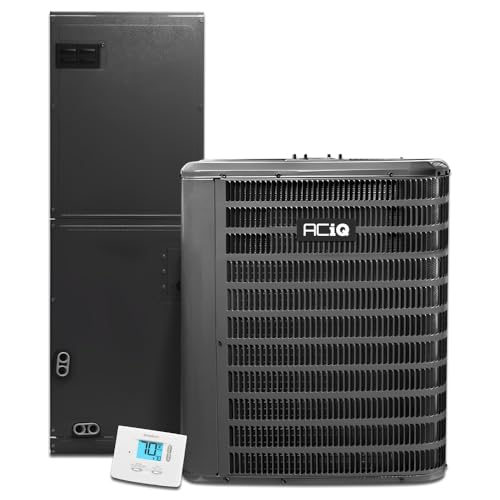
2.5 Ton 14.5 SEER2 Central Air Conditioner Heat Pump System, 5kW & Thermo | ACiQ R32 Complete Electric Heat Pump Split System, Central AC Heating HVAC Unit with Multi-Positional Air Handler, ECM Blower
Check price on Amazon
2.5 Ton 14.5 SEER2 Central Air Conditioner Heat Pump System, 10kW & Thermo | ACiQ R32 Complete Electric Heat Pump Split System, Central AC Heating HVAC Unit with Multi-Positional Air Handler, ECM Blower
Check price on Amazon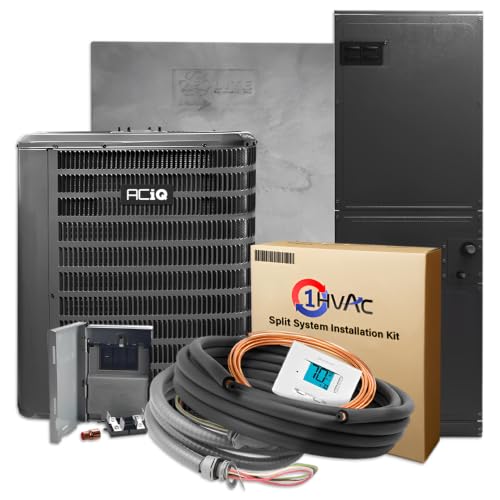
2.5 Ton 15.2 SEER2 Central Air Conditioner Heat Pump System, 10kW & 30' Kit | ACiQ R32 Complete Electric Heat Pump Split System, Central AC Heating HVAC Unit with Multi-Positional Air Handler, ECM Blower
Check price on Amazon
ACiQ 2.5 Ton 14.3 SEER2 Central Air Conditioner Heat Pump Condenser - R32 | 230V Single Stage, Energy Efficient AC/Heating, Outdoor Central HVAC Unit for Ducted Split Systems (AQ-GLZS4BA3010)
Check price on Amazon
3.5 Ton 15.2 SEER2 Central Air Conditioner Heat Pump System, 10kW & Thermo | ACiQ R32 Complete Electric Heat Pump Split System, Central AC Heating HVAC Unit with Multi-Positional Air Handler, ECM Blower
Check price on Amazon
MrCool SEER2 VERSAPRO Central Ducted Split System | 4 Ton 16 SEER2 Heat Pump Multiposition R454B 35ft Line Set
Check price on Amazon
Goodman 2.5 Ton 14.3 SEER2 R-32 HEAT PUMP Split System GLZS4BA3010 & AMST30BU1300 with free non-programmable thermostat
Check price on Amazon
ACE AIR 13.4 SEER2 Central Air Conditioner Package, 3 Ton - 36K BTU - 10kW | Copper tube, All Aluminum Coil, 10.6 EER2, Heat & Cooling System, Horizontal, Residential Outdoor HVAC Unit, R32 Refrigerant
Check price on AmazonDisclaimer
Some of the content on this site uses AI assistance. Information is provided for educational purposes only. We are not responsible for any losses resulting from the use of this information. By using this site, you waive any right to bring legal claims against us arising from your use of the information provided. If you do not agree, please do not use this site. Read the full disclaimer.