Compressor Clutch Replacement: What You Need to Know
A complete guide to understanding the compressor clutch, recognizing failure symptoms, evaluating replacement options, and making an informed decision before you buy.
Why this guide matters: The compressor clutch is the component that engages and disengages the compressor from the engine or drive belt. When it fails, your air conditioning system may stop cooling entirely, even if the compressor itself is still in good condition. Understanding how the clutch works, how to diagnose a failure, and what replacement options exist helps you avoid unnecessary repairs and make a confident purchasing decision.
What Is a Compressor Clutch?
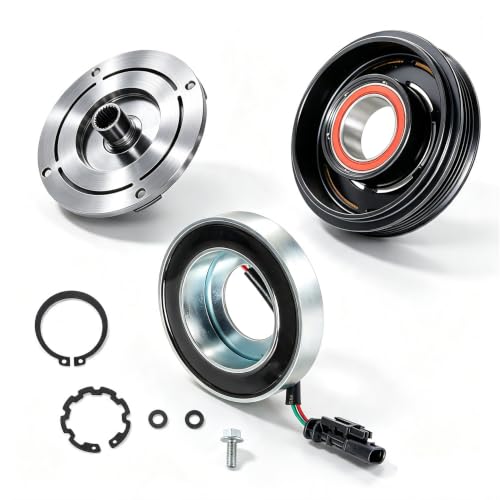
An compressor clutch is an electromagnetic assembly mounted on the front of the air conditioning compressor. It consists of three main parts: the clutch hub (armature plate), the pulley, and the field coil. When you turn on the AC, the field coil receives an electrical signal and becomes magnetic, pulling the armature plate into contact with the spinning pulley. This engagement transfers rotational power from the engine belt to the compressor shaft, starting the compression cycle.
When the system reaches the desired temperature or pressure, the clutch disengages, allowing the compressor to rest. This on-off cycling is what makes the clutch such a critical wear item — it engages and disengages thousands of times over the life of the vehicle or HVAC system. In automotive applications, the clutch is exposed to engine heat, vibration, and road debris, all of which accelerate wear. In stationary HVAC systems, the clutch may be part of a larger compressor contactor assembly, but the principle remains the same: the clutch is the mechanical link between the drive source and the compressor.
Because the clutch is a relatively small component compared with the compressor itself, it is often the first part to fail. A failed clutch does not necessarily mean the compressor is damaged, which is why accurate diagnosis matters before committing to any repair or replacement.
Symptoms of a Failing Compressor Clutch
Recognizing the early signs of clutch failure can help you address the problem before it causes secondary damage. Watch for these symptoms:
No Cold Air
The most common symptom. The AC blows warm air because the clutch fails to engage and the compressor never starts.
Intermittent Cooling
The AC works intermittently as the clutch engages and disengages unpredictably, often due to a worn coil or air gap.
Squealing or Grinding Noise
Worn bearings in the pulley or a misaligned armature plate can produce squealing, grinding, or rattling sounds when the AC is on.
Burning Smell
An overheated clutch coil or slipping belt can create a burning odor, signaling electrical or mechanical distress.
Visible Clutch Damage
Look for a discolored, rusted, or physically damaged armature plate or pulley. Deep grooves or metal shavings indicate severe wear.
Belt Slippage or Breakage
A seized clutch pulley can cause the drive belt to slip, fray, or snap, affecting other engine accessories.
If you notice any of these symptoms, a professional diagnosis is recommended. Many of these signs overlap with other AC problems, such as low refrigerant or a faulty pressure switch. A technician can test the clutch coil resistance, check the air gap, and verify whether the compressor engages when commanded. For related diagnostic guidance, you may find our articles on why your AC is not blowing cold air and what to check when the fan runs but the air is warm helpful.
How a Technician Diagnoses Clutch Failure
Accurate diagnosis prevents you from replacing a clutch that is still functional or, conversely, replacing an entire compressor when only the clutch has failed. A typical diagnostic process includes:
- Visual inspection: Checking the clutch assembly for rust, oil residue, discoloration, or physical damage.
- Electrical test: Measuring the resistance of the field coil. An open or shorted coil will prevent engagement.
- Voltage check: Confirming that the clutch receives the correct voltage signal when the AC is commanded on.
- Air gap measurement: Using a feeler gauge to verify the gap between the armature plate and pulley. An excessive gap prevents magnetic engagement.
- Functional test: Observing whether the clutch engages and disengages smoothly while the system cycles.
In some cases, the clutch can be adjusted or the coil replaced separately. In others, the entire clutch assembly must be replaced. The decision depends on the specific failure mode and the condition of the surrounding components. If the compressor itself shows signs of mechanical failure — such as internal noise or a seized shaft — a full compressor replacement may be necessary. Our guide to air conditioner compressor replacement options explains when that step becomes unavoidable.
Replacement Options by Tier
Compressor clutch replacement options vary by quality tier, materials, and application. Rather than focusing on specific figures, it helps to understand how tiers differ so you can match the replacement to your system and usage.
| Tier | Best For | Key Characteristics |
|---|---|---|
| Entry-level | Older vehicles, occasional-use systems, and straightforward replacements | Standard materials, basic coil construction, adequate for moderate duty cycles. A solid choice for the tier when the system is not subjected to extreme conditions. |
| Mid-range | Daily drivers and residential HVAC systems with regular use | Improved coil insulation, better bearing quality, and more consistent air-gap tolerances. Typically offers smoother engagement and longer service life than entry-level parts. |
| Premium | High-usage vehicles, commercial equipment, and systems in harsh environments | Heavy-duty coil windings, reinforced armature plates, and corrosion-resistant finishes. Designed for frequent cycling and higher reliability under load. |
| Professional-grade | Fleet vehicles, commercial HVAC, and critical cooling applications | Manufacturer-specified tolerances, premium materials, and rigorous testing. Best suited where downtime is costly and long-term reliability is the priority. |
When selecting a replacement, match the tier to your usage pattern. A daily-driven vehicle in a hot climate benefits from a mid-range or premium clutch, while a seasonal-use system may perform well with an entry-level unit. Always verify that the replacement is compatible with your compressor model and electrical system. If you are unsure about the broader repair context, our overview of central air repair and AC mechanical components can provide useful background.
Repair or Replace? Key Decision Factors
Not every clutch problem requires a full replacement. In some cases, a worn air gap can be adjusted, or a failed coil can be replaced independently. However, replacement is usually the better path when:
- The clutch pulley bearing is noisy or seized
- The armature plate or pulley face is deeply scored or warped
- The clutch coil is burned or shows an open circuit
- The clutch has been previously repaired and fails again
- The compressor shaft or internal components show signs of damage
If the compressor is already being replaced for other reasons, installing a new clutch as part of the assembly is a sensible long-term investment. Conversely, if the clutch is the only failed component and the compressor is otherwise healthy, a standalone clutch replacement can restore cooling without the expense of a full compressor swap. For system-wide context, see our discussion of finding local heating and cooling services and annual service considerations.
Installation and Compatibility Considerations
Compressor clutch replacement requires specific tools and expertise. The procedure typically involves removing the drive belt, disconnecting the clutch electrical connector, and using a clutch removal tool to separate the armature plate and pulley from the compressor shaft. Proper torque specifications and air-gap settings are critical — an incorrect gap can cause premature failure or prevent engagement entirely.
Compatibility is equally important. Clutches are matched to specific compressor models, pulley diameters, and belt configurations. Using the wrong clutch can lead to belt misalignment, excessive vibration, or electrical faults. Always cross-reference the compressor part number and confirm the clutch specifications before installation. If you are also addressing other HVAC components, our guides on blower wheel replacement and thermostat troubleshooting may be relevant to your overall system health.
Preventive Maintenance for Longer Clutch Life
While clutches are wear items, certain habits and maintenance practices can extend their service life:
- Keep the system properly charged: Low refrigerant can cause the compressor to cycle rapidly, accelerating clutch wear. Address leaks promptly — see our guidance on fixing leaks in car AC systems and home AC leak repair.
- Check belt tension and alignment: A slipping or misaligned belt puts extra strain on the clutch pulley.
- Inspect electrical connections: Corroded or loose connectors can cause intermittent clutch engagement and coil overheating.
- Schedule regular AC service: Professional inspections can catch early signs of clutch wear before they become failures. Our AC tune-up guide covers what to expect.
- Avoid frequent short cycling: If the system cycles on and off rapidly, investigate the cause — it may be a refrigerant issue, a faulty sensor, or a failing clutch coil.
For broader efficiency context, consider how a healthy clutch contributes to overall system performance alongside energy-efficient HVAC design and proper air duct sealing.
Frequently Asked Questions
Can I drive with a bad compressor clutch?
Yes, but your AC will not function. In some cases, a seized clutch pulley can damage the drive belt and affect other engine accessories, so it is best to address the issue promptly. If the pulley is seized, avoid running the engine until it is inspected.
How long does a compressor clutch usually last?
Service life varies with usage, climate, and maintenance. Clutches in daily-driven vehicles in hot climates may wear faster than those in moderate conditions or seasonal-use systems. Regular inspections help identify wear before failure.
Can a bad clutch damage the compressor?
A failed clutch usually prevents the compressor from running, which is protective rather than damaging. However, debris from a disintegrating clutch or a seized pulley can cause secondary damage if not addressed. Early diagnosis is key.
Is it better to replace just the clutch or the whole compressor?
If the compressor is healthy and only the clutch has failed, a standalone clutch replacement is often sufficient. If the compressor shows signs of internal wear, noise, or seizure, replacing the full assembly may be the more reliable long-term choice.
What causes a compressor clutch to fail?
Common causes include normal wear of the coil or bearings, excessive air gap, electrical faults, low refrigerant causing rapid cycling, belt misalignment, and contamination from oil or debris.
Ready to Explore Replacement Options?
Compare clutch assemblies by tier, compatibility, and application. Review the recommended products below to find the right match for your system, then verify fitment with your compressor model before purchase.
For further reading on related system components and services, explore our guides on choosing heating and cooling contractors, sourcing HVAC parts, and recharging your car AC system. If you are dealing with a home cooling issue rather than an automotive one, our articles on central air not blowing cold air and window AC repair may help you narrow down the cause.