HVAC System & Installation: A Complete Planning Overview
Understand what shapes an HVAC project — from equipment tiers and ductwork design to labor scope and efficiency targets — so you can evaluate contractor proposals with confidence and choose the right system for your home.
Explore Equipment TiersPlanning an HVAC project is less about a single figure and more about understanding how several independent variables interact. Equipment tier, home size, ductwork condition, climate zone, and installation complexity each shift the overall scope of work in different directions. Two homes of identical square footage can require very different system designs once load calculations, duct leakage, insulation values, and zoning requirements are taken into account.
This overview walks through the major decision points you will encounter while evaluating HVAC system and installation projects. The goal is not to hand you a number, but to give you the vocabulary and framework to compare proposals intelligently, ask the right questions, and recognize a well-designed system when you see one.
Whether you are replacing an aging central unit, adding cooling to a home without ducts, or building new construction, the same core principles apply: size correctly, select the right tier, seal and balance the air distribution, and verify the installation before signing off.
Research-stage tip: Contractors who provide a room-by-room Manual J load calculation and a written scope of work are demonstrating a more rigorous process than those who quote purely from square footage. That distinction matters more than any single equipment spec.
Core Components of an HVAC System
A modern split-system HVAC installation typically involves several distinct assemblies, each of which contributes to the overall scope of work. Understanding how they fit together helps you follow a contractor's proposal and spot gaps.
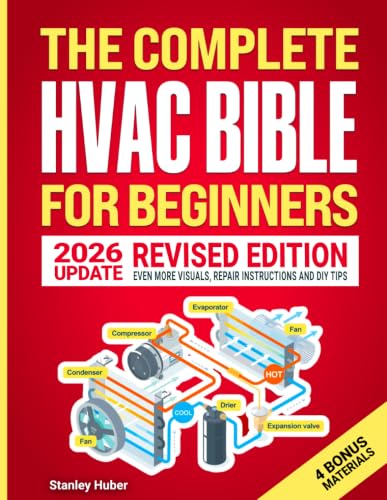
- Outdoor condensing unit — houses the compressor and condenser coil; placement, clearance, and pad preparation all affect installation labor. Our guide to the condensing unit in HVAC explains how this assembly fits into the broader system.
- Indoor evaporator coil and air handler — mounted in the attic, closet, or garage; coil sizing must match the outdoor unit for proper refrigerant balance. See the components of a central air conditioning system for a full breakdown.
- Compressor — the heart of the system; scroll compressors dominate modern residential equipment. Learn more about HVAC compressor technology and what happens when a compressor on an air conditioner stops working.
- Refrigerant line set — connects indoor and outdoor units; line length, insulation, and brazing quality affect performance and longevity.
- Condensate management — gravity drains or a condensate pump remove moisture; improper drainage is a common source of callbacks.
- Thermostat and controls — a cooling-only thermostat or a smart programmable model; control wiring is part of the installation scope.
- Ductwork and registers — distribution infrastructure that is often the largest hidden variable in any project.
In ductless configurations, the outdoor condenser for a mini-split connects to one or more wall-mounted indoor heads, eliminating the duct trunk entirely. This changes both the labor profile and the design constraints.
Equipment Tiers: A Practical Classification
Rather than thinking in absolute figures, it helps to classify HVAC equipment by market position. The tier system below is used consistently across this guide and reflects relative capability, build quality, and feature depth — not any specific number.
| Tier | Best For | Typical Characteristics |
|---|---|---|
| Entry-level | Moderate climates, shorter cooling seasons, straightforward replacements | Single-stage operation, baseline efficiency, standard sound levels, durable but simple construction |
| Mid-range | Most homes in mixed climates seeking a balance of comfort and efficiency | Two-stage or variable-speed compressors, quieter operation, improved humidity control, smart thermostat compatibility |
| Premium | Hot climates, long cooling seasons, homeowners prioritizing comfort and quiet | Fully variable-speed inverter compressors, high-efficiency ratings, advanced filtration options, very low sound levels |
| High-end tier | Large homes, multi-zone layouts, design-conscious installations | Communicating systems, integrated zoning, premium materials, extended warranties, top-tier efficiency |
Tier selection should follow the load calculation, not precede it. Oversizing a premium unit delivers no comfort benefit and can shorten compressor life through excessive cycling. Conversely, an entry-level unit in a hot climate with long run times may underperform relative to a mid-range model with better part-load efficiency. For a deeper look at how inverter technology changes part-load behavior, see our guide on inverter AC systems.
What Installation Typically Involves
Installation scope varies significantly between a like-for-like replacement and a new system in a home that has never had central cooling. The checklist below covers the major work items a thorough proposal should address.
- Room-by-room load calculation (Manual J or equivalent)
- Equipment selection with model numbers specified
- Refrigerant line set routing and brazing
- Electrical circuit verification and disconnect installation
- Condensate drain or pump installation with proper slope
- Ductwork sealing, sizing, and balancing
- Thermostat wiring and configuration
- Vacuum and leak test before refrigerant charge
- Commissioning: airflow, charge, and temperature split
- Permit filing and final inspection coordination
- Warranty registration and documentation handoff
When evaluating installation providers, compare proposals line by line against this list. For homes with existing ductwork, a contractor who inspects and seals ducts rather than simply reusing them is generally delivering a more complete job. Our guide to companies that install air conditioners explains how to screen providers on these points. If ductless is the chosen path, review the specifics of ductless air conditioner installation and mini-split installation separately, as the labor profile differs substantially.
Why commissioning matters: A system that is correctly installed but improperly charged or balanced will underperform regardless of its tier. Ask the contractor to show you the measured refrigerant charge and the temperature split across the evaporator coil at handoff.
Ductwork, Airflow, and Distribution
Ductwork is frequently the most overlooked part of an HVAC project. A premium condensing unit attached to leaky, undersized, or poorly balanced ducts will deliver entry-level comfort. Key considerations include:
- Duct leakage — in older homes, leakage rates of 20–30 percent are common. Sealing attics and crawlspace ducts is often the highest-return improvement in a project.
- Static pressure — restrictive filters, tight turns, and undersized returns raise static pressure and reduce airflow. A contractor should measure it during commissioning.
- Zoning — multi-story homes and additions often benefit from zone dampers and separate thermostats, which add scope but improve comfort substantially.
- Return air — undersized returns are a common cause of noise and poor performance; a proper design balances supply and return paths.
Homes without existing ductwork face a fork in the road: install new ductwork or choose a ductless approach. Our overview of cooling options for homes without ductwork compares the trade-offs. If ducts are present but aging, the condenser coil and condenser coils on the AC unit should be inspected alongside the distribution system, since coil fouling compounds airflow problems.
Efficiency Ratings and Long-Term Operation
Efficiency ratings describe how much cooling a system delivers per unit of electricity consumed. Higher ratings generally correspond to premium tiers, but the operational benefit depends heavily on climate and run time. In mild climates with short cooling seasons, the difference between mid-range and premium efficiency is modest. In hot climates with long run times, premium equipment often justifies its position through lower consumption and better humidity control.
Beyond the rating itself, consider variable-speed operation. A system that modulates compressor speed to match load runs longer at lower capacity, which improves dehumidification and reduces temperature swings. This is the core advantage of inverter-driven systems over single-stage equipment.
Efficiency also depends on installation quality. A high-efficiency unit with a poorly sealed duct system and an overcharged refrigerant circuit will not deliver its rated performance. The installation is as important as the equipment tier.
Choosing and Vetting an HVAC Contractor
The contractor determines the quality of the installation more than any other single factor. A well-installed mid-range system will outperform a poorly installed premium system in nearly every case. When screening providers, verify the following:
- Licensing and insurance — confirm active state licensure and liability coverage before allowing work to begin.
- EPA Section 608 certification — required for anyone handling refrigerant; ask for the certification number.
- Manufacturer authorization — authorized dealers can register warranties and access factory support.
- Written proposal — should include load calculation, model numbers, scope of work, and commissioning steps.
- References and portfolio — ask for recent installations similar to yours in size and configuration.
- Permit handling — a reputable contractor files permits and schedules inspections as part of the job.
For a broader view of how installation providers differ, see our guide to companies that install air conditioners. If you are also considering heating equipment, the same vetting principles apply to companies that fix furnaces.
Red flag: A proposal that quotes purely from square footage without a room-by-room load calculation is a warning sign. Sizing errors are the most common cause of comfort complaints and premature equipment wear.
Ready to Compare Equipment Options?
Once you understand the tier framework and installation scope, the next step is reviewing specific systems. Browse curated recommendations selected for different home sizes and efficiency targets.
View Recommended SystemsFrequently Asked Questions
What factors influence HVAC system and installation planning?
Home size, ductwork condition, equipment tier, efficiency rating, labor complexity, local permits, and seasonal timing all shape the scope of an HVAC project. Each factor interacts with the others, so a proper plan begins with a room-by-room load calculation rather than a rough guess based on square footage alone. Contractors who skip the load calculation are more likely to oversize or undersize the system, both of which reduce comfort and equipment lifespan.
How long does a typical HVAC installation take?
A straightforward replacement of an existing split system often completes in one to two days. New construction projects with fresh ductwork can extend to several days or more, especially when electrical upgrades, zoning, or structural modifications are involved. Ductless mini-split installations vary widely depending on the number of indoor heads and the routing complexity. Ask the contractor for a written schedule with milestones before work begins.
Should I choose a central system or a ductless mini-split?
Homes with existing, well-sealed ductwork usually benefit from central systems. Homes without ducts, additions, or spaces needing independent temperature control often suit ductless mini-splits. A qualified contractor can assess which configuration matches your layout and efficiency goals. In some homes, a hybrid approach — central for the main living area plus a mini-split for an addition — delivers the best comfort per unit of scope.
What efficiency tier should I target?
Entry-level and mid-tier units meet baseline standards and suit moderate climates with shorter run times. Premium and high-end tier equipment typically deliver quieter operation, better humidity control, and stronger long-term efficiency, which matters in hotter climates with long cooling seasons. The right tier depends on your climate, run-time profile, and comfort priorities — not on a universal recommendation.
How can I verify an HVAC contractor is qualified?
Confirm state licensing, active insurance, EPA Section 608 certification for refrigerant handling, and manufacturer authorization. Request a written proposal that includes a Manual J load calculation, equipment model numbers, and a clear scope of work. Ask for references from recent projects similar to yours, and verify that the contractor will file permits and schedule inspections as part of the job.