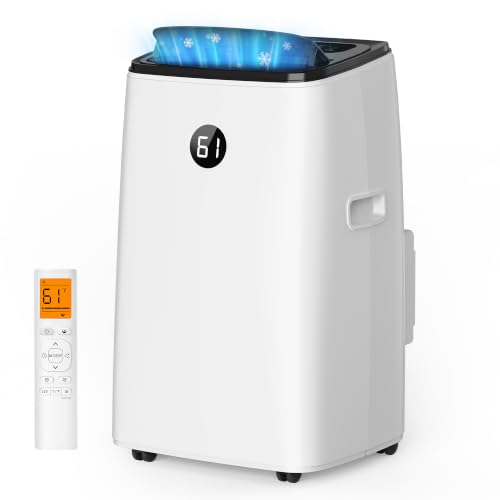
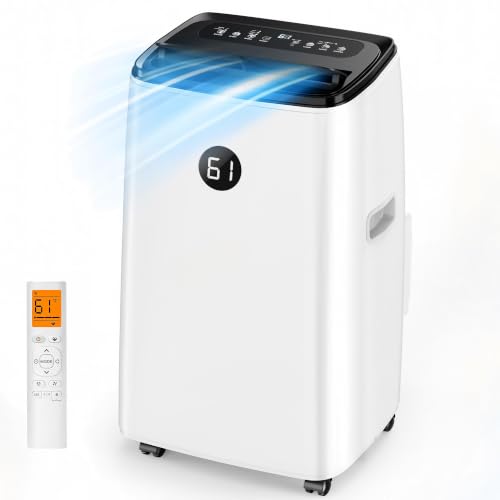
Fully Self-Evaporating Portable Air Conditioners: The Complete Guide
Understand how fully self-evaporating portable ACs work, when they eliminate manual draining, and how to choose the right model for your room, humidity level, and installation setup.
START THE GUIDEWho this guide is for: You already know you want a portable air conditioner and you have seen the term "fully self-evaporating." This guide explains what that actually means in real-world use, where the technology helps, where it has limits, and how to evaluate models before you buy.
What Does "Fully Self-Evaporating" Actually Mean?
A portable air conditioner cools air by moving heat from your room to the outdoors through an exhaust hose. As the indoor coil cools the air, moisture condenses out of it. In a standard portable AC, that water collects in a tank or pan that you must empty regularly.
A fully self-evaporating portable air conditioner takes a different approach. Instead of sending all the condensate to a tank, the unit routes the water over the hot condenser coils and uses evaporation to help reject heat. The moisture then leaves the unit as vapor through the exhaust stream. In moderate humidity and normal operating conditions, this design can eliminate routine manual draining.
The Three Levels of Condensate Management
It helps to separate three designs that are often marketed with similar language:
- Manual-drain units: Condensate collects in a tank. The unit shuts off when full, and you empty it. These are the traditional design.
- Self-evaporating units: Some condensate is evaporated and exhausted, but a tank remains and may still need occasional emptying, especially in humid weather.
- Fully self-evaporating units: The system is designed to evaporate and exhaust the condensate under normal conditions, with the tank acting mainly as a safety buffer rather than a routine chore.
The phrase "fully" matters. It signals that the manufacturer intends the unit to operate without regular manual draining in typical conditions. That said, no portable AC is truly drain-free in every climate. Very humid rooms can produce more condensate than the evaporation system can handle, which is why many fully self-evaporating models still include an optional continuous drain port as a backup.
How the Evaporation Cycle Works Inside the Unit
Understanding the internal cycle helps you judge marketing claims and set realistic expectations. The process generally follows these steps:
- Warm, humid indoor air is drawn in through the intake grille by the fan.
- The evaporator coil cools the air, and moisture condenses onto the coil fins and drips into a collection channel.
- The condensate is directed to a slinger ring or spray system near the condenser coil, or allowed to flow over the condenser fins.
- Heat from the condenser causes the water to evaporate, and the resulting vapor is carried out through the exhaust hose with the hot air stream.
- Any excess condensate that cannot be evaporated in time collects in the internal reservoir, which triggers a full-tank alert if it reaches capacity.
Because the unit is simultaneously cooling the room and rejecting heat outdoors, the exhaust hose must be vented properly. A poorly sealed window kit or a crushed hose undermines performance and can cause the unit to work harder, which in turn changes how much condensate is produced.
Single-Hose vs Dual-Hose Self-Evaporating Designs
Hose configuration affects both cooling performance and condensate behavior:
- Single-hose units pull indoor air to cool the condenser and push it outdoors. This creates negative pressure in the room, which can draw in warm outside air through gaps. They are simpler and often lighter.
- Dual-hose units use one hose for intake and one for exhaust, so condenser cooling air comes from outdoors and returns outdoors. This reduces negative pressure and generally improves cooling consistency. Many premium fully self-evaporating models use a dual-hose configuration.
If you want to compare hose configurations in more depth, the guide on dual hose self-evaporating portable air conditioners covers the trade-offs in detail.
Why Fully Self-Evaporating Units Are Popular
The appeal goes beyond convenience. Here are the main practical benefits, grouped by what they mean for daily use.
Less Manual Draining
The biggest draw is not having to empty a tank every few hours during hot, sticky weather. For bedrooms and home offices, that means the unit can run overnight without interruption.
Uninterrupted Cooling
Standard units shut off when the tank fills. A fully self-evaporating design keeps cooling through the night or through a workday in moderate humidity.
Condensate Reused for Heat Rejection
Using condensate to help cool the condenser is a sensible use of water that would otherwise be discarded. It supports the heat-rejection process rather than wasting the water.
More Flexible Locations
Without a drain hose snaking to a sink or floor drain, the unit can sit in more places. That matters in apartments, rentals, and rooms far from plumbing.
Moisture Removed, Not Recirculated
The unit still dehumidifies the room. The difference is where the water goes: outdoors as vapor rather than into a tank you carry to the sink.
Fewer Routine Chores
Filter cleaning remains essential, but the drain-tank routine is reduced or removed. That makes the unit easier to live with over a full cooling season.
Where the Technology Has Limits
A fair guide has to explain the boundaries. Fully self-evaporating portable ACs are effective, but they are not magic. Consider these points before you commit:
- High humidity can overwhelm evaporation. In a very damp basement or during a prolonged rainy spell, the condensate volume can exceed what the unit can evaporate. The internal reservoir may fill, and you may need to use the continuous drain port or empty the tank manually.
- Cool, damp conditions reduce evaporation. Evaporation depends on heat and airflow. When the condenser is not hot enough or airflow is restricted, condensate accumulates faster than it disappears.
- Hose sealing matters. A leaky window kit lets hot, humid outdoor air back in, increasing the moisture load and reducing cooling effectiveness.
- Portable ACs are not a whole-home solution. They cool the room they are in. For larger spaces, a ducted or ductless split system is the more appropriate path. The comparison in ducted vs ductless cooling is useful if you are deciding between approaches.
- Noise and footprint remain. Compressors and fans produce sound, and portable units occupy floor space. Self-evaporation does not change those physical realities.
None of this makes the category a poor choice. It simply means the right expectation is "drain-free in normal conditions," not "drain-free in every possible condition."
How to Choose a Fully Self-Evaporating Portable AC
Use the checklist below as a decision framework. Each item is chosen because it directly affects real-world performance, not because it sounds impressive on a spec sheet.
1. Match BTU Capacity to Room Size and Conditions
Undersizing means the unit runs constantly and never quite reaches the target temperature. Oversizing can cause short cycling and uneven humidity control. As a starting reference, many buyers use roughly 20 BTU per square foot for a standard room, then adjust upward for sunny exposures, kitchens, and rooms with many occupants or electronics.
If you want to work through the calculation properly, the guide on how to size an air conditioner walks through room factors in detail. A common reference point is the 12,000 to 14,000 BTU range, which suits many medium and large bedrooms and living areas.
2. Check the EER Rating, Not Just the BTU Number
EER expresses cooling output relative to power input. A higher EER means more cooling per unit of electricity. For a portable unit that may run for hours at a time, this is a meaningful specification. The explainer on what EER rating means is a useful primer.
3. Prefer Dual-Hose Designs for Consistent Cooling
Dual-hose configurations reduce negative pressure and generally deliver more stable cooling than single-hose units. If the room is small or the outdoor air is very hot, the difference is noticeable. The dual hose portable air conditioner with inverter overview covers how inverter compressors pair with dual-hose airflow.
4. Confirm the Drain Options
Even a fully self-evaporating model should offer a continuous drain port as a fallback. Look for a unit with a clearly accessible drain outlet, a removable or washable filter, and a full-tank alert that is easy to read. The fallback matters in humid weeks.
5. Evaluate the Window Kit and Installation Requirements
The window kit is part of the cooling system, not an accessory. A rigid, well-sealed panel with a secure hose connection performs better than a loose fabric sleeve. If you have an unusual window, check compatibility before buying. The guide on the crank out window portable air conditioner setup explains how casement and crank-out windows are handled. For a broader look at setup effort, see the easiest portable air conditioner to install.
6. Consider Inverter Compressor Technology
Inverter compressors vary speed instead of cycling on and off at full power. The result is usually steadier temperature, lower start-up noise, and better part-load efficiency. The guide on dual inverter portable air conditioners explains how dual-inverter designs differ from single-inverter units.
7. Plan for Humidity Realistically
If your space is consistently very humid, treat the continuous drain option as a primary feature rather than an emergency measure. A short drain hose to a floor drain, condensate pump, or bucket can keep the unit running without intervention.
Fully Self-Evaporating vs Other Portable AC Designs
| Design | Condensate Handling | Best For | Tier Positioning |
|---|---|---|---|
| Manual-drain portable AC | Tank must be emptied when full | Short cooling sessions, dry climates, occasional use | Entry-level |
| Self-evaporating portable AC | Partial evaporation; tank still needs periodic emptying | Moderate humidity, regular daytime use | Mid-range |
| Fully self-evaporating portable AC | Designed to evaporate and exhaust condensate; drain port as backup | Bedrooms, home offices, overnight and all-day use in normal humidity | Premium |
| Dual-hose fully self-evaporating with inverter | Same as above, with more stable airflow and part-load efficiency | Larger rooms, hotter climates, buyers prioritizing comfort consistency | Top-tier |
Tier labels describe relative market positioning and feature depth. They are not tied to any specific figure or currency.
Maintenance That Keeps Evaporation Working
The self-evaporating mechanism depends on airflow and coil condition. If either degrades, condensate accumulates faster than it can be evaporated. A simple maintenance routine protects performance:
Seasonal and Monthly Checks
- Clean or rinse the intake filter every two to four weeks during heavy use.
- Inspect the condenser and evaporator coils for dust buildup; clean gently according to the manual.
- Check the drain port and any connected hose for clogs or kinks.
- Verify the window kit seal and hose connections before each cooling season.
- Keep the exhaust hose as short and straight as the installation allows.
- Confirm the full-tank alert works, even if you rarely see it trigger.
If you notice water pooling around the base, the unit shutting off earlier than expected, or a persistent musty smell, address it promptly. Many of these symptoms are covered in the troubleshooting material on fixing an air conditioner and in the guide to excessive water dripping from the drain.
For a wider maintenance routine that applies across cooling equipment, see the seasonal checklist approach described in the AC maintenance guide.
Installation Tips for Better Results
Proper installation is the difference between a unit that quietly does its job and one that struggles. Keep these points in mind:
- Seal the window opening. Gaps around the kit panel let hot, humid air in and undermine both cooling and evaporation.
- Avoid long or sharply bent hoses. Restricted exhaust airflow raises internal temperatures and reduces heat rejection.
- Keep the unit level. A level surface supports proper condensate flow toward the evaporation system and drain port.
- Leave clearance around the unit. Intake and exhaust grilles need unobstructed airflow.
- Plan the drain fallback. Identify a nearby floor drain, condensate pump location, or bucket position before the humid season arrives.
If your room has an unusual window configuration, the guide on the crank out window kit for portable air conditioners covers the hardware options. For a broader comparison of portable designs before installation, see different types of portable air conditioners.
Who Should Buy a Fully Self-Evaporating Portable AC?
This category tends to fit well for:
- Renters and apartment dwellers who cannot install a split system and want cooling without a drain-tank routine.
- Bedroom and home-office users who need overnight or all-day operation without interruption.
- Older homes without ductwork, where a portable unit is the practical supplement to existing cooling.
- Buyers in moderate humidity who want the convenience of evaporation without planning around a tank.
It may be a weaker fit for:
- Very humid spaces where condensate volume is consistently high and a continuous drain is effectively mandatory.
- Large open-plan rooms where a single portable unit cannot distribute cool air evenly.
- Buyers who want a permanent, quiet, whole-room solution; a ductless mini-split may be the better long-term investment. The overview of ductless mini-split systems is a useful comparison point.
For a broader survey of home cooling options, the guide to different types of air conditioning for homes places portable units in context alongside central, ductless, and window systems.
Related Guides on Portable and Self-Evaporating Cooling
Frequently Asked Questions
What does fully self-evaporating mean on a portable air conditioner?
It means the unit is designed to reuse the moisture it removes from the air to help cool its condenser coils, then exhaust that moisture as vapor through the exhaust hose. In normal conditions this removes the need to empty a drain tank routinely.
Do fully self-evaporating portable ACs need a drain hose?
In most climates, no. The unit handles condensate through evaporation. However, in very humid conditions the internal reservoir may still fill, so many models include an optional continuous drain port as a backup. Treat that port as part of your setup plan, not an emergency feature.
Are fully self-evaporating portable ACs more efficient?
They avoid the interruption and handling of a full tank and make productive use of condensate for heat rejection. Overall efficiency still depends on BTU capacity, EER rating, hose configuration, and proper installation. A well-sealed dual-hose unit with a strong EER rating is generally the more efficient choice within the category.
Can a fully self-evaporating portable AC handle high humidity?
It performs best in moderate humidity. In very humid spaces, the volume of condensate can exceed evaporation capacity, so plan for periodic manual draining or use the continuous drain option. This is a limitation of physics, not a defect.
How is a fully self-evaporating unit different from a standard portable AC?
A standard unit collects condensate in a tank that must be emptied. A fully self-evaporating unit is designed to evaporate and exhaust the condensate as vapor, reducing or eliminating manual draining under normal conditions. The practical difference is fewer interruptions during long cooling sessions.
Does self-evaporation replace dehumidification?
No. The unit still removes moisture from the indoor air as part of the cooling process. Self-evaporation describes where that moisture goes afterward, not whether dehumidification happens. The room air is still dried as it is cooled.
The Bottom Line
Fully self-evaporating portable air conditioners are a genuine convenience improvement over manual-drain designs, especially for bedrooms, home offices, and rentals where overnight or all-day operation matters. The technology works best when the unit is correctly sized, the window kit is sealed, and the filter and coils are kept clean. In very humid conditions, the continuous drain port remains an important backup.
Use the specification checklist above, favor dual-hose and inverter designs where your space and budget tier allow, and set the unit up properly. For related topics, explore the AC FAQ and the broader AC shopping guide.