Five Ton Heat Pump: The Complete Guide for Large Homes
A five ton heat pump is a serious piece of equipment designed to deliver whole-home comfort in large properties. This guide explains sizing, efficiency ratings, installation considerations, maintenance, and how to choose the right tier for your needs.
Start With SizingWhat Is a Five Ton Heat Pump?
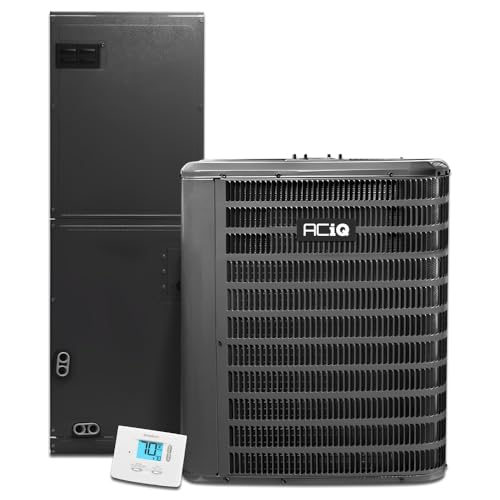
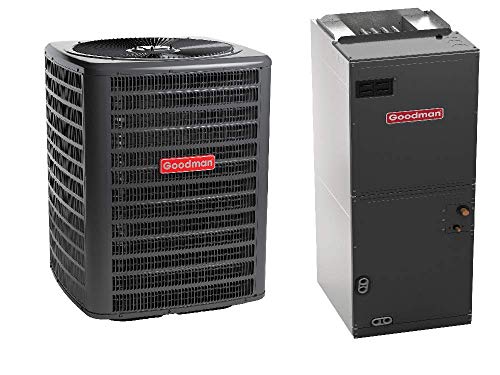
A five ton heat pump is a heating and cooling system with a nominal capacity of five tons, which equals approximately 60,000 BTU per hour of cooling output. In practical terms, it is one of the largest residential capacities commonly installed, sitting at the upper end of the single-family market and often used in large homes, multi-zone layouts, or light commercial spaces.
Unlike a traditional air conditioner that only cools, a heat pump moves heat in both directions. In summer it extracts heat from indoor air and releases it outside; in winter it reverses the process, pulling ambient heat from outdoor air and transferring it indoors. This dual capability makes a five ton heat pump a genuine year-round comfort solution rather than a seasonal appliance.
The "five ton" figure refers to nominal capacity, not a guarantee of delivered performance. Actual output depends on indoor and outdoor temperatures, refrigerant type, compressor technology, and system matching. Inverter-driven compressors, for example, can modulate between a fraction of capacity and full output, which is a major advantage in a system this large. For a broader explanation of how these systems operate, see our guide on energy-efficient mini-split heat pumps.
Why Capacity Matters at This Scale
A five ton unit moves a substantial volume of air and refrigerant. If the system is oversized for the home, it will cool too quickly, cycle frequently, and fail to properly dehumidify, leaving rooms feeling cold and clammy. If undersized, it will run continuously during peak demand and struggle to maintain setpoint. The difference between a well-matched and a mismatched five ton system is felt every day, which is why load calculation comes before model selection.
Sizing: What a Five Ton Heat Pump Covers
As a rough starting point, a five ton heat pump is typically associated with homes in the 2,500 to 3,500 square feet range. However, square footage alone is a weak indicator. Climate zone, insulation, window area and glazing type, ceiling height, duct design, and occupancy all shift the required capacity significantly.
Two homes of identical size in different climate zones can require very different systems. A well-insulated home in a mild climate may need a smaller unit, while an older home with single-pane windows and poor attic insulation may require a five ton system even at a smaller footprint. This is why professional load calculations, such as Manual J, remain the standard reference.
| Home Size | Typical Capacity Range | Notes |
|---|---|---|
| Up to 1,500 sq ft | 1.5 – 2.5 tons | Small home or apartment; five ton is oversized |
| 1,500 – 2,000 sq ft | 2.5 – 3 tons | Mid-size home in average climate |
| 2,000 – 2,500 sq ft | 3 – 4 tons | Larger home; five ton may be appropriate with high loads |
| 2,500 – 3,500 sq ft | 4 – 5 tons | Primary range for a five ton heat pump |
| 3,500+ sq ft | 5 tons or multi-zone | May require dual systems or zoning |
Key point: A five ton heat pump is not automatically the right answer for a 3,000 square foot home. A load calculation that accounts for envelope quality, orientation, and local design temperatures should always come first. Guessing at capacity is the most common and most avoidable sizing mistake.
Factors That Push Capacity Requirements Up
- Large south- or west-facing window areas without shading
- Poor attic or wall insulation
- High ceilings and open floor plans with substantial volume
- Older construction with air infiltration issues
- Hot, humid climate zones with extended cooling seasons
- Multiple occupants and heat-generating appliances
Factors That Reduce Capacity Requirements
- Recent insulation upgrades and air sealing
- High-performance glazing and exterior shading
- Zoned distribution that avoids cooling unused spaces
- Mild climate with moderate design temperatures
For a deeper look at the load calculation process, our overview on Manual J load calculation explains how professionals arrive at a defensible capacity number.
Efficiency Ratings Explained
Efficiency is where a five ton heat pump earns or loses its long-term value. Because the system is large, small differences in efficiency translate into meaningful differences in annual energy use. Three ratings matter most:
SEER2 (Seasonal Energy Efficiency Ratio)
SEER2 measures cooling efficiency over a representative cooling season under updated DOE test procedures. Higher numbers indicate more efficient cooling. In the five ton class, efficiency bands range from units that meet minimum regional standards to high-end tier models that reach the top of the market. Our SEER rating guide explains how the rating is calculated.
HSPF2 (Heating Seasonal Performance Factor)
HSPF2 measures heating efficiency across a heating season. This matters enormously for a heat pump, since the unit is expected to carry the heating load in shoulder seasons and often through winter. A five ton unit with a strong HSPF2 rating can substantially reduce reliance on backup heating. See our HSPF rating overview for context.
EER2 (Energy Efficiency Ratio)
EER2 measures efficiency at a single design condition, typically peak heat. It is a useful indicator of how the system performs on the hottest days, when demand is highest. Our EER rating explanation covers the details.
| Tier | Efficiency Profile | Best For |
|---|---|---|
| Entry-level | Meets minimum regional standards | Mild climates, moderate runtime, straightforward budgets |
| Mid-range | Noticeably better SEER2 and HSPF2 | Most homes seeking balanced long-term performance |
| High-end tier | Top efficiency bands, often inverter-driven | Hot or cold climates, high runtime, long-term ownership |
| Premium / flagship tier | Highest ratings plus advanced features | Whole-home comfort priority, smart integration, quiet operation |
For a wider view of certified high-efficiency options, see our overview of ENERGY STAR most efficient air conditioners and ENERGY STAR qualified units.
Heat Pump Types and Configurations
Within the five ton category, several configurations exist. The right choice depends on the home's ductwork, available space, and climate.
Ducted Split Systems
The most common configuration for a five ton heat pump in a home with existing ductwork. An outdoor unit connects to an indoor air handler or furnace coil, distributing conditioned air through the duct system. This is the standard whole-home approach and integrates naturally with forced-air heating infrastructure.
Ductless Mini-Split Systems
For homes without ducts, a large-capacity ductless system or a multi-zone arrangement can deliver equivalent comfort. A single five ton ductless unit is uncommon; more often, several smaller zones are combined. Our ENERGY STAR mini-split guide and five-zone mini-split overview explain how multi-zone layouts work.
Packaged Systems
In some homes, particularly those with limited indoor space, a packaged unit containing both components in a single outdoor cabinet is used. These are common in certain regions and retrofit scenarios.
Dual-Fuel Configurations
A dual-fuel system pairs a heat pump with a gas furnace as backup. The heat pump handles the majority of heating, and the furnace takes over when outdoor temperatures drop below the heat pump's efficient operating range. This is a robust choice in colder climates. See our forced-air furnace with cooling unit overview for related context.
For comparison purposes, our guides on the four ton heat pump help illustrate how capacity steps change the recommended configuration.
Cold-Climate Performance
Older assumptions that heat pumps struggle in cold weather no longer hold for modern equipment. Cold-climate five ton heat pumps use enhanced vapor injection, variable-speed compressors, and improved defrost logic to maintain capacity well below freezing.
That said, performance varies by model and tier. Entry-level units may lose significant capacity as outdoor temperatures fall, while high-end tier cold-climate models retain a much larger share of rated output. In regions with extended sub-zero periods, a dual-fuel setup or a cold-climate-rated unit is the prudent choice.
What to Check for Cold-Climate Use
- Rated operating range and capacity retention at low ambient temperatures
- HSPF2 rating, which reflects heating-season efficiency
- Defrost strategy and base pan heater provisions
- Backup heat integration, whether electric resistance or dual-fuel
For homes that also need window or through-wall solutions in specific rooms, our guides on ENERGY STAR window heat pumps and window units with heat cover smaller-scale options.
Installation Considerations
Installing a five ton heat pump is not a weekend project. The system's size, electrical requirements, refrigerant line lengths, and duct compatibility all demand professional assessment.
Electrical Service
A five ton system typically requires a dedicated high-amperage circuit, often 240V. Before committing, the home's electrical panel capacity must be verified. Older homes may need a panel upgrade. Our guides on 110V vs 240V units and amps and breaker sizing provide useful background.
Ductwork Compatibility
A five ton system moves a large volume of air. Undersized or leaky ducts will undermine performance and efficiency. Duct static pressure, register sizing, and return air capacity should all be evaluated. Our ductwork design guide and duct sealing overview cover the essentials.
Outdoor Unit Placement
Adequate clearance, unobstructed airflow, and a level pad are non-negotiable. Noise and vibration transmission to adjacent rooms should also be considered. Our guide on indoor and outdoor placement explains the key rules.
Permits and Contractor Selection
Most jurisdictions require a permit for heat pump replacement or new installation. Choosing a licensed, insured contractor with heat pump experience is essential. Our HVAC contractor selection guide and license and insurance overview walk through what to verify.
Refrigerant handling: Modern systems use refrigerants governed by EPA regulations. Only certified technicians should handle refrigerant charging or recovery. See our overview of EPA refrigerant handling rules for background.
Maintenance and Longevity
A five ton heat pump is a long-term investment. With proper maintenance, a well-installed system can deliver reliable service for many years. Neglect accelerates wear and erodes efficiency.
Routine Tasks
- Replace or clean air filters every one to three months, more often in dusty environments
- Keep the outdoor unit clear of debris, leaves, and snow
- Inspect and clean condenser coils annually
- Check condensate drainage lines for blockages
- Schedule a professional service visit before each heating and cooling season
Our guides on cleaning AC filters and cleaning condenser coils provide step-by-step guidance. For a seasonal checklist, see our seasonal AC checklist.
Common Issues to Watch For
Reduced cooling, unusual noises, ice formation on the outdoor unit, and frequent cycling are early warning signs. Addressing them promptly prevents larger failures. Our troubleshooting guides on AC not cooling and frozen coils cover the most common scenarios.
When to Call a Professional
Refrigerant leaks, compressor issues, and electrical faults require licensed technicians. Our overview on when to call an HVAC technician helps distinguish DIY-appropriate tasks from professional ones.
Market Tiers and What to Expect
Five ton heat pumps occupy a wide spectrum of the market. Understanding the tiers helps set realistic expectations without relying on numeric figures.
| Tier | Typical Characteristics | Best For |
|---|---|---|
| Entry-level | Single-stage or basic two-stage compressor, standard features, solid build | Mild climates, moderate runtime, straightforward replacements |
| Mid-range | Two-stage or entry inverter, improved efficiency, quieter operation | Most homes seeking a balanced long-term system |
| High-end tier | Full inverter modulation, high SEER2 and HSPF2, smart controls | Hot or cold climates, high runtime, comfort-focused owners |
| Premium / flagship tier | Top efficiency bands, advanced diagnostics, premium materials, very quiet operation | Whole-home comfort priority, long-term ownership, integration with smart home systems |
Mid-range and high-end tier models generally offer better modulation, which matters more at five ton capacity than at smaller sizes. A large single-stage unit that cycles on and off frequently is less comfortable and less efficient than a modulating unit that matches output to load. For context on compressor technology, see our guides on inverter AC and variable speed AC.
How to Choose the Right Five Ton Heat Pump
Choosing a five ton heat pump is a sequence of decisions, not a single purchase. Working through them in order avoids costly mismatches.
Step 1: Confirm the Capacity Is Right
Start with a professional load calculation. If the result points to four tons rather than five, a smaller system will be more comfortable and efficient. Our four ton heat pump guide is useful for comparison.
Step 2: Match the Configuration to the Home
Ducted split, ductless multi-zone, packaged, or dual-fuel — the right configuration depends on existing infrastructure and climate. Our overviews on ducted AC systems and ductless mini-split systems help clarify the trade-offs.
Step 3: Set Efficiency Targets
In a five ton system, efficiency differences compound over years of operation. Higher-tier models generally deliver better long-term efficiency, quieter operation, and more precise modulation. See our most efficient AC overview for context.
Step 4: Verify Installation Quality
Even a premium unit underperforms if installed poorly. Duct sizing, refrigerant charge, airflow balancing, and commissioning all matter. Our common installation mistakes guide lists what to watch for.
Step 5: Plan for Maintenance
A maintenance plan protects the investment. Our overview on AC maintenance plans explains what a good plan includes.
Ready to Compare Five Ton Heat Pumps?
Explore top-rated five ton heat pump options and check availability from trusted retailers.
View Recommended ModelsFrequently Asked Questions
What size home does a five ton heat pump cover?
A five ton heat pump is typically suited for homes between 2,500 and 3,500 square feet, depending on climate zone, insulation quality, window area, and ceiling height. A professional load calculation is essential because two homes of identical size can require very different capacities.
Is a five ton heat pump a good choice for cold climates?
Modern cold-climate heat pumps in the five ton class can operate efficiently well below freezing. For regions with extended sub-zero periods, a dual-fuel setup pairing the heat pump with a furnace backup is often the most reliable approach. Check the HSPF2 rating and rated operating range for cold-climate assurance.
How many BTUs does a five ton heat pump produce?
Five tons equals roughly 60,000 BTUs of nominal cooling capacity. Actual delivered capacity varies with indoor and outdoor conditions, which is why inverter-driven models are often preferred for their ability to modulate output precisely.
What SEER2 rating should I look for in a five ton heat pump?
Entry-level models typically meet minimum regional standards, mid-range units offer noticeably better efficiency, and high-end tier models reach the highest efficiency bands. Choosing a higher tier generally pays off in long-term energy use for a system this large.
Can a five ton heat pump be installed without ductwork?
Yes. A ductless multi-zone configuration can deliver equivalent capacity without ducts. A single large ductless unit is uncommon; instead, several smaller zones are combined. See our five-zone mini-split guide for how multi-zone layouts work.
How long does a five ton heat pump last?
With proper installation and regular maintenance, a well-built system can deliver reliable service for many years. Neglect accelerates wear and erodes efficiency. Annual professional service and regular filter changes are the most important habits.