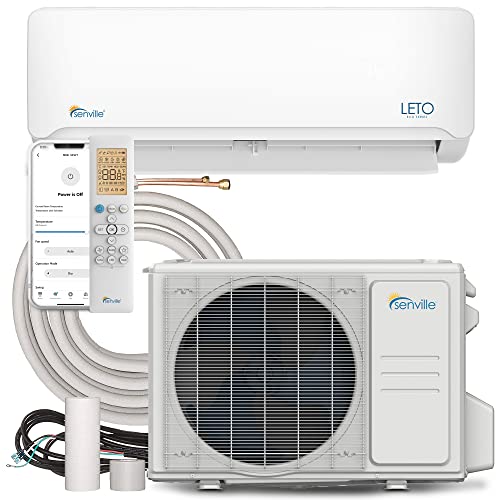
How Much to Install a Split Air Conditioner: A Complete Planning Guide
Understanding how much to install a split air conditioner is less about a single figure and more about understanding the variables that shape the project. Two homes with the same equipment can end up with very different installation scopes depending on line set length, wall construction, electrical readiness, and how the condensate must be routed. This guide walks through every factor that influences the installation, so you can read a contractor quote with confidence and spot the line items that are actually driving the total.
If you are still deciding whether a ductless system is the right fit, the overview of ductless mini split systems is a useful starting point. For a broader look at the equipment itself before you price installation, see mini split air conditioning unit and mini split AC system.
How to use this guide: Read the scope section first to understand what "installation" actually covers, then the labor and site factors, and finally the quote comparison checklist. By the end, you will know exactly which questions to ask before signing anything.
What Does Split Air Conditioner Installation Actually Cover?
Split system installation is not a single task — it is a sequence of specialized steps, each of which adds labor time and technical risk. Understanding the sequence makes it easier to see why two quotes for the same equipment can differ substantially.
- Site survey and load calculation — confirming capacity and selecting indoor/outdoor positions.
- Mounting the indoor head — bracket installation, wall penetration for the line set, and condensate drainage routing.
- Mounting the outdoor condenser — wall bracket, ground pad, or rooftop placement with proper clearance.
- Running the line set — copper refrigerant lines, communication cable, and condensate drain through walls or along exterior surfaces.
- Electrical work — dedicated circuit, disconnect box, and connection to the indoor and outdoor units.
- Vacuuming and charging — evacuating the line set, pressure testing, and releasing refrigerant per manufacturer specification.
- Commissioning — verifying airflow, temperature split, and thermostat operation.
- Cleanup and documentation — sealing penetrations, warranty registration, and handover walkthrough.
Each of these steps has a labor component that scales with the complexity of the home. A straightforward single-zone install in a framed wall is very different from a multi-zone system routed through a finished basement and brick exterior. For a deeper walkthrough of the physical work involved, see installing a mini split AC system and installing a mini split.
The Factors That Drive Installation Scope
Installation scope is shaped by the home, not the equipment. The same system can be a straightforward single-day job in one house and a multi-day project in another. The factors below are the ones that most consistently move the scope up or down.
1. Number of Zones (Indoor Heads)
Each additional indoor head adds mounting, line set routing, electrical connection, and commissioning work. Multi-zone systems also require a branch box or multiple line sets back to a single outdoor unit, which increases both labor and material complexity. For larger homes, systems like a five zone mini split can be practical, but the installation labor scales with each zone.
2. Line Set Length and Routing
Longer line sets require more copper, more insulation, and more careful pressure testing. Routing through finished walls, around obstacles, or along exterior facades adds time. Rooftop condenser placement or long vertical runs add further complexity. If the outdoor unit must sit far from the indoor head, expect the labor component to rise accordingly.
3. Wall and Roof Construction
Penetrating a framed wall is fast; penetrating brick, stone, or concrete requires different tools and more time. Homes with no accessible attic or crawlspace may require exterior line set covers, which add both material and labor. Roof-mounted condensers require additional structural and weatherproofing work.
4. Electrical Readiness
Split systems require a dedicated circuit and, depending on the model, a disconnect box near the outdoor unit. If the electrical panel has available capacity and the run is short, this is a modest addition. If the panel is full or the run is long, an electrician may need to be involved, which adds a separate scope. Homeowners with older panels should read the guidance on electrical outlet plugs and confirm capacity before ordering equipment.
5. Condensate Drainage
Indoor heads produce condensate that must drain by gravity or be lifted with a condensate pump. Gravity drainage is simpler when the indoor unit sits on an exterior wall; interior placements often require a pump, which adds a component and a power connection. A drip pan for AC unit in attic full of water situation is a reminder of how important drainage planning is.
6. Permit and Inspection Requirements
Many jurisdictions require a mechanical permit and an electrical permit for split system installation. Permit fees and inspection scheduling add both direct scope and time to the project. Contractors should include permit handling in the quote; if they do not, ask why.
Installation Scope by Project Tier
Rather than quoting a single figure, it helps to think about installation in tiers. The table below describes how scope typically expands from a straightforward single-zone project to a complex multi-zone installation. Descriptors are intentionally qualitative so they remain accurate over time and across regions.
| Project Tier | Typical Scope | Labor Profile | Best For |
|---|---|---|---|
| Essential tier | Single-zone system, framed wall penetration, short line set, existing electrical capacity, gravity drain | One working day for an experienced two-person crew | Single room additions, home offices, garage conversions with accessible walls |
| Balanced tier | Two-zone system, moderate line set routing, dedicated circuit added, condensate pump on one head | One to two days depending on routing and panel work | Two-bedroom apartments, small homes with two primary living zones |
| High-end tier | Three or more zones, long or complex line sets, brick or concrete penetration, panel upgrade, exterior line covers | Two to three days with electrician involvement | Multi-story homes, finished basements, homes with no existing ductwork |
| Professional-grade | Multi-zone with branch box, rooftop or remote condenser placement, structural mounting, full permit and inspection cycle | Three or more days with specialized trades | Large homes, additions, properties with difficult site access |
Important: Tier descriptors are not tied to a currency or a specific figure. They describe relative project scope so that the comparison stays useful as market conditions change. Always ask a contractor to break down which tier your home falls into and why.
How to Compare Split AC Installation Quotes
Comparing quotes is where most homeowners lose clarity. A single figure hides the scope, and two quotes that look similar on the surface can cover very different work. The checklist below is designed to make the comparison honest and concrete.
- Line-item breakdown — labor, materials, electrical, permit, and disposal should each appear as separate lines.
- Equipment model and capacity — the exact indoor and outdoor model numbers should be stated, not just a brand name.
- Line set length allowance — confirm how many feet are included and how additional length is handled.
- Electrical scope — is a dedicated circuit included, or is it a separate electrical contract?
- Condensate drainage method — gravity or pump, and where the drain terminates.
- Permit handling — who pulls the permit, and is the inspection included.
- Commissioning report — will the contractor provide a written record of airflow, charge, and temperature split?
- Warranty terms — manufacturer warranty, labor warranty, and whether registration is handled by the contractor.
- Cleanup and disposal — removal of packaging and old equipment if applicable.
For broader guidance on selecting a contractor, see HVAC contracting, HVAC service companies, and HVAC quotes. Homeowners comparing a ductless install against a full central system should also review estimated cost to install central air conditioning to understand the difference in scope.
DIY vs Professional Installation: What Actually Happens
Split system installation looks approachable on video, but the failure points are technical and expensive to fix. The refrigerant circuit must be evacuated to a deep vacuum, flare connections must be torqued to specification, and the electrical work must meet local code. Mistakes in any of these areas can void the manufacturer warranty and lead to premature equipment failure.
- Refrigerant handling — requires EPA Section 608 certification in the United States and specialized recovery and vacuum equipment.
- Flare and torque specifications — under-torqued flares leak; over-torqued flares crack. Manufacturer specifications must be followed exactly.
- Electrical code compliance — dedicated circuits, disconnects, and grounding are inspected and must meet local requirements.
- Warranty validity — most manufacturers require installation by a licensed professional for the warranty to remain valid.
For homeowners who want to be involved in the process without taking on the technical risk, a reasonable approach is to prepare the site (clear access, confirm panel capacity, decide indoor and outdoor locations) and let the licensed crew handle the rest. The guide to handyman to install window air conditioner illustrates why even simpler installations benefit from professional handling.
Site Preparation That Reduces Installation Complexity
A few hours of preparation before the crew arrives can meaningfully reduce labor time and the chance of surprises. The items below are the ones contractors most often ask homeowners to handle.
- Clear access to indoor and outdoor locations — furniture moved, pathways clear.
- Confirm panel capacity — a quick review with an electrician can prevent a mid-install delay.
- Decide indoor head placement — consider airflow, drainage, and furniture layout before the crew starts.
- Confirm outdoor condenser clearance — check local code for minimum distances from property lines and windows.
- Discuss line set routing preference — exterior covers vs interior routing affects both appearance and scope.
For homes without accessible ductwork, ductless systems are often the most practical path. The guide to ductless air conditioning for older homes covers the specific considerations for that scenario, and ductless mini split air conditioners and heat pumps explains how heating and cooling can be handled by a single system.
Frequently Asked Questions
What determines how much to install a split air conditioner?
The total scope depends on the number of indoor heads, line set length and routing complexity, electrical readiness, wall or roof penetration, condensate drainage, and whether the home needs a panel upgrade. Labor hours scale directly with these factors, which is why two homes with identical equipment can have very different installation scopes.
Can I install a split air conditioner myself?
DIY installation is not recommended for most split systems. Refrigerant handling, vacuuming the line set, torqueing flare connections, and electrical wiring all require specialized tools and certifications. Improper installation often voids manufacturer warranties and can create safety hazards.
How long does split air conditioner installation take?
A single-zone system typically takes one working day for an experienced crew. Multi-zone systems with long line runs, difficult routing, or electrical upgrades can extend the project to two or three days. Rooftop condenser placement and structural mounting add further time.
Does a split air conditioner installation require a permit?
Many jurisdictions require a mechanical and electrical permit for split system installation. Permit requirements vary by location, so confirm with the local building department before the crew begins work. Contractors should include permit handling in the quote; if they do not, ask why.
Is it worth upgrading to a heat pump version of a split system?
A heat pump split system provides both heating and cooling from the same equipment, which can be a strong fit in mild to moderate climates. The guide to heat pump cooling and heating split system explains how the components differ and where the approach makes the most sense.
Key Takeaways
- Installation scope, not equipment alone, is what drives the project total. Understand the tier your home falls into.
- Zones, line set length, wall construction, electrical readiness, and drainage are the five biggest scope factors.
- A line-item quote is easier to compare than a lump-sum figure. Ask for the breakdown.
- Permit handling and commissioning reports are signs of a professional installation process.
- DIY is not realistic for refrigerant work and electrical connections — protect the warranty and the equipment.
- Preparation before the crew arrives reduces labor time and surprises.