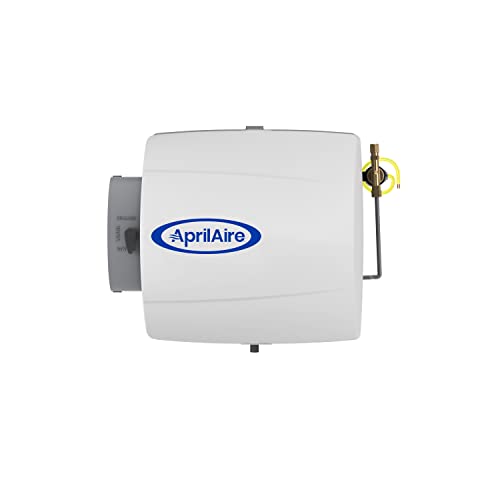
HVAC Humidifier Guide: Breathe Easier in Every Season
Dry indoor air causes cracked skin, static shocks, aggravated allergies, and damaged woodwork. Discover how a whole-house HVAC humidifier restores balanced humidity and integrates seamlessly with your existing heating and cooling system.
Explore Humidifier TypesWhy this guide matters: If your home feels dry during heating season, a standalone portable humidifier may not be enough for multiple rooms. A whole-house HVAC humidifier works with your furnace or air handler to deliver consistent moisture through the ductwork — no refilling tanks, no trailing cords, and no cold mist in the middle of a room. This guide walks you through every option so you can choose with confidence.
What Is an HVAC Humidifier?
An HVAC humidifier is a device installed directly into your heating, ventilation, and air conditioning system. Instead of humidifying a single room, it adds moisture to the air moving through your ducts, which then circulates throughout the entire home. It is the natural companion to your HVAC and air conditioning system, especially during winter months when heated air becomes uncomfortably dry.
Whole-house humidifiers are typically mounted on the supply or return plenum of your furnace or air handler. They receive a water supply line, a drain connection, and — depending on the type — either a bypass duct or a dedicated fan. When your system calls for heat, the humidifier activates and introduces moisture into the airstream. Modern units include a humidistat that monitors indoor relative humidity and cycles the unit on and off to maintain a target level, usually between 30% and 50% during heating season.
Understanding how humidity interacts with your overall system is important. Air that is too dry can make your heating feel less effective and can worsen respiratory discomfort. Air that is too humid encourages mold growth and condensation on windows. A properly sized and controlled humidifier keeps the balance right — and pairs well with broader HVAC energy efficiency improvements.
Types of HVAC Humidifiers
There are four main categories of whole-house humidifiers. Each uses a different method to add moisture, and each fits a different set of circumstances. The tier labels below describe market positioning, not numeric figures.
Bypass Humidifier
The most common and simplest design. A bypass duct routes warm supply air through a water-soaked pad and back into the return duct. It relies on the furnace blower running to move air. Well-suited to standard forced-air systems with adequate duct access.
Fan-Powered Humidifier
Similar to a bypass unit but adds its own fan, so it does not depend on a bypass duct or furnace blower pressure. This makes it more flexible for tight installations and slightly more effective at delivering moisture. A solid choice for mid-range whole-house setups.
Steam Humidifier
Boils water and injects steam directly into the ductwork. It works independently of furnace heat, delivers precise humidity control, and suits larger homes or climates with very low outdoor temperatures. Requires a dedicated electrical circuit.
Spray Mist Humidifier
Uses a spray nozzle to atomize water into the airstream. Often used in commercial or high-capacity residential applications. Requires careful drainage and maintenance to prevent mineral buildup in the ductwork.
If your home also uses a heat pump rather than a furnace, review our HVAC and heat pump overview, because some humidifiers are designed to work best with specific heating sources. For homes that rely primarily on radiant or baseboard heat with a separate AC system, a ducted humidifier may require a different integration approach — see HVAC and heating for related guidance.
Comparing Humidifier Types at a Glance
| Type | Tier | Best For | Key Consideration |
|---|---|---|---|
| Bypass Humidifier | Essential tier | Standard forced-air homes with duct access | Needs furnace blower running to humidify |
| Fan-Powered Humidifier | Balanced tier | Tight spaces and mid-range whole-house setups | Self-contained fan improves moisture delivery |
| Steam Humidifier | High-end tier | Large homes and cold climates | Independent operation; dedicated circuit required |
| Spray Mist Humidifier | Professional-grade | High-capacity or commercial applications | Requires diligent drainage and cleaning |
How to Size an HVAC Humidifier
Correct sizing is the difference between a system that keeps humidity steady and one that either underperforms or over-humidifies. Sizing is based on three factors: the volume of your home, the tightness of the building envelope, and the difference between indoor and outdoor humidity levels.
HVAC professionals express humidifier capacity in gallons per day (GPD). A small, tight home may need a modest capacity, while a large, drafty home in a cold climate needs substantially more. Your contractor will typically perform a load calculation similar in spirit to the HVAC design guide principles used for heating and cooling equipment. Oversizing is not harmless — it can push indoor humidity above recommended levels, causing window condensation and encouraging mold.
Sizing Factors to Discuss With Your Contractor
- Home volume: Total conditioned cubic footage, not just floor area.
- Building envelope: Insulation quality, window efficiency, and air sealing.
- Climate zone: Colder outdoor air holds less moisture and increases demand.
- Occupancy and lifestyle: Number of occupants, indoor plants, and cooking habits.
- Target humidity: Typically 30%–50% relative humidity during heating season.
If your home has known duct leakage, address it first. Sealing ducts — covered in our HVAC air duct sealing article — improves humidifier performance because moisture is less likely to escape before reaching living spaces.
Installation: What to Expect
Whole-house humidifier installation is a professional job, but understanding the process helps you evaluate quotes and ask the right questions. Most installations follow a similar sequence:
- Site assessment: The installer confirms available space on the supply or return plenum, checks for a nearby water line and drain, and verifies electrical access.
- Mounting: The humidifier housing is attached to the ductwork, and a bypass duct or fan connection is configured depending on the unit type.
- Water supply: A saddle valve or dedicated line connects the humidifier to the home's water supply, with a drain line routed to a suitable location — often a floor drain or condensate pump.
- Humidistat and wiring: A humidistat is mounted in the living space or on the return duct, and low-voltage wiring connects it to the humidifier and furnace controls.
- Testing and calibration: The installer verifies water flow, checks for leaks, and sets the humidistat to a sensible target.
Electrical work should follow local rules. Our HVAC building codes overview explains why permits and licensed trades matter, particularly for steam humidifiers that require a dedicated circuit. If you are also planning duct improvements, HVAC ductwork guidance can help you coordinate the two projects.
Maintenance: Keeping Your Humidifier Healthy
Humidifiers handle water and mineral content daily, so maintenance is not optional. Neglected units can harbor bacteria, clog with scale, and even leak into ductwork. A simple seasonal routine keeps performance strong:
- Replace the water panel or pad: Typically once per heating season, or more often in hard-water areas.
- Clean the housing and drain: Remove mineral deposits and flush the drain line to prevent clogs.
- Inspect the water supply line: Check for leaks or kinks at the saddle valve and connection points.
- Test the humidistat: Verify it triggers the unit correctly and holds the target humidity.
- Schedule professional service: An annual check alongside your HVAC maintenance guide routine keeps the whole system aligned.
Cleaning practices for the broader system overlap with humidifier care. Our HVAC cleaning overview and the HVAC and air duct cleaning guide cover the duct side, which matters because moisture travels through those same passages. If your system also handles dehumidification in summer, the HVAC dehumidification article explains the opposite side of the humidity equation.
Signs Your Home Needs a Humidifier
Not every dry-air complaint requires a whole-house solution, but certain patterns strongly suggest one. Watch for these signals:
- Repeated static shocks when touching doorknobs or light switches.
- Dry, cracked skin and irritated sinuses that improve when you leave the house.
- Wood flooring, furniture, or trim developing gaps and cracks during winter.
- Frequent nosebleeds or dry throat upon waking.
- Houseplants with browning leaf tips despite regular watering.
- Indoor humidity readings consistently below 30% on a hygrometer.
If these symptoms appear only in one room, a portable unit may suffice. If they appear throughout the home, a ducted humidifier is the more consistent solution. Either way, it helps to understand how your HVAC heat ventilation air conditioning system distributes air, since humidity follows the same paths.
Humidifier vs. Dehumidifier: Understanding the Balance
Humidity control is a two-way street. In winter, heated air becomes dry and a humidifier adds moisture. In summer, air conditioning removes moisture as a byproduct of cooling, but in humid climates a dedicated dehumidifier may still be needed. The HVAC dehumidification article explains how the process works and when supplemental equipment makes sense.
A well-designed system aims for a comfortable middle ground year-round. If you are evaluating a new installation or replacement, our HVAC buying guide provides a broader framework for comparing equipment categories, and the HVAC design resource covers how humidity control fits into overall system planning.
Common Mistakes to Avoid
- Setting humidity too high: Above 50% in cold weather, condensation forms on windows and exterior walls, risking mold and rot.
- Skipping the water panel: A clogged pad stops moisture delivery and can force the unit to run continuously.
- Ignoring water quality: Hard water accelerates scale buildup; consider a water softener or more frequent cleaning.
- Installing without a drain plan: Every humidifier produces wastewater that must route somewhere safe.
- Choosing by tier alone: A premium unit installed poorly underperforms an entry-level unit installed correctly.
Working With an HVAC Professional
Because a humidifier ties into your ductwork, water supply, drain, and electrical system, professional installation is strongly recommended. When evaluating contractors, ask about experience with humidifier models, warranty terms on labor, and whether they will perform a post-installation humidity test. Our HVAC contractor overview and the HVAC license and insurance guide help you verify credentials before signing.
If you are still comparing broader system options, the HVAC equipment resource and the HVAC companies directory provide context for how humidifiers fit into the larger picture. For commercial properties, the HVAC for commercial guide discusses higher-capacity humidity control.
Ready to Choose the Right Humidifier?
Review the recommended models below, compare features that match your home size and heating system, and take the next step toward balanced indoor humidity.
View Recommended HumidifiersFrequently Asked Questions
What humidity level should I set on my HVAC humidifier?
During heating season, a target of 30% to 50% relative humidity is generally comfortable. In very cold climates, keep it toward the lower end to avoid window condensation. Adjust seasonally and monitor with a hygrometer.
Can I install an HVAC humidifier myself?
It is not recommended. Installation involves cutting ductwork, connecting a water supply, routing a drain, and wiring a humidistat. Improper installation can cause water damage, electrical hazards, and void warranties. A licensed professional ensures safe, code-compliant work.
How often should the water panel be replaced?
Once per heating season is typical. Homes with hard water or extended heating seasons may need replacement more often. Check the panel monthly during heavy use and replace it when it shows scale buildup or reduced moisture output.
Does a whole-house humidifier work with a heat pump?
Many models do, but compatibility depends on the specific system. Fan-powered and steam humidifiers are often more flexible than bypass units when paired with heat pumps. Review the HVAC and heat pump guide and confirm with your contractor.
Will a humidifier increase my energy use?
Humidifiers add some electrical and water demand, but balanced humidity can make a home feel warmer at a lower thermostat setting, which may offset part of that use. Steam humidifiers draw more electricity than bypass or fan-powered units.
How do I know if my humidifier is working?
Check the humidistat reading against a separate hygrometer, listen for water flow when the system calls for humidity, and inspect the drain for discharge. If humidity stays low despite proper settings, the water panel or supply line may need attention.