Mini Split Air Conditioner Heat Pump 9000 BTU: The Complete Guide
Everything you need to know about choosing, sizing, and installing a 9000 BTU ductless mini split heat pump for efficient year-round comfort in small to medium spaces.
Explore Top PicksWhy a 9000 BTU Mini Split Heat Pump? A 9000 BTU mini split air conditioner heat pump is one of the most versatile and energy-efficient comfort solutions for single rooms, studios, and small apartments. It delivers both cooling in summer and heating in winter, all from a single ductless system that requires no major renovation. If you are researching this capacity, you are likely looking for a reliable, quiet, and efficient unit that fits a specific room — and this guide will help you make an informed decision.
What Is a 9000 BTU Mini Split Heat Pump?
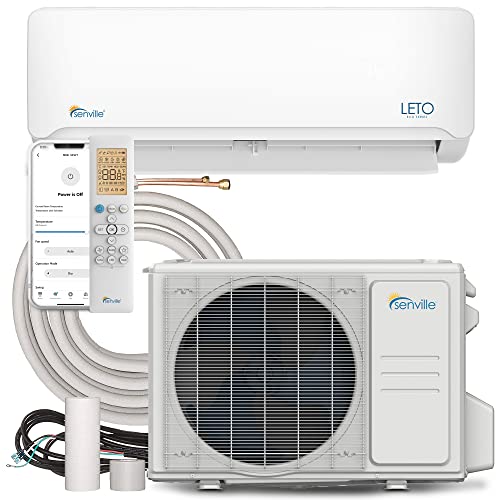
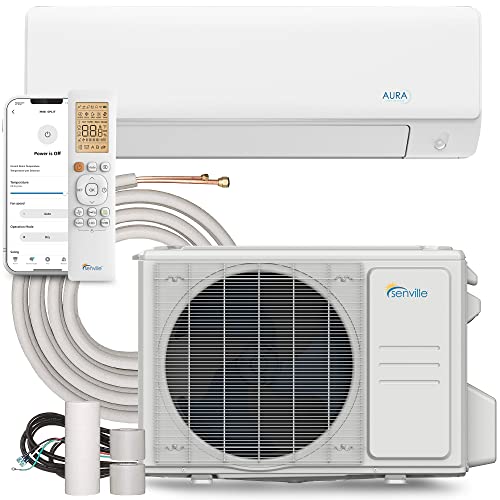
A mini split heat pump is a ductless HVAC system consisting of an outdoor compressor unit and one or more indoor air handlers. The 9000 BTU capacity refers to the system's cooling output — approximately 9,000 British Thermal Units per hour. In practical terms, a 9000 BTU mini split is designed to cool or heat a room of roughly 300 to 450 square feet, depending on insulation, ceiling height, and climate.
What sets a heat pump apart from a standard air conditioner is its ability to reverse the refrigeration cycle. In cooling mode, it removes heat from your indoor space. In heating mode, it extracts heat from the outdoor air (even in cold temperatures) and transfers it indoors. This makes a mini split air conditioner with heat pump a true year-round solution, eliminating the need for a separate furnace or baseboard heater in many cases.
Is 9000 BTU the Right Size for Your Room?
Choosing the correct capacity is the single most important decision when buying a mini split. An undersized unit will struggle to maintain comfort on hot days, while an oversized unit will short-cycle, leading to poor dehumidification and unnecessary wear. Here is a general sizing guideline:
150 – 250 sq ft
Small bedroom, home office, studio apartment. A 9000 BTU unit is often ideal here.
250 – 350 sq ft
Medium bedroom, small living room. 9000 BTU works well with good insulation.
350 – 450 sq ft
Large bedroom or open studio. 9000 BTU may suffice in mild climates; consider 12000 BTU in hot regions.
450+ sq ft
Consider a larger capacity or a multi-zone system. A 12000 BTU mini split may be more appropriate.
For a more precise calculation, factor in ceiling height, window area, sun exposure, and the number of occupants. Our guide on Manual J load calculation explains how professionals size systems accurately. If you are unsure, always consult a local HVAC contractor before purchasing.
Key Features to Look For in a 9000 BTU Mini Split Heat Pump
Not all 9000 BTU mini splits are created equal. When comparing models, pay attention to these features:
- SEER2 and HSPF2 Ratings: Higher efficiency ratings mean lower energy consumption over time. Look for units with SEER2 above 16 and HSPF2 above 9 for solid efficiency. Our article on SEER ratings explains how to interpret these numbers.
- Inverter Compressor: An inverter AC varies its compressor speed to maintain consistent temperatures and reduce energy use. This is especially important for heat pumps that run year-round.
- Low Ambient Heating: If you plan to use the heat pump in winter, check the unit's minimum operating temperature. Some 9000 BTU models are rated for operation down to 5°F or lower. For colder climates, consider low ambient mini splits.
- Noise Level: Indoor units typically range from 19 to 35 dB. Quieter models are preferable for bedrooms and home offices.
- Smart Controls: Wi-Fi connectivity, programmable schedules, and app control add convenience and can improve efficiency.
- Filtration: Washable filters are standard, but some models include additional air purification features. For allergy sufferers, a mini split with dehumidifier function can be beneficial.
Pros and Cons of a 9000 BTU Mini Split Heat Pump
Advantages
- Ductless installation — no major renovation required
- High energy efficiency compared to window or portable units
- Both heating and cooling in one system
- Quiet operation, especially indoors
- Zone control — cool or heat only the rooms you use
- Improved indoor air quality with multi-stage filtration
Considerations
- Higher upfront equipment and installation investment than portable units
- Requires professional installation for refrigerant lines and electrical work
- Outdoor unit placement must be planned carefully
- 9000 BTU capacity may be insufficient for very hot climates or poorly insulated rooms
Installation Considerations for a 9000 BTU Mini Split
Installing a mini split heat pump is not a DIY project for most homeowners. It involves running refrigerant lines, electrical wiring, and condensate drainage, and it requires proper vacuuming of the line set. Professional installation ensures the system operates efficiently and maintains its warranty. Our detailed guide on installing a mini split walks you through the process from a homeowner's perspective.
Key installation factors include:
- Indoor unit placement: High on a wall, away from direct sunlight and heat sources, with clear airflow.
- Outdoor unit placement: Shaded area with adequate clearance for airflow and access for maintenance.
- Line set length: Shorter runs are more efficient. Discuss optimal placement with your installer.
- Electrical requirements: Most 9000 BTU mini splits require a dedicated 15-amp or 20-amp circuit. Verify with a licensed electrician.
- Permits: Many jurisdictions require a permit for HVAC installation. Check local regulations before proceeding.
Maintenance Tips to Keep Your Mini Split Running Efficiently
Regular maintenance extends the life of your mini split and keeps energy consumption in check. Here are the essentials:
- Clean or replace filters every 2–4 weeks during peak use. Clogged filters reduce airflow and efficiency.
- Clean the indoor coil annually. Dust and debris accumulate over time; a soft brush and coil cleaner can restore performance.
- Inspect and clean the outdoor unit. Remove leaves and debris from around the condenser. Gently rinse the coils with a garden hose.
- Check condensate drainage. Ensure the drain line is clear to prevent water backups. If you notice mini split air conditioner dripping water, address it promptly.
- Schedule professional service every 1–2 years. A technician can check refrigerant levels, electrical connections, and overall system health.
How a 9000 BTU Mini Split Compares to Other Cooling Options
If you are considering a 9000 BTU mini split, you may also be evaluating window units, portable ACs, or central air. Here is a quick comparison:
Window AC
Lower upfront investment but blocks window view, noisy, and typically less efficient. Limited heating capability.
Portable AC
Flexible placement but less efficient, requires exhaust hose setup, and takes up floor space. Generally no heat pump function.
Central AC
Whole-home comfort but requires ductwork and significant installation. Not practical for single-room cooling or homes without ducts.
9000 BTU Mini Split
Efficient, quiet, dual heating and cooling, no ductwork. Ideal for single rooms and small spaces. Higher upfront investment but long-term efficiency.
For homes without existing ductwork, a mini split is often the most practical and efficient choice. If you are comparing ductless vs ducted systems, our article on ductless vs ducted AC provides a deeper analysis.
What to Expect at Different Quality Tiers
When shopping for a 9000 BTU mini split heat pump, you will encounter models across several quality tiers. Understanding these tiers helps you align your expectations with your needs:
- Entry-level tier: Basic features, standard efficiency ratings, and simpler controls. Suitable for budget-conscious buyers or occasional-use rooms.
- Mid-range tier: Higher SEER2 ratings, inverter compressors, quieter operation, and often Wi-Fi capability. A solid choice for most residential applications.
- High-end tier: Premium efficiency, advanced filtration, low ambient heating performance, and smart home integration. Ideal for primary living spaces and year-round use.
- Professional-grade tier: Engineered for reliability and performance in demanding applications, often with extended warranties and enhanced durability features.
For most homeowners, a mid-range or high-end 9000 BTU mini split offers the best balance of features, efficiency, and long-term reliability. Our recommendations below highlight options across these tiers.
Frequently Asked Questions
How many square feet does a 9000 BTU mini split cool?
A 9000 BTU mini split typically cools 300 to 450 square feet, depending on insulation, ceiling height, and climate. In hot climates or poorly insulated rooms, it may be better suited to 250–350 square feet.
Can a 9000 BTU mini split heat pump heat my room in winter?
Yes, most 9000 BTU heat pumps provide efficient heating down to 5°F or lower. However, in very cold climates, you may need a low-ambient model or a supplemental heat source. Check the unit's rated operating range before purchasing.
How much electricity does a 9000 BTU mini split use?
Energy consumption varies with efficiency ratings and usage. A high-efficiency 9000 BTU mini split with a SEER2 rating above 20 uses significantly less electricity than an entry-level model. Inverter compressors help reduce consumption by modulating speed rather than cycling on and off.
Do I need a professional to install a mini split heat pump?
Yes. Installation involves refrigerant handling, electrical connections, and vacuuming the line set. Improper installation can void warranties and reduce efficiency. Hire a licensed HVAC contractor for best results.
What is the difference between a mini split AC and a mini split heat pump?
A mini split AC only cools, while a mini split heat pump provides both cooling and heating by reversing the refrigeration cycle. If you need year-round comfort, choose a heat pump model.
How long does a 9000 BTU mini split last?
With proper installation and regular maintenance, a quality mini split heat pump can last 15 to 20 years. Annual or biennial professional servicing helps maximize lifespan.