Portable Air Conditioner for Crank Out Window
Everything you need to know about choosing, venting, and installing a portable air conditioner in a room with a crank-out or casement window.
START LEARNINGQuick summary: Crank-out windows swing outward on a hinge, so they need a dedicated crank window kit rather than the standard sliding-window panel. With the right kit and a correctly sized portable AC, you can cool a bedroom, living room, or home office efficiently without permanent modifications.
Can a Portable AC Work with a Crank Out Window?
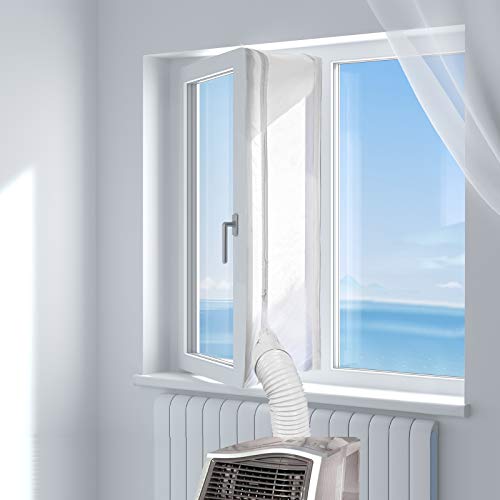
Yes. A portable air conditioner can be used with a crank out window as long as the exhaust hose is vented through a kit designed for that window style. Crank out windows, also called casement windows, swing outward when you turn the handle, so the open sash sits at an angle to the frame. That angle is what makes a standard sliding-window panel unusable.
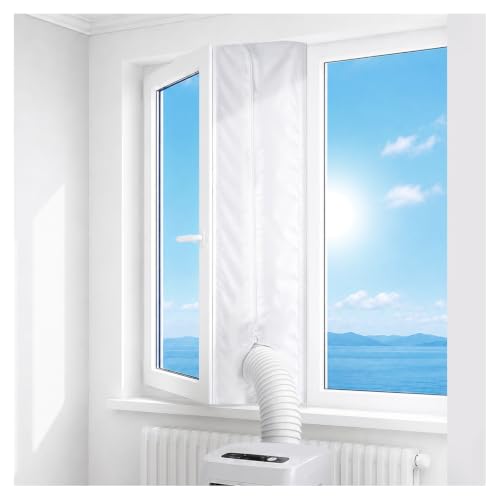
A crank window kit bridges the gap by attaching a fabric sleeve or semi-rigid panel to the frame and sash, then holding the exhaust hose securely. When sealed correctly, the kit creates a closed path for hot air to leave the room, so the portable unit can cool effectively without pulling outdoor heat back in.
For a step-by-step look at the hardware itself, our dedicated guide to a portable air conditioner crank out window kit explains measuring, installation, and sealing in detail.
Why You Need a Dedicated Crank Window Kit
Portable air conditioners exhaust a large volume of hot air through a single hose. If that hose simply hangs out of an open window, the room loses the cooled air it just produced, and outdoor humidity and heat flow back in. A kit solves this by sealing the opening around the hose.
The table below shows how crank window kits differ from other venting options.
| Venting Option | Window Type | Best For | Notes |
|---|---|---|---|
| Crank out window kit | Casement or awning window | Bedrooms and apartments with swing windows | Fabric or semi-rigid insert seals around the open sash. |
| Sliding window kit | Double-hung or slider window | Standard track windows | Uses a rigid panel that fits the window track. |
| Fabric window seal | Most window types | Renters and odd-shaped windows | Wraps around the open window and hose; less rigid than a kit. |
| No kit | Any | Not recommended for regular use | Wastes cooling and lets hot air and humidity inside. |
How to Choose a Portable AC for a Crank Window Room
The right portable AC depends on the room and how you plan to vent it. Focus on cooling capacity, hose configuration, and features that match your climate.
Sizing by Room and Load
Choose a capacity that matches the room's square footage, ceiling height, insulation, window area, and sun exposure. Rooms with large south- or west-facing windows, kitchens, and home offices with equipment generate more heat and need more capacity. Oversizing can cause short cycling and poor humidity control, while undersizing leaves the room warm during hot afternoons.
As a starting point, our guide to a portable air conditioner for 500 sq ft room walks through sizing for a mid-sized space, and our guide to a portable air conditioner for very small room covers compact bedrooms and offices.
Single Hose vs Dual Hose
Single-hose units are simpler and often lighter, but they pull some conditioned air out of the room as they exhaust. Dual-hose units draw outdoor air for cooling the condenser and exhaust it separately, which can be more efficient in larger or hotter rooms. Both work with a crank window kit, but check that the kit accommodates the number and diameter of hoses.
Features That Matter
- Self-evaporating system: Reduces how often you need to drain the unit, which matters in humid climates.
- Dehumidification mode: Useful in muggy weather when cooling demand is lower.
- Programmable timer and sleep mode: Helps manage overnight comfort and energy use.
- Wi-Fi control: Convenient for pre-cooling a room before you arrive.
- Wheels and handles: Makes it easier to move the unit between rooms with compatible window kits.
If you want to compare feature sets across categories, our guide to a portable air conditioner with Wi-Fi control explains smart features in more depth. For humid climates, a unit with strong dehumidification is a practical choice, as explained in our guide to a portable air conditioner for humid climates.
Installation Steps for a Crank Window
Installing a portable AC with a crank window kit is straightforward. The exact steps vary by kit and unit, but the process usually looks like this:
- Measure the window and hose: Record the open sash width and height, frame depth, and exhaust hose diameter.
- Choose the right kit: Select a crank out window kit that matches your hose diameter and window size.
- Clean the frame: Wipe down the frame and sash so adhesive strips and seals bond properly.
- Attach the kit: Fix the fabric or panel to the frame and sash using the included hook-and-loop strips or adhesive.
- Seal the perimeter: Add weatherstripping or tape around edges and corners to close gaps.
- Connect the hose: Insert the exhaust hose into the kit's port and secure it with the provided collar.
- Position the portable unit: Place the AC near the window, leaving enough space for airflow and drainage.
- Test the seal: Run the unit and feel around the kit for escaping air, then tighten the seal as needed.
Tip: Do not let the crank sash press directly on the exhaust hose. The sash should rest against the kit seal, not crush the hose. A crushed hose restricts airflow and reduces cooling.
If your window opens sideways rather than swinging out, our guide to a portable air conditioner side opening window setup covers the right kit for that style. For casement windows specifically, our guide to a portable air conditioner for casement windows compares kit options and installation tips.
Sealing for Maximum Cooling
A portable AC only cools effectively when the room is sealed against outdoor air. Common leak points around a crank window include the hinge side, the latch side, the top and bottom corners, and the hose port. Address each one:
- Hinge side: Use foam weatherstripping along the edge where the sash meets the frame.
- Latch side: Apply a fabric seal or tape along the opening between the sash and the kit.
- Corners: Fold and tape corners of fabric kits to prevent sagging and gaps.
- Hose port: Confirm the collar fits snugly and add a zip tie or tape if the hose wobbles.
Insulating the exhaust hose is another worthwhile step. The hose radiates heat into the room as it carries hot air outdoors, and an insulated exhaust hose or an exhaust hose insulation sleeve reduces that heat gain.
Troubleshooting Common Problems
The Room Does Not Get Cold Enough
Insufficient cooling is usually caused by sealing gaps, an undersized unit, or direct sunlight. Check the kit's seals, confirm the portable AC capacity matches the room, and close blinds during the hottest part of the day. Our guide on portable air conditioner not cooling enough covers additional causes.
Water Collects in the Unit
Portable ACs remove humidity from the air, and that moisture collects in a tank or drain pan. Units with a self-evaporating system reduce how often you need to empty the tank, especially in humid weather. Our guide to a portable air conditioner no drain required setup explains how these systems work. If you prefer a unit that rarely needs draining, look for that feature in the product list.
The Hose Gets Hot
Heat radiating from the exhaust hose reduces cooling and can make the room feel warmer near the unit. Use an insulated hose or sleeve and keep the hose as short and straight as possible.
The Kit Does Not Fit
Kits are not universal. If the fabric or panel does not cover the open sash, look for an adjustable or larger kit, or add a fabric window seal around the edges. For unusual window sizes, a fabric seal is often more flexible than a rigid panel.
Alternatives When a Crank Window Kit Is Not Possible
Fabric Window Seal
Wraps around the open sash and the hose. Works with odd-shaped or oversized crank windows.
Non-Vented Portable AC
Uses evaporative technology rather than a compressor. Suitable for dry climates, not humid ones.
Mini Split
No window venting needed, but installation is more involved. See our guide to a portable ductless mini split air conditioner.
Window AC
Needs a sash window that can hold the unit. Not suitable for most crank-out casement windows.
If the window opens only a few inches or is sealed shut, a different venting approach may be needed. Our guide to a portable air conditioner without window vent covers options, and our guide to a portable air conditioner without window access explains how to handle rooms with no usable window at all.
Choosing a Portable AC by Quality Tier
Portable ACs vary in build quality, quietness, and dehumidification performance. Use these tiers to compare options consistently.
Essential Cooling
Good value for its tier. A solid choice for occasional use in a single bedroom or small office with a standard crank window.
Balanced Performance
Feature-rich for its class, with better dehumidification, quieter operation, and more convenient drain options.
High-End Comfort
Well-specified for the category, with dual-hose designs, smart controls, and stronger airflow for larger rooms.
Long-Term Durability
Efficient in the long run, with premium materials and components designed for extended seasonal use.
If the unit will run daily for long hours, a mid-range or premium portable AC usually offers better comfort and quieter operation than an entry-level model. Pair it with a well-sealed crank window kit for the best results.
Maintenance for Portable ACs in Crank Window Rooms
- Clean the filter every two weeks: Dust and pet hair reduce airflow and cooling capacity.
- Drain the tank regularly: Even self-evaporating units need occasional draining in humid weather.
- Inspect the kit each season: Replace worn weatherstripping and reapply tape before the hot season.
- Keep the hose straight: Kinks and sharp bends reduce exhaust airflow and strain the compressor.
- Store the kit properly in winter: Clean and dry the fabric before folding and storing it.
Frequently Asked Questions
Can you use a portable air conditioner with a crank out window?
Yes. A portable air conditioner can be vented through a crank out or casement window using a dedicated crank window kit. The kit seals the open sash and holds the exhaust hose so hot air leaves the room without letting outdoor heat and humidity back in.
What kind of kit do I need for a crank out window?
You need a crank out or casement window kit designed for windows that swing outward on a hinge. A standard sliding window panel will not work because the sash does not slide into a track. Look for a fabric or semi-rigid kit with a hose port that matches your portable AC exhaust hose diameter.
How do I choose the right size portable AC for a crank window room?
Match the portable AC's cooling capacity to the room's square footage, ceiling height, insulation, window area, and sun exposure. Oversizing wastes energy and can cause short cycling, while undersizing leaves the room warm. A load calculation gives the most accurate result.
Does a portable AC work with a crank window that opens inward?
Kits are typically designed for outswing crank windows. Inswing casement windows may need a different seal or a fabric window seal. Check the kit's compatibility and consider a flexible fabric seal that wraps around the open sash if the kit does not fit an inswing window.
How do I keep hot air from coming back through a crank window opening?
Seal the kit's perimeter with weatherstripping or tape, make sure the hose port is tight, and confirm the window sash rests against the kit seal. Insulating the exhaust hose also reduces heat radiating back into the room.
Explore Portable ACs for Crank Windows
Compare portable air conditioners selected for crank-window compatibility, efficient venting, and reliable cooling in bedrooms, home offices, and living rooms.
Explore Options