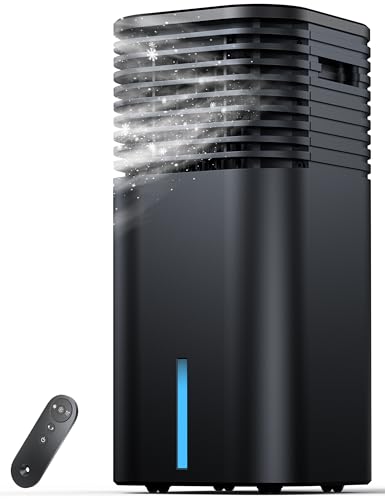
Room Air Conditioning: The Complete Guide
Everything you need to choose, size, and use a room air conditioner. Understand the different types, key features, and how to match a unit to your room for quiet, efficient, and reliable cooling.
Explore Room AC TypesStart with the room, not the product. Room air conditioning is about matching cooling capacity and airflow to a specific space. Measure your room, note the window type, and understand how often you use the room. These three details guide every other decision, from room air conditioners to room cooling AC choices.
What Is Room Air Conditioning?
Room air conditioning refers to cooling a single enclosed space rather than an entire home. A room air cond unit is designed to remove heat and humidity from one room, then circulate the cooled air back into that same space. This is the opposite of a central system, which conditions multiple rooms through ductwork.
Single-room cooling is popular because it is straightforward to install, easy to control, and simple to replace. It is the standard solution for bedrooms, home offices, guest rooms, and rentals where ductwork is not available or not practical. For a broader look at whole-home options, see residential air conditioning and residential central air conditioning systems.
Types of Room Air Conditioners
There are four main families of room air conditioning equipment. Each has a different installation method, a different set of strengths, and a different ideal use case.
Window Air Conditioner
The most common room cooling solution. A window unit sits in the window opening, pulls outside air across the condenser coil, and blows cooled air into the room. It is compact, self-contained, and typically the simplest to install. Models for unusual openings include room air conditioner for casement windows and room air conditioner for vertical windows.
Portable Air Conditioner
A freestanding unit on casters that vents warm air through a hose kit placed in a window or sliding door. It moves between rooms and needs no permanent installation. It suits renters and rooms with difficult windows. If you need a fixed spot but no window, explore a room air conditioner that doesn't need a window.
Ductless Mini-Split
A wall-mounted indoor head connected to an outdoor compressor by a small refrigerant line. It is quiet, efficient, and does not block a window. Mini-splits are the strongest choice for rooms used daily and are available as a single-zone mini split for one room.
Through-the-Wall Unit
Installed permanently into a sleeve in an exterior wall. It frees the window and is common in hotels and apartments. It offers a clean look but requires wall work during installation.
Which Room AC Type Fits Your Space?
| Room Type | Recommended AC Type | Best For |
|---|---|---|
| Bedroom | Window unit or mini-split | Quiet overnight cooling |
| Home office | Window or portable | Flexible daytime use |
| Rental unit | Portable or window | No permanent changes |
| Add-on room | Ductless mini-split | Year-round efficiency |
| Guest room | Window unit or combo heater | Occasional use and warmth |
How to Size a Room Air Conditioner
Cooling capacity is measured in British thermal units, or BTU. A unit that is too small will run nonstop and never reach the set temperature. A unit that is too large will cool the air quickly but leave the room humid and cycle on and off too often. Sizing is the single most important decision in room air conditioning.
Quick Room Size Reference
| Room Area | Cooling Capacity Tier | Typical Room |
|---|---|---|
| Up to 150 sq ft | Compact tier | Small bedroom, study |
| 150–250 sq ft | Standard tier | Bedroom, small living room |
| 250–400 sq ft | Mid-capacity tier | Living room, studio |
| 400–600 sq ft | High-capacity tier | Open-plan living area |
| 600+ sq ft | Large-room tier | Open plan, multi-use space |
Adjust upward for south-facing windows, vaulted ceilings, kitchens, or rooms with many occupants. Adjust downward for heavy shade or a well-insulated modern room. The goal is a unit that runs steadily during the hottest afternoon rather than one that is oversized. For a step-by-step method, read the air conditioner sizing guide or use a BTU calculator by room size.
Key Features to Compare
Two room air conditioners with similar capacity can behave very differently depending on their compressor and controls. These are the features that matter most when you compare models.
Inverter Compressor
An inverter compressor varies its speed instead of switching fully on and off. The result is steadier temperature, quieter operation, and better efficiency over long run times. Compare this with a non-inverter AC.
Energy Efficiency Ratio
Efficiency ratings indicate how much cooling you get per unit of electricity. Higher ratings cost more upfront but use less energy over the years, making them a worthwhile investment in the long run. See what a SEER rating means.
Noise Level
Measured in decibels, noise matters most in bedrooms. Premium models often use insulated compressors and multi-speed fans to keep the sound low. A quiet air conditioner is worth prioritizing in sleeping areas.
Smart Controls
Wi-Fi, scheduling, and app control let you cool the room before you arrive. These features are common in mid-range and top-tier models and pair well with a small air conditioner with thermostat.
Heating Function
A room air conditioner and heater combination adds warmth for cooler months, turning a single-room unit into a year-round solution.
Air Quality
Washable filters are standard. Some models add purifiers or self-cleaning cycles that reduce maintenance and keep airflow fresher.
Installation and Placement Tips
Where you place a room unit affects how well it performs. A window air conditioner should sit level, with the back tilted slightly downward so condensation drains outside. Keep the outdoor side clear of obstructions and avoid recirculating hot exhaust. If the window opening is unusual, look at a room AC unit that doesn't need a window or a window exhaust panel for portable hoses.
For portable units, the exhaust hose should be as short and straight as possible. Seal the window kit tightly so hot air does not leak back into the room. For wall-mounted mini-splits, place the indoor head high on a wall that allows air to sweep across the room rather than blowing directly onto a seating area.
Before installing anything, confirm the electrical requirements. Most room units run on a standard circuit, but larger capacities may need a dedicated outlet. Read more about amps and breaker size for AC units and 110V vs 240V air conditioners.
Efficiency and Maintenance
Room air conditioning works best when the unit is clean and the room is sealed. Follow a simple routine to keep performance steady:
- Clean or replace the filter every two to four weeks during heavy use.
- Check the outdoor coil and remove leaves, dust, and debris.
- Seal gaps around window kits and doors to stop cooled air from escaping.
- Set a consistent temperature rather than switching the unit on and off repeatedly.
- Use a ceiling fan to circulate air, which lets you set a higher temperature comfortably.
For a complete seasonal routine, follow the seasonal AC checklist. If you notice weak airflow or unusual noise, a dirty filter or a blocked condenser is the most common cause. Homeowners replacing an older system should also review the guidance on replacing an air conditioner and residential HVAC replacement planning before committing to a new setup.
Special Room Situations
Not every room is a simple rectangle with a standard double-hung window. These common situations have dedicated solutions:
No Window Available
Rooms without a usable window can use a portable unit with a door or wall vent kit, or a ductless mini-split. Explore room air conditioners that don't need to be vented and single room AC units with no window.
Sliding or Casement Windows
Standard window units may not fit. Use a specialized model or a sliding window portable air conditioner kit.
Small Rooms
Compact spaces need compact units. See small air conditioners for small rooms and small air conditioners for bedrooms.
Year-Round Comfort
Guest rooms and home offices often need heat as well as cooling. A combination unit or a mini-split with a heat pump covers both seasons.
Room AC Buying Checklist
Before you select a model, confirm each of these points. A short checklist prevents the most common room air conditioning mistakes.
- Measure the room area and note ceiling height.
- Identify the window type, opening width, and available venting path.
- Estimate how many hours per day the unit will run.
- Decide whether heating is also required.
- Check the electrical circuit and outlet type near the install spot.
- Prioritize noise control if the room is a bedroom.
- Compare efficiency ratings within the same capacity tier.
- Confirm warranty terms and filter availability.
Ready to Compare Room Air Conditioners?
Use the checklist above to shortlist models by room size, window type, and efficiency tier. The product section below shows recommended room air conditioning units selected for single-room cooling.
View Recommended Room AC UnitsFrequently Asked Questions
What size room air conditioner do I need?
Match cooling capacity to room area. A small bedroom typically needs a compact unit, a living room needs a mid-range unit, and an open-plan space needs a high-capacity unit. Always factor in ceiling height, sun exposure, and window area.
What is the difference between a window and a portable room air conditioner?
Window units sit in a window opening and cool a single room efficiently. Portable units roll between rooms and vent through a hose kit. Window models generally cool more consistently, while portable models offer flexibility for renters.
Is an inverter room air conditioner better?
Inverter compressors adjust speed continuously, which maintains a steadier temperature and uses energy more efficiently in the long run. They are a strong choice for rooms used for long hours each day.
Can a room air conditioner also heat?
Yes. A room air conditioner and heater combination uses a reversing valve or electric heat strip to provide warmth in cooler months, making it a year-round single-room solution.