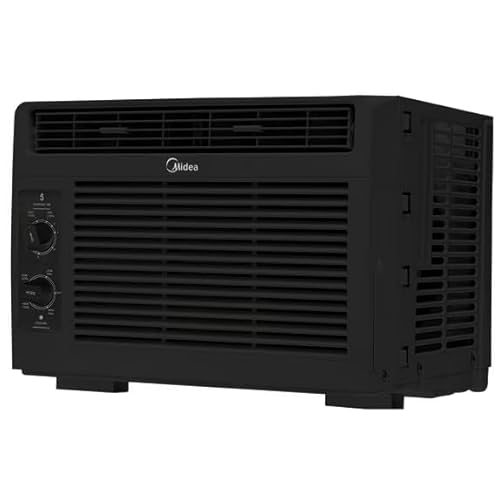
5000 BTU Air Conditioner with Thermostat: Complete Guide
Everything you need to know about choosing, using, and maintaining a 5000 BTU air conditioner with thermostat control for small rooms and compact spaces.
Explore the GuideWhy a 5000 BTU AC with Thermostat Matters: A 5000 BTU air conditioner is the ideal cooling solution for small rooms up to approximately 150 square feet. When paired with a reliable thermostat, it delivers precise temperature control, improved energy efficiency, and consistent comfort. This guide covers everything from thermostat types to installation and maintenance, helping you make an informed decision before you buy.
What Is a 5000 BTU Air Conditioner?
A 5000 BTU (British Thermal Unit) air conditioner is a compact cooling unit designed for small spaces. BTU is the standard measurement of cooling capacity, and 5000 BTU is the entry point for most residential air conditioning applications. These units are typically window air conditioners, though portable and through-the-wall variants exist.
For context, a 5000 BTU unit can effectively cool a room of up to 150 square feet, assuming standard ceiling height (8 feet) and average insulation. This makes it well-suited for:
- Bedrooms — Standard bedrooms in the 100–150 sq ft range
- Home offices — Compact workspaces that need focused cooling
- Studio apartments — Single-room living spaces
- Dorm rooms — Small living quarters with limited square footage
- Small living rooms — Compact areas in apartments or condos
If your room is larger than 150 square feet, you may want to explore the 8,000–10,000 BTU AC category for better cooling performance. For a direct comparison of similar capacity units, see the 5,000–6,000 BTU AC guide.
Types of Thermostats on 5000 BTU Air Conditioners
The thermostat is the control center of your air conditioner. It determines when the compressor runs and when it rests, directly impacting both comfort and energy use. Here are the three main thermostat types found on 5000 BTU units:
Mechanical Thermostat
Simple dial or rotary control. You turn the knob to a desired setting, and the unit cycles on and off based on the ambient temperature. Entry-level units typically use this type. It offers basic control with less precision.
Digital Thermostat
A digital display shows the exact temperature setting. These thermostats provide more precise control than mechanical versions and often include remote control operation. Mid-range units commonly feature this type.
Programmable Thermostat
Allows you to set schedules for different times of day. Premium units may include this feature, which can improve energy efficiency by cooling only when needed. Some models support Wi-Fi connectivity for remote adjustments.
When comparing thermostat types, consider your daily routine and cooling needs. A mechanical thermostat works well for occasional use in a guest room. A digital or programmable thermostat is better for daily use in a bedroom or home office where consistent temperature matters. For advanced control features, explore ACs with Wi-Fi and smart control or learn more about thermostat integration in mini-split systems.
How a Thermostat Works in a 5000 BTU AC
The thermostat in a 5000 BTU air conditioner works as a temperature sensor and switch. Here is the basic operating cycle:
- Sensing: The thermostat continuously monitors the room's air temperature.
- Comparison: It compares the current temperature to your set point (the temperature you selected).
- Action: If the room is warmer than the set point, the thermostat signals the compressor to start cooling. When the room reaches the set point, it signals the compressor to stop.
- Fan Control: Many thermostats also control the fan, allowing you to run the fan continuously for air circulation even when the compressor is off.
This cycle repeats automatically, maintaining a consistent temperature. A well-calibrated thermostat can reduce energy use by preventing the unit from running longer than necessary. Understanding the efficiency of an air conditioner helps you appreciate how thermostat behavior affects overall performance.
Thermostat Type Comparison
| Tier | Thermostat Type | Best For | Control Precision | Energy Features |
|---|---|---|---|---|
| Entry-Level | Mechanical dial | Occasional use, guest rooms | Basic, ±2–3°F variance | Manual on/off only |
| Mid-Range | Digital with remote | Daily use, bedrooms, offices | Good, ±1°F variance | Precise set point, sleep mode |
| Premium | Programmable / smart | Regular use, energy-conscious homes | High, ±0.5°F variance | Scheduling, Wi-Fi, eco mode |
Key Features to Look For in a 5000 BTU AC with Thermostat
Cooling Capacity and Room Size Match
Ensure the 5000 BTU rating aligns with your room size. An undersized unit will run continuously without reaching the set temperature, while an oversized unit will cycle too frequently, wearing out components. For rooms slightly larger, consider the 8,000 BTU window air conditioners.
Thermostat Precision and Display
Digital displays show the exact set temperature and current room temperature. Some units include remote controls with thermostat functionality, allowing you to adjust settings without getting up. Look for models with backlit displays for nighttime visibility.
Energy Efficiency Rating
Check the EER (Energy Efficiency Ratio) or CEER (Combined Energy Efficiency Ratio) rating. Higher ratings indicate better efficiency. Learn more about energy efficiency ratings and window AC energy efficiency ratings to make an informed comparison.
Installation Type
5000 BTU units are most commonly window air conditioners. They are relatively easy to install in double-hung windows and require minimal modification. If you prefer a permanent installation, consider through-the-wall AC units, though fewer 5000 BTU models are available in this format.
Noise Level
Smaller units generally produce less noise than larger ones, but thermostat type and fan speed settings affect noise. Digital thermostats often allow fan speed adjustment. If quiet operation is a priority, read about quiet air conditioners.
Installation Considerations
Installing a 5000 BTU window air conditioner with thermostat is a manageable DIY project for most homeowners. Here are the key considerations:
- Window Type: Most units fit double-hung windows with a minimum width of 23–26 inches and a minimum height of 13–15 inches. Measure your window before purchasing.
- Electrical Requirements: 5000 BTU units typically run on standard 115V household current and draw around 4–5 amps. A dedicated 15-amp circuit is recommended. Learn more about voltage considerations if you are unfamiliar with electrical requirements.
- Support: Most units include mounting brackets or support brackets. For safety, ensure the unit is properly secured and slightly tilted backward for drainage.
- Sealing: Use foam insulation or weatherstripping to seal gaps around the unit. This prevents cool air from escaping and keeps hot air out.
If you are not comfortable with DIY installation, consider professional help. The companies that install window air conditioners guide can help you find qualified installers in your area.
Maintenance Tips for Longevity
Regular maintenance keeps your 5000 BTU AC running efficiently and extends its lifespan. Here is a simple maintenance schedule:
- Monthly: Clean or replace the air filter. A clogged filter restricts airflow and reduces cooling efficiency. Most filters are washable and can be rinsed with water.
- Seasonally: Clean the exterior condenser coils. Dust and debris buildup on the coils reduces heat transfer and forces the compressor to work harder.
- Annually: Inspect the thermostat calibration. If the unit is cooling past or short of the set point, the thermostat may need adjustment or replacement.
- Before Storage: If you remove the unit for winter, clean it thoroughly and store it in a dry place. Cover the window opening to prevent drafts.
For a comprehensive maintenance guide, see the 5000 BTU window AC with thermostat resource and the ENERGY STAR 5000 BTU window AC guide.
Energy Efficiency and Thermostat Settings
Using your thermostat wisely can significantly reduce energy consumption. Here are practical recommendations:
- Set a Comfortable Temperature: The U.S. Department of Energy recommends setting your thermostat to 78°F (26°C) when you are home and higher when you are away. Every degree above 72°F can save a noticeable amount of energy.
- Use Sleep Mode: Many digital thermostats include a sleep mode that gradually raises the temperature overnight. This is comfortable and energy-efficient.
- Schedule Around Your Routine: Programmable thermostats let you set different temperatures for when you are awake, asleep, or away. This avoids cooling an empty room.
- Pair with Fans: Using a ceiling fan or portable fan allows you to set the thermostat a few degrees higher without sacrificing comfort. Learn more about using a ceiling fan with AC.
For a deeper dive into energy-saving strategies, explore the ENERGY STAR 5000 BTU air conditioner guide or the 5000 BTU ENERGY STAR window AC unit overview.
Common Thermostat Issues and Solutions
AC Not Cooling to Set Temperature
If the unit runs but does not reach the set temperature, the thermostat may be miscalibrated, or the room may be larger than the unit's capacity. Check the filter first, then verify the room size. If the issue persists, the thermostat sensor may need replacement.
AC Cycling On and Off Too Frequently
Short cycling is often caused by an oversized unit or a thermostat located near a heat source (like a lamp or direct sunlight). Ensure the thermostat is not exposed to direct heat. If the unit is correctly sized, a professional may need to check the thermostat calibration.
Thermostat Display Not Working
Check the power supply and circuit breaker. If the unit has power but the display is blank, the thermostat control board may have failed. This is more common in older units. Refer to the manufacturer's troubleshooting guide or consult a technician.
For troubleshooting other common problems, see the AC blowing cold air but not cooling guide and the small room window AC reviews for model-specific insights.
What to Consider Before Buying
Before selecting a 5000 BTU air conditioner with thermostat, evaluate these factors:
- Room Size: Confirm your room is 150 square feet or less. If it is slightly larger, consider a 6000 BTU unit for better performance. Browse the 6000 BTU ENERGY STAR window AC options.
- Thermostat Type: Decide whether mechanical, digital, or programmable control best fits your lifestyle.
- Installation Location: Window units are the most common for this capacity. Check window dimensions and electrical access.
- Noise Tolerance: Read reviews about noise levels, especially if the unit will be in a bedroom.
- Brand Reliability: Research air conditioner brands and air conditioner companies for reputation and warranty support.
- Energy Efficiency: Look for ENERGY STAR certification if energy savings are a priority.
Related Cooling Solutions for Small Spaces
If a 5000 BTU window AC does not perfectly fit your needs, consider these alternatives:
- Portable AC: A 5,000 BTU portable air conditioner offers flexibility for rooms where window installation is not possible. Portable units can be moved between rooms but typically have lower efficiency than window units.
- Higher Capacity Window AC: For rooms up to 250 square feet, an 8,000 BTU 115V quiet eco smart window AC provides more cooling power.
- Mini-Split System: For a permanent, ductless solution, a 2-ton mini-split air conditioner offers whole-home or multi-room cooling with advanced thermostat control.
- Window AC with Remote: If convenience is important, the 5000 BTU window air conditioner with remote control offers easy adjustments from across the room.
Ready to Choose Your 5000 BTU AC with Thermostat?
Explore our curated selection of top-rated 5000 BTU air conditioners with thermostat control. Compare features, read specifications, and find the right model for your space.
View Recommended ModelsFrequently Asked Questions
What size room can a 5000 BTU air conditioner cool?
A 5000 BTU air conditioner is designed for small rooms up to approximately 150 square feet. This makes it suitable for bedrooms, home offices, small studios, and compact living spaces. For rooms larger than 150 square feet, consider a higher capacity unit.
What types of thermostats are available on 5000 BTU air conditioners?
5000 BTU air conditioners typically feature mechanical thermostats, digital thermostats with remote control, or programmable thermostats. Digital and programmable options offer more precise temperature control and energy-saving scheduling capabilities.
Can a 5000 BTU air conditioner with thermostat save energy?
Yes, models with digital or programmable thermostats can improve energy efficiency by maintaining precise temperature settings and allowing scheduled operation. This prevents unnecessary cooling cycles and reduces overall energy consumption.
How often should I clean the filter on my 5000 BTU AC?
Clean or replace the air filter at least once a month during cooling season. A clogged filter restricts airflow, reduces cooling efficiency, and can cause the unit to overwork. Most filters are washable and can be rinsed with water.
Is a 5000 BTU AC enough for a bedroom?
Yes, a 5000 BTU AC is sufficient for most standard bedrooms up to 150 square feet. However, factors like ceiling height, insulation, window area, and occupancy can affect cooling needs. If your bedroom has large windows or poor insulation, you may need a slightly higher capacity.
Continue Learning
For more information on related topics, explore these guides:
- What is air conditioning? — Understanding the basics of how AC works
- Small room window AC reviews — Real-world feedback on compact units
- Top-rated 6000 BTU window ACs — Slightly larger capacity for versatile cooling
- HVAC system overview — How AC fits into your home's full HVAC setup
- 150 sq ft 115V 5000 BTU window AC — A specific capacity-focused guide