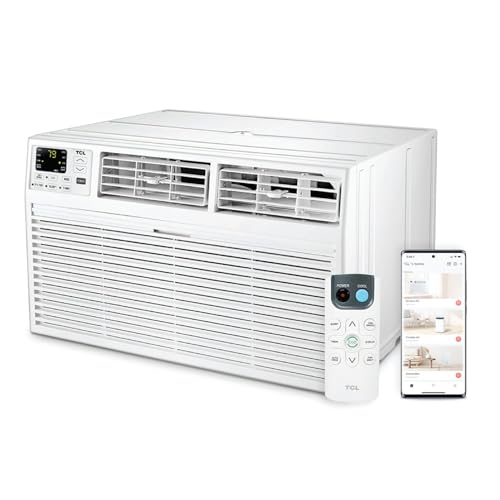
Through the Wall Air Conditioner with Heat Pump: The Complete Buyer's Guide
A through the wall air conditioner with heat pump is one of the most practical comfort solutions for rooms that lack ductwork but still need reliable cooling in summer and efficient heating in the cooler months. Unlike a standard window unit that only cools, a heat pump model reverses the refrigeration cycle to warm the room when outdoor temperatures drop. If you are in the research phase and want to understand exactly what you are getting before you commit, this guide walks you through how the technology works, how to size it correctly, what installation involves, and which features genuinely matter.
Quick definition: A through the wall air conditioner with heat pump is a self-contained unit installed inside a wall sleeve. It cools and heats using the same sealed refrigeration system, drawing outside air across an outdoor coil and delivering conditioned air into the room.
How a Through the Wall Heat Pump Unit Works
The core of the system is a reversible refrigeration circuit. In cooling mode, refrigerant absorbs heat from indoor air and releases it outside. In heating mode, a reversing valve flips the flow so the outdoor coil becomes the evaporator and the indoor coil becomes the condenser, releasing heat into the room. This is the same principle used by a through the wall heat and air conditioning unit, but the heat pump version is specifically engineered for year-round operation rather than cooling alone.
Because the unit sits inside a wall sleeve, it does not consume window space or block natural light. The chassis slides in and out for service, which is a major advantage over sealed window units. Most models include a condenser drain system that must be routed properly to avoid water pooling inside the wall cavity.
If you are comparing this format against freestanding alternatives, our overview of through the wall air conditioning units explains where the wall-sleeve design fits relative to other room-level solutions.
Cooling and Heating Capacity Range
Heat pump wall units typically span from small-room capacities around 8,000 BTU up to larger commercial-grade sizes above 18,000 BTU. A common residential configuration is the 10,000 BTU through the wall air conditioner, which suits medium bedrooms and living areas. For larger open spaces, the 18,000 BTU through the wall air conditioner delivers higher airflow and a stronger heating output.
Heat Pump vs. Standard Through the Wall AC
The main distinction is heating capability. A standard wall AC unit only cools and may include a resistive electric heater strip as an accessory. A heat pump model moves heat rather than generating it from resistance, which generally makes it more efficient in moderate climates. The table below summarizes the practical differences you should weigh before choosing.
| Consideration | Standard Wall AC | Wall AC with Heat Pump |
|---|---|---|
| Cooling performance | Yes | Yes |
| Heating method | Electric resistance strip only | Reversible refrigeration cycle plus optional strip backup |
| Cold-climate behavior | Heating output drops with strip-only design | Output tapers in extreme cold; backup heat recommended below 40°F |
| Best suited for | Cooling-dominant rooms | Rooms needing both cooling and shoulder-season heating |
| Complexity | Simpler internal components | Reversing valve and defrost logic add complexity |
If your climate has long, mild winters and you want a single unit to handle both seasons, the heat pump design is the more logical choice. If you only need cooling and already have a separate heating source, a standard cooling unit may be simpler to maintain. For a broader look at combination formats, see our page on through the wall air conditioner heater combos.
Sizing and BTU Selection
Correct sizing is the single biggest factor in comfort and efficiency. An oversized unit cools the room quickly but short-cycles, leaving humidity high and causing uneven temperatures. An undersized unit runs continuously and struggles during peak heat. As a starting rule, allow roughly 20 BTU per square foot of floor area, then adjust upward for sun exposure, occupancy, and ceiling height.
- Up to 150 sq ft: 5,000–6,000 BTU — consider a 5,000 BTU through the wall air conditioner
- 150–250 sq ft: 8,000–10,000 BTU
- 250–400 sq ft: 12,000–14,000 BTU — see the 14,000 BTU through the wall unit
- 400–600 sq ft: 18,000 BTU and above
Wall sleeve dimensions also constrain your choices. Common openings include the 26 x 16, 26 x 17, 26 x 18, 27 x 17, and 19 x 14 formats. Measure the existing sleeve before buying anything, especially in replacement situations.
Pro tip: If you are replacing an existing chassis, read our guide on through the wall air conditioner replacement to avoid sleeve mismatch and electrical surprises.
Installation and Wall Sleeve Requirements
A through the wall heat pump unit is not a drop-in appliance for a hollow wall. It requires a properly framed and sealed sleeve, correct electrical service, and a drain path. Most residential models run on either 110–120V or 240V service. Larger capacities and heat pump models frequently require the 240 volt through the wall air conditioner circuit, while smaller rooms can use a 110 volt through the wall air conditioner.
Because the wall penetration is permanent, hiring a qualified installer is strongly recommended. Our directory of through the wall air conditioner installers helps you find professionals who understand sleeve framing and electrical code requirements. For a broader comparison of wall-mounted formats, review through wall heating and air conditioning units before committing to a specific configuration.
Electrical and Drain Checklist
- Confirm the circuit amperage and breaker rating match the unit nameplate.
- Verify the sleeve is level and sealed with exterior flashing.
- Route the condensate drain with a slight downward slope to the exterior.
- Check that outdoor clearance is adequate for airflow and service access.
Features That Matter
Once sizing is settled, prioritize features that affect daily comfort and long-term reliability. The following are the ones buyers most often overlook.
Efficiency Ratings
Look for a competitive SEER or EER rating within the unit's class. Higher-efficiency models typically use inverter-driven compressors, which modulate speed instead of cycling on and off. If quiet operation and stable temperatures are priorities, explore a through the wall inverter air conditioner.
Smart Controls and Connectivity
Wi-Fi-enabled models let you schedule cooling and heating, monitor filter status, and integrate with home automation. See through the wall air conditioner with Wi-Fi for a focused comparison of connected models.
Humidity and Air Quality
Built-in dehumidification helps in humid climates, and washable filters reduce dust. If humidity control is a priority, review through the wall air conditioner with dehumidifier options. Heat pump models also benefit from a clean evaporator coil, so filter maintenance directly affects both cooling and heating performance.
Market Tiers Compared
Wall heat pump units fall into recognizable market tiers. The table below describes what each tier typically delivers so you can match expectations to your room and usage pattern.
| Tier | Typical Characteristics | Best For |
|---|---|---|
| Entry-Level | Mechanical controls, single-speed compressor, basic strip backup heat | Rental units, seasonal rooms, occasional use |
| Mid-Range | Digital thermostat, programmable timer, improved sound insulation | Primary bedrooms, home offices, daily use |
| Premium | Inverter compressor, higher efficiency, Wi-Fi, quieter operation | Living areas, light commercial, long-term use |
| Flagship Tier | Top efficiency, advanced defrost logic, robust commercial-grade construction | Commercial-grade installs, extreme climate reliability |
Entry-level models are fine for rooms used intermittently. Mid-range units offer the best balance of comfort features and durable construction for daily household use. Premium and flagship tiers make sense when quiet operation, efficiency, and long-term reliability justify the higher specification. For curated picks, see our top-rated through the wall air conditioner overview.
Maintenance and Longevity
A wall heat pump unit lasts longer when the filter, coils, and drain are serviced on schedule. Clean or replace the filter every four to six weeks during heavy use. Inspect the outdoor coil seasonally and remove debris that restricts airflow. In heating mode, verify the defrost cycle completes correctly; a unit that ices over repeatedly may need refrigerant service or a sensor check.
- Clean the indoor filter monthly during peak seasons.
- Flush the condensate drain before summer and before winter heating.
- Schedule a professional coil cleaning annually for heavy-use units.
- Test heat mode in early autumn before you depend on it.
For troubleshooting when cooling or heating underperforms, see our guide on troubleshooting air conditioning.
Frequently Asked Questions
Can a through the wall heat pump replace my window AC?
Yes, provided you have a suitable wall sleeve or are willing to create one. The wall-mounted format frees the window, is typically quieter, and includes heating, but it requires permanent wall modification and proper electrical service.
Does a heat pump wall unit work in freezing temperatures?
Most residential wall heat pumps operate efficiently down to roughly 40°F and taper below that. Many units include a backup electric strip heater for colder periods. For sustained sub-freezing climates, check the unit's rated operating range and defrost performance before choosing.
What size through the wall heat pump do I need for a bedroom?
A typical bedroom under 250 sq ft is well served by an 8,000–10,000 BTU unit. Confirm the exact figure by measuring floor area, then adjust for sun exposure, ceiling height, and the number of occupants.
Can I install a through the wall heat pump myself?
DIY installation is possible only if a properly sized, level, sealed sleeve already exists and the electrical circuit matches. New wall penetrations, framing, exterior flashing, and 240V circuits are best handled by a licensed installer.
How does a heat pump model compare to a heater combo unit?
A heat pump moves heat using the refrigeration cycle and is generally more efficient in mild weather. A heater combo often relies on electric resistance heat, which is simpler but uses more energy. If heating efficiency matters, the heat pump design is preferable.
Bottom line: Choose a through the wall air conditioner with heat pump when you need both cooling and shoulder-season heating in a room without ductwork. Nail down the sleeve dimensions, electrical service, and BTU capacity first, then select a tier that matches how often the room is used.
Ready to Compare Models?
Browse curated wall heat pump units and check availability from trusted retailers.
View Recommended Models