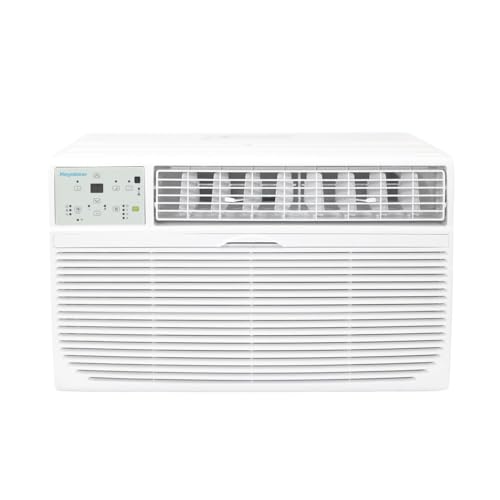
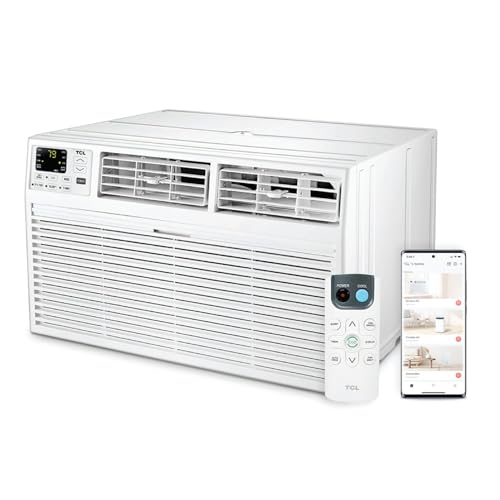
Through the Wall Air Conditioner with Dehumidifier
A complete research guide to built-in cooling and moisture control — how these units work, what to check before buying, and how to choose the right tier for your space.
START LEARNINGWhy this page exists: If you are researching a through-the-wall air conditioner with a dehumidifier, you already know the category you want. What you likely need now is clarity: how the dehumidification function actually works, whether a built-in unit fits your wall and electrical setup, and which tier of product matches your room. This guide answers those questions before you commit.
What Is a Through-the-Wall AC with Dehumidifier?
A through-the-wall air conditioner with a dehumidifier is a self-contained cooling unit installed permanently into an exterior wall sleeve rather than a window frame. The unit pulls in indoor air, cools it, and simultaneously removes excess moisture as part of the cooling cycle. Most modern built-in units include a dedicated dehumidify mode that prioritizes moisture removal with reduced cooling output, which is especially useful in humid climates and shoulder seasons.
Unlike a standard through the wall AC, a dehumidifier-equipped model is designed to keep indoor relative humidity in a healthier range — typically between 40% and 60% — without relying on a separate portable dehumidifier. This matters because excessive humidity makes a room feel warmer at the same thermostat setting and can encourage mold growth in wall cavities and furnishings.
Because the unit sits inside a wall sleeve, it does not block a window, is harder to remove from outside, and generally offers a cleaner look than a window-mounted alternative. The trade-off is that installation requires cutting an exterior wall opening, which makes planning and sizing more critical than with a plug-and-play window unit.
How the Dehumidifier Function Works in a Built-In Unit
Every air conditioner dehumidifies as a by-product of cooling: warm indoor air passes over a cold evaporator coil, moisture condenses on the coil, and the condensate drains away. In a through-the-wall unit with a dedicated dehumidify mode, the system typically runs the compressor and indoor fan at a setting that maximizes coil contact time, removing more water per hour while producing less sensible cooling.
- Dedicated dehumidify mode: Prioritizes moisture removal; useful on mild but muggy days when full cooling is uncomfortable.
- Condensate management: Water collects in a drain pan and must exit through a gravity drain or condensate pump. Proper drainage is essential for wall-mounted units.
- Continuous fan options: Some models allow the fan to run after the compressor stops, helping dry the coil and reduce musty odors.
- Humidity sensing: Mid-range and top-tier models increasingly include built-in humidity sensors that modulate operation automatically.
If your main concern is moisture rather than heat, it helps to understand the difference between cooling-based dehumidification and a dedicated standalone appliance. A room AC in dehumidify mode is convenient, but a stand-alone air conditioner unit with a strong dehumidify setting can be a better fit for rooms where wall installation is not possible.
Key Features to Evaluate Before Buying
The market for built-in units ranges from essential tier to premium tier. The differences that matter most are not cosmetic — they affect comfort, durability, and how well the unit handles humidity over years of use.
| Feature | Why It Matters | Typical Tier Where It Appears |
|---|---|---|
| BTU capacity | Undersized units run constantly and dehumidify poorly; oversized units short-cycle and leave moisture behind. | All tiers — sizing is not a premium feature |
| Dehumidify mode | Separates moisture control from full cooling, improving comfort in humid shoulder seasons. | Mid-range and above; some entry-level models include basic versions |
| Humidity sensor | Automates moisture control and prevents over-drying. | Mid-tier to top-tier |
| Condensate pump compatibility | Allows drainage where gravity flow is not possible. | Mid-range and premium |
| Inverter compressor | Modulates output for steadier temperature and humidity, and quieter operation. | High-end tier to flagship tier |
| Wall sleeve and trim kit | Determines fit, weather sealing, and how cleanly the unit integrates with the wall. | Varies; check compatibility for every tier |
| Remote or smart control | Convenient scheduling and humidity monitoring. | Premium and flagship tiers |
For a broader comparison of how built-in units differ from other form factors, the through the wall air conditioning units overview is a useful companion read. If quiet operation is a priority for a bedroom or home office, pay particular attention to compressor type and fan design — premium-tier inverter models are generally the quietest option in this category.
Sizing: Match BTU to Room and Humidity Load
Sizing a through-the-wall unit is similar to sizing any room air conditioner, with one important adjustment: humid rooms need a unit that can run long enough to remove moisture, not just chill the air. An oversized unit cools the room quickly, shuts off, and leaves humidity elevated. A slightly conservative sizing choice often produces better dehumidification performance.
As a starting point for standard ceiling heights and average insulation:
- Up to 150 sq ft: 5,000–6,000 BTU — see 5,000 BTU through the wall models.
- 150–250 sq ft: 8,000–10,000 BTU — see 10,000 BTU through the wall units.
- 250–400 sq ft: 12,000–14,000 BTU — see 14,000 BTU through the wall models.
- 400–700 sq ft: 18,000 BTU — see 18,000 BTU through the wall units.
Adjust upward for sunny west-facing walls, poorly insulated rooms, or kitchens with heat-producing appliances. Adjust downward for shaded rooms with good insulation. For a deeper walkthrough of the calculation method, read the guide on how to size an air conditioner.
Humidity tip: If your room is consistently above 60% relative humidity, choose a unit with an explicit dehumidify mode and, ideally, a humidity sensor. In extremely damp spaces such as basements, a dedicated dehumidifier paired with cooling may be more effective than relying on the AC alone.
Wall Opening, Sleeve, and Electrical Requirements
Through-the-wall installation is permanent, so the physical and electrical requirements deserve careful attention before purchase. Most built-in units are designed around standard wall sleeve dimensions, and replacement units must match the existing sleeve or include a new one.
Wall opening and sleeve
Standard wall sleeves commonly fit openings in the range of roughly 26 inches wide by 16 to 18 inches high, but dimensions vary by manufacturer and model series. Measure your existing opening precisely before ordering. If you are creating a new opening, confirm the required rough opening with the manufacturer's installation manual and check for structural considerations, exterior clearance, and local code requirements. Units designed for specific opening sizes are covered in guides such as 26 x 16 through the wall models and 26 x 17 through the wall models.
Electrical requirements
Smaller units typically run on 110–115 volt circuits, while larger-capacity units generally require 230–240 volt dedicated circuits. Never assume an existing outlet is adequate. Check the unit's nameplate amperage and confirm the circuit and breaker match. Guides on 110 volt through the wall units and 240 volt through the wall units explain what to verify. If you are unsure about your panel capacity, consult a licensed electrician before installation.
Drainage
Because the unit removes moisture, condensate must drain reliably. Gravity drainage is preferred where possible; where it is not, a condensate pump is required. A poorly drained wall-mounted unit can cause water damage inside the wall cavity, so this is not a detail to skip.
Dehumidifier AC vs. Separate Dehumidifier
Many buyers wonder whether a through-the-wall AC with a dehumidifier can replace a standalone dehumidifier. The honest answer depends on your climate and the room.
- When the AC is enough: In hot, humid summers, the cooling cycle removes substantial moisture, and a dedicated dehumidify mode handles muggy but mild days. This is the ideal use case for a combined unit.
- When a separate dehumidifier helps: In cool, damp conditions — spring, fall, or basements — running an AC for moisture control overcools the space. A dedicated dehumidifier operates without chilling the room.
- When both make sense: Very humid climates sometimes justify both, with the AC handling heat and the dehumidifier maintaining humidity targets in shoulder seasons.
If your space is a basement or a room without an exterior wall suitable for installation, alternatives such as a stand-alone air conditioner without a window vent or a high-efficiency portable air conditioner may be more practical. For rooms where a window unit is acceptable, the most efficient window air conditioner guide covers that category in detail.
Installation: DIY vs. Professional
Replacing a unit in an existing sleeve is often a manageable DIY task for a confident homeowner: slide out the old unit, inspect and clean the sleeve, verify the circuit, and slide in the new unit with proper sealing and support. Creating a new wall opening is a different matter — it involves cutting siding or masonry, framing, flashing, and weather sealing, and it usually requires a permit.
For new installations, hiring a qualified installer is the safer path. The guide on through the wall air conditioner installers explains what to look for in a contractor, and the through the wall air conditioner replacement guide covers the swap-out process step by step. Before any work begins, confirm whether a permit is required in your area.
Maintenance for Reliable Dehumidification
A unit that dehumidifies well is a unit that is maintained well. Moisture control depends on airflow across clean coils and unobstructed drainage.
- Clean or replace the air filter every 2–4 weeks during heavy use. A clogged filter reduces airflow, which impairs both cooling and moisture removal.
- Inspect the drain pan and drain line monthly during humid season. Clear any algae or debris that could block flow.
- Clean the evaporator and condenser coils at least once per season. The guide on cleaning the AC filter is a good starting point for routine care.
- Check the exterior seal and sleeve annually for gaps, rust, or weather damage that could let humid outdoor air bypass the unit.
- Schedule professional service every one to two years to check refrigerant charge and electrical connections.
If you notice the unit running but the room staying clammy, the issue is often airflow, drainage, or sizing rather than a failed dehumidifier function. The AC not blowing cold air troubleshooting guide covers common diagnostic steps.
Tier Guide: Choosing the Right Level
To keep comparisons consistent, this guide uses a tier system instead of numeric figures. Each tier reflects relative market position and feature depth, not an absolute ranking.
| Tier | Typical Characteristics | Best For |
|---|---|---|
| Entry-level / essential tier | Mechanical or basic electronic controls, standard dehumidify mode, solid build, fewer convenience features. | Guest rooms, rentals, and buyers who prioritize straightforward operation. |
| Mid-range / balanced tier | Digital controls, humidity sensing, improved fan design, better filtration, condensate pump compatibility. | Primary bedrooms and living spaces where comfort and moisture control both matter. |
| Premium / high-end tier | Inverter compressor, quieter operation, advanced humidity control, smart connectivity on select models. | Home offices, master suites, and rooms where noise and stable humidity are priorities. |
| Flagship / professional-grade | Heavy-duty construction, commercial-grade components, extended duty cycles, comprehensive warranties. | High-usage rooms, light commercial spaces, and long-term installations. |
Mid-range models usually offer the most balanced combination of moisture control and everyday comfort, while entry-level units remain a solid choice where the dehumidify function is secondary to straightforward cooling. Premium and flagship tiers make sense when quiet operation, precise humidity management, or heavy-duty durability are essential.
Common Questions, Answered
Does a through-the-wall air conditioner with a dehumidifier remove enough moisture on its own?
In hot and humid weather, yes — the cooling cycle removes significant moisture, and a dedicated dehumidify mode extends that capability into mild, muggy days. In cool, damp conditions or very damp basements, a separate dehumidifier is usually more effective because it does not overcool the room.
Can I replace an older through-the-wall unit with a dehumidifier-equipped model?
Usually, provided the new unit fits the existing sleeve dimensions and the electrical circuit matches the new unit's requirements. Measure the sleeve carefully and check the nameplate amperage before ordering. The replacement guide walks through the process.
Is a dehumidify mode the same as cooling?
No. Cooling mode prioritizes temperature reduction, while dehumidify mode prioritizes moisture removal with reduced cooling output and often lower fan speed. The two modes serve different comfort goals, and humid climates benefit from using both appropriately.
How do I know if my room needs a dehumidifier-equipped unit?
Signs include persistent clamminess, condensation on windows, musty odors, and a room that feels warm even at a moderate thermostat setting. A simple humidity meter can confirm whether indoor relative humidity consistently exceeds 60%.
Does a built-in unit need a condensate pump?
Only if gravity drainage is not possible. Many installations can drain by gravity through the wall; others require a pump to lift condensate to a suitable drain. Confirm the drainage path before installation to avoid water damage inside the wall.
Before You Buy: A Quick Checklist
- Measure the room and confirm the BTU range matches your square footage and humidity load.
- Measure the existing wall sleeve or plan the rough opening for a new installation.
- Verify the electrical circuit voltage, amperage, and breaker size.
- Confirm the drainage path — gravity or pump.
- Decide which tier matches your priorities: essential cooling, balanced comfort, or premium quiet operation with advanced humidity control.
- Check warranty terms and whether professional installation is required to maintain coverage.
Once these boxes are checked, you are ready to compare specific models with confidence. The recommendations below are organized by the same tier logic used throughout this guide.