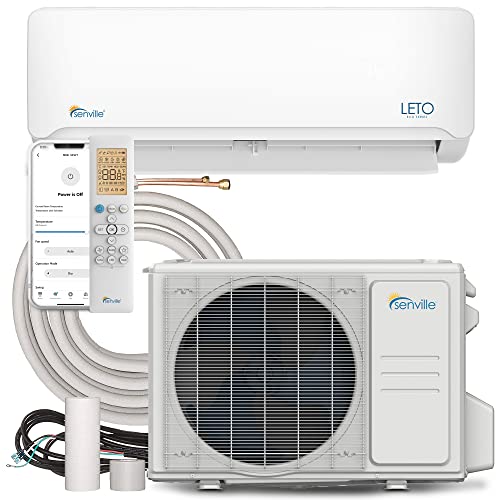
Wall Mounted Air Conditioner and Heat Pump Without Outdoor Unit: Complete Guide
Everything you need to know about self-contained wall-mounted systems that deliver both cooling and heating from a single indoor unit — no external condenser required.
START LEARNINGAC Units Guide Philosophy: A wall mounted air conditioner and heat pump without outdoor unit is an ideal solution for spaces where installing an external condenser is impractical — apartments, historic homes, rented properties, or rooms with no exterior wall access. This guide explains how these systems work, what to expect, and how to choose the right one.
What Is a Wall Mounted Air Conditioner and Heat Pump Without Outdoor Unit?
A wall mounted air conditioner without outdoor unit is a self-contained climate control system where the compressor, condenser, evaporator, and air-handling components are all integrated into a single wall-mounted indoor unit. Unlike traditional split systems that require an external condenser connected via refrigerant lines, these units operate entirely within the room.
When the system also includes heating capability, it functions as a wall mounted air conditioner and heat pump without outdoor unit. This means you get both cooling in summer and heating in cooler months from one compact unit — without any exterior equipment.
These systems are sometimes called wall mounted self-contained air conditioning units because all refrigeration components are contained within the indoor housing. They are distinct from wall mounted air conditioners with outdoor units, which rely on a separate condenser placed outside the building.
How These Self-Contained Systems Work
Understanding the mechanics helps you evaluate whether a wall mounted air conditioner without external unit suits your space. Here is the basic operating principle:
- Integrated refrigeration cycle: The compressor and heat exchanger coils are housed inside the wall-mounted unit. Air is drawn in, cooled (or heated), and circulated back into the room.
- Heat rejection: Since there is no outdoor condenser, waste heat from the cooling process must be managed differently. Many systems use a combination of internal venting, evaporative condensation management, or a small exhaust duct through the wall.
- Heat pump function: In heating mode, the refrigerant cycle reverses to absorb heat from outside air (or a ventilation source) and release it indoors. Models designed for this dual purpose are often called wall mount heat and air conditioning units.
- Condensate management: Water produced during cooling is either collected in an internal reservoir, drained via gravity through a small wall outlet, or evaporated using a slinger ring or evaporative tray.
Because everything is contained indoors, these systems are sometimes referred to as wall mounted ductless air conditioner units — they deliver conditioned air directly into the room without ductwork.
Key Benefits of Wall Mounted AC and Heat Pump Without Outdoor Unit
No Outdoor Condenser Required
Perfect for apartments, condos, historic buildings, or any property where installing an external unit is not permitted or physically possible. No concrete pad, no outdoor bracket, no landlord approval for exterior modifications.
Simplified Installation
A single wall penetration for drainage and ventilation (if needed) replaces the complex refrigerant line routing required by split systems. Installation is typically faster and less invasive.
Dual Heating and Cooling
One unit handles both seasons. A wall mounted air conditioner and heater combo eliminates the need for separate space heaters, saving wall space and simplifying operation.
Space-Saving Wall Mount Design
Mounted high on the wall, these units free up floor space compared to portable or floor-standing alternatives. They are especially suited to wall mounted air conditioners for small rooms where every square foot matters.
Ideal for Renters and Temporary Setups
Because no permanent exterior modifications are needed, these systems are renter-friendly and can be removed or relocated more easily than central or split systems.
Quiet Indoor Operation
With the compressor housed in the same unit but typically insulated and vibration-dampened, many modern models operate at conversation-friendly noise levels — a significant improvement over older through-wall designs.
Limitations to Consider Before Choosing
While a wall mounted air conditioner and heating unit without outdoor unit offers clear advantages, it is important to understand its constraints:
- Cooling capacity limits: Most self-contained wall-mounted units are designed for single rooms or small zones — typically up to 400–600 sq ft. They are not a substitute for whole-home central air.
- Heating performance in extreme cold: Heat pump efficiency drops as outdoor temperatures fall. In regions with harsh winters, supplemental heating may still be necessary. Check the manufacturer's rated operating range.
- Condensate management: Internal drainage systems require periodic attention. If the reservoir or drain line clogs, water may leak. Regular maintenance is essential.
- Ventilation requirements: Some models require a small wall vent or duct for heat rejection. Confirm that your wall type and building regulations allow the necessary penetration.
- Noise during high-demand operation: While improved, compressor noise is still present inside the room. Premium models with inverter compressors and sound insulation perform better in this regard.
- Fewer options than split systems: The market for wall mounted air conditioners without outdoor units is smaller than for conventional split systems, so choices in capacity, features, and brand are more limited.
Types and Market Tiers
Wall-mounted self-contained AC and heat pump units fall into several categories based on design and capability. Use the tier descriptors below to understand relative positioning in the market:
| Tier | Category | Best For | Typical Characteristics |
|---|---|---|---|
| Entry-Level | Basic cooling-only wall unit | Small bedrooms, home offices, temporary cooling | Single-function cooling, manual controls or basic remote, standard efficiency, simple installation |
| Mid-Range | Cooling + heating combo | Year-round comfort in mild climates, apartments, studios | Heat pump function, programmable thermostat, improved efficiency ratings, quieter operation |
| Premium | High-efficiency inverter heat pump | Primary climate control for living spaces, energy-conscious households | Inverter compressor, high SEER/HSPF ratings, advanced filtration, Wi-Fi control, ultra-quiet operation |
| Flagship | Smart self-contained system | Whole-room comfort with advanced features, modern homes | Variable-speed compressor, multi-stage filtration, smart home integration, premium materials and build quality |
When comparing a wall mounted air conditioner heater combo 110 volt model against a 240V unit, consider the electrical circuit available in your room. Entry-level and mid-range units often run on standard household voltage, while higher-capacity premium models may require a dedicated circuit.
Self-Contained Wall Unit vs. Traditional Split System
How does a wall mounted air conditioner and heat pump without outdoor unit compare to a conventional split system air conditioner and heat pump? The table below highlights key differences:
| Feature | Self-Contained Wall Unit | Traditional Split System |
|---|---|---|
| Outdoor condenser | Not required | Required |
| Installation complexity | Lower — single wall penetration | Higher — refrigerant lines, electrical, outdoor pad |
| Cooling capacity range | Single room / small zone | Single room to whole home |
| Heating capability | Available on combo models (heat pump) | Available (heat pump models) |
| Efficiency ceiling | Moderate to high (model dependent) | High to very high |
| Renter suitability | High | Low to moderate |
| Noise location | Indoor (compressor integrated) | Outdoor (compressor remote) |
| Maintenance access | Indoor only | Indoor and outdoor |
For spaces where a split system is not feasible, a wall mounted air conditioner and heater combo provides a practical alternative. If you have the ability to install an outdoor unit and need greater capacity, a traditional split system air conditioner with installation may be the better long-term investment.
Installation Considerations
Proper installation is critical for performance and safety. Here is what to evaluate before installing a wall mounted air conditioning unit with installation:
- Wall type and structure: Ensure the wall can support the unit's weight. Masonry, brick, and reinforced drywall are typical mounting surfaces. Use appropriate brackets — some systems require a wall mount bracket for mini split systems or equivalent.
- Electrical requirements: Check the voltage and amperage requirements. Many 110-volt wall mounted AC heater combos plug into a standard outlet, while larger units may need a dedicated 240V circuit. Consult a licensed electrician if unsure.
- Drainage path: Plan where condensate will go. Gravity drain is ideal; if not possible, choose a model with an internal evaporative system or a condensate pump.
- Ventilation clearance: Some units require a small exterior vent. Confirm that the wall location allows for this and that building codes permit it.
- Professional vs. DIY: While some entry-level models are designed for DIY installation, professional installation ensures correct refrigerant charge (if applicable), safe electrical connection, and warranty compliance. For a wall mounted air conditioner heater combo installation, professional service is strongly recommended.
If you are comparing installation approaches, note that a wall mounted air conditioner and heating unit typically requires less wall modification than running refrigerant lines for a split system. However, every installation is unique — always follow the manufacturer's instructions and local building codes.
Sizing and Room Selection
Choosing the right capacity is essential for comfort and efficiency. A wall mounted air conditioner for small rooms may be rated for 150–250 sq ft, while larger units can handle 400–600 sq ft. Use these guidelines:
- Measure the room: Multiply length by width to get square footage. Account for ceiling height if it exceeds 8 feet.
- Consider heat sources: Rooms with large windows, west-facing walls, or kitchen appliances need more capacity.
- Insulation quality: Poorly insulated rooms lose efficiency; a slightly higher capacity may be warranted.
- Occupancy: More people means more heat load. Add capacity for rooms regularly occupied by multiple people.
- Use BTU guidance: For a quick estimate, aim for 20 BTU per square foot as a starting point, then adjust for the factors above. Our guide on how to size an air conditioner provides more detail.
For apartments and small living spaces, a wall mounted air conditioner for apartments is often the most practical choice — especially when exterior condenser installation is restricted by building management.
Maintenance Tips for Long-Term Performance
Self-contained wall units require regular care to maintain efficiency and prevent problems. Follow these practices:
- Clean or replace filters every 4–6 weeks during peak use. Clogged filters reduce airflow and strain the compressor.
- Inspect the condensate drain monthly. Clear any debris or algae growth that could cause water backups.
- Schedule professional cleaning annually. A wall mounted air conditioner cleaning service can deep-clean coils and check refrigerant levels (if applicable).
- Check the wall mount stability periodically — especially in areas with vibration or building movement.
- Keep the exterior vent clear (if your model uses one) to ensure proper heat rejection.
- Monitor performance: If you notice wall unit air conditioner not blowing cold air, check filters first, then call a technician if the issue persists.
Regular maintenance not only extends the unit's lifespan but also keeps energy use in check. For general troubleshooting, see our troubleshooting air conditioning guide.
Frequently Asked Questions
What is a wall mounted air conditioner and heat pump without outdoor unit?
It is a self-contained system where both cooling and heating components are housed in a single wall-mounted indoor unit, eliminating the need for a separate outdoor condenser. It uses an integrated refrigeration cycle and heat pump mechanism to provide year-round comfort.
How does a wall mounted AC without an outdoor unit work?
These units use a self-contained refrigeration cycle, often with a heat pump mechanism, to cool or heat a room. Condensation is managed through an internal drain system or evaporative technology. Some models use a small wall vent for heat rejection.
Can a wall mounted AC and heat pump combo work in cold climates?
Performance varies by model. Many self-contained heat pump units are designed for mild to moderate climates. For extreme cold, check the manufacturer's operating range and consider supplemental heating. Premium inverter models generally perform better in lower temperatures.
Is a wall mounted air conditioner without outdoor unit energy efficient?
Efficiency depends on the model. Look for units with high SEER or HSPF ratings and inverter technology for better energy performance within their category. Premium-tier models typically offer the highest efficiency ratings.
What size room can a wall mounted self-contained unit cool?
Most models are designed for single rooms up to 400–600 sq ft, depending on capacity. Entry-level units typically handle 150–250 sq ft, while mid-range and premium models can cover larger spaces. Always match capacity to room size and heat load.
Do I need a special electrical circuit?
Some models run on standard 110V household current, while larger-capacity units may require a dedicated 240V circuit. Check the product specifications and consult a licensed electrician if you are unsure about your home's wiring.
Ready to Choose Your Wall Mounted AC and Heat Pump Without Outdoor Unit?
You now understand how self-contained systems work, their benefits and limitations, and what to consider during installation and maintenance. Explore our recommended models below to find the right fit for your space.
VIEW RECOMMENDED MODELS