What Will Absorb Moisture in a Room?
Discover effective materials, devices, and natural solutions to eliminate excess humidity and keep your indoor environment dry, healthy, and comfortable.
Quick Answer: The most effective moisture absorbers for a room are dehumidifiers (electric or desiccant-based), calcium chloride moisture bags, silica gel packs, and activated charcoal. For natural options, rock salt, baking soda, and moisture-absorbing houseplants can help in small spaces. However, the best solution depends on the size of the room, the severity of the humidity problem, and whether you need a passive or active approach.
Excess moisture in a room is more than just an inconvenience. It creates a breeding ground for mold, mildew, dust mites, and bacteria, all of which can trigger allergies, respiratory issues, and structural damage to your home. Whether you are dealing with a damp basement, a steamy bathroom, a humid bedroom, or a musty closet, understanding what will absorb moisture in a room is the first step toward solving the problem.
This guide covers both active solutions (devices that continuously remove moisture) and passive solutions (materials that naturally absorb water vapor), so you can choose the right approach for your situation. If you are unsure whether your humidity level is actually a problem, you can check our guide on what is a good humidity level for home to establish a baseline before investing in a solution.
1. Active Moisture Absorbers: Devices That Remove Humidity
Active solutions are the most effective way to control moisture in a room because they continuously draw in humid air and remove water vapor. These are the best choice for rooms with persistent humidity problems or spaces larger than a closet.
Dehumidifiers
A whole-house dehumidifier or a portable dehumidifier is the gold standard for moisture removal. These devices pull air into the unit, cool it below the dew point so water condenses out, and then release dry air back into the room. Portable dehumidifiers are ideal for basements, bedrooms, and living areas, while whole-house units integrate with your HVAC system for comprehensive coverage.
Best for: Basements, large rooms, persistent dampness, spaces with poor ventilation.
How to choose: Match the dehumidifier's capacity (measured in pints per day) to the room size and humidity level. A mid-range portable unit typically handles a medium-sized basement, while a high-end or commercial-grade unit is necessary for very damp, large spaces. If you are unsure whether your home needs a professional-grade solution, read our guide on when to call an HVAC technician.
Desiccant Dehumidifiers
Desiccant dehumidifiers use a moisture-absorbing material (often silica gel) to capture water vapor rather than cooling the air. They perform better in cooler temperatures than compressor-based dehumidifiers, making them a solid choice for garages, basements, and unheated spaces.
Air Conditioners
Did you know that your air conditioner is also a moisture absorber? As a byproduct of cooling, AC units condense water vapor from the air and drain it away. A properly sized central AC or a portable air conditioner can significantly reduce indoor humidity while keeping the room comfortable. However, AC units are not a substitute for a dedicated dehumidifier in very damp spaces. To understand how this process works, see our explanation of what is air conditioning and how it dehumidifies.
Whole-House Ventilation Systems
Proper ventilation replaces moist indoor air with drier outdoor air. A whole-house ventilation system or a whole-house exhaust fan can be highly effective at reducing humidity, especially in kitchens and bathrooms. However, this only works when the outdoor air is drier than the indoor air.
Electric Moisture Absorbers (Desiccant Units)
These are small, plug-in devices that use a heating element to regenerate a desiccant material, allowing it to continuously absorb moisture. They are quieter and more compact than traditional dehumidifiers, making them ideal for closets, wardrobes, and small rooms.
2. Passive Moisture Absorbers: Materials That Trap Water Vapor
Passive absorbers are best for small, enclosed spaces where air circulation is limited, such as closets, cupboards, drawers, basements, and storage boxes. They require no electricity and are easy to use, but they need regular replacement or regeneration.
Calcium Chloride Moisture Bags
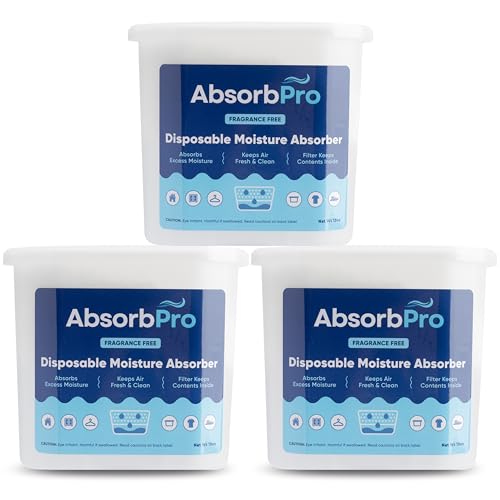
Calcium chloride is one of the most powerful moisture-absorbing materials available for consumer use. Moisture absorber bags (often sold as "damp rid" or "moisture absorbers") use calcium chloride crystals that attract water vapor and turn into a liquid brine. They are excellent for closets, basements, and RVs, and typically last for weeks or months depending on humidity levels.
Best for: Closets, wardrobes, basements, boats, RVs, storage containers.
Silica Gel
Silica gel is the material found in those little packets inside new shoes, electronics, and packaged food. It is a highly porous form of silicon dioxide that can absorb up to 40 percent of its weight in water vapor. While small packets are not sufficient for a whole room, larger silica gel containers or bulk silica gel can be used in drawers, safes, and small enclosed spaces.
Silica gel can be regenerated by heating it in an oven at a low temperature, making it a reusable option.
Activated Charcoal
Activated charcoal is highly porous and absorbs both moisture and odors. Placing bowls of activated charcoal around a room can help reduce humidity and eliminate musty smells. It is particularly useful in basements and rooms with poor ventilation.
Rock Salt
Rock salt (sodium chloride) is a natural desiccant. Placing a bowl of rock salt in a damp corner or closet can absorb moisture from the air. As the salt absorbs water, it will clump and eventually dissolve. Replace it when it becomes saturated.
Baking Soda
Baking soda is a mild moisture absorber and a natural deodorizer. While it is not powerful enough to solve a serious humidity problem, it can help in small spaces like drawers, closets, and cupboards. Replace it every few weeks.
Cat Litter
Clay-based cat litter is highly absorbent and can be used as an improvised moisture absorber in basements and garages. Place it in an open container or a breathable bag and replace it when it becomes damp.
Newspaper and Cardboard
In a pinch, crumpled newspaper or cardboard can absorb some moisture in a small enclosed space. This is a temporary solution and should not be relied upon for serious humidity control.
3. Comparison of Moisture Absorbers
| Moisture Absorber | Best For | Effectiveness | Maintenance |
|---|---|---|---|
| Portable Dehumidifier | Large rooms, basements | High | Empty water tank regularly |
| Whole-House Dehumidifier | Whole home, severe humidity | Very High | Professional installation and service |
| Desiccant Dehumidifier | Cool spaces, garages | High | Empty tank, occasional service |
| Calcium Chloride Bags | Closets, small enclosed spaces | Moderate to High | Replace when saturated |
| Silica Gel | Drawers, safes, small spaces | Moderate | Regenerate by heating |
| Activated Charcoal | Basements, odorous rooms | Moderate | Replace every few weeks |
| Rock Salt | Corners, closets | Low to Moderate | Replace when clumped |
| Baking Soda | Small spaces, drawers | Low | Replace every few weeks |
4. Natural Solutions for Absorbing Moisture
If you prefer a natural, chemical-free approach, several household items and plants can help absorb moisture and improve indoor air quality.
Moisture-Absorbing Plants
Certain houseplants naturally absorb moisture through their leaves and roots, making them a pleasant supplementary solution for mild humidity. Good options include:
- Peace Lily: Absorbs moisture and improves air quality.
- Boston Fern: Thrives in humid environments and draws moisture from the air.
- English Ivy: A strong moisture absorber and air purifier.
- Spider Plant: Easy to grow and effective at absorbing excess humidity.
- Aloe Vera: Absorbs moisture and is useful for minor burns.
Keep in mind that plants alone cannot solve a serious humidity problem, and overwatering them can make the issue worse.
Ventilation and Air Circulation
Sometimes the simplest solution is the best. Opening windows and doors to allow cross-ventilation can dramatically reduce indoor humidity, especially after cooking, showering, or doing laundry. Using exhaust fans in bathrooms and kitchens, and running ceiling fans to circulate air, can also help.
Damp Rid and DIY Moisture Absorbers
You can create a simple DIY moisture absorber by filling a container with rock salt or baking soda and placing it in a damp corner. Cover the container with a breathable cloth to prevent spills and replace the contents when they become saturated.
Pro Tip: For the best results, combine passive absorbers (like calcium chloride bags) in small enclosed spaces with active solutions (like a dehumidifier or AC) in larger living areas. This two-pronged approach addresses both localized and whole-room humidity.
5. How to Choose the Right Moisture Absorber for Your Room
The right solution depends on several factors, including the size of the room, the severity of the humidity problem, and whether the space is enclosed or open.
For Small Enclosed Spaces (Closets, Wardrobes, Drawers)
Use calcium chloride moisture bags, silica gel, or activated charcoal. These are passive solutions that require no electricity and are highly effective in small, sealed spaces. Replace them regularly.
For Bedrooms and Living Rooms
A portable dehumidifier is the most effective solution for bedrooms and living areas. If you also want cooling, a central air conditioner or a mini-split system can handle both temperature and humidity control. To understand how AC systems dehumidify, read our guide on what is an air handler unit.
For Basements and Garages
Basements and garages are often the dampest areas of a home. A high-capacity portable dehumidifier, a desiccant dehumidifier, or a whole-house dehumidifier is recommended. For basements specifically, check our guide on what should your basement humidity be to set the right target.
For Bathrooms and Kitchens
These rooms generate a lot of moisture from showers, cooking, and washing. Use exhaust fans and open windows when possible. A small desiccant dehumidifier or moisture absorber can help between ventilation cycles.
For Whole-Home Humidity Control
If your entire home feels humid, a whole-house dehumidifier integrated with your HVAC system is the most effective solution. You can also consider a whole-house air purifier that includes humidity control features. Before investing, establish your target humidity level by reading our guide on what is the ideal humidity for your home.
Warning: If you notice persistent condensation, mold growth, or a musty smell despite using moisture absorbers, you may have a more serious issue such as a leak, poor drainage, or inadequate ventilation. In that case, it is best to consult a professional. See our guide on who to call for high humidity in house for next steps.
6. Signs Your Room Has Too Much Moisture
Before you invest in a moisture absorber, confirm that you actually have a humidity problem. Common signs include:
- Condensation on windows, mirrors, and cold surfaces
- A persistent musty or damp smell
- Peeling paint or wallpaper
- Warped or swollen wood furniture and floors
- Visible mold or mildew on walls, ceilings, or grout
- A clammy or sticky feeling in the air
- Frequent allergies or respiratory irritation
You can measure indoor humidity with a hygrometer. If levels consistently exceed 60 percent, you have a moisture problem that needs addressing. For context, read our guide on what is the normal humidity for a room and what should be the humidity in a room.
7. Maintenance Tips for Moisture Control
Once you have chosen a moisture absorber, proper maintenance is essential to keep it working effectively.
- Empty dehumidifier tanks regularly: A full tank stops the unit from collecting more water.
- Clean or replace filters: Dehumidifiers and AC units have filters that need regular cleaning. See our guide on when to replace AC filter.
- Replace passive absorbers: Calcium chloride bags and baking soda should be replaced when saturated.
- Regenerate silica gel: Heat silica gel in an oven at a low temperature to dry it out for reuse.
- Check for leaks: Fix plumbing leaks, roof leaks, and poor drainage that can introduce moisture.
- Seal windows and doors: Prevent humid outdoor air from entering your home.
8. When to Call a Professional
While many moisture problems can be solved with DIY solutions, some situations require professional help. Call an HVAC technician or moisture control specialist if:
- Humidity levels remain high despite using a dehumidifier
- You suspect a hidden leak or water damage
- Mold growth covers an area larger than 10 square feet
- Your HVAC system is not effectively dehumidifying
- You need a whole-house dehumidifier installed
For more guidance, read our article on when to call an HVAC technician.
Key Takeaways
- Active solutions like dehumidifiers and AC units are the most effective for larger rooms and persistent humidity.
- Passive solutions like calcium chloride bags, silica gel, and activated charcoal work well in small enclosed spaces.
- Natural options like rock salt, baking soda, and moisture-absorbing plants are useful for mild humidity.
- Ventilation is a free and effective way to reduce moisture when outdoor air is dry.
- Target indoor humidity is typically between 30 and 50 percent. Read our guide on what is a good humidity level for house for details.
- Professional help is recommended for severe or persistent moisture problems.
Frequently Asked Questions
What is the fastest way to absorb moisture in a room?
A portable dehumidifier is the fastest and most effective way to remove moisture from a room. It actively draws in humid air, condenses the water vapor, and releases dry air back into the space. For smaller spaces, electric desiccant absorbers or high-capacity moisture bags can work within a few hours.
Do moisture absorber bags really work?
Yes, moisture absorber bags work well for small enclosed spaces such as closets, wardrobes, cabinets, and basements. They typically contain calcium chloride or silica gel, which chemically attract and trap water vapor. Their effectiveness is limited to small areas and they need regular replacement once saturated.
What natural materials absorb moisture in a room?
Several natural materials absorb moisture, including activated charcoal, rock salt, baking soda, silica gel packets, and even houseplants like peace lilies and Boston ferns. These work best as supplementary solutions in small spaces and should be combined with proper ventilation or a dehumidifier for significant moisture control.
How do I know if my room has too much moisture?
Signs of excess moisture include condensation on windows, a musty or damp smell, peeling paint, warped wood, mold growth on walls or ceilings, and a clammy feeling in the air. A hygrometer can measure indoor humidity; levels above 60 percent indicate a moisture problem that needs addressing. For reference, see our guide on what is considered low humidity in a house.
Related Guides
- What to Do About High Humidity in House
- What to Do About Humidity in the House
- What to Do If My Room Is Too Humid
- What to Use for Dry Air in Bedroom
- Whole House Dehumidifier
- What Is the Humidity in Your House Supposed to Be
- What Is a Healthy Humidity Level for Your Home
- What Should the Humidity Level in My House Be