Window Air Conditioner Sliding Window Kit: The Complete Guide
Learn how a dedicated sliding window kit seals your side-opening window, keeps the cool air in, and lets your window AC unit run efficiently — before you buy.
Why this guide matters: If you have a sliding window and a standard window air conditioner, the included hardware often leaves large gaps. A window air conditioner sliding window kit closes those gaps, improves efficiency, and protects your home from drafts, rain, and pests. This guide explains what these kits do, how to choose one, and how to install it correctly.
What Is a Sliding Window Kit for a Window AC?
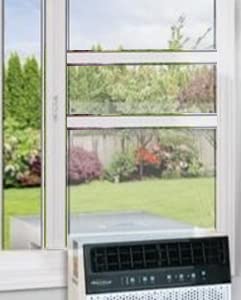
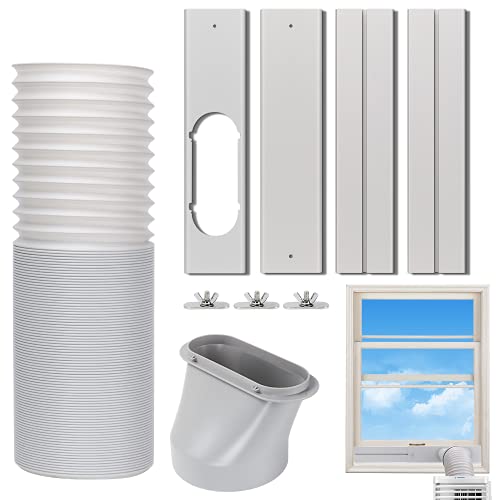
A window air conditioner sliding window kit is an aftermarket or OEM accessory that lets you mount a standard window AC unit in a window that slides horizontally (side to side) rather than vertically (up and down). Standard window AC units are designed for double-hung windows. When you install one in a sliding window, the supplied accordion panels usually cannot fill the opening correctly. A sliding window kit solves this by providing:
- A rigid or semi-rigid filler panel sized for horizontal window tracks.
- Weather sealing strips to close air gaps above and below the unit.
- Support brackets or rails to keep the AC level and secure.
- Optional insulation panels to reduce heat transfer through the frame.
These kits are sometimes called a window air conditioner installation kit for sliding windows, and they are essential for a safe, efficient installation in side-opening windows.
Why You Need a Dedicated Kit
Installing a window AC in a sliding window without the right kit creates several problems. The most common issues include:
- Air leaks: Gaps around the unit let cooled air escape and hot outdoor air enter, forcing the compressor to work harder.
- Water intrusion: Rain can enter through unsealed openings and damage the window frame or interior.
- Security risks: An improperly secured unit can be pushed open or fall out of the window.
- Vibration and noise: A unit that is not level vibrates more and may develop rattles.
- Pest entry: Open gaps invite insects and small animals into your home.
A properly fitted sliding window kit addresses all of these issues. If your window opens sideways, also review our guide on a window air conditioner for a side opening window before selecting a kit.
Seals the Gap
Filler panels and foam strips close the space between the AC unit and the window frame, preventing cooled air from escaping.
Improves Efficiency
A tight seal reduces the workload on the compressor, helping the unit cool the room faster and run more efficiently over time.
Adds Stability
Support brackets and rails keep the AC level and secure, reducing vibration, noise, and the risk of the unit shifting.
Protects the Window
Insulated panels reduce condensation and heat transfer, helping preserve the window frame and interior surfaces.
Types of Sliding Window Kits
Sliding window kits come in several designs. The right choice depends on your window size, AC model, and how permanent you want the installation to be.
| Kit Type | Best For | Key Features | Installation Effort |
|---|---|---|---|
| Universal filler panel kit | Most standard sliding windows | Adjustable panel, foam seals, basic brackets | Entry-level DIY |
| OEM manufacturer kit | Matching brand and model AC units | Exact fit, color-matched panels, full hardware | Mid-tier DIY |
| Insulated premium kit | Energy-conscious households | Rigid insulated panels, heavy-duty seals, reinforced brackets | Mid-range DIY |
| Professional-grade kit | Large windows and permanent installs | Custom-cut panels, metal rails, commercial-grade seals | Best installed by a technician |
If your window is very narrow, you may need a compact kit designed for a window air conditioner for small window opening. For very wide sliding windows, consider a kit with extension panels rather than forcing a standard panel to fit.
How to Choose the Right Kit
Choosing the right sliding window kit is mostly about measuring accurately and matching the kit to your AC unit. Follow these steps:
Pre-Purchase Checklist
- Measure the width and height of the window opening, not just the glass.
- Measure the width and height of your AC unit's chassis.
- Check the AC manual for the minimum and maximum window opening sizes.
- Confirm the kit is rated for horizontal sliding windows, not double-hung only.
- Check whether the kit includes support brackets, or if you need a separate window AC bracket support.
- Look for weather-resistant materials if the window faces direct sun or rain.
- Verify the kit is compatible with your AC brand and model when possible.
A well-designed kit should include clear instructions and all mounting hardware. If you are unsure about the fit, a mid-range universal kit with adjustable panels is usually the safest choice. For a deeper look at the installation process, see our guide on a window AC installation kit.
Step-by-Step Installation Overview
Installation steps vary by kit, but most sliding window kits follow a similar process. This overview helps you plan the job before you start.
- Prepare the window: Clean the window track and frame. Remove any old weather stripping or debris that could prevent a tight seal.
- Dry-fit the AC unit: Place the AC in the window opening to confirm it sits level and the window can close against it. Do not plug it in yet.
- Install the support bracket: Attach the bracket or rail according to the kit instructions. The bracket should support the outdoor side of the unit and keep it level.
- Position the filler panel: Slide the panel into the window track and adjust it to fill the gap beside the AC unit. Trim only if the kit instructions allow it.
- Seal the edges: Apply foam or weather stripping to the top, bottom, and sides of the panel and the AC unit. Pay special attention to the corners.
- Secure the window: Close the sliding sash against the kit and lock it. Use a window lock or additional security bar if the kit does not include one.
- Check for gaps: From inside and outside, inspect the installation for daylight or drafts. Seal any remaining gaps before use.
- Test the unit: Plug in the AC and run it for several minutes. Listen for unusual vibration and check that the unit drains properly.
If your window slides sideways and you are still deciding on the AC unit itself, our guide on a window air conditioner for sideways windows can help you match the unit to the kit. For vertical openings, see the guide on a window air conditioner for vertical sliding window instead.
Maintenance and Troubleshooting
Once installed, a sliding window kit needs only light maintenance. Check the seals at the start of each cooling season and replace any foam that has compressed or cracked. Clean the window track so the sash closes smoothly against the kit.
If you notice water inside the house, review the guide on a window air conditioner leaking water inside house. If the unit runs but does not cool, see the guide on a window air conditioner not blowing cold air. For general cooling issues, the article on a window air conditioner not cooling properly covers the most common causes.
If the unit vibrates or rattles after installation, recheck the bracket and the level of the unit. A kit that is not seated correctly in the track can cause noise even when the AC itself is working normally.
Frequently Asked Questions
Can I use a standard window AC in a sliding window?
Yes, but you need a sliding window kit. Standard AC units ship with hardware for double-hung windows. A kit fills the horizontal gap and seals the opening so the unit works efficiently.
Is a sliding window kit required for every side-opening window?
In most cases, yes. Some AC units include limited sliding window hardware, but it is often insufficient for larger openings. A dedicated kit provides a better seal and more stable support.
How do I know which kit fits my AC?
Measure your window opening and the AC chassis, then compare those measurements with the kit's stated range. OEM kits are the most reliable fit when available.
Can I install a sliding window kit myself?
Most universal and OEM kits are designed for DIY installation. Premium and professional-grade kits may require custom cutting or additional support work, so consider a technician if you are unsure.
Will a kit make my window AC more efficient?
A tight seal reduces air leaks and helps the unit cool the room with less effort. The improvement depends on how well the kit is installed and how large the original gaps were.
Final Buying Checklist
Before you finalize your purchase, confirm the following:
- The kit is explicitly rated for horizontal sliding windows.
- The panel range covers your window opening width.
- Support brackets are included or available separately.
- Seals and weather stripping are included in the kit.
- The kit matches your AC unit's brand or has a universal adjustable design.
- The installation instructions are clear and available in English.
If you are comparing AC units before choosing a kit, our overview of a window air conditioner and the guide on a window air conditioner for a sliding window can help you align the unit and the kit.