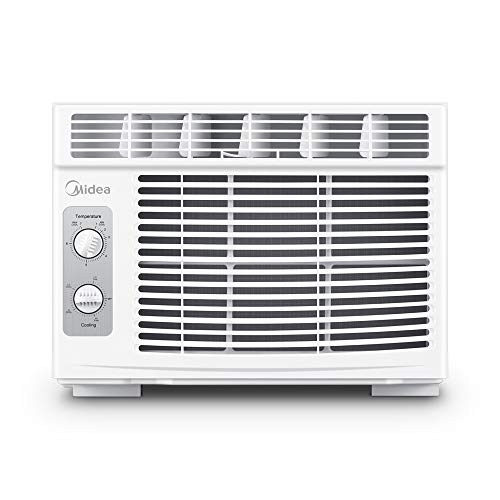
Window Air Conditioner for a Sliding Window: The Complete Guide
Everything you need to know before you buy and install a window AC unit for a horizontal sliding window — including sizing, bracket options, sealing kits, and safe installation steps.
Start ReadingWhy sliding windows need special attention: Most window air conditioners are designed for double-hung windows that open vertically. A sliding window opens side to side, which changes how the unit sits, how the opening is sealed, and how the unit is supported. Choosing the right model and the right installation accessories is the difference between a secure, efficient installation and a drafty, unsafe one.
Understanding the Sliding Window Challenge
A sliding window (also called a horizontal slider) consists of one fixed pane and one movable pane that slides left or right along a track. When you place an air conditioner in the opening, the unit occupies the movable side, and the remaining gap must be closed with a panel. This is different from a double-hung window, where the unit sits in the lower sash and the upper sash closes down onto it.
The core issues that make sliding windows unique are:
- Width, not height, is the limiting dimension. The unit's side panels must expand horizontally, so the window's width determines whether a standard unit fits at all.
- The sliding sash cannot lock down onto the unit. You need a separate security bracket or locking mechanism to prevent the window from being opened from outside.
- Support is asymmetrical. The unit rests on the window sill and the track, but the weight distribution differs from a vertical window, so a proper bracket is strongly recommended.
- Sealing panels must be sized for horizontal gaps. Many units ship with accordion-style side panels that work for horizontal openings, but some kits are designed only for vertical windows.
If your window opens sideways and you are still exploring the broader category, the general overview of window air conditioners is a useful starting point before narrowing down to the sliding-window variants.
Types of Window AC Units That Fit Sliding Windows
Not every window air conditioner is suitable for a horizontal sliding window. The following categories are the most common and reliable options.
1. Standard Window AC with Horizontal Side Panels
Many mid-range and premium window units ship with accordion side panels that extend horizontally. When installed in a sliding window, the unit sits in the opening and the panels expand to fill the horizontal gaps on either side. This is the most straightforward option, but you must confirm the unit's minimum and maximum window width in the specifications — not just the BTU rating. Units designed for narrow windows are covered in more detail in the guide to window air conditioners for small window openings.
2. Sliding-Window-Specific Models
A smaller number of manufacturers market units explicitly for horizontal sliding windows. These typically include a dedicated sealing panel, a modified frame, and sometimes a support bracket in the box. If you want a unit that is engineered for this application rather than adapted to it, look for models marketed for side-sliding installations. The comparison of window air conditioners for side sliding windows covers several of these models in detail.
3. Through-the-Wall or Portable Alternatives
If your sliding window is unusually narrow, unusually wide, or you simply do not want to block the opening, a portable unit with a window vent kit or a through-the-wall installation may be more practical. These are not window units in the traditional sense, but they solve the same cooling problem. For narrow openings, the dedicated guide to window air conditioners for narrow windows explains the trade-offs.
Quick Fit Checklist
- Measure the width of the window opening (the dimension the unit's side panels expand into).
- Measure the height of the opening — the unit's cabinet height must clear it.
- Check the unit's minimum and maximum window width in the specifications.
- Confirm the unit includes horizontal side panels or a sliding-window kit.
- Plan for a support bracket if the unit weighs more than a lightweight entry-level model.
Sizing a Window AC for a Sliding Window
Sizing works the same way regardless of window orientation: match the cooling capacity in BTU to the square footage of the room, then adjust for sun exposure, ceiling height, and occupancy. The dimension that changes with a sliding window is the physical fit, not the cooling capacity.
As a starting point, a room up to roughly 150 square feet typically needs a 5,000–6,000 BTU unit, a room up to 250 square feet generally suits an 8,000–10,000 BTU unit, and a room up to 400 square feet usually calls for 12,000–14,000 BTU. For a full breakdown by room size, see the BTU calculator by room size.
| Room Size | Typical Cooling Capacity | Window Width Consideration |
|---|---|---|
| Up to 150 sq ft | 5,000–6,000 BTU (entry-level tier) | Often fits narrow sliding openings; verify minimum width |
| 150–250 sq ft | 8,000–10,000 BTU (mid-range tier) | Standard sliding window widths usually accommodate these units |
| 250–400 sq ft | 12,000–14,000 BTU (upper mid-tier) | Wider cabinet; check that the opening clears the unit height |
| 400+ sq ft | 15,000+ BTU or a different system | A single window unit may not be the best fit; consider alternatives |
If the room is heavily sunlit or the window faces west, size up slightly within the same tier. If the unit will run mainly at night in a shaded room, the lower end of the tier is usually sufficient.
What to Look For When Buying
Beyond BTU and physical fit, several features matter more for a sliding-window installation than for a vertical one.
Sealing and Insulation
The gap around a sliding-window unit is larger and differently shaped than on a double-hung window. Look for units that include foam insulation strips and a rigid sealing panel, not just thin accordion plastic. A dedicated window air conditioner sliding window kit can fill gaps that the included accessories do not cover, and a general window AC installation kit is useful if the original parts are lost or damaged.
Support Brackets
A window AC cantilevers out of the opening, and the window frame on a sliding window may not bear that load the same way a double-hung frame does. A bracket transfers the weight to the exterior wall and reduces stress on the window track. Options range from simple L-brackets to no-drill designs; the comparison of window air conditioner supports and the guide to the no-drill window air conditioner bracket explain the trade-offs. The broader window AC bracket support overview is a good starting point for beginners.
Security
Because the sliding sash does not lock onto the unit, add a window lock or a sash security bar. This is a commonly overlooked step, and it matters especially on ground-floor windows.
Efficiency and Controls
Higher SEER and EER ratings translate into lower energy use over the life of the unit. If you want remote operation, a window air conditioner with remote control or a model with a built-in window air conditioner with thermostat makes scheduling and temperature control easier. Inverter-driven window units are also increasingly available; the guide to window air conditioners with inverter technology explains how they modulate compressor speed for steadier cooling.
Step-by-Step Installation for a Sliding Window
The installation process for a sliding window is similar to a standard window unit but with a few important differences. Follow the manufacturer's instructions first; the steps below are a general guide.
- Measure the opening and the unit. Confirm the unit's minimum and maximum window width, and that the cabinet height clears the opening.
- Inspect the window track and sill. Clear debris, check for cracks, and confirm the frame is solid enough to carry the load.
- Install the support bracket first. Attach the bracket to the exterior wall or the window frame according to its instructions. For no-drill models, follow the tensioning steps carefully.
- Set the unit in the opening. With a helper, lift the unit onto the bracket and into the window track. The unit should sit level or with a slight downward tilt toward the outdoors for drainage.
- Extend the side panels. Pull the accordion panels out to meet the window frame on both sides, then secure them with the included screws.
- Seal the gaps. Add foam weatherstripping above and below the unit, and use a rigid panel if the gap is larger than the accordion panels can cover.
- Secure the sliding sash. Close the movable pane against the unit and install a lock or security bar so the window cannot be opened from outside.
- Test the unit. Run it for 15–20 minutes and check for cold air, unusual noise, and water drainage. If the unit runs but does not cool, the troubleshooting guide for a window air conditioner not blowing cold air covers the most common causes.
Common Problems and Fixes
Even a correctly installed sliding-window unit can develop issues. The following are the most frequent complaints and their usual causes.
- Water dripping inside the room. Usually caused by a unit that is tilted the wrong way or a clogged drain. The guide to a window air conditioner leaking water inside the house walks through the diagnosis.
- The unit runs but does not cool. Check the filter, the thermostat setting, and the outdoor coil before assuming a refrigerant problem. The article on a window air conditioner not cooling properly covers the step-by-step checks.
- Drafts around the unit. Almost always a sealing issue. Re-check the side panels, add weatherstripping, and consider a dedicated sliding-window kit.
- Vibration and noise. A unit that is not level or is not seated on its bracket will vibrate. Re-level the unit and tighten the bracket.
Sliding Window vs. Other Window Types
Understanding how a sliding window compares to other common window types helps you anticipate the accessories you will need.
| Window Type | Fit Considerations | Typical Extra Accessories |
|---|---|---|
| Sliding (horizontal) | Width-limited; sash does not lock onto unit | Horizontal side panels, sash lock, support bracket |
| Double-hung (vertical) | Height-limited; upper sash closes onto unit | Vertical side panels, sash lock |
| Casement (crank-out) | Not directly compatible with standard units | Specialized brackets or a different AC type |
| Awning (top-hinged) | Similar challenge to casement | Specialized mounting solutions |
If your window is not a sliding type, the guide to a window AC in a casement window covers the alternatives for crank-out and similar designs.
Keeping Your Sliding-Window AC Running Well
Regular maintenance preserves cooling performance and extends the life of the unit. The essentials are simple:
- Clean or replace the filter every two to four weeks during heavy use.
- Check the exterior coil at the start of each cooling season and remove debris.
- Inspect the seal around the unit before each season and replace cracked weatherstripping.
- Confirm the bracket is tight and the unit is still level after storms or seasonal temperature swings.
- Before the first hot week, run the unit for 15 minutes to confirm it cools and drains properly.
Frequently Asked Questions
Can any window air conditioner fit a sliding window?
No. The unit must be able to sit in the horizontal opening and its side panels must expand sideways. Always check the manufacturer's minimum and maximum window width and confirm the unit is suitable for horizontal sliding windows.
Do I need a special kit for a sliding window?
Often yes. Many units include accordion panels that can work horizontally, but a dedicated sliding-window kit provides a better seal and a more secure fit. Kits are especially useful when the window opening is wider than the included panels can cover.
Is a support bracket really necessary?
For most units above the lightest entry-level models, yes. A bracket transfers the unit's weight to the exterior wall, reduces stress on the window frame, and keeps the unit level. It is a small addition that meaningfully improves safety and stability.
How do I stop drafts around the unit?
Check that the side panels are fully extended and screwed in, add foam weatherstripping above and below the unit, and use a rigid sealing panel if the gap is larger than the accordion panels can cover. A sliding-window kit is the most reliable fix.
Can I install a window AC in a sliding glass door?
It is possible with specialized kits, but it is a different application with its own safety considerations. The guide to a window air conditioner for a sliding glass door covers the options and limitations.
What if my sliding window is very narrow?
Look for units with a narrow cabinet and confirm the minimum window width in the specifications. If no standard unit fits, a portable AC with a window vent kit or a through-the-wall installation may be the better path. The guide to window air conditioners for small windows covers the narrowest options.
Ready to Choose Your Sliding-Window AC?
You now have the sizing rules, the fit checklist, the installation steps, and the accessory list. The product recommendations below are selected for sliding-window compatibility and are grouped by tier so you can compare within a class.
View Recommended Units