
AC Room Guide: Choosing the Best Air Conditioner for Any Room
Learn how to match the right room air conditioner to your space, calculate BTU needs, compare unit types, and make a confident purchase decision for bedrooms, living rooms, offices, and small areas.
START WITH SIZINGWhy this guide exists: A room air conditioner is only as good as its fit. An undersized unit runs constantly without reaching the set temperature, while an oversized unit cools too quickly and leaves the room humid and uncomfortable. This guide walks you through sizing, unit types, efficiency, and practical room-specific considerations so you can choose with confidence.
What Is a Room Air Conditioner?
A room air conditioner is a self-contained cooling system designed to condition a single room or a defined open area. Unlike a central system that distributes cooled air through ductwork across an entire home, a room AC focuses on one space. This makes it a practical choice for apartments, bedrooms, home offices, additions, and any area where extending ductwork is impractical or unnecessary.
Room air conditioners come in several configurations, and the right pick depends on your window situation, wall structure, portability needs, and how permanently you want the unit installed. If you are furnishing a single room from scratch, start with a dedicated guide to cooling one room efficiently before comparing hardware. For apartments with limited installation options, the apartment AC guide covers rental-friendly choices in more detail.
Understanding the basics of how a unit moves heat is also useful: the refrigerant cycle explains why proper sizing and airflow matter more than raw cooling power.
Room AC Types Compared
Each room AC type has a distinct installation profile and set of trade-offs. The table below summarizes the main options so you can shortlist the format that matches your room and building constraints.
| Type | Best For | Installation | Portability | Typical Tier |
|---|---|---|---|---|
| Window AC | Standard double-hung windows; bedrooms and small living rooms | DIY-friendly in most cases | Fixed during use | Entry-level to mid-range |
| Portable AC | Renters, rooms without suitable windows, temporary setups | Minimal; vent kit through window or opening | High | Entry-level to mid-range |
| Mini-Split (Ductless) | Permanent single-room cooling with quiet operation | Professional installation | None (fixed) | Mid-range to premium |
| Through-the-Wall AC | Rooms where window space is unavailable | Sleeve installation; may need professional work | Fixed | Mid-range |
| Floor-Mounted AC | Rooms with limited wall or window space | Professional installation | None (fixed) | Mid-range to premium |
For sliding-glass-door rooms, a standard window unit will not fit, but specialized vertical configurations exist; see the sliding door AC options. If you want cooling that follows you between rooms, a portable unit is the natural fit, and the inverter portable AC overview explains how variable-speed compressors change the experience.
How to Size a Room Air Conditioner (BTU Guide)
Correct sizing is the single most important decision in the buying process. Capacity is measured in British Thermal Units (BTU) per hour. The widely used starting point is about 20 BTU per square foot of floor area for average conditions, then adjusted upward for factors that add heat load.
| Room Size (sq ft) | Suggested Capacity | Typical Room |
|---|---|---|
| Up to 150 | 5,000 – 6,000 BTU | Bedroom, small office, studio nook |
| 150 – 250 | 6,000 – 8,000 BTU | Standard bedroom, small living room |
| 250 – 350 | 8,000 – 10,000 BTU | Large bedroom, home office |
| 350 – 450 | 10,000 – 12,000 BTU | Living room, open-plan area |
| 450 – 550 | 12,000 – 14,000 BTU | Large living room, combined space |
| 550 – 700 | 14,000 – 18,000 BTU | Open living area, master suite |
Adjustments That Change the BTU Requirement
- Sun exposure: A south- or west-facing room with large untreated windows can need roughly 10–20% more capacity.
- Ceiling height: Rooms above the standard eight feet hold more air volume and need more cooling.
- Occupancy: Each additional regular occupant adds heat load.
- Heat-producing appliances: Kitchens and home offices with equipment benefit from additional capacity.
- Insulation quality: Poorly insulated rooms and older construction lose cool air faster.
- Openings: Doorways to adjacent spaces reduce the effective conditioned area.
For a deeper calculation method, review how to properly size an air conditioning system. When in doubt between two capacities, favor the slightly larger unit only if the room is at the top of its size band; otherwise, the smaller unit will cycle more comfortably.
Room-by-Room Selection Guide
Rooms differ in heat load, occupancy patterns, and noise sensitivity. The following breakdown helps you translate general sizing rules into specific room recommendations.
Bedrooms
Prioritize quiet operation and stable temperature. A bedroom AC guide covers noise levels, sleep-friendly features, and sizing for typical room dimensions.
Living Rooms
Larger volumes and higher occupancy call for more capacity. See the living room AC guide for open-plan considerations.
Home Offices
Electronics add heat, and long daytime sessions favor efficiency. The home office AC guide covers steady-load cooling.
Small Areas
Dens, nurseries, and converted closets need compact units. The small area AC guide focuses on space-saving formats.
Basements
Below-grade rooms are cooler but often humid; dehumidification matters as much as cooling. See basement cooling options.
Attics & Garages
Extreme heat loads require robust capacity. Review attic AC guidance and garage cooling options before choosing.
Efficiency: What Actually Matters for a Room AC
Efficiency ratings tell you how much cooling a unit delivers per unit of electricity. For room air conditioners, the relevant metrics are SEER and, for newer equipment, SEER2. A higher rating generally indicates lower operating energy use over the season, which matters most for units that run many hours per day.
Two practical points often get overlooked:
- Inverter vs. fixed-speed: Inverter compressors modulate speed to hold a steady temperature, which is particularly effective in bedrooms and offices used for long stretches. Fixed-speed units cycle on and off and are simpler but less stable in temperature.
- Use pattern beats headline rating: A high-efficiency unit used for two hours a week saves little; a mid-range unit used daily for eight hours benefits much more from efficiency gains.
If you are comparing the two compressor designs directly, the practical differences are summarized in the room AC buying overview. For broader efficiency context, the AC shopping guide explains ratings, certifications, and what they mean for real-world consumption.
Efficiency Tier Overview
Essential Tier
Standard fixed-speed units with basic controls. Solid choice for occasional use in small rooms where simplicity is valued.
Balanced Tier
Mid-range models with better efficiency ratings, quieter operation, and useful features such as timers and remote controls.
High-End Tier
Inverter-driven units with precise temperature control, low noise, and advanced filtration. Well-suited to daily use in bedrooms and offices.
Premium Tier
Top-tier mini-splits and premium window units with the best efficiency and comfort features for permanent single-room installations.
Pre-Purchase Checklist
- Measure the room's length, width, and ceiling height, then confirm the square footage.
- Note window type and dimensions, or confirm there is a suitable wall location for a sleeve or mini-split.
- Identify direct sun exposure and whether blinds or exterior shading are present.
- Count regular occupants and any heat-producing appliances in the room.
- Confirm the electrical circuit available: many room units run on 115V, while larger capacities need 230V.
- Check local rules on window-unit installation and any landlord restrictions.
- Decide between temporary (portable or window) and permanent (mini-split or through-the-wall) installation.
- Verify noise expectations, especially for bedrooms and home offices.
- Review warranty terms and whether professional installation is required to keep coverage valid.
- Plan for filter cleaning and seasonal maintenance from day one.
If installation questions arise, the AC installation guide covers placement, line sets, and what to expect from a professional crew. For ongoing upkeep, the AC maintenance guide outlines the seasonal tasks that preserve performance.
Common Room AC Problems and Quick Diagnostics
Most room AC complaints fall into a few recognizable categories. Early diagnosis prevents small issues from becoming service calls.
- Not cooling: Check the filter, thermostat setting, and outdoor airflow first. If the unit runs but the air is warm, review troubleshooting for AC not cooling.
- Blowing but not cold: Often airflow or refrigerant related. See diagnosing air that is not cold.
- Water leakage: Usually a blocked drain or tilted installation. The water leak solutions guide covers the common causes.
- Noise: Loose panels, fan obstructions, or worn mounts. Review noise troubleshooting steps.
- Odor: Microbial growth on the evaporator or in the drain pan. See AC odor solutions.
- Frozen coils: Restricted airflow or low refrigerant. The frozen coil guide explains safe next steps.
For a structured approach to any symptom, the AC troubleshooting hub organizes issues by cause. If a repair requires refrigerant handling or electrical work, the AC technician overview explains when to call a professional rather than proceed yourself.
Placement and Setup for Better Room Cooling
Where a unit sits determines how evenly the room cools. A few guidelines apply across types:
- Position the unit so airflow reaches the occupied area rather than a wall or curtain.
- Avoid placing the thermostat or remote sensor in direct sun or near heat sources.
- Keep the outdoor section or exhaust path clear of obstructions for window and portable units.
- For permanent units, confirm indoor and outdoor placement with the placement guide.
- Seal gaps around window installations to prevent cool-air loss and insect entry.
- Use ceiling fans to circulate air and allow a slightly higher thermostat setting for the same comfort.
Thermostat choice matters too: a smart thermostat can schedule cooling around occupancy, while a humidity-aware thermostat helps in damp rooms such as basements. If your unit runs but the room still feels warm, check the air register and airflow path for blockages.
Room-Specific Nuances That Affect the Choice
Beyond square footage, the room's role shapes the decision:
- Sleep quality: Bedrooms favor low decibel ratings and stable temperature; see the bedroom guide for specifics.
- Daytime occupancy: Home offices benefit from efficient long-run performance and timer functions.
- Humidity: Basements and coastal rooms need dehumidification capability, not just cooling; the basement guide covers this.
- Rentals: Lease terms often restrict permanent modifications, making portable units the practical path; see renter-friendly cooling.
- Open layouts: A single room unit struggles with open-plan spaces; consider zoning or a larger mini-split, discussed in the large house cooling guide.
For rooms in multi-level homes, temperature stratification affects performance; the multi-story cooling guide explains how to compensate.
Keeping a Room AC Efficient Over Time
Regular maintenance protects both comfort and equipment lifespan. The essentials:
- Clean or replace the filter every two to four weeks during heavy use.
- Inspect and clean the evaporator and condenser coils at the start of each cooling season; the evaporator overview explains what to look for.
- Check the drain path for clogs before summer begins.
- Verify the outdoor unit or exhaust remains unobstructed.
- Schedule professional inspection if performance declines despite clean filters; see AC inspection guidance.
A structured seasonal routine is outlined in the maintenance guide, and for households that prefer scheduled service, the maintenance plan overview explains what such plans typically include.
Recommended Room Air Conditioners
⚠️ AFFILIATE DISCLOSURE: This website contains affiliate links. As an Amazon Associate, we earn from qualifying purchases. If you make a purchase through these links, we may receive a small commission at no additional cost to you. Read our full affiliate policy.

Levoit Tower Fan for Bedroom, 28ft/s Fans that Blow Cold Air, 28dB Quiet | Standing Floor Fan for Room, 90° Oscillating, 5 Speeds 4 Modes & Temp Sensor, Bladeless, 12H Timer, Remote, 36 inch, White
Check price on Amazon
BLACK+DECKER Portable Air Conditioner, 10,000 BTU, BPACT10WT, White | 5,500 BTU SACC for Rooms up to 450 Sq. Ft., 3-in-1 Portable AC, Fan and Dehum with Follow Me Remote Control
Check price on Amazon
DREO Tower Fan for Bedroom, 28ft/s Velocity, Ultra Quiet Fan, 8 Speeds | 2026 Upgraded DC Motor, 90° Oscillating, 4 Modes Standing Fan, Bladeless Fan for Indoors, Floor Fans with Remote, Black
Check price on Amazon
BLACK+DECKER Portable Air Conditioner, 9,000 BTU, BPACT08WT, White | 5,300 BTU SACC for Rooms up to 400 Sq. Ft., 3-in-1 Portable AC, Fan and Dehum with Follow Me Remote Control
Check price on Amazon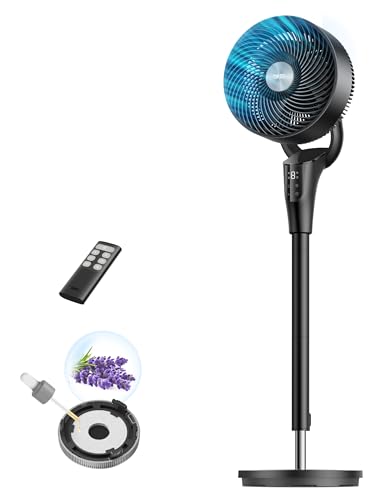
DREO Fan for Bedroom, Standing Oscillating Fan for Whole Room, Quiet Fan | 90ft Airflow, 90° Oscillating, 8+H Speeds, 3 Modes, 38-42'' Adjustable Height, 8H Timer, 105° Manual Vertical, DC Motor
Check price on Amazon
DREO Tower Fan for Bedroom, 26ft/s Velocity, 90° Oscillating, 8H Timer | 4 Speeds, 3 Modes, 28dB Quiet Standing Fan, Floor Fan for Room, Living Room, Office, Home, Cooling Fan with Remote, Black
Check price on Amazon
GE Window Air Conditioner 5,000 BTU AC Unit for Small Spaces up to 150 sq ft with Manual Controls & 2 Cooling Modes, Easy Install Kit, White
Check price on Amazon
XAMATTS 1700ml Portable Air Conditioner Fan with Remote Control | Evaporative cooling fan with 120° oscillation, 3 speeds, and 1-7H timer for bedroom, room, office, or desk use
Check price on AmazonFrequently Asked Questions
What size air conditioner do I need for a room?
Start with roughly 20 BTU per square foot for average conditions, then adjust for sun exposure, ceiling height, occupancy, and appliances. A 150-square-foot bedroom typically needs 5,000 to 6,000 BTU, while a 400-square-foot living room generally needs 10,000 to 12,000 BTU. Precise sizing prevents short-cycling and uneven cooling.
What is the difference between a room air conditioner and a central AC?
A room air conditioner cools one defined space and installs in a window, wall, or as a ductless or portable unit. A central AC conditions the entire home through ductwork and requires professional installation. Room units are the practical choice when ductwork is absent, costly to extend, or when only one area needs conditioning.
How many BTU do I need for a bedroom?
A typical bedroom of 100 to 150 square feet needs about 5,000 to 6,000 BTU. Bedrooms of 250 to 400 square feet generally need 8,000 to 10,000 BTU. Quiet operation and stable temperature control matter as much as capacity in a sleeping space, so inverter models are often preferred.
Does an inverter AC work better for a single room?
Inverter units vary compressor speed to hold a consistent temperature and avoid the on-off cycling of fixed-speed models. For rooms used for long periods, such as bedrooms and home offices, this usually translates to steadier comfort and lower energy use over the season. Fixed-speed units remain a reasonable choice for occasional use.
Can I install a room air conditioner myself?
Window and portable units are generally DIY-friendly with basic tools and careful sealing. Through-the-wall sleeves and mini-splits involve structural work, electrical connections, and refrigerant handling, and are best handled by a professional. Check local codes and landlord rules before modifying a wall or window.
Why does my room AC run constantly without cooling well?
Common causes include a clogged filter, obstructed airflow, an undersized unit for the room's heat load, or low refrigerant. Begin with filter cleaning and airflow checks, then review cooling-performance troubleshooting. If the issue persists after basic checks, a technician should inspect refrigerant levels and electrical components.