Affordable Heating and Cooling: A Practical Guide to Year-Round Home Comfort
Heating and cooling make up the largest share of home energy use in the United States. This guide explains how to balance comfort with efficiency, room by room and season by season, so you can make well-informed equipment and lifestyle choices.
Explore the Decision FrameworkWho this guide is for: Homeowners, renters, and first-time buyers researching heating and cooling solutions. If you already know what you want to buy but need clarity on system types, efficiency ratings, and long-term trade-offs, this page is designed to answer those questions before you commit.
Why Heating and Cooling Choices Matter
Heating and cooling decisions shape three things at once: indoor comfort, energy use, and the long-term reliability of your home's climate system. A unit that is oversized short-cycles and dehumidifies poorly. A unit that is undersized runs constantly and struggles on the hottest or coldest days. Getting the balance right is the foundation of any sensible climate plan.
On this site, we approach heating and cooling as a system problem, not a single-product problem. The building envelope, ductwork, thermostat behavior, and equipment tier all interact. Before comparing models, it helps to understand how the pieces fit together. Readers who want a step-by-step orientation can start with the buying guide or the broader air conditioning and cooling overview.
If you are also considering replacement of older equipment, the air conditioner shopping guide walks through the evaluation sequence: load calculation first, equipment tier second, installation quality third.
System Types That Serve Both Heating and Cooling
Not every heating and cooling setup uses the same hardware. The main categories differ in installation requirements, efficiency behavior, and how well they fit different home layouts.
Central Ducted Systems
Central systems distribute conditioned air through ductwork and can pair a furnace with an air conditioner or use a single heat pump for both seasons. They suit homes with existing ducts and multi-room comfort needs. For a broader overview, see central heat and air conditioning systems. If your current system is aging, the AC replacement cost page explains the structural factors that influence project scope.
Ductless Mini-Split Systems
Mini-splits deliver heating and cooling directly to individual rooms without ducts. They are a strong fit for additions, older homes without ductwork, and zone-by-zone comfort. A split-type ductless system can be more efficient than extending ducts into unused spaces. Larger homes sometimes pair a central system with a 24,000 BTU mini-split for a problem zone.
Window and Portable Units
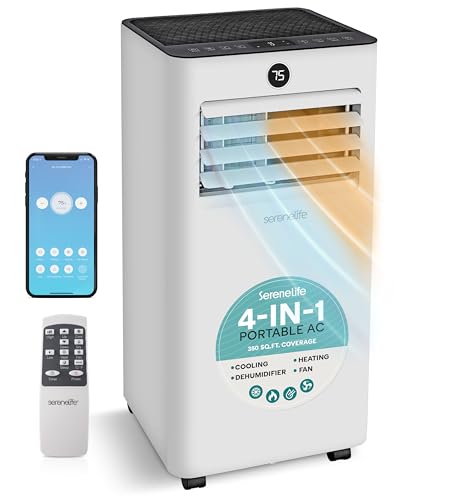
Single-room units remain a practical option for apartments and temporary setups. A window unit with heater combo provides both functions in one footprint. Before choosing a window unit, compare the trade-offs in ceiling fans vs window AC, which covers comfort and air movement strategy.
Heat Pumps as a Dual-Purpose Choice
A heat pump provides both heating and cooling from one system, which can simplify equipment decisions. For context on how heat pumps compare with separate systems, see air-to-air heat pump considerations and central electric heating and cooling units. Homes adding a system to an existing furnace can review adding air conditioning to an existing furnace.
Choosing by Equipment Tier, Not by Price Tag
Equipment is easier to compare when you frame it by tier and intended use rather than by a single number. The table below uses neutral tier descriptors so the guidance stays relevant over time.
| Tier | Typical Strength | Best For |
|---|---|---|
| Entry-level | Straightforward controls, basic single-stage operation | Single rooms, seasonal use, simple retrofits |
| Mid-range | Better efficiency ratings, quieter operation, improved humidity control | Primary living spaces, multi-room homes, long daily runtimes |
| Premium | Variable-speed compressors, smart controls, stronger low-temperature heating | Whole-home comfort, extreme climates, households prioritizing quiet and efficiency |
| Professional / commercial-grade | Heavy-duty components, serviceability, extended duty cycles | Workshops, server rooms, gyms, continuous operation |
A mid-range model often delivers a noticeably smoother experience than an entry-level unit because the compressor modulates instead of switching fully on and off. That difference matters more in rooms with long daily runtimes than in guest rooms used occasionally. The SEER ratings overview explains how efficiency tiers are measured and why the metric alone does not tell the whole story.
Matching Systems to Rooms and Lifestyles
Room-specific needs drive different equipment choices. A studio apartment, a large house, and a home gym all place different demands on the system.
- Small apartments often benefit from a compact mini-split or a well-sized window unit. See AC for small apartments for sizing and placement guidance.
- Whole-home comfort depends on duct design and load calculation. Sizing for a 1,200 square-foot house illustrates how square footage translates into capacity.
- Specialty spaces such as gyms or server rooms need continuous operation and different humidity targets. Review AC for gyms and AC for server rooms before choosing equipment.
- New construction allows the system to be designed alongside insulation and ductwork. AC for new construction explains the sequence.
Efficiency Practices That Work in Every Tier
Equipment tier sets the ceiling on efficiency, but daily habits determine how close you get to it. These practices apply regardless of which system you own.
Seal the Envelope First
Air leaks and weak insulation undercut any system. Address drafts and attic insulation before upgrading equipment.
Use a Programmable Thermostat
Scheduled setbacks reduce runtime during unoccupied hours without sacrificing comfort when you are home.
Maintain Filters and Coils
Clean filters and coils preserve airflow and efficiency. See air filters for AC vents for filter guidance.
Schedule Seasonal Service
A seasonal inspection catches small issues before they become compressor-level problems. Compare inspection scope options.
When Comfort Drops: Common Symptoms and Next Steps
Most heating and cooling complaints fall into a few recognizable patterns. Understanding the symptom helps you decide whether to troubleshoot or call a technician.
- The system runs but does not cool: review fan running but no cold air and unit on but not blowing cold air.
- Airflow exists but the house stays warm: see air blowing but not cooling the house.
- The system turns on and off rapidly: short cycling is often a sizing or sensor issue.
- No airflow at all: start with unit on but not blowing air.
- General repair questions: the AC repair company overview explains what to expect from a service visit.
For persistent issues, a qualified technician is the right call. The repair technician guide covers credentials to verify before booking.
Installation Quality Decides Long-Term Performance
Two homes with identical equipment can have very different comfort outcomes because installation quality varies. Duct sealing, refrigerant charge, and airflow calibration all influence performance. The installation cost breakdown explains what a thorough installation includes. For a broader project view, see AC unit replacement planning and home AC replacement considerations.
After installation, register the warranty promptly. The AC warranty registration guide covers the paperwork that protects your investment.
A Simple Decision Checklist
Use this sequence before finalizing any heating and cooling purchase:
- Measure the space and identify the rooms that need conditioning.
- Decide whether ducts exist, can be extended, or should be avoided.
- Choose a system type that matches the layout and climate.
- Select an equipment tier based on daily runtime and comfort expectations.
- Plan installation quality checks and warranty registration.
- Set a thermostat schedule and maintenance rhythm for the first year.
Readers comparing whole-home versus room-by-room approaches can review air conditioning and heating units and centralized systems for the home. For a broader efficiency perspective, see SEER ratings.
Frequently Asked Questions
Is a heat pump enough for both heating and cooling?
In many climates, yes. A heat pump provides both functions from one system, which simplifies equipment decisions. Cold-climate models are designed for lower outdoor temperatures, but performance varies by tier and installation quality.
Should I replace my furnace and AC at the same time?
If both units are near the end of their service life, replacing them together can reduce installation labor and ensure the components are matched. If one unit is relatively new, a staged replacement may make more sense.
How do I know if my system is the right size?
A proper load calculation accounts for square footage, insulation, windows, and climate. Rules of thumb are a starting point, not a final answer. Undersized and oversized systems both create comfort problems.
Do mini-splits work in every room?
Mini-splits work well in individual rooms and open-plan spaces. Placement matters: indoor heads should not blow directly onto seating areas, and outdoor units need clearance for airflow.
What maintenance matters most?
Filter replacement, coil cleaning, and seasonal inspection have the largest impact on efficiency and equipment life. A simple schedule beats occasional deep cleaning.
Bottom line: Balanced heating and cooling comes from matching system type to layout, choosing an equipment tier that fits daily use, and investing in installation quality. Start with the building envelope, then the equipment, then the habits. That sequence keeps comfort predictable and efficiency within reach across every season.