Wall Mounted Split Air Conditioning Units: The Complete Guide
Everything you need to know about ductless wall mounted split systems — how they work, how to size them, efficiency ratings, installation considerations, and maintenance — so you can choose with confidence.
Why this guide matters: Wall mounted split air conditioning units are among the most popular cooling solutions for single rooms and open-plan spaces because they deliver targeted comfort without ductwork. This guide walks you through the decision points that matter most — capacity, efficiency, features, and long-term reliability — so you can make an informed purchase.
What Is a Wall Mounted Split Air Conditioning Unit?
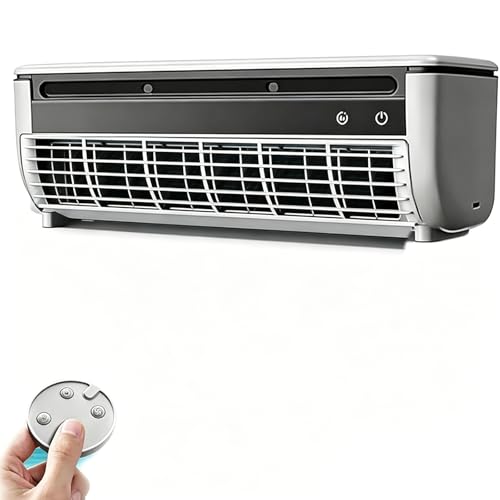
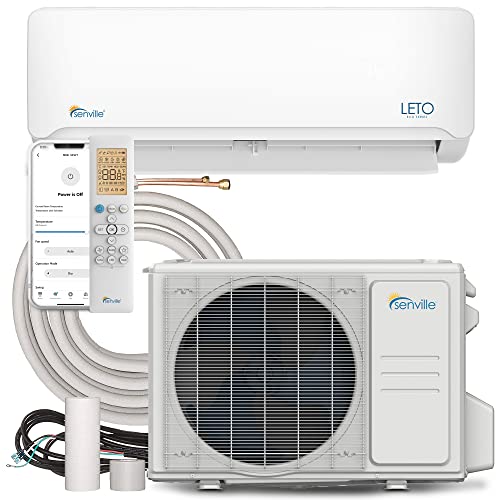
A wall mounted split air conditioning unit — often called a ductless mini-split — is a two-part cooling system. An indoor air-handling unit is mounted high on a wall, while an outdoor condenser unit sits outside the building. Refrigerant lines and a condensate drain connect the two through a small wall opening, and no ductwork is required. This design makes these split air conditioning systems ideal for rooms where running ducts is impractical, such as retrofits, additions, and individual rooms in homes that rely on window units.
Because the indoor unit mounts at ceiling height, it distributes conditioned air evenly across the room. Modern wall mounted models include inverter compressors, multi-speed fans, and programmable or smart controls. If you are comparing this format with other options, our overview of wall mounted air conditioning units covers the broader category.
How a Wall Mounted Split System Works
The indoor unit draws warm room air across an evaporator coil, absorbing heat and moisture. The cooled air is then blown back into the room through adjustable louvers. The absorbed heat travels through refrigerant lines to the outdoor condenser, which releases it to the outside air. A compressor drives the cycle, and the expansion valve regulates refrigerant flow.
Inverter-driven models vary compressor speed continuously rather than cycling on and off. This produces steadier room temperatures, quieter operation, and better energy performance in the long run. For a deeper look at the mechanics, see our explanation of air conditioning systems and the related air conditioning ventilation principles that affect indoor air quality.
Key Benefits of Wall Mounted Split Units
No Ductwork Required
Installation avoids duct runs, making these systems practical for older homes, additions, and rooms without existing HVAC infrastructure.
Room-by-Room Control
Each indoor unit can be controlled independently, so you cool only the spaces you use. Multi-zone configurations let one outdoor unit serve several rooms.
High Efficiency
Ductless delivery avoids the energy losses associated with leaky ducts. Many wall mounted split systems earn high SEER2 ratings and qualify for ENERGY STAR.
Quiet Operation
The compressor sits outdoors, so indoor sound levels are typically much lower than window units. Premium tiers are especially quiet at low fan speeds.
Improved Indoor Air
Multi-stage filtration captures dust and allergens. Some models add plasma or UV filtration, which pairs well with a dedicated home air filtration system.
Flexible Zoning
Wall mounted splits support zoning strategies that keep unused rooms at a relaxed setpoint, reducing overall energy demand.
Sizing a Wall Mounted Split Unit
Correct capacity is the single most important factor in comfort and efficiency. An undersized unit runs continuously and struggles on hot days; an oversized unit cools too quickly, cycles frequently, and leaves the room humid. Capacity is measured in BTU per hour. As a starting point, most homes need roughly 20 BTU per square foot of conditioned floor area, adjusted for ceiling height, sun exposure, occupancy, and window area.
Use these approximate ranges as a planning guide:
- Up to 150 sq ft: 5,000–6,000 BTU — see 5,000 BTU air conditioning units for small bedrooms and studios.
- 150–250 sq ft: 8,000–10,000 BTU — compare 8,000 BTU and 10,000 BTU options.
- 250–400 sq ft: 12,000–14,000 BTU — suitable for larger bedrooms and living areas.
- 400–700 sq ft: 18,000 BTU — appropriate for open living spaces; see 18,000 BTU units.
- Larger open-plan areas: multiple indoor heads or a higher-capacity system may be required.
For a full methodology, read our guide to sizing an air conditioner, and for whole-home planning, review air conditioning units for homes. Rooms without windows are a common use case; see cooling a room without a window.
Efficiency Ratings Explained
SEER2 is the current federal efficiency metric for cooling. Higher numbers indicate greater efficiency, and the minimum allowed rating varies by region. Inverter compressors, variable-speed fans, and smart thermostats all contribute to strong real-world performance. Look for ENERGY STAR certification when available, and confirm the unit's rating matches your climate zone.
HSPF2 applies to heat-pump versions of wall mounted splits. If you want year-round comfort from a single system, a heat-pump model can handle both cooling and heating. Review the air conditioning system overview and our notes on air conditioning unit service planning to understand long-term upkeep.
Comparing Product Tiers
Wall mounted split units span several market segments. Rather than focusing on numbers, use this tier framework to match features to your needs.
| Tier | Best For | Typical Characteristics |
|---|---|---|
| Entry-Level | Single rooms and seasonal use | Basic filtration, fixed or two-speed fan, straightforward controls, standard efficiency. |
| Mid-Range | Primary bedrooms and living spaces | Inverter compressor, quieter operation, improved filtration, Wi-Fi or programmable control on many models. |
| Premium | Whole-home comfort and multi-zone setups | Very low sound levels, advanced filtration, smart-home integration, high efficiency ratings, refined airflow control. |
| High-End Tier | Large spaces and demanding climates | Multi-zone outdoor units, top efficiency, premium materials, extended feature sets, and strong warranty coverage. |
Mid-range and premium tiers generally offer smoother inverter modulation and more precise temperature control than entry-level models. For small spaces, an entry-level unit can still deliver solid comfort — see air conditioning units for small spaces and units for small apartments.
Installation Considerations
- Choose indoor and outdoor locations. The indoor head needs clear airflow and a path for the drain line; the outdoor unit needs clearance and a level surface.
- Plan the line-set route. Minimize bends and keep the refrigerant run within manufacturer limits to protect performance.
- Confirm electrical capacity. Many systems require a dedicated circuit; check panel capacity before ordering.
- Coordinate with a licensed installer. Proper evacuation, leak testing, and charge adjustment protect efficiency and warranty coverage. Look for air conditioning specialists and technicians with verifiable credentials.
- Register the warranty promptly. Keep documentation of the install for future service.
If you are weighing a professional install against a larger project, our notes on installation planning and replacement service can help frame the scope. For homes where a wall-mounted unit is not ideal, consider bedroom-specific wall mounted options or a living room solution.
Maintenance That Protects Performance
Wall mounted splits reward simple, consistent care. Clean or replace the indoor filter every few weeks during heavy use. Keep the outdoor coil free of leaves and debris. Schedule a professional tune-up annually to check refrigerant charge, electrical connections, and drain flow. If you notice reduced cooling, review troubleshooting for air conditioning system not cooling or a unit not cooling properly before calling for service.
Watch for water around the indoor unit — see leaking water issues — and for warm airflow, which may indicate a refrigerant concern or refrigerant leak. Preventative maintenance through air conditioning service and maintenance helps avoid these problems and extends equipment life. For professional assistance, explore repair companies and repair specialists in your area.
Where Wall Mounted Splits Shine
These systems are especially effective in bedrooms, home offices, living rooms, and additions. They are also a strong fit for manufactured homes and apartments where ductwork is limited. See our notes on units for manufactured homes and single-room cooling for related guidance. In homes without window access, wall mounted splits solve a problem that window units cannot — see air conditioning units without a window.
Frequently Asked Questions
How long do wall mounted split units last?
With proper installation and annual maintenance, many systems remain productive for well over a decade. Coil cleanliness, refrigerant integrity, and electrical health are the main factors in longevity.
Can one outdoor unit serve multiple rooms?
Yes. Multi-zone outdoor units support several indoor heads, each with independent temperature control. This configuration is common in homes that want room-by-room comfort without ducts.
Do wall mounted splits heat as well as cool?
Heat-pump versions provide both cooling and heating. They are efficient in moderate climates and can serve as a primary heating source in many regions.
How often should filters be cleaned?
During heavy cooling season, clean or replace filters every two to four weeks. In lighter use, a monthly check is usually sufficient. Clean filters protect airflow and efficiency.
Are these systems noisy?
Indoor units are generally quiet, and premium tiers are especially refined at low fan speeds. The outdoor unit produces most of the sound, so placement matters for bedroom-adjacent installations.
Ready to Compare Wall Mounted Split Units?
Explore our curated selection of wall mounted split air conditioning units to find the right match for your room size, climate, and efficiency goals.
View Recommended Units