
Central Heating and Air Conditioning: The Complete Guide
Everything you need to know about choosing, sizing, installing, and maintaining a central heating and air conditioning system for year-round home comfort.
START LEARNINGResearch First, Buy With Confidence: A central heating and air conditioning system is one of the largest investments in your home. This guide walks you through how these systems work, how to size them correctly, what to expect during installation, and how to keep them running efficiently for years. Read through, understand your needs, then choose the right system for your home.
What Is Central Heating and Air Conditioning?
Central heating and air conditioning is a whole-home climate control system that uses a single centralized unit to heat and cool your entire house. Conditioned air is distributed through a network of supply and return ducts, ensuring consistent temperatures across every room rather than relying on individual window units or space heaters.
Unlike portable or window air conditioners that cool a single room, a central heating and air system works behind the scenes. The indoor air handler and the outdoor condenser unit work together to move air through ductwork, filtering it along the way. In heating mode, the same duct system distributes warm air from a furnace, heat pump, or electric heating element.
This integrated approach is why many homeowners prefer a central heating and cooling setup: one thermostat, one duct system, and one maintenance schedule handle both seasons. If you are comparing configurations, our overview of central heating and air conditioning units explains how the components fit together.
A typical system includes four core components:
- Outdoor condenser unit — releases or absorbs heat from outside air (depending on mode).
- Indoor air handler or furnace — circulates air and, in heating mode, warms it.
- Ductwork — distributes conditioned air throughout the home.
- Thermostat — controls temperature and scheduling.
Types of Central Heating and Air Conditioning Systems
There is more than one way to build a central system. The right choice depends on your climate, existing infrastructure, and long-term efficiency goals. Here are the most common configurations.
1. Split System with Furnace and AC
The most traditional setup: a gas or electric furnace handles heating while a separate air conditioner handles cooling. Both share the same blower and ductwork. This is a solid, proven configuration for cold climates where heating demand is high. Learn more about pairing components in our guide to central air with furnace systems.
2. Central Heat Pump System
A heat pump provides both heating and cooling by reversing the refrigerant cycle. It is highly efficient in moderate climates. If you are considering this route, our central heat pump overview covers efficiency ratings and cold-climate performance considerations.
3. Combination Heating and Air Conditioning Units
Packaged units combine the heating and cooling components in a single cabinet, often installed on the roof or beside the house. These are common in homes without basements or where indoor space is limited. Browse options in our combination heating and air conditioning units guide, or look at combination heating air conditioning units for apartment and condo configurations.
4. Ductless Mini-Split (for comparison)
Not technically central, but worth knowing: ductless systems avoid duct losses and are ideal for additions or homes without ductwork. Compare trade-offs in our broader central air units resource before deciding.
| System Type | Best For | Heating Performance | Installation Complexity |
|---|---|---|---|
| Split system (furnace + AC) | Cold climates, existing ductwork | Strong | Moderate |
| Central heat pump | Moderate climates, efficiency-focused | Good to strong | Moderate |
| Packaged unit | Homes without indoor mechanical space | Varies | Moderate to high |
| Ductless mini-split | No ductwork, room-specific zoning | Good | Lower |
How to Size a Central Heating and Air Conditioning System
Sizing is the single most important decision in a central HVAC project. An oversized system cycles on and off too quickly (short cycling), which hurts dehumidification and wears out components. An undersized system runs constantly and struggles to reach the set temperature on peak days.
Proper sizing uses a load calculation that accounts for square footage, ceiling height, insulation quality, window area, air infiltration, and local climate data. As a rough planning reference, these common home sizes map to typical system capacities:
- Central heat and air for 1,000 square feet — compact homes and small single-story layouts.
- Central air unit for 1,500 sq ft home — a very common mid-size range.
- Central heat and air units for 1,500 square foot home — heating and cooling paired sizing.
- Central air unit for 2,000 sq ft house — larger single-family homes.
What to Expect During Installation
Installing a central heating and air conditioning system is a multi-day project for most homes. Understanding the process helps you ask the right questions and avoid common pitfalls.
- Assessment and load calculation — a technician evaluates your home, existing ductwork, and electrical capacity.
- Equipment selection — choosing matched indoor and outdoor components with compatible efficiency ratings.
- Ductwork inspection or modification — sealing leaks and confirming proper sizing. Poor ductwork undermines even a high-end system.
- Electrical and refrigerant line work — verifying your panel can support the new equipment and running line sets.
- Commissioning and testing — charging refrigerant to spec, checking airflow, and verifying thermostat operation.
Before work begins, confirm your contractor holds proper licensing and insurance. Our guide on choosing a certified HVAC technician explains what credentials to verify. Also review common AC installation mistakes so you can spot red flags early.
For a detailed breakdown of what the project involves financially and logistically, see our central air unit installation cost resource and the broader central heating and air conditioning units prices overview.
Efficiency Ratings and Market Tiers
Central systems are rated by SEER (cooling efficiency) and HSPF or AFUE (heating efficiency), depending on the heating method. Higher ratings generally mean lower operating energy use, but the right choice depends on your climate and how long you plan to stay in the home.
To help you orient without relying on numbers, here is how the market is commonly segmented by tier:
Entry-Level / Starter Tier
Reliable single-stage equipment that covers basic comfort needs. A solid choice for rental properties or homeowners prioritizing straightforward operation.
Mid-Range / Balanced Tier
Two-stage or variable-speed options that improve humidity control and run more quietly. Feature-rich for its class and a good fit for most primary residences.
Premium / High-End Tier
Top-tier variable-speed systems with advanced controls, quieter operation, and higher seasonal efficiency. A worthwhile long-term investment for homeowners focused on comfort and energy performance.
Match the tier to your goals: an entry-level system delivers dependable cooling and heating, while a premium system offers finer temperature control and lower energy use over the long run. For comparison across product families, explore our central air units section.
Maintenance That Extends System Life
A central heating and air conditioning system rewards consistent care. Most premature failures trace back to neglected filters, dirty coils, or small refrigerant leaks that went unnoticed.
DIY Maintenance Tasks
- Replace or clean air filters every 1 to 3 months — more often during heavy use or if you have pets.
- Keep the outdoor condenser clear of debris, leaves, and vegetation.
- Check the condensate drain line for clogs. See our guide on cleaning an air conditioner drain line.
- Inspect visible ductwork for disconnected joints or obvious leaks.
Professional Maintenance
- Schedule an annual tune-up before cooling season and a heating check before winter.
- Have coils cleaned professionally — see cleaning coils on central air conditioner for what technicians do.
- Ask for refrigerant level checks; a slow leak should be found and repaired, not simply topped off.
- Consider clean air duct cleaning if you notice dust buildup or odors.
If your system is not performing as expected, start with our troubleshooting guides: central air unit isn't blowing cold air, central air unit is running but not cooling, and central air unit leaking water in basement.
Common Problems and First Steps
Even well-maintained systems develop issues. Recognizing the symptom helps you decide whether to troubleshoot or call a professional.
| Symptom | Likely Area | First Step |
|---|---|---|
| System runs but air is not cold | Refrigerant, compressor, or airflow | Check filter and thermostat, then consult central air turns on but doesn't cool. |
| Thermostat unresponsive | Wiring, batteries, or control board | Review central air thermostat not working. |
| Water near the indoor unit | Clogged condensate drain | See clogged condensate drain line guidance. |
| Fan spins but no cooling | Compressor or capacitor | Read central air unit fan spinning but not cooling. |
If you are unsure about the cause, do not keep cycling the system. A certified HVAC professional can diagnose the issue quickly and prevent further damage.
Ready to Compare Central Systems?
Now that you understand how central heating and air conditioning works, review our curated recommendations below to find the configuration that fits your home and climate.
VIEW RECOMMENDATIONSFrequently Asked Questions
Recommended Central Heating and Air Conditioning Systems
⚠️ AFFILIATE DISCLOSURE: This website contains affiliate links. As an Amazon Associate, we earn from qualifying purchases. If you make a purchase through these links, we may receive a small commission at no additional cost to you. Read our full affiliate policy.

Senville Central Air Conditioning System, Heat Pump, Inverter, 3 Ton | 36000 BTU Air Handler and Condenser Included, 208/230V, Whole House Air Conditioner
Check price on Amazon
MrCool SEER2 VERSAPRO Central Ducted Split System | 2.5 Ton 17 SEER2 Heat Pump Multiposition R454B 35ft Line Set
Check price on Amazon
Gree R32 36,000 BTU Flexx Ultra Heating and Cooling Central Air Conditioning Heat Pump System 230V / FXE36K IDU Bundle
Check price on Amazon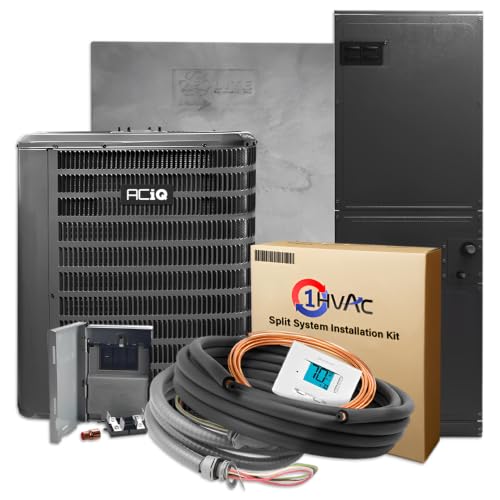
2.5 Ton 15.2 SEER2 Central Air Conditioner Heat Pump System, 10kW & 30' Kit | ACiQ R32 Complete Electric Heat Pump Split System, Central AC Heating HVAC Unit with Multi-Positional Air Handler, ECM Blower
Check price on Amazon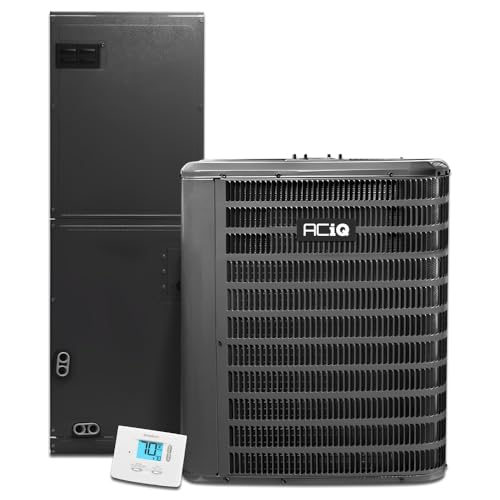
2.5 Ton 14.5 SEER2 Central Air Conditioner Heat Pump System, 5kW & Thermo | ACiQ R32 Complete Electric Heat Pump Split System, Central AC Heating HVAC Unit with Multi-Positional Air Handler, ECM Blower
Check price on Amazon
2.5 Ton 14.5 SEER2 Central Air Conditioner Heat Pump System, 10kW & Thermo | ACiQ R32 Complete Electric Heat Pump Split System, Central AC Heating HVAC Unit with Multi-Positional Air Handler, ECM Blower
Check price on Amazon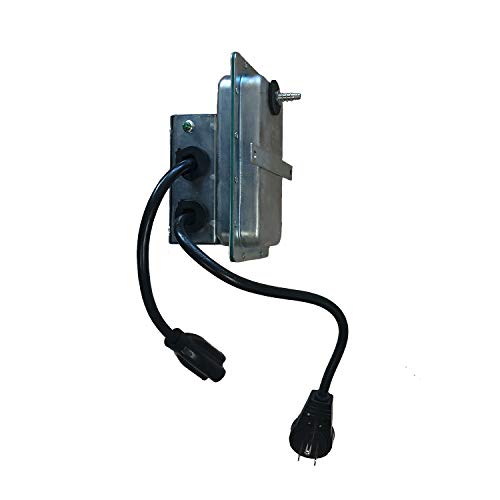
Tjernlund PS1503P Plug-in Air Pressure Activation Switch for Duct Fans in Central Heating and Air Conditioning Systems
Check price on Amazon