Combination AC and Heat Units: A Complete Guide
Discover how dual-purpose heating and cooling systems work, compare the most common types, and learn how to choose the right configuration for year-round indoor comfort in any climate.
Start LearningWhy combination units matter: A combination AC and heat unit consolidates heating and cooling into a single system, reducing equipment footprint and simplifying maintenance. For homeowners who want one reliable system instead of two separate appliances, understanding the trade-offs between heat pumps, packaged units, and wall-mounted combos is the key to a smart long-term decision.
What Are Combination AC and Heat Units?
A combination AC and heat unit is an HVAC system designed to provide both cooling in warm months and heating in cold months from a single piece of equipment. Instead of installing a separate air conditioner and furnace, these systems share components such as the blower, ductwork connection, and control board. The most common designs use a reversing valve in a heat pump, electric resistance backup, or a gas furnace section integrated into a packaged cabinet.
These systems are popular because they simplify the mechanical room, reduce the number of service visits, and often integrate more cleanly with modern smart thermostats. They are especially relevant for homeowners researching combination air conditioner and heater options who want a single point of control for both seasons.
Core Components Shared by Most Combination Systems
- Compressor and condenser coil — handle refrigerant circulation for both heating and cooling modes.
- Reversing valve (heat pump models) — switches refrigerant flow direction to flip between heating and cooling.
- Air handler or blower — distributes conditioned air through ducts or directly into the room.
- Supplemental heat element — provides backup warmth during defrost cycles or extreme cold snaps.
- Unified control board and thermostat interface — coordinates mode switching and efficiency settings.
Understanding these shared parts helps explain why a combination system can be more space-efficient than two standalone units, and why proper sizing becomes even more critical — one undersized component affects both heating and cooling performance.
Main Types of Combination AC and Heat Units
There is no single design that fits every home. The right configuration depends on whether you have ductwork, how much space is available outdoors, and how cold your winters get. Below are the most common categories you will encounter when comparing combination heating and air conditioning units.
Ductless Mini-Split Heat Pumps
Best for homes without ducts, additions, and room-by-room zoning. An outdoor condenser connects to one or more indoor wall, floor, or ceiling heads. These systems are highly efficient in moderate climates and offer excellent zone control.
Packaged AC and Heat Units
A single outdoor cabinet contains the compressor, condenser, evaporator, and either a gas furnace or electric heat strip. Ideal for homes with limited indoor mechanical space or where a rooftop or slab installation makes sense.
Wall-Mounted Combination Units
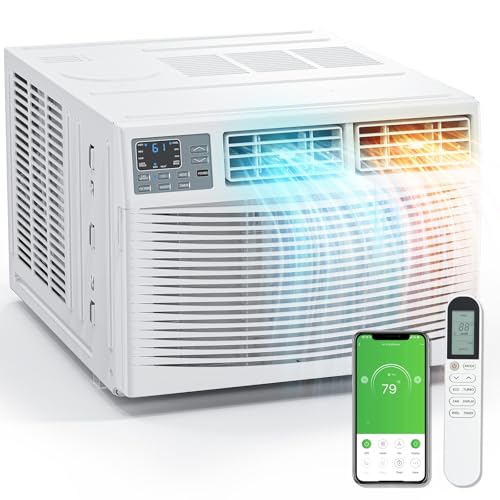
Common in condos, apartments, and retrofits, these through-the-wall or PTAC-style systems combine cooling and electric or hydronic heating in one chassis. They are practical where central ductwork is not feasible.
If your building uses a shared central system, it is worth reviewing how central heating and air layouts compare with decentralized combination options, since the distribution method affects both comfort and maintenance access.
Comparison at a Glance
| System Type | Best For | Ductwork Required | Typical Tier Positioning |
|---|---|---|---|
| Ductless mini-split heat pump | Homes without ducts, additions, zoned comfort | No | Mid-range to premium |
| Packaged AC and heat unit | Single-family homes with limited indoor space | Yes | Entry-level to mid-range |
| Wall-mounted combination unit | Condos, apartments, retrofits | No | Essential tier to mid-tier |
| Central heat pump system | Whole-home ducted comfort | Yes | Mid-range to high-end tier |
The tier labels above are relative market positions, not absolute ratings. A premium mini-split may outperform an entry-level packaged unit in efficiency, but installation constraints often determine which category is even feasible for a given property.
How Combination Systems Switch Between Heating and Cooling
In a heat pump-based combination unit, the reversing valve changes the direction of refrigerant flow. In cooling mode, the indoor coil absorbs heat from the room and rejects it outdoors. In heating mode, the cycle reverses: the outdoor coil absorbs ambient heat and releases it indoors. This is why heat pumps are often described as moving heat rather than generating it, which is central to their efficiency advantage in moderate climates.
Packaged units that include a gas furnace section work differently: the cooling side operates like a conventional air conditioner, while the heating side ignites a burner and passes air over a heat exchanger. The control board selects the mode based on thermostat demand. For homeowners comparing this layout with a traditional central air with furnace setup, the main difference is that a packaged unit consolidates everything into one cabinet rather than splitting components between indoor and outdoor locations.
Practical tip: Ask your installer how the system handles defrost cycles. During cold, humid weather, heat pumps periodically reverse to melt frost on the outdoor coil. A well-configured system uses supplemental heat during defrost so the indoor temperature does not drop noticeably.
Sizing a Combination Unit Correctly
Sizing a dual-purpose system is more demanding than sizing a cooling-only unit because the equipment must perform well across both seasonal extremes. An oversized unit short-cycles in cooling mode, which hurts dehumidification, and may also deliver uneven heating. An undersized unit struggles during peak demand and relies heavily on supplemental heat, which reduces overall efficiency.
A proper load calculation considers square footage, ceiling height, window area and orientation, insulation quality, air leakage, and local climate data. If you are early in the research phase, start with a room-by-room BTU calculator by room size to estimate cooling demand, then ask your contractor for a full Manual J load calculation that also accounts for heating load.
- Cooling load — driven by solar gain, internal heat from appliances and occupants, and envelope performance.
- Heating load — driven by outdoor design temperature, insulation, and infiltration.
- Balance point — the outdoor temperature at which the heat pump can no longer meet the heating load alone and supplemental heat engages.
Knowing your balance point helps you understand how often the backup heat will run. In milder climates, a well-sized heat pump may cover nearly the entire heating season without backup. In colder regions, the balance point matters more, and some homeowners pair the heat pump with a furnace in a dual-fuel configuration.
Efficiency Ratings to Compare
Combination systems carry separate efficiency metrics for cooling and heating. Understanding these ratings prevents apples-to-oranges comparisons when you review product literature.
- SEER2 — seasonal cooling efficiency. Higher values indicate better cooling performance over a typical season.
- EER2 — cooling efficiency at a specific peak test condition, useful for hot-climate comparisons.
- HSPF2 — heating seasonal performance for heat pumps. This is the heating counterpart to SEER2.
- COP — coefficient of performance, a ratio of heat delivered to energy consumed at a given condition.
Two systems with identical SEER2 ratings can behave very differently in heating mode, so always review HSPF2 when heating is a priority. For a deeper explanation of the cooling metric, see our guide on what the SEER rating means. Homeowners in cold climates should also explore cold-climate mini-split options, which are engineered to maintain capacity at lower outdoor temperatures.
Note on tiers: Entry-level combination systems typically meet minimum efficiency standards, mid-range models add variable-speed compressors and better turndown ratios, and premium models focus on cold-climate performance, quieter operation, and advanced zoning. The right tier depends on how much of the year you rely on heating versus cooling.
How to Choose the Right Combination System
Start with the physical constraints of your property, then narrow down by performance and features. This order prevents you from falling in love with a system that cannot be installed in your home.
- Assess ductwork. If you have existing ducts in good condition, a ducted heat pump or packaged unit is straightforward. If not, ductless mini-splits avoid the expense and disruption of adding ducts.
- Check electrical capacity. Heat pumps and electric backup heat draw significant current. Review your panel with a qualified electrician before committing to a model that requires a new circuit.
- Evaluate climate. Mild winters favor standard heat pumps. Harsh winters may call for a cold-climate model or a dual-fuel setup with a furnace.
- Plan for zoning. Multi-zone mini-splits let you condition only the rooms in use, which improves comfort and reduces waste. Ducted systems can also be zoned with dampers and separate thermostats.
- Confirm service access. Ask where the outdoor unit will sit, how technicians will reach the service valves, and whether the indoor head or cabinet has clearance for filter changes.
- Review warranty terms. Labor coverage and compressor warranties vary widely. Register the product promptly to preserve coverage.
For condos and apartments with limited mechanical space, reviewing combination heating and air conditioning units for condos helps clarify which wall-mounted or compact configurations are realistic. Homeowners with very small footprints may also find compact heating and air conditioning units useful as a starting reference.
Installation Considerations
Combination systems are only as good as their installation. Refrigerant charge, line-set length, condensate management, and duct sealing all affect performance. Poorly sealed ducts can lose a meaningful share of conditioned air before it reaches the rooms, undermining even a high-efficiency unit.
- Line-set routing — keep refrigerant lines as short and direct as practical, and protect them from UV and physical damage.
- Condensate drainage — ensure a continuous slope to the drain and consider a secondary pan with a float switch for attic or ceiling installations.
- Duct sealing — seal joints with mastic or approved tape; do not rely on standard cloth tape.
- Outdoor clearance — maintain manufacturer-specified clearances for airflow and service access.
- Permits and inspections — confirm local requirements before work begins; see our guide on how to get an AC permit for general context.
Reviewing common AC installation mistakes before signing a contract helps you ask better questions and spot shortcuts during the walkthrough.
Maintenance for Dual-Purpose Systems
Because one system serves both seasons, maintenance habits matter more than with single-purpose equipment. A clogged filter in summer reduces cooling capacity; the same clogged filter in winter restricts airflow over the heat exchanger, which can stress the system and reduce heating output.
- Filters — check monthly during peak use and replace or clean according to the manufacturer's guidance.
- Outdoor coil — keep the outdoor unit free of leaves, pollen, and debris. Rinse the coil gently during maintenance season.
- Drain line — flush the condensate line to prevent algae growth and water backups.
- Professional tune-up — schedule a seasonal check that includes refrigerant pressure, electrical connections, and a heating-mode performance test.
For step-by-step routines, see our resources on cleaning the AC filter and seasonal AC checklist. If you notice reduced performance, our troubleshooting guides on AC not cooling and AC blowing warm air can help you distinguish a simple fix from a service call.
Frequently Asked Questions
Can a combination unit replace both my AC and my furnace?
Yes, in many cases. Heat pump-based combination systems can handle both cooling and heating, though in colder climates they may rely on supplemental electric heat or a dual-fuel configuration with a furnace. A load calculation determines whether a heat pump alone is sufficient.
Are combination units more efficient than separate systems?
Efficiency depends on the specific models being compared. Modern variable-speed heat pumps can outperform older separate systems significantly. The consolidation also reduces duct losses when the same ductwork serves both modes, provided the ducts are well sealed.
Do combination AC and heat units require special electrical work?
Often yes. Heat pumps and electric backup heat draw substantial current, and many homes need a dedicated circuit or panel upgrade. Have a licensed electrician evaluate your service before finalizing equipment selection.
How long do combination systems last?
With proper installation and routine maintenance, many systems operate for well over a decade. Longevity depends on usage intensity, climate, filter habits, and whether the system is correctly sized. Prompt repair of refrigerant leaks and electrical faults extends service life.
Can I add zoning to a combination system?
Yes. Multi-zone mini-splits are inherently zoned by indoor head, while ducted systems can be zoned with motorized dampers and separate thermostats. Zoning improves comfort and can reduce energy use by conditioning only occupied spaces.
Related Guides on AC Units Guide
- Combination Air Conditioner and Heater
- Combination AC and Heater Wall Units
- Combination Heating and Air Conditioning Units
- Combination Heating and AC Wall Units
- Combination Units for Condos
- Compact Heating and AC Units
- Central Heating and Air Conditioning
- Central Heating and Cooling
- Central Heat Pump
- Cold-Climate Mini-Split
- Comfort Mini-Split
- Central Air Units