Duck Cleaning: Complete Guide to Air Duct & Dryer Vent Care
Discover how proper duct and vent cleaning protects your indoor air quality, improves HVAC efficiency, and reduces fire risk in your home.
START LEARNINGDuck Cleaning Philosophy: Clean ducts are not a luxury — they are a maintenance essential. Understanding what "duck cleaning" involves helps you decide when professional service is worthwhile, how to vet a provider, and what to expect from the process. Learn first, then act with confidence.
What Is Duck Cleaning?
Although the term sounds unusual, "duck cleaning" is a common shorthand for duct cleaning — the professional removal of dust, debris, allergens, and microbial buildup from the network of ducts that distribute heated and cooled air throughout a home. It also frequently refers to dryer vent cleaning, a closely related service that clears lint and obstructions from the exhaust path of a clothes dryer. Both forms of cleaning share the same goal: restoring safe, efficient airflow through concealed channels that are otherwise difficult to inspect or maintain.
The confusion often arises because duct and dryer vent systems are hidden behind walls, ceilings, and floors. Homeowners rarely see what accumulates inside them. Over time, dust, pet dander, pollen, construction residue, and even pests can settle within the ductwork. In a dryer vent, lint accumulates rapidly and becomes a genuine fire hazard if left unchecked. Regular cleaning — whether performed by a qualified technician or supported through consistent DIY maintenance — keeps these systems functioning as designed. For a broader view of how duct systems interact with heating and cooling equipment, explore the fundamentals of HVAC ducting and the role of duct sealing in preserving efficiency.
Why Duck Cleaning Matters for Your Home
Indoor air quality is directly tied to the condition of your ductwork. According to the U.S. Environmental Protection Agency, indoor air can contain two to five times more pollutants than outdoor air — and a poorly maintained duct system can circulate those pollutants throughout every room. Duck cleaning addresses this at the source. The benefits extend beyond air quality, though. A clean system allows the blower to move air with less resistance, which reduces strain on the HVAC equipment and supports steadier temperatures. In the case of dryer vents, cleaning removes the lint that is responsible for thousands of residential fires each year.
Improved Indoor Air Quality
Removing accumulated dust, dander, and allergens from ducts reduces the particles released into living spaces every time the system runs. This is especially valuable for households with allergy or asthma sufferers.
Better HVAC Efficiency
Restricted airflow forces the blower and compressor to work harder. Clean ducts allow conditioned air to reach rooms with less resistance, supporting consistent comfort and reducing wear on equipment.
Reduced Fire Risk
Dryer vents clogged with lint are a leading cause of residential fires. Regular vent cleaning clears the exhaust path and keeps the dryer operating safely and efficiently.
Longer Equipment Life
When airflow is unobstructed, motors and compressors experience less stress. A clean system is a long-term investment in the durability of your heating and cooling equipment.
Fewer Odors and Contaminants
Stale odors, mold spores, and pest debris can linger in ductwork. Cleaning removes the source of these issues and helps keep the air in your home fresher.
Healthier Living Environment
Combined with humidity control and filtration, duck cleaning contributes to a healthier home environment — especially during heating and cooling seasons when the system runs most often.
Signs Your Ducts or Vents Need Cleaning
Not every home requires the same cleaning schedule. The following indicators suggest that duct or dryer vent cleaning should be evaluated by a professional:
- Visible dust or debris blowing out of supply registers when the system starts.
- Persistent musty or stale odors in rooms, even after routine cleaning.
- Unexplained increases in allergy or respiratory symptoms among household members.
- Visible mold growth inside ductwork or around vents (inspected by a qualified professional).
- Evidence of pest infestation or rodent activity in ducts.
- Clothes taking longer than usual to dry, or a dryer that feels hot to the touch.
- A noticeable buildup of lint behind or beneath the dryer.
- Recent renovation or construction work that generated significant dust.
If any of these signs are present, scheduling an inspection is the prudent next step. Homeowners who want to understand the broader ecosystem of ducted comfort can review ducted air conditioning fundamentals alongside cleaning guidance.
Duck Cleaning Methods Explained
Professional duct and vent cleaning typically relies on a combination of mechanical agitation and negative pressure. Understanding the methods helps you evaluate proposals from service providers and ask informed questions.
| Method | How It Works | Best For |
|---|---|---|
| Negative Pressure Vacuum | A high-powered vacuum unit connects to the duct system and creates negative pressure, drawing loosened debris out of the ducts and into a collection unit. | Whole-home duct cleaning when paired with agitation tools. |
| Rotary Brush Agitation | A rotating brush or cable-driven tool is fed through the ductwork to dislodge caked-on dust and debris from duct walls. | Ducts with heavy accumulation or sticky residue. |
| Compressed Air Whips | Forward- and reverse-firing air nozzles propel air through the duct to loosen debris, which is then captured by the vacuum. | Flexible duct runs and hard-to-reach branches. |
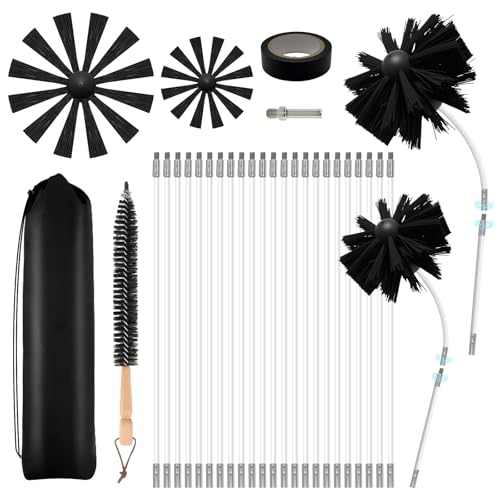
| Dryer Vent Rotary Cleaning | Specialized rods and brushes are fed through the vent line from the dryer connection or exterior termination to remove lint and blockages. | Residential dryer vents of various lengths and configurations. |
| Sanitizing / Fogging | An optional EPA-registered antimicrobial fog may be applied after cleaning to address residual microbial growth. | Homes with confirmed mold or odor issues. |
DIY Maintenance vs. Professional Duck Cleaning
Some cleaning tasks are suitable for homeowners, while others require specialized equipment and expertise. A practical approach combines both: routine DIY care throughout the year and periodic professional service when conditions warrant.
DIY-Friendly Tasks
Replace HVAC filters on schedule, vacuum supply and return registers, remove lint from the dryer lint trap after every load, and clean the area around the dryer. These habits reduce the load on the system between professional visits. For related guidance, see DIY HVAC repair best practices and general dryer vent cleaning tips.
When to Call a Professional
Deep duct cleaning, dryer vent cleaning beyond a short straight run, mold remediation inside ducts, and pest removal all require professional equipment. Providers serving your area can be found through duct cleaning companies in my area and dryer vent cleaning in my area.
How Often Should Duck Cleaning Be Performed?
The U.S. EPA and the National Air Duct Cleaners Association (NADCA) both suggest that duct cleaning is not a routine annual task for every home; instead, it should be performed when conditions justify it. Practical guidelines include:
- Air ducts: Every 3 to 5 years for most households, or sooner if visible debris, mold, pests, or renovation dust is present.
- Dryer vents: At least once per year for typical households; more frequently for large families, heavy laundry use, or long vent runs.
- After major renovations: A one-time cleaning is recommended after construction or remodeling generates significant dust.
- After moving in: A cleaning is advisable when the maintenance history of the home is unknown.
Homes with pets, allergy sufferers, or smokers may benefit from more frequent evaluation. Scheduling dryer vent service annually is a simple habit with meaningful safety benefits. For a broader comparison of air movement systems, review duct cleaning guidance alongside your maintenance calendar.
How to Choose a Duck Cleaning Provider
Because duct and vent cleaning is a service performed inside your home, provider selection deserves careful attention. Consider the following criteria before hiring:
- Certification: Look for technicians credentialed by NADCA or a comparable industry body.
- Inspection first: A reputable provider inspects before recommending services and shows you what they find.
- Written scope: Request a written description of the work, including which components will be cleaned.
- Equipment: Confirm the provider uses a negative-pressure vacuum and agitation tools rather than shop vacuums alone.
- References and reviews: Check recent reviews and ask for references from comparable homes.
- Insurance: Verify liability coverage and workers' compensation.
Providers serving nearby communities can be researched through duct cleaning services in my area and dryer vent cleaning company listings. For a focused look at dryer vent service specifically, see dryer vent cleaning in my area and the related dryer vent cleaning hose considerations for exterior termination setups.
Recommended Duck Cleaning Schedule
Use the table below as a general planning guide. Adjust frequency based on household size, pets, allergies, and system usage.
| Component | Suggested Frequency | Typical Service Tier | Best For |
|---|---|---|---|
| HVAC air filter replacement | Every 1–3 months | Essential tier (DIY) | All households |
| Register and vent vacuuming | Monthly | Essential tier (DIY) | All households |
| Dryer lint trap cleaning | After every load | Essential tier (DIY) | All households |
| Professional dryer vent cleaning | Annually | Balanced tier (professional) | Most households |
| Whole-home air duct cleaning | Every 3–5 years or as needed | Professional-grade tier | Homes with visible debris, pets, allergies, or renovation dust |
| Mold or pest remediation in ducts | As needed after inspection | Professional-grade tier | Homes with confirmed contamination |
Frequently Asked Questions
Is duck cleaning the same as duct cleaning?
Yes — in most contexts, "duck cleaning" is a phonetic spelling of "duct cleaning." It refers to the professional or DIY cleaning of the ductwork that distributes heated and cooled air. It can also apply to dryer vent cleaning, which shares the same airflow and safety principles.
How long does professional duck cleaning take?
A typical residential air duct cleaning visit takes two to four hours depending on the number of vents, system size, and level of accumulation. Dryer vent cleaning is usually faster, often under an hour for standard configurations.
Will duct cleaning improve my HVAC efficiency?
If airflow is restricted by debris, cleaning can restore designed performance and reduce strain on the blower. The effect is most noticeable in systems with significant accumulation. Cleaning is not a substitute for proper system sizing, sealing, or insulation.
Can I clean my own dryer vent?
Short, straight vent runs can often be cleaned with a vent brush kit. Longer runs with elbows or hidden sections are better handled by a professional using rotary equipment to ensure complete lint removal.
How do I know if mold is present in my ducts?
Visible mold growth, musty odors, or allergy symptoms that worsen when the system runs can indicate mold. A qualified professional should inspect and, if necessary, perform remediation. Cleaning without addressing the underlying moisture source is unlikely to solve the problem.
Does duck cleaning include sanitizing?
Sanitizing is an optional add-on offered by some providers. It is generally recommended only when inspection reveals microbial contamination. Routine sanitizing is not necessary for every cleaning.
Final Thoughts on Duck Cleaning
Duck cleaning — whether applied to air ducts or dryer vents — is a practical investment in indoor air quality, system efficiency, and household safety. The most effective approach combines routine DIY care (filters, registers, lint traps) with periodic professional service when conditions justify it. Homeowners who understand what the service involves, how to recognize the signs that cleaning is needed, and how to choose a qualified provider can approach the decision with confidence rather than guesswork.
For related topics, explore HVAC dampers, duct sealing, and HVAC diffusers to build a complete picture of how ducted systems deliver comfort throughout the home.