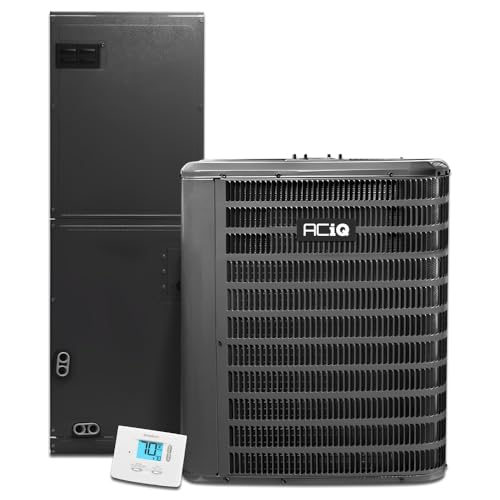
Heat Pump Systems Pricing Guide: What Shapes the Investment
Understand the factors that determine heat pump system investment tiers, from system type and capacity to efficiency and installation scope.
Explore the GuideWhy heat pump investment varies so much: A heat pump system replaces two pieces of equipment at once — the heating system and the cooling system — and it does so with a design that is more sensitive to climate, sizing, and installation quality than either a furnace or a standalone air conditioner.
Two homes of the same square footage can sit in very different investment tiers once the system type, efficiency level, electrical service, and installation complexity are considered. This guide explains those variables so you can read proposals with confidence and compare options on the right basis.
If you are still comparing system types, our overview of the different types of air conditioning for homes is a useful starting point, and the heat pump vs air conditioner comparison covers the trade-offs in more detail.
What Shapes Heat Pump System Investment
Every heat pump proposal is built from the same categories: equipment, labor, materials, electrical work, permits, and contingency. The relative weight of each category changes with the home, the climate, and the specific system chosen. Understanding those categories is more useful than looking for a single figure, because the figure depends entirely on the scope behind it.
System Type
Air-source, cold-climate, ducted, and ductless configurations sit at different tiers because their equipment and installation scope differ.
Capacity
Larger homes need larger outdoor units and indoor coils, which raises the equipment portion. Proper sizing via load calculation is essential.
Efficiency Tier
Entry-level, mid-range, and premium efficiency heat pumps diverge in equipment positioning and often in the controls they support.
Ductwork Condition
Reusing existing ducts narrows the scope. New duct runs for a first-time ducted heat pump installation raise it substantially.
Electrical Service
A dedicated 240-volt circuit and, in some cases, a panel upgrade are part of the electrical scope that affects the project tier.
Installation Complexity
Attic access, line set routing, distance between units, and structural considerations all influence labor hours and coordination.
Cold-Climate Capability
Cold-climate rated heat pumps occupy a different equipment tier than standard models and may include additional controls or accessories.
Controls & Zoning
A single-zone system is the simplest scope. Multi-zone configurations add indoor units, dampers, and control wiring. The electronic home thermostat reference covers compatible controls.
Regional Labor
Labor conditions vary significantly by region. The same scope of work can sit in a different tier depending on where the home is located.
Heat Pump System Types Compared
The single biggest driver of investment is the system type. The table below summarizes the main configurations by market positioning and typical use case. Tiers are relative descriptors, not absolute rankings, and vary by manufacturer and model year.
| System Type | Investment Tier | What It Includes | Typical Use Case | Considerations |
|---|---|---|---|---|
| Ductless single-zone mini-split heat pump | Essential tier | One outdoor unit, one indoor head, line set, controls | Single rooms, additions, small homes | Lower equipment scope, no ductwork |
| Ducted heat pump (replacing an existing system) | Mid-tier | Outdoor unit, indoor coil or air handler, controls, existing duct reuse | Homes with existing functional ductwork | Efficient scope when ducts are sound |
| Ducted heat pump (first-time installation) | High-end tier | Load calculation, full duct layout, equipment, electrical, permits | Homes without ducts, new construction | Largest scope; ductwork is a major line item |
| Cold-climate heat pump | Premium tier | Cold-climate rated outdoor unit, compatible indoor equipment, controls | Heating-dominated climates, colder regions | Equipment tier is higher; performance in extreme cold is the payoff |
| Multi-zone ductless mini-split | Top-tier | Multi-zone outdoor unit, several indoor heads, line sets, controls | Whole-home comfort without ductwork | Scaled by number of zones; the five zone mini-split reference illustrates a larger configuration |
Ducted vs Ductless Heat Pumps
The choice between ducted and ductless heat pumps is the biggest structural decision after capacity. A ducted system conditions the whole home through existing or new ducts, and its investment tier depends heavily on whether ducts already exist. A ductless system conditions specific zones through wall-mounted indoor units and avoids ductwork entirely.
For homes with existing ducts in good condition, a ducted replacement is usually the narrowest scope. For homes without ducts, the decision is more open — a first-time ducted installation is the highest-tier project, while a ductless configuration may sit lower depending on the number of zones required. Our ductless air conditioning for older homes guide covers the trade-offs in more detail, and the ductless mini-split AC installation cost reference explains the separate cost structure of that path.
The ductless heating and air conditioning and mini-split heating and air conditioning references cover how ductless systems deliver both heating and cooling from the same equipment, which is central to why they are considered as heat pump systems rather than cooling-only AC.
Efficiency Ratings and Their Role
Two ratings drive efficiency comparisons in the heat pump market. SEER2 measures cooling efficiency, and HSPF2 measures heating efficiency. Both are reported in consistent formats so that models can be compared directly. A higher rating indicates more heating or cooling delivered per unit of electricity across the season.
Efficiency tiers in the market roughly correspond to how well a model scores on both ratings, plus features like variable-speed operation, communicating controls, and sound levels. Entry-level heat pumps meet minimum standards, mid-range models improve on both efficiency figures, and premium tiers reach substantially higher efficiency and often quieter operation. The ENERGY STAR HVAC reference explains the certification thresholds, and what is SEER rating covers the cooling metric in depth.
In heating-dominated climates, HSPF2 matters more for the annual picture. In cooling-dominated climates, SEER2 dominates. A higher efficiency tier usually returns better long-run energy performance, but the relative payoff depends on climate and on how much the home uses the system each year.
Sizing and Its Impact on the Proposal
Heat pump capacity is measured in tons, with one ton equal to 12,000 BTUs per hour of rated cooling. A properly sized system matches the home's load calculation, not just its square footage. Oversizing produces short cycling, poorer humidity removal, and comfort issues; undersizing leaves the home uncomfortable on design days.
For a home in the range typically served by a four ton unit, the sizing discussion involves whether the home's load justifies that capacity or whether a smaller, better-matched system would perform better. Our four ton heat pump guide covers capacity classes in more detail, and the AC too big or too small reference explains the symptoms of each sizing error.
Incentives and Efficiency Tier Decisions
Utility rebates, government tax credits, and regional incentive programs frequently apply to qualifying high-efficiency heat pumps. These programs change from year to year and vary by location, so checking current local incentives before finalizing a model choice is worth the effort. In some cases, the incentive changes which efficiency tier represents the better overall position.
The HVAC tax credits and rebates reference covers how these programs typically work, and the ENERGY STAR mini-split heat pump reference explains the certification thresholds specifically for ductless heat pumps.
How to Compare Heat Pump Proposals
A trustworthy heat pump proposal is specific. It names model numbers, explains the duct scope, lists electrical work separately, and states whether permits and inspection are included. A vague one-line estimate is a warning sign regardless of the number attached to it.
- Confirm the load calculation is included, not just square footage sizing.
- Compare SEER2 and HSPF2 ratings across the models being considered.
- Review system type and whether the configuration matches the home.
- Confirm whether ductwork is new, reused, or partially replaced.
- Verify electrical scope is listed explicitly, including panel capacity checks.
- Ask whether permits and inspection fees are included.
- Confirm the commissioning process includes airflow and refrigerant charge verification.
- Compare warranty terms for equipment and labor separately.
If you are comparing a ducted heat pump against a ductless configuration, our ductless mini-split air conditioners and heat pumps guide explains how the two approaches differ in scope and delivery. The HVAC quotes reference covers how to solicit comparable proposals from contractors, and the HVAC service companies article covers contractor screening.
Ready to Compare Heat Pump Systems?
You now have the framework: understand the system type and its scope, confirm the load calculation, compare SEER2 and HSPF2 figures, and evaluate the electrical and duct requirements. The curated selection below highlights heat pump systems across entry-level, mid-range, and premium tiers.
View Recommended SystemsFrequently Asked Questions
What determines the investment tier of a heat pump system?
The main factors are system type (air-source, cold-climate, ducted, or ductless), capacity, efficiency tier, whether ductwork already exists, the condition of the electrical service, and the complexity of the installation. Regional labor conditions also affect the tier of a given scope.
Does a heat pump installation include both heating and cooling?
Yes. A heat pump provides both heating and cooling from a single system by reversing the refrigerant cycle. That dual function is a primary reason heat pumps are positioned differently from a furnace-plus-AC pair in the market.
Is a ductless heat pump less involved than a ducted heat pump?
It depends on the home. Ductless systems avoid duct installation but require refrigerant line routing to each indoor unit. Ducted systems reuse existing ducts when available, which can narrow the scope substantially in replacement scenarios. The better choice depends on home layout and whether ductwork exists.
Should I compare SEER2 and HSPF2 when comparing heat pumps?
Yes. SEER2 measures cooling efficiency and HSPF2 measures heating efficiency. In heating-dominated climates, HSPF2 matters more, while in cooling-dominated climates, SEER2 dominates. Both figures vary by model and efficiency tier.
Are there incentives that affect heat pump system pricing?
Many regions offer utility rebates, tax credits, or government incentive programs for qualifying high-efficiency heat pumps. These programs change from year to year and vary by location. Checking local incentives before finalizing a model choice can change which efficiency tier represents the better overall position.
How does a heat pump compare with a traditional furnace and AC setup?
A heat pump replaces both pieces of equipment with one system. In moderate climates, that dual function can be a clean overall choice. In colder climates, a heat pump may be paired with a furnace in a dual-fuel configuration. The heating and air conditioning units combined reference covers the integrated approach.