
High Velocity Air Conditioning Installation: The Complete Guide
Discover how small-duct, high-velocity HVAC systems deliver powerful cooling through narrow flexible tubes — perfect for older homes, retrofits, and spaces where traditional ductwork simply will not fit.
Explore Top SystemsWhy this guide matters: If you have researched high velocity air conditioning and already know the type of system you want, this page gives you the full picture — how the technology works, what installation involves, how to size it correctly, and which product tiers make sense for your home. Read it fully before you commit, so you can buy with confidence.
What Is High Velocity Air Conditioning?
High velocity air conditioning is a small-duct HVAC approach that moves conditioned air through flexible tubes with a diameter of roughly two to three inches. Instead of relying on large, bulky rectangular ductwork, the system uses a high-pressure air handler to push cooled air through narrow outlets at high speed. The result is rapid, even temperature distribution with minimal structural disruption.
This technology is especially valuable in homes where installing conventional ducts is impractical. If you are still comparing system categories, our overview of different types of air conditioning for homes is a useful starting point. For homes without existing ductwork, the principles behind ductless air conditioning for older homes overlap heavily with high velocity design — both prioritize minimal invasion and flexible routing.
Unlike a standard mini-split AC system that serves each room with a wall-mounted head, a high velocity system centralizes the air handler and distributes air through small tubes to compact outlets. This makes it a hybrid between central and ductless cooling, and it is often grouped with ductless heating and air conditioning systems when homeowners evaluate retrofit options.
How High Velocity Systems Work
The core components of a high velocity system are the outdoor condenser, the indoor air handler, and the small-diameter distribution tubing. The air handler pressurizes the air and sends it through the tubing at roughly two to three times the velocity of a conventional system. Because the tubes are narrow, they can be routed through wall cavities, attic chases, and closet spaces without major remodeling.
Each outlet is designed to mix the high-speed air stream with room air, which prevents drafts and keeps noise low. This mixing effect is why high velocity systems can feel comfortable despite the fast-moving air. The technology shares efficiency goals with modern high efficiency heating and air conditioning equipment, and many systems now pair with inverter-driven compressors for smoother operation — a concept explained in our inverter vs non-inverter comparison.
High Velocity vs. Traditional Ducted vs. Ductless Mini-Split
| Feature | High Velocity Small-Duct | Traditional Ducted | Ductless Mini-Split |
|---|---|---|---|
| Duct Diameter | 2–3 inches (flexible tube) | 8–12+ inches (rigid sheet metal) | No ducts |
| Best For | Retrofits, older homes, tight spaces | New construction, open floor plans | Room-by-room zoning, rentals |
| Installation Disruption | Low — fits inside existing cavities | High — major framing and drywall work | Low — small wall penetration per head |
| Air Delivery | High speed, small outlets, rapid mixing | Low speed, large registers | Direct blow per room |
| Zoning Flexibility | Good with multi-zone air handlers | Limited without dampers | Excellent — each head is a zone |
| Typical Tier | Mid-range to premium | Essential to mid-tier | Mid-tier to premium |
Sizing a High Velocity System Correctly
Proper sizing is the single most important factor in comfort and efficiency. An undersized unit will run continuously and struggle on hot days, while an oversized unit will short-cycle, leaving rooms humid and uneven. High velocity systems are sized using a room-by-room load calculation, often following Manual J methodology.
Key inputs include square footage, ceiling height, window area and orientation, insulation quality, and local climate. For a quick reference on capacity ranges, our guides on mini-split AC units for 500 square feet and mini-split AC units for 1,200 sq ft illustrate how load scales with home size. If your home is large or multi-story, a multi-zone approach similar to a five-zone mini-split layout may be the right analogy for how you split capacity across spaces.
Because high velocity outlets are small, the number and placement of outlets matters as much as the tonnage. A qualified contractor will design a layout that avoids dead spots and ensures each room receives adequate airflow. This is the same design discipline covered in our ductwork design guide, adapted for narrow tubing.
The High Velocity AC Installation Process, Step by Step
Understanding the installation sequence helps you plan around the work and ask the right questions before signing a contract. Most single-zone residential installations follow this path:
- Assessment and load calculation. The contractor evaluates your home's layout, insulation, and existing electrical service, then performs a room-by-room load calculation.
- System and outlet design. The team maps tube routes through wall cavities, closets, and attic space, and selects outlet locations for even coverage.
- Equipment placement. The outdoor condenser is set on a level pad with clearance for airflow, and the indoor air handler is positioned in an attic, closet, or utility space. Placement guidance overlaps with our notes on AC indoor and outdoor placement.
- Tube routing and outlet installation. Flexible tubes are pulled through existing cavities with minimal drywall cuts. Small outlets are installed in ceilings or walls.
- Refrigerant and electrical connections. Line sets are connected, the system is evacuated, and refrigerant is charged. Electrical work may require a dedicated circuit; see our guide to electrical outlet plugs for context on receptacle types.
- Commissioning and testing. The system is pressure-tested, airflow is balanced, and controls are configured. Our first week after AC installation checklist is a useful follow-up resource.
For a broader view of how installation steps compare across system types, our installing a mini-split AC system guide covers overlapping procedures such as line-set handling and vacuuming.
Pre-Installation Checklist
- Confirm your electrical panel can support a dedicated circuit for the air handler and condenser.
- Identify tube routes and outlet locations before any drywall work begins.
- Verify outdoor condenser clearance and drainage.
- Ask the contractor for a written load calculation and outlet layout.
- Confirm permit requirements with your local building department.
Key Installation Considerations and Common Pitfalls
Electrical Service
High velocity systems typically require a dedicated circuit. Older homes may need a panel upgrade, which should be scoped before installation day. Reviewing your panel capacity early avoids surprises and keeps the project on schedule.
Tube Routing
The advantage of small tubing disappears if routes are poorly planned. Tubes should avoid sharp bends that reduce airflow and should be kept away from heat sources. A professional layout prevents the airflow restrictions that cause uneven cooling.
Condensate Management
Condensate must drain reliably. In attic installations, a secondary drain pan and float switch are strongly recommended. Our article on a drip pan for AC unit in attic full of water explains what happens when drainage fails and how to prevent it.
Noise and Vibration
The air handler should be isolated from framing to reduce vibration transfer. Proper mounting and flexible connectors keep the system quiet even at high airflow velocities.
Which Homes Benefit Most from High Velocity Systems?
High velocity systems shine in specific scenarios. They are a strong fit for:
- Historic and older homes where preserving original walls and ceilings matters.
- Homes with no existing ductwork that need whole-home cooling without a full duct build-out.
- Additions and finished attics where space for conventional ducts is limited.
- Multi-story homes where routing through chases is simpler than installing large trunks.
If your home already has well-maintained conventional ducts, a standard high efficiency system may be the simpler path. Our guide to high efficiency furnace and air conditioner combinations covers that scenario. For homes where ductless is the better answer, our ductless mini-split air conditioners and heat pumps overview is a useful cross-reference.
Efficiency, Controls, and Long-Term Operation
Modern high velocity systems are available with variable-speed compressors and advanced controls. Pairing the system with a programmable or smart thermostat improves part-load efficiency and comfort. Our guide to an electronic home thermostat explains how setback schedules and zoning interact with HVAC equipment.
Routine maintenance matters as much as the initial installation. Filter changes, coil cleaning, and annual inspections preserve efficiency. If you are evaluating the long-term view, our article on an investment AC for long-term use outlines how to think about durability and operating efficiency over the life of the equipment.
For homeowners comparing electrification options, high velocity systems can be paired with heat pump technology, similar to the approach described in our heat pump cooling and heating split system guide.
Choosing the Right Product Tier
High velocity equipment generally falls into three market tiers. Use these descriptors to orient yourself before you compare specific models:
- Essential tier — basic single-zone systems with standard compressors. A solid choice for a single room or addition where simplicity matters.
- Mid-tier — multi-zone air handlers, improved controls, and better sound isolation. A balanced option for whole-home retrofits.
- Premium tier — variable-speed compressors, advanced zoning, and high-grade components. Best for larger homes and owners who prioritize quiet operation and part-load efficiency.
In general, mid-tier and premium models offer smoother modulation and quieter operation than entry-level systems. Feature-rich systems in the higher tiers often include better filtration and more granular zone control, which matters in multi-room layouts. Match the tier to your home's size and your comfort priorities rather than to a single specification.
Ready to Compare High Velocity Systems?
Browse curated options below, review the specifications that matter, and choose the tier that fits your home and installation plan.
View Recommended SystemsFrequently Asked Questions
What is high velocity air conditioning?
High velocity air conditioning is a small-duct HVAC system that delivers cooled air through narrow, flexible tubes at high speed. It is ideal for older homes and retrofits where standard ductwork cannot be installed.
How long does high velocity AC installation take?
A typical high velocity AC installation takes one to three days for a single-zone system, depending on home size, layout, and whether existing electrical service needs upgrades.
Can high velocity AC be installed in an older home without ductwork?
Yes. High velocity systems use small-diameter flexible tubes that fit inside wall cavities, closets, and ceiling chases, making them a strong fit for older homes that lack traditional ductwork.
Is high velocity AC noisy?
When installed correctly, high velocity systems are quiet in the living space because outlets mix the fast air stream with room air. Noise concerns usually stem from poor air handler isolation or undersized outlets.
Related Guides
Recommended High Velocity Air Conditioning Systems
⚠️ AFFILIATE DISCLOSURE: This website contains affiliate links. As an Amazon Associate, we earn from qualifying purchases. If you make a purchase through these links, we may receive a small commission at no additional cost to you. Read our full affiliate policy.

Lasko Pivoting High Velocity Portable Utility Fan - 12" - U12104 - Black | Adjustable Air Mover Blower Fan for Bedroom, Office Desk, Garage, and Home, With 2 Outlets 120V, 3 Speeds
Check price on Amazon
Refrigerant Charging and Service Procedures for Air Conditioning 2nd Edition
Check price on Amazon
Modern Refrigeration and Air Conditioning
Check price on Amazon
Refrigerant Charging & Service Procedures for Air Conditioning Workbook 2nd Edition
Check price on Amazon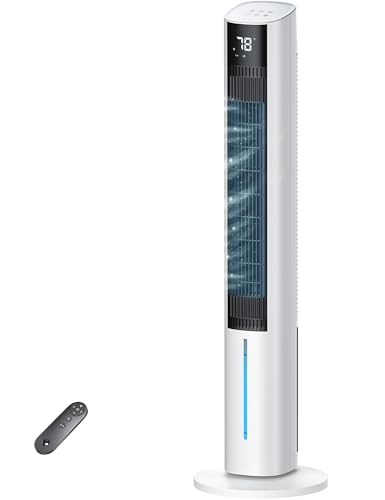
Windowless Portable Air Conditioners, 45.1" Evaporative Cooler for Room No window, 12H Timer & 60° Swing, 1.06Gal Water Tank & 4 Ice Packs, Quiet Portable ac Unit with Remote for Bedroom white
Check price on Amazon
The First-Time Homeowner's HVAC & Airflow Guide: Understanding Heating, Cooling, Air Filters, Ventilation, Thermostats, and Seasonal Maintenance
Check price on Amazon
Refrigerant Charging and Service Procedures for Air Conditioning
Check price on Amazon