HVAC Duct Cleaning Services: A Complete Homeowner Guide
Understand what professional duct cleaning involves, when it is genuinely necessary, how to evaluate providers, and how clean ductwork supports indoor air quality and system efficiency.
Start LearningWhy this guide matters: Ductwork is the hidden circulatory system of your home. It silently distributes conditioned air to every room, yet it is rarely inspected or cleaned. This guide helps research-stage homeowners separate genuine maintenance needs from marketing hype, so you can make a confident, informed decision about duct cleaning services.
What Are HVAC Duct Cleaning Services?
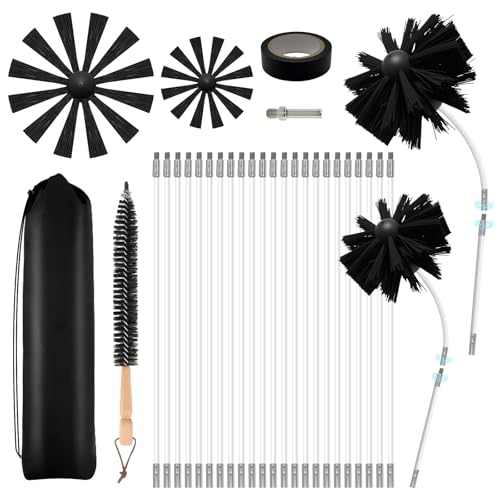
HVAC duct cleaning services involve the mechanical removal of accumulated dust, debris, microbial growth, and other contaminants from the supply and return ductwork of a heating, ventilation, and air conditioning system. Professional providers use specialized tools — including negative-pressure vacuum units, rotary brushes, whip lines, and compressed-air devices — to dislodge and extract material that ordinary vacuuming cannot reach.
Unlike surface cleaning, duct cleaning addresses the interior lining of the duct network, the registers, grilles, diffusers, and often the air handler components. A thorough service typically includes an initial inspection, containment setup to prevent cross-contamination, agitation of debris, extraction, and a final verification walkthrough with the homeowner.
It is worth distinguishing duct cleaning from related services. Duct and vent cleaning focuses specifically on the airways, while broader HVAC cleaning may encompass coils, drain pans, and blower assemblies. Understanding this distinction helps you request the right scope of work.
Key Benefits of Professional Duct Cleaning
Improved Indoor Air Quality
Removing accumulated debris from duct interiors reduces the reservoir of particles that can become airborne when the system runs, particularly in homes with allergy sufferers.
Better System Efficiency
Clean ducts support unobstructed airflow. Reduced restriction means the blower and coil can operate closer to design conditions, which supports HVAC energy efficiency.
Extended Equipment Lifespan
Less debris entering the air handler reduces strain on the blower motor and helps protect the evaporator coil from fouling, a common cause of reduced performance.
Odor Reduction
Stale or musty odors often originate from biological growth in damp duct sections. Cleaning plus moisture correction can meaningfully improve household smell.
Verification of Duct Condition
Professional inspection during cleaning often reveals disconnected joints, crushed flex runs, or contamination sources that would otherwise go unnoticed for years.
Documented Baseline
A thorough service produces photo documentation and a written report, giving you a reliable baseline for future maintenance planning and warranty discussions.
When Should You Schedule Duct Cleaning?
Duct cleaning is not a universal annual requirement. Most reputable guidance suggests scheduling service every three to five years for typical households, with more frequent attention in specific situations. Consider professional cleaning when you observe any of the following:
- Visible debris or dust discharge from supply registers shortly after the system starts, which suggests contamination inside the duct run rather than normal household dust.
- Persistent musty or stale odors when the HVAC system operates, especially in humid climates where condensation can support microbial growth.
- Recent renovation or construction that generated drywall dust, sawdust, or insulation fibers near return openings.
- Water intrusion or flooding affecting ductwork or the air handler area, which requires assessment for contamination and possible duct inspection.
- Pest activity such as rodents or insects inside duct runs, which warrants cleaning and sealing in coordination with ductwork repair.
- Household members with allergies or respiratory sensitivity who notice symptom patterns tied to system operation.
- Moving into a previously occupied home with unknown maintenance history, particularly if filters appear heavily neglected.
- After major HVAC equipment replacement, when the system is already open and inspection access is convenient.
Important context: Duct cleaning is not a cure-all. If your home has a dirty filter problem, inadequate filtration, or uncontrolled humidity, cleaning alone will not solve recurring air quality complaints. Address the source first, then clean.
The Professional Duct Cleaning Process Step by Step
While methods vary by provider and home layout, a well-executed service generally follows a structured sequence. Understanding these steps helps you evaluate whether a quoted scope is comprehensive or superficial.
- Initial assessment and walkthrough. The technician inspects accessible duct sections, registers, and the air handler, and discusses your concerns and service history.
- Containment and protection. Floor coverings and negative-pressure equipment are set up to prevent debris from migrating into occupied spaces during cleaning.
- Register and grille removal. Supply and return covers are removed, cleaned separately, and the duct openings are prepared for tool access.
- Mechanical agitation. Rotary brushes, whip lines, or compressed-air tools dislodge adhered debris from duct walls, including branches that are difficult to reach.
- High-volume extraction. A negative-pressure vacuum captures dislodged material, preventing it from settling back into the system or escaping into the room.
- Component attention. Depending on scope, the blower, drain pan, and accessible coil surfaces may be cleaned or inspected, often coordinated with coil cleaning.
- Final verification. The technician documents results with photographs, confirms airflow at registers, and walks you through findings and any recommended follow-up work.
How to Evaluate a Duct Cleaning Provider
The quality gap between providers is substantial. Some perform thorough, documented work; others perform cosmetic surface cleaning and rely on aggressive sales tactics. Use the following criteria to screen candidates before booking.
| Evaluation Criteria | What to Look For | Red Flags |
|---|---|---|
| Certification & Training | NADCA certification, manufacturer training records, and technicians who can explain methods clearly | Vague answers about technique or equipment |
| Licensing & Insurance | Active state or local licensing and verifiable liability coverage, as described in license and insurance guidance | Reluctance to provide documentation |
| Inspection First | A camera inspection or physical assessment before recommending a scope of work | Immediate cleaning proposal without any inspection |
| Written Scope | Clear description of areas to be cleaned, equipment used, and expected deliverables | Verbal-only agreements or pressure to sign on the spot |
| Documentation | Before-and-after photos, written report, and airflow observations | No documentation offered or refused |
| Upsell Behavior | Reasoned recommendations tied to observed conditions | Fear-based claims about health or immediate system failure |
| Local Reputation | Verifiable reviews and references from nearby homeowners | No local presence or traceable history |
For broader context on vetting service professionals, the guidance on choosing an HVAC contractor applies directly to duct cleaning providers as well. You can also review how to compare HVAC quotes so that proposals are evaluated on scope rather than headline figures.
Service Tiers in the Duct Cleaning Market
Duct cleaning offerings generally fall into three broad tiers. Describing them by tier rather than by any numeric figures keeps the comparison useful over time and across regions.
| Tier | Typical Scope | Best For |
|---|---|---|
| Essential tier | Basic vacuum extraction of accessible supply and return runs, register removal and cleaning, brief visual inspection | Routine maintenance in homes with no known contamination issues |
| Mid-range | Full mechanical agitation with rotary tools, negative-pressure containment, component cleaning, photo documentation | Households with pets, allergy concerns, or several years since last service |
| Premium | Camera-assisted inspection, comprehensive agitation and extraction, air handler cleaning, written report, follow-up verification | Post-renovation, water intrusion recovery, or homes with documented contamination |
Mid-range and premium tiers typically include more thorough agitation and better documentation than essential-tier offerings. When comparing proposals, focus on the described methodology and deliverables rather than on headline positioning alone.
Common Mistakes Homeowners Make
- Treating duct cleaning as a substitute for filtration. Cleaning removes accumulated debris, but ongoing particle capture depends on properly selected and regularly changed filters. Review HVAC maintenance guidance for filter practices.
- Ignoring duct leakage. Cleaning a leaky duct system is a temporary improvement at best. Sealing gaps in air duct sealing work is often the higher-impact step.
- Skipping moisture correction. If humidity or condensation is feeding biological growth, cleaning without addressing the moisture source leads to recurrence.
- Accepting vague scope descriptions. "We clean the ducts" is not a scope. Ask which runs, which components, and what documentation is included.
- Overlooking the air handler. Debris often accumulates around the blower and drain pan. A comprehensive service addresses these areas, sometimes in coordination with blower fan replacement if components are worn.
- Never inspecting again. A post-service baseline is useful only if you revisit it. Periodic HVAC inspection keeps the system's condition visible.
Ductwork Condition: The Often-Overlooked Factor
Cleaning is only part of the picture. The physical condition of the duct system determines how well any cleaning effort will hold up. Crushed flex duct, disconnected joints, and undersized returns can undermine both air quality and comfort regardless of how thoroughly the interior is cleaned.
During service, ask the technician to note visible issues along accessible runs. Common findings include sagging flex duct, poorly sealed boots at registers, and unsealed connections at the air handler. Addressing these through ductwork repair or, in severe cases, ductwork replacement planning can produce lasting improvements that cleaning alone cannot deliver.
For homes with chronic distribution problems, a broader review of ductwork design may be warranted. Duct cleaning is a maintenance action, not a remedy for fundamental design shortcomings.
Duct Cleaning and Indoor Air Quality
Indoor air quality is a layered problem, and duct cleaning addresses one layer. It reduces the reservoir of settled debris that can be re-entrained into airstreams, but it does not filter the air continuously, and it cannot compensate for inadequate ventilation or uncontrolled moisture.
A balanced approach pairs cleaning with strong filtration, humidity management through dehumidification where needed, and source control of pollutants. In homes with significant humidity challenges, a dedicated humidifier or dehumidifier strategy may be part of the overall plan. For a broader view of how air quality fits into system design, see the resources on HVAC and air conditioning.
Professional Service vs. Do-It-Yourself Attempts
Consumer-grade vacuums and brushes cannot generate the airflow or agitation required to clean duct interiors effectively. Attempts at DIY cleaning often dislodge debris without capturing it, which can worsen indoor air quality in the short term and redistribute contamination deeper into the system.
Professional providers bring negative-pressure extraction, appropriate tooling for different duct materials, and containment practices that protect occupied spaces. For homeowners who want to support the effort between professional visits, routine filter changes and register cleaning are appropriate and useful DIY tasks.
Integrating Duct Cleaning Into a Maintenance Plan
Duct cleaning works best as one element of an ongoing maintenance strategy rather than a one-time event. Many homeowners find value in a structured HVAC maintenance plan that bundles filter service, coil inspection, and periodic duct assessment.
Between professional visits, practical habits make a measurable difference: change filters on schedule, keep returns unobstructed, address water leaks promptly, and schedule a professional inspection service if you notice new odors or airflow changes. For commercial properties, the considerations differ somewhat and are covered under HVAC for commercial applications.
Frequently Asked Questions
How often should HVAC duct cleaning services be scheduled?
Most professionals recommend every three to five years for typical homes. Households with pets, smokers, allergy sufferers, or recent renovations may benefit from more frequent service, sometimes every one to two years.
What does the duct cleaning process involve?
A professional service uses specialized equipment such as negative-pressure vacuums, rotary brushes, and compressed-air tools to dislodge and remove debris. The process includes inspection, containment, agitation, extraction, and a final verification walkthrough.
How do I choose a reputable duct cleaning company?
Look for verifiable credentials such as NADCA certification, proper licensing and insurance, transparent inspection reports, and willingness to show before-and-after evidence. Request a written scope of work and avoid providers who rely on high-pressure tactics.
Does duct cleaning improve indoor air quality?
It can reduce airborne contaminants when the source is accumulated debris inside the ductwork. It is most effective when combined with high-quality filtration, regular filter changes, and proper humidity control.
Will duct cleaning reduce my energy consumption?
Clean ducts support unobstructed airflow, which can help the system operate closer to design conditions. Meaningful efficiency gains usually come from a combination of cleaning, sealing, filtration, and equipment maintenance rather than cleaning alone.
Is duct cleaning safe for all duct materials?
Reputable providers adjust tools and pressure for the duct material — rigid metal, fiberglass duct board, and flex duct each require different handling. Discuss your duct type during the initial assessment so the correct method is selected.
Should I clean ducts before or after a renovation?
After, and with containment during the work if possible. Renovation generates substantial debris, so cleaning once construction dust has settled is generally the more effective sequencing.
What should I receive after the service?
A thorough provider supplies before-and-after photographs, a written summary of work performed, notes on any issues discovered, and recommendations for follow-up such as sealing, repair, or filtration improvements.
Final Takeaways
HVAC duct cleaning services are a legitimate maintenance category, but they are not a universal annual requirement or a cure for every air quality complaint. The highest-value approach is evidence-based: inspect first, clean when conditions justify it, address duct leakage and moisture at the same time, and keep filtration and maintenance on schedule.
When evaluating providers, prioritize documented methodology, verifiable credentials, and transparent scope over persuasive sales language. A well-executed cleaning paired with sound maintenance practices supports comfort, efficiency, and healthier indoor air — and gives you a clear baseline for the years ahead.
For additional context on related systems and services, explore the broader resources on HVAC and air duct cleaning, HVAC cleaning, and maintenance services.