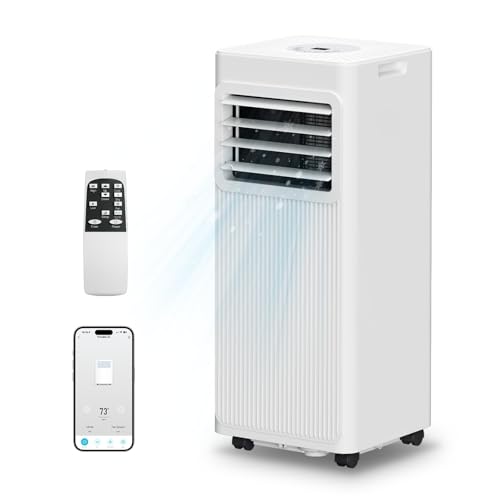
Portable Air Conditioner with Condensate Pump: The Complete Guide
Learn how a built-in condensate pump removes standing water automatically, which spaces benefit most, and how to select a model that keeps your room cool without constant tank emptying.
Explore the Buying GuideQuick summary: A portable air conditioner with a condensate pump collects moisture from the air and automatically moves it out of the unit. Instead of emptying a water tank by hand during peak cooling, the pump sends water toward a drain, window, or another approved location.
This feature matters most in humid climates, during long cooling sessions, and in rooms where you cannot easily monitor a collection tank.
Why Condensate Management Matters
All portable air conditioners pull moisture from the air as part of the cooling process. That moisture turns into condensate, which collects inside the unit. In many basic models, the water drips into a tank that you must empty manually. In very humid conditions, that tank can fill surprisingly quickly, interrupting cooling and requiring frequent attention.
A condensate pump solves this by moving water automatically. The pump activates when water reaches a certain level and pushes it through a hose to a drain, a window, or another acceptable outlet. For homes where the unit runs for many hours, or for spaces where manual draining is inconvenient, this feature changes the ownership experience significantly. It is closely related to models with a no-drain-required design, though a pump is a specific mechanical solution rather than a passive evaporation system.
How a Condensate Pump Works in a Portable AC
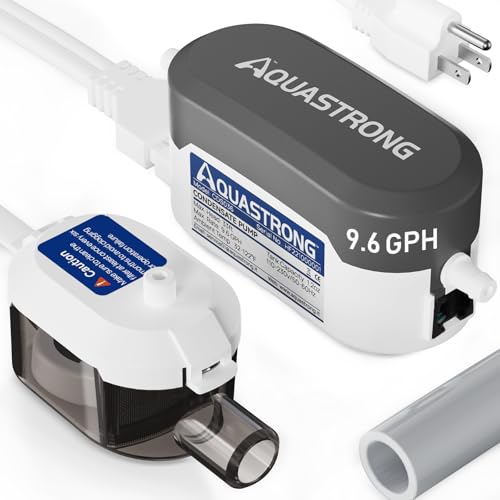
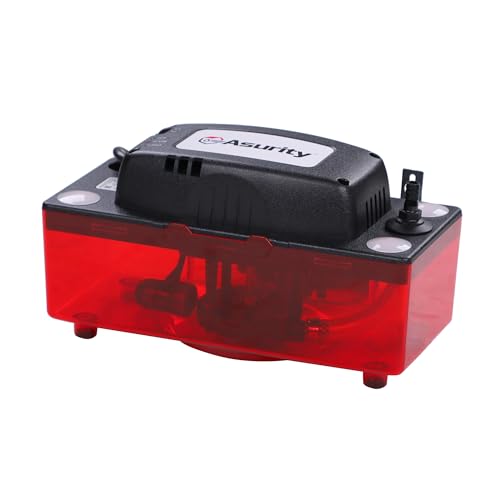
A condensate pump is a small electric pump mounted inside or alongside the portable air conditioner. Its job is simple but important: move collected water from the internal reservoir to an external location before the reservoir overflows.
The Basic Cycle
- Moisture collection: Warm, humid room air passes over the evaporator coil, and moisture condenses into water.
- Water detection: The water gathers in a small tray or reservoir. A sensor detects when the level reaches a set point.
- Pump activation: The pump turns on and pushes the water through a connected hose.
- Drainage path: The water travels to a floor drain, a sink, a window, or another approved discharge point, depending on how the hose is routed.
- Automatic reset: Once the water level drops, the pump stops and waits for the next cycle.
Many units also include a full-tank cut-off. If the pump fails or the hose is blocked, the unit shuts down to prevent water damage. This safety feature is a strong argument for choosing a model with a pump and a sensor rather than relying on guesswork.
Pump vs. Self-Evaporation
Some portable air conditioners use a self-evaporating system that uses the hot exhaust air to evaporate some or all of the condensate. These systems can reduce how often you drain the unit, but they are not the same as a pump. A pump physically moves water out of the unit, while self-evaporation relies on heat and airflow. In high humidity, self-evaporating units may still need drainage, whereas a pump provides a more active, continuous solution. Many buyers compare both approaches when reading a portable AC buying checklist.
Who Should Choose a Portable AC with a Condensate Pump?
A pump is not essential for every room, but it is genuinely useful in several common situations. The table below summarizes the main scenarios.
| Scenario | Why a Pump Helps | Suggested Tier |
|---|---|---|
| Long cooling sessions in a bedroom | Prevents overnight interruptions and tank overflow | Mid-range |
| Humid climates and damp rooms | Handles higher condensate volume automatically | Mid-range |
| Home offices with equipment | Keeps the room dry without daily attention | Mid-range |
| Rooms where the unit is hard to reach | Removes the need to access a tank behind furniture | Premium |
| Server closets and small utility rooms | Supports continuous operation with less intervention | Premium |
| Casual, short cooling in a dry room | Pump is convenient but not strictly necessary | Entry-level |
If your space is very humid, you may also want to review guidance for a portable AC for high humidity and a portable AC with dehumidifier function. These related features can complement a pump by reducing the total moisture load.
Key Features to Evaluate Beyond the Pump
The pump is important, but it should not be the only factor in your decision. A well-rounded portable air conditioner combines efficient cooling with practical drainage and sensible controls.
Cooling Capacity and Room Size
Match the unit's cooling capacity to the room. An undersized unit runs constantly and produces more condensate without cooling effectively. An oversized unit can cool too quickly and cycle awkwardly. For smaller spaces, a portable AC for a small bedroom or a portable AC for a studio apartment may pair well with a pump if humidity is a concern.
Pump Hose Routing and Length
Check where the hose exits the unit and how long it is. You need a clear path to a drain or window. If the hose must run uphill, the pump may struggle. A gravity drain relies on slope, while a pump can lift water a limited distance. Read the manufacturer's lift specification carefully.
Noise Level
The pump adds a small amount of noise when it activates. In a bedroom, look for models described as quiet or featuring a low-noise compressor. A single-room portable AC with a pump can still be a good choice for sleep if the overall sound profile is managed.
Inverter and Variable-Speed Options
An inverter compressor or inverter technology can improve efficiency and reduce temperature swings. These models often pair well with a condensate pump because they are designed for longer, steadier run times.
Heating and Multi-Function Models
If you want year-round use, consider a portable AC with heat pump or a heater combination unit. Some models include a pump and heating in one chassis, which can simplify seasonal transitions.
Step-by-Step Buying Guide
Use the following steps to narrow your options and avoid surprises after installation.
Step 1: Confirm Your Drainage Options
Identify where the water can go. A floor drain, utility sink, or window are common targets. If no gravity drain is available, a pump becomes more valuable. For rooms without easy drainage, review models that reduce manual draining and compare how each handles condensate.
Step 2: Measure the Room and Humidity
Measure square footage and note how humid the space feels. A portable AC with humidity control can help maintain comfort. In consistently damp rooms, a pump plus humidity control is a practical combination.
Step 3: Check the Exhaust Setup
Portable air conditioners need to vent hot air outside. Confirm the window kit fits your window type. If your window is unusual, browse the relevant window guides, such as a sliding glass window setup or a casement window solution. A proper seal improves cooling and reduces unnecessary moisture load.
Step 4: Review the Pump Specifications
Look for the pump's lift height, hose length, and whether the unit includes a full-tank safety shut-off. A pump that cannot lift water to your drain is not useful. Also check whether the pump operates in cooling mode only or in dehumidify mode as well.
Step 5: Consider the Tier and Features
Entry-level units may offer basic drainage without a pump. Mid-range models often add a pump, better controls, and quieter operation. Premium and top-tier models may combine a pump with inverter technology, heating, smart controls, and improved filtration. Choose the tier that matches your usage frequency and room conditions. A portable AC with air purifier is a good example of a premium feature that may accompany a pump in higher-tier models.
Step 6: Plan for Maintenance
Even with a pump, you should clean filters and inspect the hose for kinks or buildup. A blocked hose can trigger the safety shut-off. Regular maintenance keeps the pump and the cooling system working reliably. If you notice the unit running but not cooling, review troubleshooting guidance for a portable AC not blowing cold air before assuming the pump is the cause.
Condensate Handling Comparison
The table below compares common condensate management approaches so you can see where a pump fits.
| Approach | How It Works | Best For | Tier Typical |
|---|---|---|---|
| Manual tank | Water collects in a tank; you empty it by hand | Occasional use, dry rooms | Entry-level |
| Gravity drain hose | Hose runs downhill to a drain | Rooms with a nearby low drain | Entry-level |
| Self-evaporating system | Exhaust heat evaporates some condensate | Moderate humidity, reduced draining | Mid-range |
| Condensate pump | Pump moves water to a drain or window | Humid rooms, long sessions, hard-to-reach units | Mid-range |
| Pump plus inverter and heat | Pump combined with efficient compressor and heating | Year-round comfort, premium setups | Premium |
Installation and Placement Tips
Proper placement improves cooling and helps the pump do its job. Keep the unit on a level surface so water collects predictably. Avoid placing it where the hose will be pinched. Leave space around the intake and exhaust for airflow. If the unit is in a room with no window, you will need a venting solution; review options for a portable AC for a room with no window before assuming a standard window kit will work.
Route the pump hose with a gentle downward slope where possible. Even with a pump, a smooth path reduces strain. If the hose must go through a window, seal the gap around it to keep hot outdoor air from entering. For windowless spaces, a no-window-required configuration may involve a different venting approach, so confirm pump compatibility with your chosen setup.
Maintenance Checklist for Pump-Equipped Units
- Clean or replace the air filter every few weeks during heavy use. A clogged filter reduces airflow and can increase moisture buildup.
- Inspect the pump hose for kinks, clogs, or algae growth. Flush it periodically if the manufacturer recommends it.
- Check the drain path to confirm water flows freely and does not back up.
- Test the full-tank shut-off occasionally to ensure the safety sensor works.
- Clean the exterior and vents to prevent dust from entering the unit.
- Store the unit properly at the end of the season after draining all water and drying the interior.
If the unit stops cooling but the fan runs, the issue may be unrelated to the pump. Check the exhaust setup, filter, and compressor behavior before assuming a drainage fault.
Frequently Asked Questions
What does a condensate pump do in a portable air conditioner?
It automatically moves collected water out of the unit toward a drain, window, or another approved location. This reduces or eliminates manual tank emptying during cooling.
Do I still need to drain a portable AC with a condensate pump?
In most cooling situations, no. The pump handles the water automatically. Some units may still require occasional manual draining in extreme humidity or if the pump is not engaged.
Are condensate pumps noisy?
The pump adds a small amount of noise when it activates, often a soft hum or click. It is generally quieter than the compressor and fan of the air conditioner itself.
Can a condensate pump fail?
Yes, like any mechanical component, a pump can fail over time. Many units include a full-tank sensor that shuts the unit down if the pump stops working, preventing overflow.
Is a pump necessary in a dry climate?
Not always. In dry rooms with short cooling sessions, a manual tank or gravity drain may be sufficient. A pump is most valuable in humid conditions and during long run times.
Ready to Compare Models?
Review our recommended portable air conditioners with condensate pumps below and choose the tier that fits your room and humidity level.
View Recommendations